Argentina has long produced some of the continent’s most established and decorated footballing stars in recent memory, and it’s no surprise to see the South American giants still producing some of the best young and exciting stars for the future.
The list of names of the talents they’ve produced over the past two decades alone really won’t be enough to fill this whole article and we wouldn’t be doing Argentina’s homegrown success without naming a few of their established superstars and the players making a real name for themselves right now; Lionel Messi, Angel Di Maria, Paulo Dybala, Nicolás Otamendi, Rodrigo De Paul, Leandro Paredes and the list goes on.
What about the some of the new emerging stars on the block? Lisandro Martinez, Cristian Romero, Thiago Almada, Alexis MacAllister, Julian Alvarez.
Though one player turning a whole lot of heads across the continent right now after his recent move from southern half of South America at River Plate and is currently being considered as one of the most coveted and exciting young midfielders to emerge from the country is Benfica’s Enzo Fernández.
The 21-year-old midfield dynamo has only been in Europe three months, and he’s already making a real splash both in the Portuguese Primeira Liga and the UEFA Champions League, and long may it continue because Enzo Fernandez is certainly on the right path to become one of the most complete midfield weapons of his generation.
So let’s get stuck into his profile and analysis.
Who is Enzo Fernández?
Born in San Martin, Argentina. Fernandez along with his five brothers started playing football at the age of six for their local side Club La Recova for most of his childhood years before joining the famous River Plate academy.
After 13 successful years progressing through the ranks in the youth setup, he was deservedly promoted to the first team by manager Marcelo Gallardo in January 2019 in what was a 3-1 home defeat to Patronato in the Argentinian Primera División, in which Fernandez remained on the bench.
He eventually made his maiden start for the decorated outfit in March 2020, before the Covid-19 pandemic, replacing Santiago Sosa in the 75th minute of a 3–0 loss to L.D.U. Quito in the Copa Libertadores.
After being used sporadically in the River Plate first team, Fernandez was advised to leave the club on loan ahead of the 2020/21 campaign, in order to continue his development. In August 2020, Defensa y Justicia came calling and he was loaned to the Argentinian club for that season. He was given his debut for the club in 3-0 win over Delfín in the Copa Libertadores by footballing legend and manager Hernan Crespo.
Despite not featuring regularly for the club, his performances impressed Crespo which ultimately earned him a place in the team, aiding the club in their triumphant pursuit of the 2020 Copa Sudamericana, starting the 3-0 win over Argentinian side Lanús in the final, winning his first major trophy as a professional. He went on to feature 33 times for Defensa y Justicia, scoring once upon returning to his parent club, at the request of manager Marcelo Gallardo, in the middle of the season in July 2021.
Afterwards, he was immediately thrust into the River Plate limelight, featuring in the first leg of Copa Libertadores round-of-16, a 1–1 home draw to fellow Argentinian side Argentinos Juniors. Soon after, he notched his first goal for River Plate in August 2021, scoring once and assist one in a 2-0 win over rivals Vélez Sarsfield in the Primera División.
Fernandez’ swift impression in the first team picture meant he immediately became a guaranteed starter for Marcelo Gallardo’s side and agreed to a new contract extension till 2025. Following an encouraging start to 2022 season in which he recorded an impressive eight goals and six assists in 19 appearances, he was named the best active footballer in Argentina, which only heightened the amount of European scouts taking a note of his qualities.
A few months later, and a dream move to a European outfit was immediately on the horizon as River Plate reached an agreement with Primeira Liga team Benfica for his €10m transfer, a deal which has swiftly turned out to be an absolute bargain for the Portuguese giants.
The 21-year-old remained at River Plate for the remainder of their Copa Libertadores campaign, but following their exit from the competition, he was free to join up with his new teammates and Benfica confirmed the move in mid-July, being handed the famous number 13 shirt, which has been worn by club legend Eusebio.
Official, confirmed. Benfica have signed Enzo Fernández from River Plate on permanent deal – €10m fee plus €8m add-ons. 🚨🇦🇷 #transfers
Since then, the rest has become history. He is now a fully fledged member of the Argentinian senior national squad contingent and is certainly on course to feature alongside the likes of Lionel Messi and Paulo Dybala at the winter World Cup in Qatar having been rewarded with his first call-up by boss Lionel Scaloni senior cap in a 3-0 win over Honduras during the September internationals.
How good is Enzo Fernández?
In the matter of just a few months, the Argentinian maestro has quickly become one of Europe’s most highly coveted complete midfielders.
Capable of playing in a variety of roles across the midfield either at no.8 (as he was deployed regularly for River Plate), no.6, no.4 and even as a creative and influential no.10, the 21-year-old mixes excellent technical proficiency with tremendous levels of effort, endeavour and application + a highly intelligent tactical understanding to boot.
If you ever need a midfielder capable of performing just about every midfield duty to the best of his ability then Enzo Fernandez is certainly your man.
With every passing Primeira Liga performance, it is quite staggering – and no disrespect to Benfica – that the Portuguese giants was his next destination after River Plate, especially after former teammate and Argentinian counterpart Julian Alvarez moved to Pep Guardiola’s Manchester City a few months earlier.
Though, in this instance, several team’s loss is one team’s absolute pleasure and Benfica are currently reaping the benefits of acting swiftly and efficiently to secure Fernandez’s signature ahead of everyone else.
The £18m-rated midfield dynamo is your perfect archetypal midfield player. He is very combative in his midfield duels, protects the space and his backline incredibly well, a wonderful passer of the ball with excellent vision and high levels of accuracy, is very purposeful in his midfield actions and can dribble into dangerous territory or out of it to devastating effect.
During his breakthrough period at River, Fernández was usually deployed as a deep-lying midfielder, responsible for breaking up play, dictating the tempo and recycling possession. Typically averaging an 85% pass completion rate for the Argentinian giants, Fernández looked after the ball incredible well, always looking to show for the ball and make himself available to receive a pass. More uniquely, he thrives in receiving the ball in tight spaces and is very press resistant due to his wonderful low sense of gravity, balance and flexibility in his body movements.
He may not be the tallest or mightiest looking players, but that means little when he consummately carries the recurring Argentinian trait in being bullish, aggressive and exerting much flair when needed.
His bravery to assume responsibility for his team is demonstrated by the fact that no player in the Argentinian league registered more passes (1274) or received the ball more (52.72 per 90). Fernández possesses excellent vision and has proven his ability to progress the ball effectively, averaging 11.9 progressive passes per 90, whilst also topping the metrics for through passes (64), smart passes (43) and passes to the final third (295) last season.
Towards the end, Fernandez was regularly deployed at no.8 by Marcelo Gallardo, and as time progressed, his efficiency, influence and performance levels grew and grew.
In such a role, the 21-year-old was tasked, at the right-hand-side of a three man midfield (as shown in the below heatmap) to be the side’s main creative hub, but not deterring from his defensive responsibilities coming back towards his own goal, or winning the ball high up the pitch.
Enzo Fernandez’ heatmap at River Plate (2022)
He ended the 2021 season with three assists and two goals, but his all-round numbers made for more immaculate reading, averaging 67.3 touches per game, 1.5 key passes, creating five big chances in the attacking sense but also excelling defensively, registering 0.8 interceptions per game, 1.7 tackles and winning 52% of his total duels. He is proficient and an excellent all-round midfield player.
What made Fernández stand out from the rest was his excellent range of passing. He excels at quick short passes, passing to break lines or to play through attackers running to space, but also passing in the means of keeping possession to move around and tire opposition shapes.
As stated previously Fernández is also an adept long-range passer, and he has carried that trait forward with Benfica, as shown in the clip below, picking up possession and expertly spreading the play into space for the full-back.
He’s also so far at the time of writing averaged the most accurate passes per 90 (100.4) of any player in the Portuguese top flight, and the most accurate long-balls (11.1) showing that he is the perfect component in Roger Schmidt’s possession-heavy system. More crucially, he’s created the joint-most (7) big chances also, again highlighting his all-round completeness in midfield.
The luxury Benfica have when utilising the Argentinian is whatever midfield role Roger Schmidt places him in, he’ll perform them perfectly. His career so far at the decorated club could not have got off to the perfect and ideal start.
It’s his first few months playing top level European football, and already the 21-year-old is outshining his peers, both domestically and in the UEFA Champions League too.
His most notable performance came against Italian giants Juventus, excelling in a deep midfield role where he brilliant broke-up attacking play as well as distributing the ball to great effect as Benfica famously triumphed 2-1 in Turin in mid-September. He was rewarded with a terrific average SofaScore rating of 7.7 for his performance, successfully completing 68 of his 71 passes, three of his four long balls, completing all three of his dribble attempts, whilst also winning 11 of his 16 ground duels providing a perfect picture as to the kind of all-round talents and endeavour he provides especially on the big occasions.
And there is evidence to show that the higher the level of football he is playing, the higher his own personal influence and performance. Looking at the heatmap below for Benfica so far, it shows he is involved in all phases of player for Roger Schmidt’s side who are currently unbeaten in all competitions at the time of writing.
Fernandez’ heatmap for Benfica so far 2022/23
So far for Benfica, his numbers make for superb reading. In eight games, he averages 2.4 shots per game, 109 touches, created seven big chances, averages 1.8 key passes whilst also again being destructively effective off the ball, he’s averaging 1.1 interceptions, 1.9 tackles, and 0.7 possession won. Fernandez is a terrific reader of possession, always looking to get into the right positions to stop of opposition attacks, disrupting moves, whilst also being in the right place at the right time to intercept passes.
Feisty, mobile and energetic, Fernández is not afraid to put himself about. As per the stats from last season in the Argentinian division, he averaged 7.56 recoveries per 90 and is more than comfortable pressing the opposition in their own half, and making 2.18 recoveries in the final third.
For all his good work in deep-lying roles, 2022 has seen Fernández develop into a truly all-round midfielder, adding goals and assists to the less-heralded elements of his game.
He’s only got the one league goal to his name for Benfica so far, and it was a rasping one at that, scoring an unerring strike in the 4-0 victory over Arouca in August, showcasing the composure to strike the ball the first time and hit the target.
In another spellbinding showing for Benfica against Rio Ave on October 8, the 21-year-old picked up a supreme SofaScore average performance rating of 9.0 after providing an assist, creating three big chances, 7 key passes and completing all of his 72 passes in Benfica’s 4-2 triumph.
Enzo Fernandez’s half by numbers vs. Rio Ave:
100% pass accuracy 77 touches 7 key passes 7/7 long balls completed 3 big chances created 1 assist
Yet another stunning showing for the Argentinian maestro, who’s short career at Benfica so far is already proving one of the best career decisions Fernández may ever make.
Forecasting Enzo Fernández’ Future
Argentina are certainly a footballing country blessed with a whole host of hot and incredibly gifted footballing talents across the continent, and the latest emergence of a certain Enzo Fernández arguably looks to be the best of the lot, no doubt about it.
While there is the argument that many of Europe’s elite clubs should have secured his signature ahead of Benfica, it seems as though the 21-year-old made the correct and more mature decision to join a club as dedicated to its young players and very progressive in its footballing approach, and it is an entity which will provide Enzo Fernández with the ideal platform to further his game and development.
There is no doubt, Fernández will certainly cost an elite European club in the around the £50-60million mark, or even more with Benfica recouping a sizeable profit for his services. The 21-year-old is on his way to becoming the most complete midfielder of his generation.
Very soon, he’ll be the apple of many top club’s eye, it was the case for previous homegrown talents in Darwin Nunez, Joao Felix and Angel Di Maria but for now, Fernández game already seems to be taking that next level in the Primeira Liga, and long may it continue for a while yet, Benfica will be hoping and praying that is the case.
A consistent role at the World Cup this November for the tournament favourites Argentina may provide him with the perfect exposure he needs, and that may well be to Benfica’s detriment.
Croatia has been a decorated hub for some of the world’s most prestigious and classy footballing talents. The 2018 World Cup finalists have been excellent in producing world-class players consistently. Luka Modric, Matteo Kovacic, Marcelo Brozovic, Ivan Perisic and Ivan Rakitic are some of the most heralded names of this generation.
Their talent hub isn’t showing any signs of slowing down too with the likes of Lovro Majer and Luka Sucic placing themselves as two of Croatia’s most exciting young stars. But arguably the biggest and most brightest of the lot, already garnering much attention and plaudits for his abilities and performances is RB Leipzig’s Josko Gvardiol.
(Photo by Nico Paetzel/vi/DeFodi Images via Getty Images)
Even though he’s only just completed his first full campaign in one of the major European leagues, he is already one of the most in-demand young defenders on the continent.
The centre-back colossus is just 20-years-old but is already an established player for club and country. Gvardiol has been excellent ever since bursting onto the scene with Dinamo Zagreb in 2019.
The past few months have already seen him linked with some of Europe’s most prestigious names, with Chelsea showing a strong interest before the summer window’s conclusion. With his current deal at Leipzig now taking him right down to 2027, he certainly won’t come cheap and considering his stunning potential and importance to their cause, his potential hefty price tag seems justified.
So how has Gvardiol gotten to this position?
Who is Joško Gvardiol?
The 6’1″ defender started out at NK Tresnjevka as a seven-year-old, where he was taken by his father Tihomir, an amateur footballer himself. A year later in 2010, Croatian giants Dinamo came calling, and he stayed there for over a decade until his switch to Leipzig in summer 2021.
Over the course of the 2018/19 season, 17-year-old Gvardiol helped Dinamo to the UEFA Youth League quarter-finals – where they lost on penalties to English side Chelsea – and lifted the Croatian youth league title.
He was then promoted to the second team the following campaign but, after making just two appearances, was promptly called up for first-team duty and made his Zagreb debut in October 2019. Having represented Croatia since starting out with the U14s in 2016, Gvardiol also made his U21 debut a month later against Lithuania.
Gvardiol – named as one of The Guardian‘s60 Next Generation European footballers ahead of the 2019/20 campaign – featured in a total of 11 times in the league the season before last as Dinamo clinched the title. He also got his first taste ofUEFA Champions League football at the start of 2020/21, with two qualifying matches as Zagreb were knocked out in the third round by Ferencvaros.
His move to Leipzig in July 2021 seems the perfect one for his development, and his debut season in Germany was a sensational one, the youngster seamlessly adapting to life at the top level and swiftly securing a regular spot in the Leipzig line-up under previous manager Jesse Marsch. In total he made 29 Bundesliga appearances, scoring twice, while he also featured a further 17 times across the UEFA Champions League, Europa League and DFB Cup.
Head coach Domenico Tedesco previously hailed the centre-back’s “mental strength” as among his chief attributes, while he also became a deserved full Croatia international over the course of last season, going on to make 10 caps for his nation at the time of writing.
What’s so special Gvardiol? Why is he highly-coveted?
Gvardiol is really the complete package of a modern day centre-half.
His ability to progress the ball, range of passing, excellent carrying and dribbling skills, no-nonsense tenaciousness, and fantastic 1v1 defending, among other traits, make Joško one of the best young centre-backs in the world, and one of the best defenders in the Bundesliga, full stop.
The most intriguing and unique aspect of Gvardiol is that he is a left-footed centre-back, and a truly decorated one at that. Those are very rare to find in the modern game, and when a team does possess one, you’d easily spot why they are so crucial in a team’s tactical setup both positionally and in possession.
The role of a centre-back has evolved significantly over recent years. From just being the player who would put out fires and clean up damage imposed upon them on opposition attackers, centre-backs are now fundamental to their team’s buildup play and sustaining of attacks, and Gvardiol has swiftly proven that he is amongst the best in possession.
In fact, amongst all players in Bundesliga last term – ALL PLAYERS, not just defenders – he ranked first for expected threat (xT) (3.51) and xT (3.13) from passes. He is a phenomenal and influential outlet on the ball.
The Zagreb-born colossus is nowhere near a traditional centre-back. One look at his numbers suggests that this is a player who loves getting high up the pitch and advancing the ball.
He averaged 5.31 progressive passes per 90 last season along with receiving 0.67 progressive passes per 90. He ranks in the top 3% of centre-backs amongst Europe’s top five leagues for progressive passes and in the top 6% for progressive carries (5.45) and top 1% for dribbles completed (0.89) showcasing that he loves branching out from his defensive line and dribbling his way through opponent’s press in order to get his team up the pitch, or open up passing lanes for his midfielders.
Being able to move the ball up the pitch is paramount to a team’s success, especially possession-heavy teams; as previously stated, the modern-day centre-back must be very good at progressing the ball, by means of either passing or carrying and the £31.5m-rated juggernaut is superb at both attributes, as highlighted by the numbers above – it is the Croatian’s calling card when he is not engrossed in shepherding opposition attackers away from his own goal.
He is supremely confident when performing both actions, heavily reliant on his aggression, impressive ball-control and wonderful vision in being able to spot his more forward-thinking teammates within dangerous areas in the attacking third.
Gvardiol’s propensity to always try to make the penetrative pass, even when under pressure, greatly allowing his team to have more positional freedom in buildup. Once he receives possession, he holds the knack of constantly scanning his surroundings, looking up and deciding which players to pick out.
Moving the ball into the opposition final third, locating attackers in dangerous positions, is another key element in being a modern-day centre-back.
Whether it be through solo runs like Gvardiol often does, or brilliant switches of play to forwards that allow them to carry into space, rapidly getting the football into the last third of pitch is a great skill, and benefits team attacks massively.
Joško Gvardiol completed more take-ons than any other centre-back in Europe's top five leagues in 2021/22.
And he played more passes into the final third than any other Bundesliga CB. 🎯 pic.twitter.com/cCvXZMJ54R
It’s incredibly vital to remember, that last season was his first campaign playing top-level football, so all the stats seen in this report must be taken in with much awe and inspired looks. In the Bundesliga, amongst all outfield players he ranked 5th for passes into the final third (165), sixth for through balls (8), 10th for progressive carrying distance (4455) and sixth for pass targets (1722) which means the number of times a player was the target of an attempted pass. That coupled with his sensational passing success rate of 91%, he is an astute, decisive and accurate passer of the ball.
Even though he is so adept in attack, a Gvardiol scout report is very incomplete without mentioning his defensive work. He applies 11.75 pressures per 90, pitting him in the top 16% of centre-backs in Europe’s top five leagues, which allows him to close attackers quickly often. Moreover, Gvardiol has recorded 2.19 tackles, and 2.03 blocks per 90.
Given how far up the pitch he likes to venture into, the true mark of his defending lies in his interceptions. He averages 3.22 interceptions per 90, putting him in the 98th percentile amongst defenders across Europe and 5th amongst all Bundesliga players (89). He is a stunning reader of the game, but also combative and aggressive presence as he is expected to be considering his frame and size, at just the tender age of 20 too.
Gvardiol is extremely quick on his feet, meaning he covers ground rapidly to diffuse any threatening situations. Therefore, it is no surprise why Gvardiol has been a supreme fit at Leipzig and more importantly a consummate figure at the highest level. His tackling ability is top-notch and combined with his excellent recovery pace, he is a very good active defender and often comes out on top when he engages in duels.
Though, his aerial abilities is one he must work on, he only wins 2.46 aerial duels despite his 6 foot 1 frame, which doesn’t make for pleasing reading. The game is evolving at such a rate nowadays that centre-backs have got to be as proactive in the air as they are on the ground, but with more maturity and develop, that weakness isn’t one for much pressing concern.
What’s impressive of the 20-year-old defender is how quickly he’s become an impactful presence in the Leipzig back-line alongside Wili Orban and Mohamed Simakan. He’s quickly become a leader, and is very vocal when he wants to be. Not just barking orders at his fellow defenders, but to his experienced midfielders in front too, such as Kevin Kampl and Konrad Laimer. That’s all part and parcel of the impressive and complete package that the Croatian rock-solid star offers.
What does the future hold for Joško Gvardiol?
Gvardiol is in for a truly decorated and successful future both at club level and international too. It’s no secret that he is one of Europe’s most coveted centre-back out there right now, which means there are no shortage of suitors for his signature, with Chelsea and Manchester City specifically lurking.
However, it is vital that the £21k-per-week star continues his rapid progression at a steady and progressive side like Leipzig who can continue to offer him much room to grow, mature, develop and most of all, the room to make mistakes that doesn’t bring much scrutiny and criticism as a more enhanced and elite club side may pour on him.
Again, he’s still only 20 years of age, and while he’s of course taken giant strides over the past 12 months, there is still much more for Gvardiol to learn as he continues his upward trajectory. Certainly, his numbers may be inflated due to Domenico Tedesco’s insistence in playing a back three at Leipzig.
Just how will Gvardiol fare in playing week-in, week-out in a back four? That is one possible flaw that top sides will take into consideration when scouting him. It is unclear whether Tedesco will change his system next season, but trying out the Croatian in a back four could really help develop him further.
With the World Cup looming this winter – in which Gvardiol is currently guaranteed a spot on the Croatian plane barring any injuries – the Zagreb-born juggernaut must stay in Leipzig where he is loved and appreciated in order to continue his incredible trajectory.
Germany international centre-back Nico Schlotterbeck has agreed a transfer to Borussia Dortmund from Bundesliga rivals Freiburg.
Schlotterbeck has undoubtedly been one of the star performers in his team’s push for European football this season, not only that but statistically he is amongst the top performing defenders in Europe’s top five leagues.
The 22-year-old, who has enjoyed a breakthrough season in 2021/22, has agreed terms on a five-year deal through to 2027 at Dortmund, where he is set to form part of a new-look back line alongside fellow centre-back Niklas Süle, who joins from Bayern Munich.
“Nico is a young Germany international who’s had great development. His profile is perfect for BVB,” said outgoing sporting director Michael Zorc.
His successor, Sebastian Kehl, added: “Nico’s journey reminds me of my own, coming as a young Germany international from Freiburg to BVB. I hope Dortmund becomes as much as a home for him as it did for me.
“Nico has huge potential. He’s chosen by no means the financially best offer from numerous interested clubs, but chose BVB to develop here.”
So, lets begin the profile of this extremely gifted young centre back:
Who is Nico Scholetterbeck?
It is easy to forget about Freiburg. Squirreled away in the south west corner of Germany, its population of 230,000 people is not even enough to push it into the top three cities by its size.
The same can be said of its football club; SC Freiburg is often the forgotten club when it comes to German football, regularly surviving, quietly going about their business mid-table or even overachieving relative to its not-so-huge financial resources, but not significant enough that it will make the neutrals sit up and take notice.
However, perceptions this season has been dramatically altered, as the club currently sit fifth, three points away from the Champions League places deeming it an outstanding season for Christian Streich’s men.
When it comes to player development, this area is curious. Known primarily for blooding goalkeepers, since Streich became head coach in 2011 there have also been a litany of centre-backs moving through the club on their way up the footballing pyramid.
The legacy of producing Robin Koch, Çağlar Söyüncü, Matthias Ginter, Ömer Toprak and Marc-Oliver Kempf shows it is a club who are in the business of developing quality centre-backs.
The latest player to emerge is indeed Nico Schlotterbeck.
Growing up in a suburb of nearby Stuttgart, Schlotterbeck arrived in Freiburg with his older brother, Keven, in 2017. Since then, both have had stints in the Freiburg youth teams, on loan at Union Berlin, and in the Freiburg first team.
Three years the junior, Nico has overtaken his brother in the Freiberg pecking order after putting up some of the best defensive numbers in the Bundesliga last season with a Union side that ultimately qualified for European competition.
The 21-year-old’s performances in Berlin earned him regular appearances in the Germany under-21 team and eventually a senior international debut in March. With the younger Schlotterbeck now firmly ensconced in the Freiburg back line, it looks inevitable that he too will follow a similar step up to his prestigious predecessors amongst the elite clubs on the continent.
Why have Dortmund quickly moved for his signature? Is he any good?
No role in modern football is as difficult to perform as a center-back. For most teams, central defenders are the starting point of their attack and are required to be accomplished and effective on the ball both through dribbling and passing.
As more and more teams across the continent adopt high-pressing systems, they need to be capable of resisting pressure from an opposition press when building from the back, mobile enough to cover in behind if the press is broken, and aerially dominant to stop the opposition from playing long raking balls over the top.
Given the variety and difficulty of these tasks, talented center-backs who perform these actions in abundance are seemingly always in high demand. As such, it’s no doubt that various clubs were interested in acquiring Freiburg’s 22-year old Nico Schlotterbeck.
The £25.20m-rated colossus is the instantiation of a ball-playing centre-back. Primarily a ball carrier, he is good with both feet (the left being his dominant), exceptional at reading space around opponents when ball-carrying, and has the perfect physique to be a mobile and incredibly agile central defender.
Largely deployed in Christian Streich’s system as an wide centre-back in a back three this season, it is not unusual to see Schlotterbeck driving with the ball deep in the opposition half, attacking space opened out by his captain, the left wing-back Christian Günter.
This ability with the ball at his feet is reflected in his incredible numbers.
As per FBref, over the past 365 days, he ranks in the top eight percent of central defenders across Europe’s top five leagues for progressive passes per 90 minutes (4.52) and in the top 13th percentile for progressive carries (4.20) and the top three percentile for dribbles completed amongst his defensive counterparts highlighting that he is indeed amongst the best of the best when progressing the ball from deep.
In fact, within the German top-flight, he ranked eighth in the division for passes into the final third (137). Given his role for Freiburg this season, his dribble volume is through the roof: 1.17 per 90 with an impressive success rate of just over 58%.
It’s worth noting that Schlotterbeck is his team’s primary outlet for progressing the play and, in some instances, can even be a creative outlet.
Head coach Christian Streich provided him license to push forwards and underlap as a center-back, much in the way Antonio Rudiger does as a left center-back for Chelsea or what Sheffield United managed so successfully under Chris Wilder from 2016 to 2021.
If you can break a team’s first initial branch of pressure with your centre-back, you can surely pose problems for them in deeper defensive areas, unbalancing them structurally and opening gaps that can be exploited by more advanced team-mates.
When it comes to passing, there are some areas of potential improvement. Schlotterbeck is by no means a bad passer of the ball. With short, and sweet passes, he is comfortable using both feet, and in confined spaces, he is good at moving the ball out to a team-mate – an extension, no doubt, of his dribbling prowess – a very rare commodity amongst centre backs in Europe.
But there is a lack of consistency in his game here which can lead to a breakdown in possession. As a perfectly capable ball carrier, he sometimes invites opponents towards him in order to beat them, but this makes any potential pass out of trouble more difficult. His long passing is good, especially when he has time on the ball, as evidenced through his impressive progressive passing metrics.
This blend of on-ball attributes might lead to questions of his defensive credentials, but within this area, the Waiblingen-born defender also excels tremendously. The athleticism that lends itself so well to ball-carrying is an important part of his game when facing opposition attackers.
With the capacity to respond quickly to the on-ball movement of opposition players, the German is able to track opponents and pick his moment to make tackles.
Schlotterbeck’s defensive metrics must be understood within the context of Freiburg’s style. Playing in either a 3-4-3 or 4-4-2 setup, Streich emphasizes both vertical and horizontal compactness throughout the team, with the main objective of funneling the opposition’s possession out in wide areas to make it more easier to dispossess them.
His standout defensive attributes lie in his aggression.
Particularly when he plays as the left-sided center-back in a 3-4-3, Schlotterbeck exceled at stepping out to prevent strikers and other attackers from having time and space to penetrate Freiburg’s block through the center.
The 6 foot 3in powerhouse’s strength, tackling, and mobility to cover the space behind if needed means he can make the seemingly risky defensive approach extremely fruitful.
The German international ranks well in his interception and tackle metrics: within the 81st percentile for interceptions per 90 (2.59) and also ranking eighth in the Bundesliga (80), and he also impressively ranks in the 91s percentile for tackles per 90 (2.52) whilst also being amongst the best in the league for tackles won, ranking sixth amongst all players (53).
Across the last two campaign, he has remained consistently above average when it comes to headers won by centre backs, picking up three aerials won per 90 last season and 4.17 aerials won per 90 so far this season, at a success rate of an impressive 74.1%.
Attackers rarely win their aerial duels against Schlotterbeck because of his excellent anticipation and giant leap, and as a result, he is amongst the best players for aerial duels won (103) in the Bundesliga, ranking sixth for % of aerial duels won (74.1), suggesting he is a fantastic reader of the game in the air also.
The two time German international has not only excelled within his defensive aspects but in the attacking sense too, he’s scored four goals so far this season contributing magnificently to Freiburg’s impressive European run in the Bundesliga. He’s certainly not afraid to get shots off, create chances for his teammates from deep. For attacking metrics over the past year, he ranks within top 15 percent for all metrics compared to other defenders in Europe’s top five leagues, apart from assists. For shots total per90, he ranks in the 99th percentile, the top one percent of defenders averaging 1.20 shots, and also in the 99th percentile for shot-creating actions per 90 (1.68).
These are all unique and extraordinary metrics. The ideology that defenders are supposed to defend do not ring true when analysing Schlotterbeck’s game. He is not just a conventional ball-playing center-back: he is unique in how rounded he can be as a creative weapon.
It is no wonder why, top teams across the continent have tracked his progress, his current readings suggest he is indeed one of the best young defenders on the continent and Borussia Dortmund have certainly got themselves an absolute gem.
What does the future hold for Schlotterbeck?
Having made the stark progress and step up to the German senior setup, Nico Schlotterbeck deserves his upcoming move to Borussia Dortmund.
There is also the added bonus that he has performed well in two different Bundesliga systems in separate seasons, meaning he is highly adaptable and reliable whatever system and responsibility is being asked of him.
In a current footballing market boasting a whole plethora of young talented centre-backs, Schlotterbeck enjoys two advantages over some of his contemporaries. Firstly, he is predominantly left footed.
(Photo by Harry Langer/DeFodi Images via Getty Images)
As the build-up phase in possession becomes increasingly central to elite football clubs, the need for left-footed players has never been higher, given the benefit of having a dominant-footed centre-back on the left in your back line, hence why Dortmund needed a able-bodied left-footed centre back.
Secondly, Schlotterbeck is current employed at a club who are renowned for talent ID and player development, with a strong history of moving these players on for relatively affordable sums of money – exactly what Dortmund have made the most of, and will surely get an incredible return once he gets going again next season.
The sky’s is indeed the limit for Nico Schlotterbeck.
The famous and well-renowned Ajax academy has been home to some of the world’s greatest footballing talents throughout the years and still stands as an example of a club possessing a classy and productive working model in player development.
The Dutch giants are not only known for developing their academy products and providing them with the opportunity in the first team but they are also renowned for creating a successful business model when allowing those talents to depart and also bringing in new players from the academy.
A player well versed and moulded in the Ajax strategy, currently taken the Dutch Eredivisie by storm is 20-year-old £27m-rated centre back, Jurrien Timber.
The wonderkid has rightfully earned Erik ten Hag’s trust and confidence with his stunning performances and maturity as well as his composure, vision and defensive understanding that fits perfectly with Ajax’s strategy.
His impressive displays has granted him a regular berth in Ajax’s starting XI which he has grabbed the opportunity with open arms, becoming one of the finest and most trustworthy cogs in Ten Hag’s well-oiled machine.
While they have always been successful in attack, this term their defensive performance has been exceptional. At the time of writing, Ajax have only conceded 13 goals goals in 27 games, a remarkable record underlying the importance and sheer resilience of their defensive players.
Reports are already emerging regarding much interest in his services with Chelsea and Tottenham previously rumoured to be keen on signing him.
With the way Timber has been developing at club and international level, there’s no reason why he can’t make the steady transition to Premier League-level football in the near future.
Who is Jurrien Timber?
Born in Utrecht, Netherlands. Timber and his twin brother Quinten Timber, who is also a footballer plying his trade at FC Utrecht, are of Aruban and Curaçaoan descent. Their mother Marilyn is from Aruba and their father is from Curaçao, both part of the ABC Islands in the Dutch Caribbean.
After impressing scouts for his hometown club, the 20-year-old was snapped up Feyenoord. However, Ajax’s famed history of developing and nurturing young talent was too great for him to ignore, so he joined the club at the age of 13 for the formative years of his footballing education.
Timber has only just recently emerged as the hot prospect everyone is raving about.
After making his debut in the last league game before lockdown, he returned from the enforced break with an even more important role in the first-team squad. The following summer, he was part of the Dutch team at the delayed EURO 2020.
Ajax coach Erik ten Hag, was impressed with what the youngster showed on his debut. “He has proven himself, and I will take that into the new season,” Ten Hag had said after the season abandonment was confirmed.
The Ajax boss was true to his word and the 2020-21 campaign proved a true breakout year for Jurrien Timber. He took every chance that came his way enroute to making 20 appearances in Eredivisie, with 16 coming from the start. He added another five appearances in the Europa League as he gained some continental experience, never once looking out of his depth, a testament to his strength of character.
On the international scene, he has appeared for Netherlands age group teams, from U15s to U21s. Timber has even made his international debut for Netherlands.
The 5 foot 10 defender has won six caps for his country at the age of just 20. Therefore, he is well on his way to matching his esteemed colleagues at the international level, in de Ligt and Van Dijk.
What’s so special about Timber?
Ajax are currently the best performing team in Eredivisie with just 13 goals conceded all campaign so far, displaying high awareness, composure and consistency. The team’s well-measured actions and anticipation skills result in a high success rate in almost every aspect.
Ten Hag’s men are proficient in winning their challenges clearly, despite actually having the highest challenge intensity (duels, tackles and interceptions per minute of opponent possession) in the league.
Timber has contributed immeasurably to Ajax’s defensive success this season, where he has been rewarded with an impressive SofaScore rating of 7.40 from his performances in the Eredivisie.
Despite the lack of experience, the youngster possesses impressive composure in defence which puts him ahead pf his peers despite his lack of physicality and height. His technique and confidence on the ball allow him to dive into challenges and escape pressure through dribbling which helps the team in retaining possession.
His composure results in winning over 70% of his defensive duels this season, which puts him considerably alongside more experienced stalwarts in Ten Hag’s side such as Lisandro Martinez.
What makes him successful defensively, though, is his positional sense. Timber’s ability to read the game helps him in anticipating the oppositions’ movement and move into spaces so he can pressurise his opponents and block their attacking efforts.
The Dutch wonderkid has won 69% of his ground duels so far this campaign, as well as averaging 2.1 tackles per game and 1.5 interceptions highlighting his impressive defensive resilience and ability when halting his opponent’s progress with the ball.
The key qualities that have led to his valuable contribution are his concentration and work ethic. The 20-year-old is constantly aware of his surroundings and it is difficult to catch him out of position and unprepared.
Timber’s defensive work is often forthright and aggressive in his dueling. His positioning during final third attacks often puts him in good stead to press onto forwards immediately. When he has free reign to attack opposition ball-holders, he’s capable of timing his challenges from behind and finding the right space to reach through to nick the ball well.
As you watch him closely, you’ll find that this element of his defensive dueling is his calling card when battling against opposition attackers.
However, it’s all a different matter when Timber is tasked with marking someone.
When pressing from behind against a direct opponent, Timber is at fault for not establishing the sort of technique that can back up his constant aggression. He pushes into his opponent square-on, and will continue to jab towards the ball but without much care or effectiveness, so sharp turns and layoffs past him can easily catch him flat-footed.
It’s area of his game he will need to work on to become much more efficient and well-rounded on a consistent level like his compatriots de Ligt or Virgil van Dijk.
What favours him in many defensive situations though, is his ground coverage and physicality. At below 6ft and not being particularly stocky, Timber doesn’t appear to be much of a force, but it’s something he uses well to suffocate duels he’s engaged in. His height is a reason why he isn’t first to contest every aerial ball, but yet he’s managed to win 64% of his aerial duels. He’s proved himself to be capable of winning duels in plenty of mismatches thanks to his body-to-body strength on the ground.
Going forward, Ajax prefer to build up from the back, starting from circulating the ball laterally between Timber and Martínez. The team usually move into a more advanced position with the centre-backs right behind the central line and the full-backs often going past it to overload the opposition half and provide width. The team’s main strategy is to use high pass frequency and a lot of movement to bypass the opposition pressing structures and advance the ball to the final third.
Ten Hag’s men average over 600 passes per game and possess the highest pass completion rate in the whole division, underlying the players’ strong positional sense and connection.
Timber’s reliability and partnership with Martínez are key in possession. Due to his confidence on the ball and work under pressure, he is used for retaining possession and building up from the back by combining with his CB partner and the fullbacks too.
One of the reasons for Ajax’s success in building up from the back is that both of their centre-backs are ball-playing defenders. Timber is actually one of the highest in the division in terms of pass frequency with his 82 passes per game on average which support the team’s efforts to deliver the ball to the final third.
As per FBRef, Timber ranks within the top 10 percentile amongst the defenders in Europe’s top five leagues for passing metrics over the past 365 days. He ranks in the 98th percentile for passes attempted per 90 minutes (82.34), the 99th percentile for pass completion percentage (93.9%), in the 97th percentile for progressive passes (5.39) and the 97th for progressive carries per90 (6.46) meaning he is indeed one of the best around in his build-up play and progressing the ball in the attacking areas for his team.
His positional sense and the team’s advanced position allow him to have a great contribution to their attack. He supplies the advanced areas with 15.51 passes per 90 which is the second-best record in the league and underlines his impact when progressing the play.
That, combined with his lack of height for a CB, are the reasons why Ten Hag has relied on him as a right-back on a few occasions. He can easily hold onto the ball and deliver it to the advanced areas and has a passing range that allows him to make combinations with his teammates and exploit spaces.
However, the only reason for him not being able to fully succeed in this position is his hesitancy to cross the ball. Due to his inexperience in this position, he has failed to be beneficial for the team in terms of supplying the box with balls and creating goalscoring opportunities.
Apart from that, he remains outstanding in his passing and ball retention as shown in the stats in percentile stats above.
Timber is incredibly patient and will use every second he’s given to manipulate the opposition in order to create alleyways elsewhere. He’ll slowly adjust his position with the ball so that he can create space for teammates to rotate into untracked and unseen. This all facilitates the freeing up of Ajax’s Argentine decisive ball-sprayer, Lisandro Martínez, who can look to maximise the directness and tempo of play.
Despite how smartly he shortens and slows his passes as part of the team’s overall ploy, the 20-year-old has only shown glimpses of potential in this respect. He can weight a long ball perfectly well and is very quick to play through the lines when appropriate, but his adjustments when undecided can kill his ability to play vertically.
It’s why he’s best positioned further towards the right as shown in the heatmap below, as the angles remain open for him even when doing this.
It won’t be a surprise if the Ten Hag temporarily employs him in defensive midfield, trying to use his passing range to orchestrate play, as he has previously said that a central midfield position might be suitable for Timber in the near future.
Indeed, within the Ajax system and footballing approach, their young products are expected to perform numerous roles within their designated positions, and Timber is yet another one of those hugely versatile products within their prestigious roster.
What does the future hold for Jurriën Timber?
The somewhat caged talents of Timber have shed a light on a player with great promise in possession of the ball. Combined with how seamlessly he applies himself to different roles within such concentrated setups, Timber should, right now, be a very desirable offensive prospect for many of those slightly lesser teams in the top leagues that are looking to be assertive, progressive and dominant with the ball.
Even a step up to clubs such as Champions League challengers in Serie A and La Liga could be the perfect platform for him to ramp up his rapid development but also provide him with the added platform to enhance his profile and impress.
Would a move to reportedly interested clubs Tottenham Hotspur and Chelsea be the right moves for him at this stage of his career? The former, much more plausible, but for a club like Chelsea who are faced with much pressure to win titles may not allow Timber the room to make mistakes and grow.
It’s a factor he will need to think thoroughly on if he is to embark on fulfilling the supreme and huge potential we know he possesses in abundance.
For a number of years now, Netherlands has been the go-to hotspot for birthing some of the world’s most exciting and decorated young footballing talents, especially from the academy of Ajax. The latest in such a prestigious and rich list of household names is Club Brugge forward, and Ajax academy graduate Noa Lang.
The 22-year-old star, already on the watchlist of some of Europe’s most elite clubs including Liverpool, Arsenal, AC Milan and Leicester City is making tremendous waves in Belgium, regularly touted as the most hottest prospect in the Belgian top flight.
Lang was heavily linked to Leeds United in the summer of 2021, but the big move to England did not materialize. Still only 22, there is plenty of time for a Premier League move in the future; for now, first team football in Belgium (as well as European experience) will continue to aid in his development.
The Ajax academy product has enjoyed a stunning two seasons at Club Brugge, helping them to the Belgian first division title in the 2020/21 campaign last year, as well as a two year run in the UEFA Champions League. Lang hit an incredible 16 goals and seven assists last year, and he’s followed that up this year with an impressive six goals and 11 assists in 27 league appearances.
He also made his national team debut in October 2021, putting him firmly in contention for an appearance at the 2022 World Cup in Qatar.
There are few things as synonymous in football as the Netherlands and exciting, creative wide players, and 21-year-old Noa Lang only enhances strengthens that relationship.
Who is Noa Lang?
Born in Capelle aan den IJssell, a town in the western Netherlands, Lang is of Surinamese descent through his biological father. He had initially burst on to the scene with Ajax, scoring a hat-trick on his first Eredivisie start against FC Twente, where he subsequently spent a short time on-loan with in the 2019/20 campaign.
Whilst he only made 14 first-team appearances for the senior side, they were a fitting reward for a strong, productive youth career with Jong Ajax.
He made his debut for the reserve side as a 17-year-old back in 2017, contributed to 0.6 non-penalty goals and assists per 90 minutes across 47 appearances in the Dutch second division. He also scored key UEFA Youth League goals against Bayern München and Real Madrid for the club’s stacked under-19 side that included the likes of Gravenberch, Botman and Brobbey.
It was at the beginning of the 2020/21 campaign that Lang made the transition south to Belgium, and has since taken the league by storm. 16 goals plus seven assists in 29 appearances is an exceptional return, recording an outstanding 0.66 goals per 90 minutes, and 0.29 assists, indicative of his supreme talents and creative and direct threat.
On 20 May 2021, Lang scored as Brugge drew 3–3 with rivals Anderlecht to win the Belgian First Division A title for the fourth time in six years and 17th time overall.
This campaign may not have breaded the same goalscoring return, with just the seven to his name so far, but an improvement on his abilities to turn provider for his teammates, registering 12 assists. the fourth most in the Belgian First Division at the time of writing.
Lang has also significantly strengthened his development, gaining valuable UEFA Champions League experience for Club Brugge following a few cameos for Ajax. He scored his fist European goal against Zenit St. Petersburg – though Brugge were unable to qualify from the group stage. The same is said for this campaign, but Lang put in a tremendous showing against Paris Saint-Germain, in the 1-1 draw back in September. In the return fixture in Paris, he turned provider for Mats Rits with a trademark run in a 4-1 defeat.
Lang was called up by Louis Van Gaal and made his international bow for the Netherlands in October, in a World Cup Qualifier against Latvia, the first of many potential caps for his country.
How good is Noa Lang? What’s his style of play?
This lad is incredibly gifted, so much so he is already drawing favourable comparisons to Paris Saint-Germain’s attacking superstar Neymar Jr. A right-footed wide forward most comfortable coming inside off the left-flank, though he possesses the versatility and nous to play in any position across the attack.
Lang is a true source and hub of creativity and decisive edge in the final third, where his sumptuous and entertaining technical skill, bravery and audaciousness on the ball are the striking characteristics of his education at Ajax’s exceptional De Toekomst academy.
It is his immense creativity and knack for the spectacular which is his most obvious trait. As seen in the clip above, Lang has no qualms in attempting to perform the extraordinary, whether its through an ambitious cross, pass or a mazy dribble.
When the ball is at his feet, he is incredibly hard to dispossess. Lang can effortlessly switch from a languid presence roaming between the lines to a more dynamic and direct style with rapid changes of tempo. It is his appreciation of time and space, knowing when to keep the ball, when to delay a pass or a cross, when to speed up the play, that gives such variation but also makes him so unpredictable when facing his markers.
Once he has the ball on the left flank, you simply do not know what he’s going to do next, just be confident in the fact that he is capable of creating something incredibly special.
Lang is at his flawless best when he comes inside off the wing into the half-spaces, as shown in his heatmap above. It’s in those areas where his ability to create passing lanes allows a high involvement in Club Brugge’s play. Here his wonderful imagination and creativity shines through, constantly looking to break the last line of defence in a variety of ways. He can slide runners in using disguised reverse passes through the eye of the needle, often with the perfect weight.
Lang isn’t a soloist like Neymar Jr, but he is a player who can participate in combination play with teammates as well as do his utmost to create chances for his fellow attackers – his signature style is a quick pass and move around the 18-yard-box to change the tempo of play and create uncertainty and imbalances in opposition defences. He is a nightmare when in the mood. He is also incredibly adept at performing improvised chips, dinks, scoops and round-the-corner flicks to breach defences who operate in a deep block.
Just know, when Noa Lang is around Club Brugge always have a chance of scoring goals. He averages 1.9 dribbles per game in the Belgian First Division, and also averaged an astonishing 3.2 dribbles in the UEFA Champions League. He is not one to shy away from the big stages. To contextualise his creative influence within the final third, he is in the higher percentile of expected assists and successful passes into the penalty area, and has created 15 big chances so far this campaign, with an average key passing tally of 1.9 per game.
(Photo by Adam Pretty/Getty Images)
He possesses the quality end product to back up his creative, risk-taking and free-reign style of football which is so entertaining to watch.
As put into numbers previously, he is so dangerous when dribbling and carrying the ball too, both in tight spaces to retain and outmaneuver his opponents as well as in open spaces driving directly towards goal. Over the past year, he is averaging 9.91 progressive carries, pitting him in the top 5% of players in Europe’s top five leagues, he is also amongst the top 3% of players for progressive passes (6.15).
Lang’s best asset is his ability to shift his balance and accelerate quickly into space, enabling him to create and maintain separation from defenders in an instant. He also holds a range of cuts, step overs, chops and pirouettes to fool his markers and glide past them with ease. He does tend to sacrifice possession frequently with the levels of risk he operates in, but the value he adds when he does break through and form chances for himself and his teammates means the reward is currently outweighing that risk by some distance.
It is not just his creativity and influence in the final third that is reaping rewards, but the goalscoring threat that supplements it also. The 22-year-old is not afraid to take shots on goal, possessing an incredibly high shot volume, taking over 2 shots per 90 this season, at a rate that many pure strikers would struggle to hit from time to time. He can generate shots for himself through dribbling and quick shifts with the ball to work an angle, or by attempting intelligent forward runs beyond the ball and into the penalty area to receive passes and get shots off.
He generally finishes with powerful driven shots, and in shooting situations he possesses a calm and collected manner that lets him finish ruthlessly and emphatically, a trait that so few players his age on the continent possess. The past two campaigns have strongly shown the high levels of influence Noa Lang holds for his club, but future employers must beware, Lang does have a hot-streak about him as shown through his 3 red cards over the past year or so already.
He must temper his fiery nature at times or else defenders will use it as a stick to beat him with, when trying to stifle his influence on games. Here’s hoping that improves with age, development, learning and maturity.
What does the future hold for Lang?
It’s fair to say Lang is already outgrowing the quality in the Belgian First Division, and you can be certain him and his representatives will be fielding a whole host of calls for his services this coming summer.
The 22-year-old is a UEFA Champions League quality talent, and a player who’s future lies in a top-five European league, but he should aim to find a team who will embrace his high risk style rather than temper it. There are a number of those even in the Barclays Premier League, and in a division that is evolving tactically, possessing Lang’s qualities are extremely vital as seen through Liverpool’s swift capture of Luis Diaz in the winter window, a player who is as risky as the Dutch prodigy.
Regardless, Lang is an incredible footballing talent, and a player well on his way to reaching worldwide acclaim and stardom, keep your eyes peeled on his potential whereabouts this summer, wherever he goes next, they will have a future star on their hands.
How good is Bukayo Saka? It’s no wonder Arsenal football club are so desperate to tie him down to a new long-term contract.
After a painful conclusion to last summer’s Euros, in which Mikel Arteta has described was “great for his career”, Saka has bounced back and fired on all cylinders so far this campaign, hitting back at his racist critics and proving once again why he is indeed one of Europe’s most prestigious young footballers right now.
In fact, we’d go so far as to say Saka is currently the best young player in the English Premier League. We really can’t bat an eyelid at this strong claim. His sumptuous individual performance against Watford at the weekend underlined is undisputed qualities.
It’s true, history tells us we can’t afford to hype up our young British talents any more than we have been, but when a player is performing as stunning and complete as this, you can’t help but heap such lofty praise.
No player under the age of 21 has been directly involved in more goals than Saka this season (8 goals, 5 assists), and his goal and assist at Vicarage Road in an entertaining 3-2 triumph lifted Arsenal into fourth spot in the table.
If you stretch the field further to Europe’s top five leagues, then only Bayer Leverkusen’s Florian Wirtz (7 goals, 10 assists) has more combined goals and assists than Saka this season.
Players of such sublime skill and quality deserve to be playing Champions League football, and both of these flawless young talents have yet to step foot in Europe’s flagship club competition. Maybe, just maybe that will change come the end of this season.
If Saka continues to play to the level that he did at Watford on Sunday then it won’t be long until he is rubbing shoulders with the continent’s best on a regular basis.
Arsenal now sit fourth in the Premier League, a point ahead of Manchester United, who have played three more matches than the Gunners.
With 13 games remaining this season, Arsenal have moved firmly into pole position for the final Champions League spot.
Arteta will no doubt urge caution, and with games against Liverpool, Chelsea, Tottenham and Manchester United approaching, there is still lots of work to be done before the celebrations can begin. But Arsenal are on a resurgent run of form right now, with much of their football matching the kind of quality they possess in such a young and vibrant squad.
Bukayo Saka is the face of this new and exciting revolution at the Emirates, and Arteta is backing him to a tilt.
“I think Bukayo had an experience in the summer that not a lot of players would ever have and I think it was great for his career, because the football world showed how much they like him and how much they respect him,” said Mikel Arteta.
“That’s another thing you get much more than that in football apart from winning trophies, so I think that was a big boost for him to realise in difficult moments that people are going to give him support and the club did exactly the same as his team-mates.”
That penalty miss against Italy at Wembley last summer will have haunted any player, but Saka has consummately shrugged off that setback and has never looked back. Arteta in his pre-match comments, urged his team to show a “killer instinct” and no one followed those orders more expressly than Saka.
"He's made one and scored one!" 💪
Bukayo Saka puts Arsenal back in front against Watford with a clinical finish 🎯 pic.twitter.com/89ffLWp8Xx
— Sky Sports Premier League (@SkySportsPL) March 6, 2022
This was not the controlled performance Arsenal demonstrated against Wolves last time out, but it was a ruthless and clinical one. They ended the game with four shots on target and three of those were goals. All three goals were simply mesmeric, including Saka’s and Arsenal’s second.
It was all his own work, possessing the tenacity and resilience to dispossess an unalert Tom Cleverley, before playing a lovely one-touch move with Alexandre Lacazette highlighting the 20-year-old’s incredible knack to make something of nothing, before burying an unbelievable shot into the top corner, no chance for Ben Foster.
A special goal from a special player. One brimming with confidence, style, assuredness and a maturity that is belying his years. The way he dribbles past his markers, links up with the likes of Ødegaard and Smith-Rowe, his courageousness, bravery and unbelievable consistency always marks him out amongst his peers. The 20-year-old ranks sixth in the division for shot-creating actions (90), and eighth for progressive carries (180), as well as averaging 1.9 key passes per 90, highlighting he is one of the best in the division, for his efforts and influence in the attacking third.
Saka was at the heart of all Arsenal’s goals against Watford, highlighting his huge influence on this Arsenal side. He is the main man, the heartbeat alongside Martin Ødegaard. The combination between both of them for the opener was pure Arsenal football at its finest. The third, just as good. Saka taking a quick throw which resulted in a slick move that Gabriel Martinelli emphatically finished.
I knew he was good. The talent is obvious. But it's not until I really focus in on the strengths, gather a ton of clips, look at the numbers, put everything into context, do I see how special he is. Saka is right up there.
— The Tactical Times (@Tactical_Times) March 6, 2022
Arsenal’s success this season has largely been down to their young players and it is fitting they are rising to the occasion as the pressure mounts with every passing week. The Gunners have scored 41 Premier League goals this term; 29 of them have been scored by players 23 or under.
Saka was excellent at Vicarage Road but was so Odegaard, and the pair’s relationship is growing every week.
Then there is Emile Smith Rowe, who missed yesterday’s match after testing positive for Covid-19. Saka is leading the way for goals and assists by Premier League players under the age of 21, but Smith Rowe is second to him and ahead of Phil Foden. Martinelli is fifth on that list.
It all points to a bright future for Arsenal, but suddenly they have the chance to make the present just as exciting.
After a miserable start to the season, losing their opening three Premier League games, Champions League football is within Arsenal’s grasp – and that is exactly where the qualities and brilliance of Bukayo Saka belongs.
The future of Spanish football is looking spectacularly bright and in very good hands.
While all the talk and praise have been heaped on the likes of Pedri, Gavi, Oyarzabal, Olmo and Ferran Torres, all of whom have received first and regular call-ups to the Spanish squad under Luis Enrique and have become key figures for their clubs, there is yet another prestigious and flawless young talent quietly going about his business, slightly under the radar, and that young star is Villarreal’s Yeremi Pino.
After his four-goal haul against Espanyol at the weekend, Pino became the first player to score four goals in a La Liga game since Lionel Messi two years ago. He also became the youngest-ever player to score a first half hat-trick in the Spanish top-flight.
The record-breaking doesn’t stop there, Pino is also the youngest player to score a La Liga brace for Villarreal at the age of 19 years and 130 days.
The teenage Spanish international completed a perfect hat-trick in the first half — left foot, right foot, header — and added his fourth after the break in an emphatic 5-1 win over Espanyol.
The 19-year-old has earned rave reviews since his breakthrough in the Villarreal first team, and also became the first teenager to start a Europa League final, and win the competition as the ‘Yellow Submarine’ triumphed over Manchester United on penalties last season.
Pino has enjoyed yet another tremendous breakthrough campaign for Villarreal, and even made his Champions League debut for the club playing against the likes of Manchester United, and Atalanta. His four goal haul against Espanyol took his overally tally for the season to seven goals and four assists in 23 starts.
So who is Yeremi Pino?
Born and raised in Las Palmas, Canary Islands. Pino joined UD Las Palmas’ youth setup in 2014, after representing outfits AD Huracán and Barrio Atlántico CF.
In June 2017, Pino was offered the chance to join Barcelona, a dream move for many young academy products across the country, but interestingly turned down the move and chose to join Villarreal instead.
He made his debut with the C-team in August 2019, coming on as a second-half substitute for Fer Niño and scoring the third goal in a 3-0 victory over CF Recambios Colón in the Tercera División. After finishing his first senior season with three goals in 20 appearances for the Villarreal C-team, he was promoted to the reserves in Segunda División B. A seamless and impressive transition.
It wasn’t long before Pino impressed and caught the eye of the Villarreal coaches in the first team. After spending the pre-season with the first team under Unai Emery, Pino made his professional debut on 22 October 2020, replacing Francis Coquelin in a 5–3 UEFA Europa League win over Sivasspor. He made his La Liga debut three days later, again from the bench in a 0–0 draw at Cádiz CF.
Pino bagged his first professional goal for the club in October 2020, netting the equalizer in a 3–1 away success over Qarabağ FK in the UEFA Europa League. On 12 November that year, he renewed his contract at the club until 2024, with many believing he’d go on to become a leading player for Villarreal in the near future.
In May 2021, Pino was rewarded for his stunning performances, with Emery entrusting him to start the 2021 UEFA Europa League Final against Manchester United, becoming the youngest Spanish player to start a major European final, aged 18 years and 218 days, breaking the previous record of Iker Casillas in the 2000 UEFA Champions League Final, aged 19 years and 4 days.
He also became the youngest player to win the competition, eclipsing the record set by Robin van Persie in the 2002 UEFA Cup Final.
The 19-year-old has represented his country Spain across all levels, even captaining the under-18s. Due to the isolation of some national team players following the positive COVID-19 test of Sergio Busquets, Spain’s under-21 squad were called up for the international friendly against Lithuania on 8 June 2021, in which Pino featured.
Since then, Pino has gone on to make two appearances so far for Luis Enrique’s talented side, making his senior debut for the senior side on October 2021 in the Nations League semi-final against Italy.
What’s so good about Yeremi Pino?
Standing at just 1.72 metres (5ft8in) and 63kg, Pino is a small winger with flair, pace, trickery and a low centre of gravity. Even though he is a right-footer and prefers to be deployed as an inside winger, the 18-year-old can play on both sides of the pitch, showcasing a lot of versatility despite his tender age.
He’s also been deployed up front in a 4-4-2 system also, but prefers being deployed out wide where he can showcase his 1v1 abilities, make the most of space out wide and assist his teammates.
Pino’s main strengths include pace, dribbling and high technical abilities, an eye for a goal, acceleration, agility and, perhaps the most surprising of them all, genuine defensive discipline and work rate as shown through his performance against Manchester United in the Europa League final, tasked in keeping his defensive shape and halting Luke Shaw’s threat on his flank whilst also providing a telling threat on the counter.
Throughout the past year, Pino’s influence and importance to Emery’s organised and compact system has grown. He’s started 17 of his 25 La Liga outings, compared to just starting 6 out of 24 appearances. Whilst he recorded impressive stats in terms of his dribbling and ball-carrying per90 last season, 51.2% dribbles success rate, 2.36 successful dribbles per90, and 7.30 progressive carries per90, his numbers have dropped considerably this season, but that may not be any fault of his own but down to Villarreal’s inconsistencies for large parts of the campaign.
However, that hasn’t stopped him becoming an influence when he is on the field. What is impressive, is his finishing as despite not tallying too many shots per 90 minutes (1.45), the 11th most out of the whole squad and the least out of Unai Emery’s attacking weaponry. Though, Pino is extremely accurate and lethal, even currently outperforming his expected goals (xG) value of 5.4, with 6 goals so far in La Liga. His shots on target % of 54.5 is the 6th best in the Spanish top-flight. He’s also outperforming his expected assists (xA) value of the same figure, with 4.
Without a doubt, one of Pino’s greatest weapons in his arsenal is his dribbling. In the 2020/21 campaign and across all competitions, he registered 6.59 dribbles per 90 minutes with a 60.4% success rate, rating him as one of the more efficient dribblers in La Liga. As stated previously, that figure has dropped this season, but it’s no fault of his own, or to say his abilities and influence are decreasing.
Yeremi Pino’s 21/22 season hasn’t been as explosive as his 20/21 where he in a few months made himself a name on the biggest stage but he has steadily improved in silence. His output and, more importantly, underlying numbers have increased, the latter significantly. Top talent.
He still attempts 3.36 dribbles per 90 with a success rate of 45%, but more interestingly, through those numbers, his influence is actually increasing. He’s so far averaging 2.64 shot creating actions per 90 (meaning the two offensive leading to a shot or goal including live-ball passes, dead-ball passes, successful dribbles, shots which lead to another shot, and being fouled), which is an improvement of his 2.60 for last season, and Pino is also averaging and considerably topping his goal-creating actions figure (0.66) – the eighth best in the division – from last season (0.23).
Yeremi Pino’s heat-map this season
As shown through the above heatmap, Pino has been regularly deployed as right-winger for Unai Emery this season, and that’s where we regularly see the best of him.
Pino can effectively dribble from the halfway line onward but is most effective when entering the final third. Interestingly enough, as a true inverted winger, he will cut inside as he gets closer to the box and this is usually where he’ll try to beat his man to create the biggest advantage for himself.
It’s vital to note, that Unai Emery’s system ensures that the winger is isolated with his marker in large and open spaces, which always benefits him rather than the defender. We’ve seen how effective this is through the consistent performances of new signing Arnaut Danjuma, but Pino is also following suit. In these areas Pino can use his incredible acceleration and pace to cover a lot of ground, carrying the ball at his feet.
After that, he engages in and wins the duel against his marker, finishing the action with a brilliantly executed shot or an action that ultimately leads to a chance for his teammates. While he is certainly not a volume shooter since he’s only registered a total of 21 shots so far in 2021/22, his shot selection is great and the youngster has a keen eye for goal.
Considering he has scored six La Liga goals from a 5.54 xG, we can conclude his finishing has been at the required level. After all, 54.5% of his shots have ended up on target, which is impressive despite a lower overall volume.
All of his goals this season and last have come from a very similar position inside the 18-yard-box. This comes as a direct result of his marauding runs and dribbles, both of which we’ve already concluded originate around that same area. Against Espanyol at the weekend though, Pino showcased his incredible potency scoring from 4 of his 5 shots in an around the penalty area.
His fourth and final goal, arguably the pick of the lot, latching onto a through ball from Arnaut Danjuma before instinctively and skillfully knocking the ball past Diego Lopez in the Espanyol goal, and slotting home. A goal truly encompassing Pino’s sharp trickery, audacity and stunning courageousness when faced with pressured situations.
Passing might not be among Pino’s greatest weapons but when combined with some of his other traits, it makes for a deadly tool at his disposal. He is becoming a player skilful at setting his teammates up as much as finishing the actions himself. Of course, we shouldn’t forget that with only 27.8 passes per 90 minutes, he is not a volume passer and in general, can still be risk-averse in most situations. Pino’s passing can be safe but is also used in lay-offs and quick combinations out on the flanks, showing that he always wants to be on the move, which means his passing isn’t going to be one of his strongest suits.
Overall, with an 79.1% pass success rate, we can say that he’s fairly confident in possession and won’t give away the ball carelessly that often, which speaks volumes about any young, flair winger such as himself. Usually, this is exactly what young players struggle with the most but Pino seems to be mature on the ball, especially for his age. He isn’t afraid of the risky passes either, and it can be devastating when it derives from a mazy dribble and into an area where he can hurt opposition defences.
His 1.18 key passes per 90 so far this season is an improvement on his 0.90 figure from all of last season.
Finally, we’ll will finish with a quick overview of Pino’s contribution to Villarreal’s defensive tactics. In general, Emery’s men are a team that fluctuates between a high press and a mid-block and the youngster is a hard worker in both systems. On average, he engages in 26.08 duels per 90 with a success rate of 47.8%.
The youngster won’t always press as high and be successful at it but tracking back and maintaining the team’s structure is certainly a part of his repertoire. Of course, his success rate will vary from game to game but with almost 50% of his duels being successful on average, we can conclude that he plays a big part in ensuring the flank is not breached.
But when and if he’s asked to press high, Pino will gladly do it and will generally stick well to his man once the second line of press is activated. Emery has him either as part of the front two in a 4-4-2 or as part of the second line in the wider areas. In any case, with 2.89 tackles + interceptions per 90 minutes, he won 7 out of his 10 defensive duels against Espanyol, so there’s an argument to be made about Pino’s tremendous and admirable work rate.
He is a willing runner and defender when asked to but when given the freedom to express himself in attacking areas, he’s a player who certainly won’t shy away from performing the extraordinary.
Forecasting the Future
At 19-years of age, Yeremi Pino is an incredible young talent. The future certainly seems bright.
Pino has proven a blessing for Unai Emery and Villarreal because he does everything asked of him. Give him an in-game task, and he won’t deviate from it. He’s a willing learner, so mature for his age but also a player not shy to express himself on the pitch.
There’s no telling where his long-term future lies but it will certainly be at Villarreal after signing a new deal at the Estadio de la Cerámica, taking him to 2027. The Yellow Submarine will provide him with the perfect platform to grow, learn, develop and maybe become one of the club’s most prestigious every players in the coming future.
Let’s not forget, he could be a key figure not just for his club, but for the Spanish national team also along with the likes of Pedri, Gavi, Mikel Oyarzabal, Ferran Torres. Yeremi Pino is certainly amongst that prestigious list of flawless young Spanish talents.
With this current Manchester United squad you just simply have no idea what you are going to get from one week to the next.
One moment they’ll reel you in with some sublime attacking displays and the next, they’ll leave you bewildering and in total disbelief. One constant has been the inexcusable contrast between first-half performances and second-half capitulations, as was again the case at Elland Road at the weekend, regardless of the calibre of the opposition or position of superiority they assume.
It’s become a regular pattern in recent weeks, but also telling representation that this United side may have a wealth of attacking talent, but as a unit they lack the street-smartness and composure to control games to their favour. They can be devastating but unbelievably frail, lacking the panache to control and dominate opponents over 90 minutes.
It’s evidently clear the squad needs some injection of control and bite in midfield, though something that Ralf Rangnick has increasingly been able to rely upon amid the chaos elsewhere in his side has been the performances of £73m summer capture Jadon Sancho.
The England forward is finally adding some goals and assists to his Premier League repertoire helping decide another pulsating mini War of the Rose battle.
You’d be lying if you had said Sancho hasn’t endured a difficult start to life in a Manchester United shirt. Of course, it hasn’t been plain sailing. At Borussia Dortmund, Sancho played in a team with a high-octane style where the general levels of the Bundesliga are slower and tailored perfectly to his flamboyant and jinky style, and though he has grounding of English football from his time at Watford and Manchester City, the English top flight is a significant step for a player still so young.
It took him all of six months to get his first Premier League goal for the club, against Southampton at Old Trafford. Fans have looked at his relatively hefty price tag, rather unfairly expecting him to hit the ground running but even the best of players in this division have found it incredibly difficult to make a swift impact upon arrival, and Sancho is no different.
At times the 21-year-old has been criticized for playing too safe, not showing off his usual mazy dribbles, tricks and deceptive movements but rather playing the ball back when faced 1v1 with his marker. It’s perfectly understandable though, when you’re still trying to adapt to your new surroundings, being too safety-first and cautious under pressure rather than taking risks.
Some even wondered earlier on in the season whether Ole Gunnar Solskjaer’s football, which gave licence to individual flair and creativity, really suited Sancho, and as a result found his place in the team limited. Indeed, Sancho seemed to be the collateral damage of the crisis engulfing Solskjaer, with the former United manager turning to the safety-first of a 3-4-1-2 system that had no room for wingers.
Such uncertainty in style and cohesion in United’s play ultimately led to the sacking of the Norwegian, and rather strangely led to Sancho’s immediate future at Old Trafford being under threat, even after Solskjaer had strongly advocated for the club to sign him last summer.
However, in all honesty, it can be argued that Solskjaer was the man holding him back. Since his departure, Sancho’s performance levels and adaptation to the team has markedly improved. His first goal for the club – under the stewardship of interim boss and former first team coach Michael Carrick – against Villarreal in the UEFA Champions League group stage finale, certainly showed a player finally beginning to get into his groove. The 21-year-old was superb on the night as United ran out 2-0 winners in the east of Spain.
Since Ralf Rangnick’s arrival though, Sancho is not just starting to show why United so desperately coveted him for two years, but is also fast becoming one of the few leading lights the club can depend upon to make crucial difference in matches.
The goals and assists may not have arrived until recently but it was clear Sancho was finally getting into the swing of things, accumulating more minutes under his belt, regaining his confidence, Rangnick almost simplifying his game and the tactical freedom around him and he’s now showing more glimpses of why Manchester United paid so much money for him.
Reports within the club in November during his difficult period were positive, with many believing Sancho would finally come good as the season progressed and that he has.
Against Leeds United, the weather helped set the scene and tone for Sunday’s ensuing battle, with incessant heavy rain leaving parts of the pitch sodden, making the trudging through no man’s land to reach your opponent that bit heavier underfoot.
With Leeds defenders bursting with rage and steam streaming from their nostrils bearing down on him, Sancho often remained calm and composed when clipping a sumptuous first time cross onto the head of Bruno Fernandes, who could not miss to put United 2-0 up.
It was the theme throughout the match surrounding Sancho’s performance. While others were slipping and sliding in treacherous conditions, Sancho used it to his advantage gliding across the pitch with such unerring grace and confidence.
Sancho has worked himself into such positions to create openings on plentiful occasions this season, but failed to find that killer pass. Now, he finally had that first elusive Premier League assist, on his 14th start, to prove the 11 he recorded in the German top flight, and the 18 he laid on in all competitions last season were no fluke.
Though, all his good work were about to be undone in a matter of moments in the second-half. Manchester United these days are never comfortable at 2-0 up, if you need any reminders just ask Aston Villa.
Infact, in three of their previous four league games, they had failed to earn victory having been leading by one goal at the break but, they instead conceded two quick-fire goals in 59 seconds early in the second half to allow Leeds back into it, and give the fans around Elland Road hope they could grab all three points.
With pandemonium still ensuing, and emotional embraces lasting longer than when a son or daughter returns home from university for the first time after a long period away, the quality and grace of Jadon Sancho once again dragged his teammates out of the mire and set them on the road to a crucial success.
With options either side of him, the weight on the pass for substitute Fred was something that only the very best can produce, and the Brazilian made no mistake. It was game, set and match from then on in.
Sancho didn’t stop there though, almost laying on another for Anthony Elanga after one of the most stupendous mazy runs and trickery down the touchline to get past three Leeds United players, but Elanga could only fire Sancho’s finely weighted pass straight at Illan Meslier in the Leeds goal.
The Premier League is getting prepared for Jadon Sancho. It took a while but it’s coming.
Whenever Sancho is faced with creative decisions in an around the final third, he always delivers executing them with such wonderful composure, calmness and class that so few in Europe’s top-five leagues can match. It’s almost as if time stands still.
Sancho has now been involved in four goals in his last five games in all competitions – two goals and two assists – twice as many as he was in his first 23 appearances. He completed more progression actions (10) against Leeds than any other United player and he also made the third-most possession recoveries (9), only bettered by Luke Shaw and Aaron Wan-Bissaka (11).
Credit must be given to Ralf Rangnick for providing Sancho with the tools and tactical freedom to express himself, almost unburdening him with needless responsibilities but ensuring he performs at maximum capacity.
The German discussed his extensively relationship with Sancho from former years before he chose to move to Borussia Dortmund and that bond and trust is certainly being reflected on the pitch.
In fact, in a matter of months Sancho ranks amongst the best for creativity in the final third amongst Rangnick’s crop of players.
So far this season, the former Dortmund wizard ranks 2nd for key passes per 90 (2.17), 2nd for passes into the penalty area (23), 2nd for shot-creating actions per 90 (4.20) (the two offensive actions leading to a shot, such as passes, dribbles and drawing fouls), he ranks 1st for progressive carries (140), carries into the final third (51) and 18-yard box (36). He’s also recorded the most successful dribbles (33) out of any United player too.
🏴👏 Jadon Sancho had 29 touches in the opposition’s area in February, only Raheem Sterling (33) and Mo Salah (35) managed more in the league. pic.twitter.com/sOqLrCDX5U
Whoever said Jadon Sancho isn’t making an impact at Old Trafford? The above numbers emphatically tells us he is. When United are in need of creativity in the final third, its not just Fernandes they are looking to, but Sancho also. The 21-year-old has almost lifted the creative burden off his Portuguese teammate.
The 21-year-old is playing with real style and confidence again, and it was only a matter of time and opportunity. With all the uncertainty, negative press and rumours engulfing the club in past couple months, Sancho has provided United fans with the hope and optimism that the future is indeed bright at Old Trafford.
From struggling to be considered for a starting berth a few months ago to being one of the first names on the team sheet. Rangnick was always going to look favourably on a player he knows so well from his time in Germany, but in this current form, he simply cannot ignore the man who should be front and centre of this up and coming United revolution.
The UEFA Champions League is back on screens this week.
How we’ve missed that awe-inspiring, harmonious and breathtaking Handel-inspired Champions League anthem on our speakers, but we’re so glad its back as we look forward to another year of juicy European ties.
It might have taken two attempts to complete the draw in December but the round of 16 has certainly pulled out some exciting fixtures, with some of Europe’s heavyweights and a few of the most decorated up and coming clubs on the continent go head-to-head.
Other than the usual suspects like Lionel Messi, Mohamed Salah, Kylian Mbappe, Karim Benzema and Robert Lewandowski, who are some of under-the-radar players to look out for?
#AnthonyScouts picks out nine exciting footballers enjoying stellar campaigns, who could make their name on the grandest European stage…
Karim Adeyemi, Red Bull Salzburg
This will be RB Salzburg’s first-ever Champions League knockout tie after negotiating a tricky and exciting group containing Wolfsburg, Sevilla, and Lille.
The Austrians possess a decorated history in bringing through bright, young talent, including Takumi Minamino, Patson Daka, Dominik Szoboszlai, Naby Keita, Sadio Mane and Erling Haaland in recent years.
Though, the current jewel in their crown and arguably Europe’s most exciting young striker is 20-year-old Karim Adeyemi, who has lit up the Austrian Bundesliga so far this season and looks well equipped to become one of Europe’s biggest stars.
Adeyemi is reportedly on the radar of a number of clubs on the continent including Barcelona, Liverpool and Borussia Dortmund, and he could well be on his way the latter with the German giants reportedly close to securing Adeyemi’s signature for next season.
The Germany international has consummately sharpened his attacking output with an incredible 14 league goals in 18 games for RB Salzburg in 2021-22, eclipsing his return of eight goals and seven assists in his first full season last year. In eight UEFA Champions League games this season, including the early qualifying rounds, Adeyemi has notched 4 goals.
Besides possessing a unique eye for goal, Adeyemi is a stunning player to watch, a flawless young forward, blessed with such searing pace and acceleration, incredible close control and amazing trickery making him an absolute nightmare for opposition defenders. He regularly looks to pull wide and attack the penalty area with his low centre of gravity to make space for a shot.
Two of his three goals in the Champions League have come from the penalty spot and Adeyemi will be eager to add to his tally in Europe. Salzburg have been handed a very tough draw against Bayern Munich but Adeyemi’s incentive to impress on the grandest stage will be heightened by the fact he was released from Bayern’s academy at the age of 10. They are also one of the clubs that have been most heavily linked with a move for him in the summer.
This could well set up to be one of the most captivating headlines of the campaign.
Pedro Gonçalves, Sporting Lisbon
One of Portugal’s hottest prospects and a player certainly on a mission to force his name in the European headlines is Sporting Lisbon’s incredibly gifted forward, Pedro Gonçalves.
The former heir to Manchester United midfielder Bruno Fernandes’ throne at the José Alvalade Stadium, has, incredibly, proven even more prolific for the Portuguese champions than the Manchester United ace.
Gonçalves was an integral figure in helping Sporting win their first Primeira Liga title for 19 years last season, finishing as the league’s top goalscorer with 23 goals from a scarcely believable xG total of 11.6.
Fernandes had a stupendous season in 2018-19 for Sporting, scoring 20 league goals, but Pedro Goncalves outdid him last season.
In doing so, he became the Primeira Liga’s first Portuguese top scorer since Domingos back in 1996.
This goalscoring feat is made all the more impressive given the 23-year-old’s position. Sporting operate in a 3-4-2-1 formation with Goncalves as a hybrid attacking midfielder/forward between the lines — often drifting to the right-hand side. His ability to locate spaces in between the lines and in the half-space is incredible and highlights his wealth of tactical knowledge and super versatility.
His finishing isn’t too bad either, as his phenomenal stats show.
Naturally right-footed, Gonçalves is capable of clinical strikes with his left foot as well, and his great form has continued into this season.
Pedro Gonçalves, nicknamed “Pote” has netted six times in the league so far and added two braces versus Besiktas and Borussia Dortmund in the Champions League as Sporting survived defeats in their opening fixtures to qualify for the last 16. He’s also recorded five assists in the league highlighting his wonderful gifts in not only scoring goals, but creating them too.
Gonçalves was previously on the books at Wolverhampton Wanderers, and his impressive performances in the Champions League will no doubt have caught the eye of more Premier League sides with a view to bringing him back to England in the very near future.
It could be the perfect audition, given that Sporting play Manchester City in what could potentially be a tasty tie in the round of 16. Pep Guardiola’s men are likely to be strong favourites, but Pote could make life difficult — and maybe make Pep take notice too.
Arnaut Danjuma, Villarreal
When Arnaut Danjuma joined Villarreal from AFC Bournemouth last summer for €25m, little did we know he’d make such a telling impact in Unai Emery’s progressive side so soon.
A few months into his Spanish top-flight career and the recently-made Netherlands international has become one of La Liga’s blossoming individuals so far this season.
After hitting 17 goals and 7 assists in the Sky Bet Championship last season, the former Club Brugge forward was always destined for bigger and better things but many thought he’d make that step up in the Barclays Premier League rather than beyond borders.
With several clubs interested in his services last summer, it was Villarreal who took a punt on his flawless abilities, and its safe to say the 24-year-old hasn’t looked back.
20 appearances, 9 goals (5 in La Liga, 4 in the Champions League), and 3 assists, Danjuma has certainly showed he is good enough and ready to cut it amongst the most elite footballers in Europe. The slippery Dutchman has gone from the Championship to the Champions League without batting an eyelid at the transition.
Danjuma’s trajectory over the past year has been nothing short of sensational, and already he is showing his talents on the most prestigious of footballing stages in the UEFA Champions League.
If you need any pieces of evidence as to how good he is, not only that, but how invaluable he’s become to Unai Emery’s side in short space of time, check out his performance against Manchester United at Old Trafford in the group stages.
It was simply jaw-dropping, giving full-back Diogo Dalot a torrid evening.
Danjuma may have been one of La Liga’s most expensive transfers this summer, but is currently proving he’s worth every penny spent. The Europa League winners were looking for a player who could help them jump forward to the next level tactically and in attack and Danjuma is keeping his part of the bargain.
Unai Emery’s men are clearly more efficient, potent and exciting on the attack and much of that is down to Danjuma’s unpredictable nature on the left-flank.
Villarreal have a tough fixture against Juventus in the knockout stages, and they will need Danjuma firing on all cylinders after his return from injury to have any chance of causing yet another Emery-European-upset.
Jonathan David, LOSC Lille
Since his move to Lille from Belgium outfit Gent in the summer of 2020, Canadian Jonathan David has come on leaps and bounds, although he did endure a difficult start – going on a run of seven games without a goal.
However, in the second half of last season, his form picked up.
Eleven of his 13 league goals in 2020-21 came after the turn of the year, as Lille done the unthinkable, finishing the campaign as French Ligue 1 champions.
This season, Lille have struggled to maintain their form as they currently sit in mid-table in Ligue 1. However, Jonathan David has continued his tremendous development. He is Ligue 1’s second top scorer with 12 goals from 19 appearances, just two goals behind AS Monaco’s Wissam Ben Yedder.
In a league including Kylian Mbappe, Neymar and Lionel Messi, that is a superb feat.
An extraordinary unique forward, blessed with great pace, skill, tenaciousness, trickery and acceleration. The Canadian is tremendously versatile too, capable of playing anywhere in attack; as a no.9, right-winger, left-winger, and a no.10. If fast and speedy players are your type, then Jonathan David is your man.
A player whose game is based on an exciting blend of technique, mental sharpness and tremendous physical attributes.
The Canadian has excelled in his work-rate and off-the-ball attributes. So far this campaign, he is recording 5.39 successful pressures per 90minutes. He is in the top 10 percent of forwards in Europe’s top five leagues when it comes to pressures off the ball owing to his tremendous energy, enthusiasm and work rate. David has traded off some of that defensive work, and remodeled himself as a poacher in front of goal. A record of 0.48 non-penalty goals per 90 is brilliant and is simply going to get better.
David’s scoring form in Ligue 1 over the past two seasons, and for Canada where he’s been the top CONCACAF scorer in World Cup Qualifying, suggests he could score more goals for any of Europe’s top clubs, and with his name reportedly in the headlines for a number of top European outfits this summer, he could well be on the move.
First he’d have to help Lille navigate through a tough fixture against last season’s European champions Chelsea, and there is no doubt that the young Canadian forward will be central to any potential upset.
Jurrien Timber, Ajax
Ajax’s youth academy has been providing Europe’s biggest clubs with elite talent for decades now and with the likes of Jurrien Timber emerging the trend is not slowing.
There’s been no change in the Ajax philosophy ever since: they invest tremendously in youth, making sure that the players receive the best physical and mental development, and even more importantly, that they are granted the earliest possible trust at the highest level.
Timber is the latest of those entrusted with significant responsibility in the first team, and is thriving as a result.
The youngster earned Erik ten Hag’s trust with his composure and vision as he reads the game well and fits Ajax’s strategy perfectly. His displays granted him a regular starting spot which he hasn’t taken for granted and has used to prove his qualities while becoming one of the team’s key players.
While they have always been successful in attack, this term their defensive performance has been exceptional. At the time of writing, Ajax have only conceded FIVE league goals in 22 games, which is a remarkable record and underlines the importance of their defensive players.
Ten Hag’s side also made history in the Champions League by winning all their games in the group stage, outplaying Sporting CP, Borussia Dortmund and Beşiktas.
Ajax are currently the best performing team in Eredivisie, displaying high awareness, composure and consistency. The team’s well-measured actions and anticipation skills result in a high success rate in almost every aspect.
The Ajax players are proficient in winning their challenges clearly, despite actually having the highest challenge intensity (duels, tackles and interceptions per minute of opponent possession) in the league. They are first in the league in terms of successful actions with 66.9% of won defensive duels on average.
Despite the lack of experience, Jurrien Timber has successfully contributed to Ajax’s unbreachable defence possessing impressive composure in defence which puts him ahead despite his lack of physicality and height. His technique and confidence on the ball allow him to dive into challenges and escape pressure through dribbling which helps the team in retaining possession.
His composure results in winning 76.2% of his defensive duels, which is a better percentile compared to his centre-back partner, Lisandro Martínez (73.5%).
What makes him successful defensively, though, is his positional sense. Timber’s ability to read the game helps him in anticipating the oppositions’ movement and move into spaces so he can pressurise his opponents and block their attacking efforts. He contributes with 13.35 recoveries per game and roughly four of them are in the opposition half.
This underlines his strong positioning and anticipation skills, although it also indicates the whole team strategy, which has the defensive line positioned high in possession.
The key qualities that have led to his valuable contribution are his concentration and work ethic. The 20-year-old is constantly aware of his surroundings and it is difficult to catch him out of position and unprepared. If their opponents Benfica are to triumph in this tie, they will have to do incredibly well to bypass Jurrien Timber and his resilient defensive counterparts.
Ridle Baku, Wolfsburg
Ridle Baku has enjoyed a seismic rise over the past 18 months, swapping relegation-threatened Mainz 05 for Champions League football at the Volkswagen Arena.
At an age where many of his peers are just beginning to take their first steps in the Bundesliga, Baku has already started over 100 topflight Bundesliga matches, won a U21 European Championship, and narrowly missed out on Germany’s Euro 2020 squad.
With summer interest from PSG & Bayern, and Tottenham Hotspur it won’t be long before Baku is tearing up the pitch for Hansi Flick’s national team and competing for silverware at one of Europe’s elite outfits.
The right-sided midfielder, come right-back is an incredibly astute, tactically aware and all-round footballer.
The young right-back was an influential piece in the Germany U21 side that won the European Championship in June and as a result, is already attracting significant interest from clubs around Europe. Baku was named Player of the Match in the U21 final against Portugal and even concluded the tournament with the highest assists (3).
In the 38 appearances Baku made for German side Wolfsburg last term, he recorded an impressive 16 goal involvements, recording 6 goals and 6 assists in the German Bundesliga.
This season, he has continued his fine contribution to Wolfsburg’s goal threat, with two goals and two assist whilst also scoring in the Champions League group stages against RB Salzburg in November.
The 1.76m-tall defender, who can even be deployed as a midfielder, lead the ranking for the Bundesliga with 1,061 sprints last season. This season’s tally may have decreased, but he’s still within the top 10 sprinters in the division with 598 sprints. Few players covered a greater distance last season than him. He was the 10th-best runner with 351 km run on the field.
The 23-year old is always more than willing to make lung-busting runs forward as well as make the hard yards back to rescue a situation defensively.
Baku is highly versatile too having already played in all possible positions on the right-flank for the team. He’d prove a valuable asset for any top outfit in Europe owing to his incredible versatility but also providing his side with the opportunity to be tactically flexible. Wherever he is deployed, Ridle Baku will give his utmost.
With quick changes of direction, a glue-like control, and fluid movement, Ridle Baku is able to wriggle free from any lunging challenges and create the attacking impulses which have made him such a resounding success at the Volkswagen Arena.
The 23-year-old has brought lofty comparisons to Germany and Bayern Munich icon Philipp Lahm, showing what a generational talent Wolfsburg have on their books.
Though Ridle Baku has a long way to go before winning 113 national team caps, and 17 major titles, the intelligence in his positional play is right in line with FC Bayern’s former captain. Whereas Lahm made the switch from rightback to defensive midfield in the latter stages of his career, Baku has undergone the opposite transition, playing primarily as a midfielder for Mainz before operating almost exclusively on the right flank at Wolfsburg.
Just as Lahm was adept at moving inside from right-back or dropping into the wide channels from a midfield role, Baku’s ability to drift into the half-spaces have made him an absolute nightmare for opposition fullbacks. The Under-21 European Championship were perhaps the best example of this. Baku, operating primarily at right midfield in a classic 4-2-3-1, was electric from start to finish, ending the competition with the most goal contributions as Germany lifted the title with a 1-0 victory over Portugal.
Baku completed the 5th most crosses of any Bundesliga fullback last season, routinely searching for the head of new Burnley striker Wout Weghorst or providing a driven ball into the run of an advancing midfielder. Whilst he may not be as prolific as either Borna Sosa of Stuttgart or Filip Kostić of Frankfurt, the variety of ways Baku can hurt an opposition defense makes up for his somewhat inconsistent crossing.
Ridle Baku may have only registered 2 assists from the wide right channel this season, but when afforded time and space he is more than capable of finding his target.
Nuno Mendes, Paris Saint-Germain
Nuno Mendes has been getting rave reviews since making the move from Lisbon to Paris last summer as PSG’s new left-back.
At just 19 years old, Mendes has adapted well from a wing-back role in a 4-3-2-1 at Sporting Lisbon to a full-back role within PSG’s 4-3-3, but his skill set remains unchanged.
The Portugal international has made 15 appearances for Mauricio Pochettino’s side in Ligue 1 this season, alongside his six appearances in the UEFA Champions League. Touted as one of the finest talents of his position on the continent, Nuno Mendes is certainly on his way to world-wide stardom.
Last season at Sporting, Mendes cemented his status as the finest left-back in Portugal thanks to a deadly combination of speed, explosive movement, and close control which allows him to create danger either from a standing start or whilst on the counter-attack.
Apart from his dribbling, Mendes boasts an excellent crossing ability whether tightly marked or open in space, and his physical prowess allows him to beat out opponents to the ball either with his speed or strength.
Despite boasting such incredible speed and strength through his lambasting runs, he’s only successfully completed 0.88 dribbles per90 so far this season, but that will only increase with more playing time and development. However, he is relatively still creative with his contributions in attack, averaging 0.98 key passes, and 3.43 final third passes per90 whilst also possessing 2.64 shot-creating actions per90. He’s al an adept defender, boasting a SmarterScout defending intensity rating of 95 out of 99.
Given his speed and imposing size, he is able to recover well whenever he might be slightly out of position, frequently nicking the ball away from the opponent and often blocking crosses into the box. He averages a very good 4.12 tackles + interceptions reading per 90 minutes. For ball recoveries and interceptions, he is rated by SmarterScout 97 out of 99.
His 3.3 dribbles attempted per 90 put him in the top 10 per cent for full-backs in Ligue 1 this season, and he can be crucial in opening up space for his team-mates to exploit.
Mendes is still in the category of a raw and unpolished talent but he has all the materials and skills required to be one of the leading left-backs in world football. The pace of Mendes and Kylian Mbappe down PSG’s left-hand side is enough to give any opponent nightmares, even their knockout opponents Real Madrid. Be prepared for an enthralling tie.
Vinicius Jr, Real Madrid
It’s completely safe to say, Vinicius Jr is enjoying his best season in a Real Madrid shirt.
His 12 league goals are bettered only by team-mate Karim Benzema, with the pair contributing to a high proportion of his team’s attacking output this season as Los Blancos lead the way in La Liga, by four points.
Vinicius’ turnaround and maturity in his decision-making and all-round game over the past year or so has been nothing short of phenomenal. In 2020/21, he underperformed xG by a remarkable 3.82. For context, that’s twice as bad as anyone else in the Real Madrid squad. In 2021/22, he’s overperforming by 3.1 xG, a figure more than twice as good as anyone else, excluding Karim Benzema.
Benzema-dependencia, as the Spanish media like to call Real Madrid’s reliance on Karim Benzema for goals, well that phrase has been thrown out the window as a result of Vinicius Jr’s sudden purple patch. Now, Karim Benzema who didn’t approve of the Brazilian over a year ago, simply cannot perform without him.
While its a testament and credit to the 21-year-old, the credit must also be given to Carlo Ancelotti who has totally unleashed the Brazilian with undying belief and faith in his abilities.
He is a double threat from the left wing, scoring goals as well as creating them (8 assists so far this campaign) — largely owing to his direct play when the ball is at his feet. No player in La Liga can top his rate of 7.3 attempted dribbles per 90 this season, and goes to show how often he looks to commit defenders which can open up space for others, such as Benzema.
In this season’s Champions League, Vinicius’s 18 chances created in open play is more than any other player in the competition, as he frequently drives into dangerous areas to pull a pass back for an oncoming team-mate.
Vinicius is no longer that naïve, overconfident and inexperienced raw talent that arrived through the Real Madrid doors in 2018. He’s now more an assured, mature and decorated performer, still possessing bags of potential to become even greater and that spells such great news for Real Madrid, a healthy return on their risky investment.
Vinicius has shown this season whatever the situation, he can and will create – whether it be scoring or assisting, he is quickly becoming a central protagonist within Carlo Ancelotti’s side.
Real Madrid’s upcoming blockbuster clash with PSG is arguably the pick of the last-16 matches. Having won the competition in three successive seasons from 2016-2018, Real have gone out of the Champions League at this stage twice in the last three seasons.
If they are to correct that slide, they will need Vinicius Jr at his flawless best as he’ll be coming up against the likes of Kylian Mbappe, Neymar, Di Maria and Messi. Pick your poison.
Antony, Ajax
Already an Olympic gold medalist, Antony has enjoyed a spectacularly successful rookie season at Ajax. The Brazilian right-winger is known for his rapid dribbling, amazing ball-trickery as well as his unique eye for goal.
The fact that Ajax have two talents on this list once again highlights their incredibly bright youthful roster, and a potential prediction that they could yet again take the UEFA Champions League by storm like they did in the 2018/19 campaign.
Whilst Sebastien Haller has been the pick of a talented bunch, Brazilian wing-wizard has arguably stolen the spotlight through his showstopping performances for Ajax in this year’s Champions League.
The 21-year-old has recorded 2 goals and 5 assists in 5 games, possessing a phenomenal xA average of 2.0 placing him the top 6 of players throughout the competition. The Brazilian also ranks first in the Champions League for goal-creating actions (9) and goal-creating actions per90 (2.06). He also ranks sixth for progressive carries (52).
The Brazilian is an inventive and intelligent player. With nine goals and eight assists in his first 1,200 Eredivisie minutes, there is unlikely to be a better rookie in the Dutch top-flight this season. Antony has taken to life excellently at Ajax, and has his gifted and mastery left foot to thank.
Much of the time, Antony enjoys hanging wide on the right so he can gain momentum after picking up the ball by driving inwards. His acceleration from a standing start is explosive; his elite balance and lower body strength allows him to remain on his feet even under heavy pressure – he is a worker with great endeavour, the type of player to clean up his own mess.
In Brazil, Antony relied more on ingenuity to create his moments, and there is still an element of that to his game. Now though, after just a matter of nearly a couple years in Europe, he plays with a calculating maturity and sensibility, while retaining that endearing unpredictable streak.
As with most Ajax players under the age of 25, the Johan Cruijff Arena will not be the last stop on the Antony Express. Slotting into elite European competition without skipping a beat is a sure-fire way of alerting Europe’s financially well-endowed sporting directors.
Who knows, some more scintilating performances in the knockout rounds will certainly push him closer to one of Europe’s elite clubs, probably this coming summer. The continent is certainly Antony’s oyster.
Alessandro Bastoni, Inter Milan
Italy is without doubt the home of defending. The list of renowned defenders from Bel Paese is endless. Paolo Maldini, Franco Baresi, Gaetano Scirea, Fabio Cannavaro and Alessandro Nesta are just some of the legendary names that have represented Gli Azzurri.
As a new generation approaches for Italian football, their next great defender seems to already be turning heads across the continent.
Alessandro Bastoni was born in the small town of Casalmaggiore, Lombardy. At the age of seven, he joined Atalanta’s renowned youth sides. The young defender made waves at the Bergamo club, eventually earning himself a €31million move to one of Italy’s biggest clubs; Inter Milan.
After spending spells on loan to both Atalanta & Parma, Bastoni has now finally secured his place in the starting XI for the Nerazzurri. Currently touted as one of best defensive talents of this generation, Bastoni has immersed himself as one of Inter Milan’s most prominent figures for Antonio Conte in the title winning side last season, and for current manager Simone Inzaghi.
Bastoni’s defensive statistics aren’t spectacular, but they are exactly what you’d expect and want from a CB at a top club. He ranked 6th overall amongst Serie A defenders when defending vs. the dribble.
This season, he continues to impress within a well-rounded, cohesive and organised system in Simone Inzaghi’s 3-5-2 shape, a continuation of Conte’s title-winning formula last season. Batoni averages 3.10 tackles + interceptions per90, an improvement from last season (2.49), 2.93 clearances per90, 1.30 blocks per90 and wins an outstanding 67.8% of his aerial duels owing to relatively tall, lean and imposing frame.
Alessandro Bastoni’s defensive ability is incredible for his age. Inter Milan have kept the 2nd most clean sheets (10) and have conceded the second least goals (20) in Serie A this season. Bastoni has been a key part of that defence, playing in 21 of their 25 of league games.
One of the areas that the Italian thrives is on the ball. Bastoni has long been regarded as one of the best ball-playing centre-backs in the division. He completes 4.62 passes into the final third per 90 – amongst the best for defenders in the league. He is not only progressive on the ball, he’s very secure with it too. He has completed 93.6% of passes this season so far. Bastoni is not someone who shies away from the ball either, averaging the third most touches of Inter’s starting XI per 90 (79.7).
The Italian is clearly an incredible young defender, anybody who has watched Inter Milan this season will know this. With a tough fixture against Liverpool to come, Inter will need their stunning young centre-back in his best form if they are to stop the likes of Diogo Jota, Mo Salah and Sadio Mane from wrecking havoc.

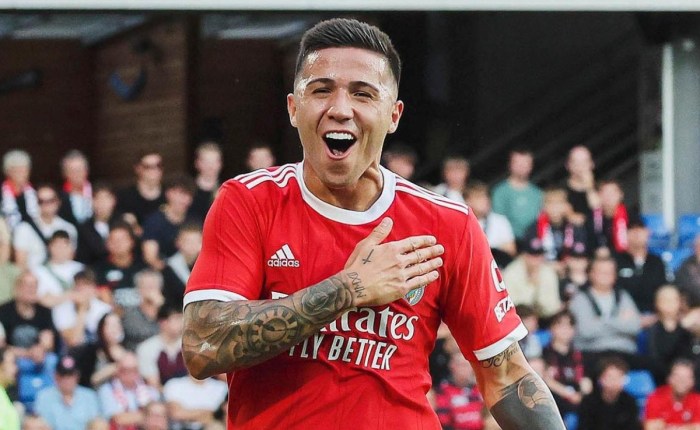
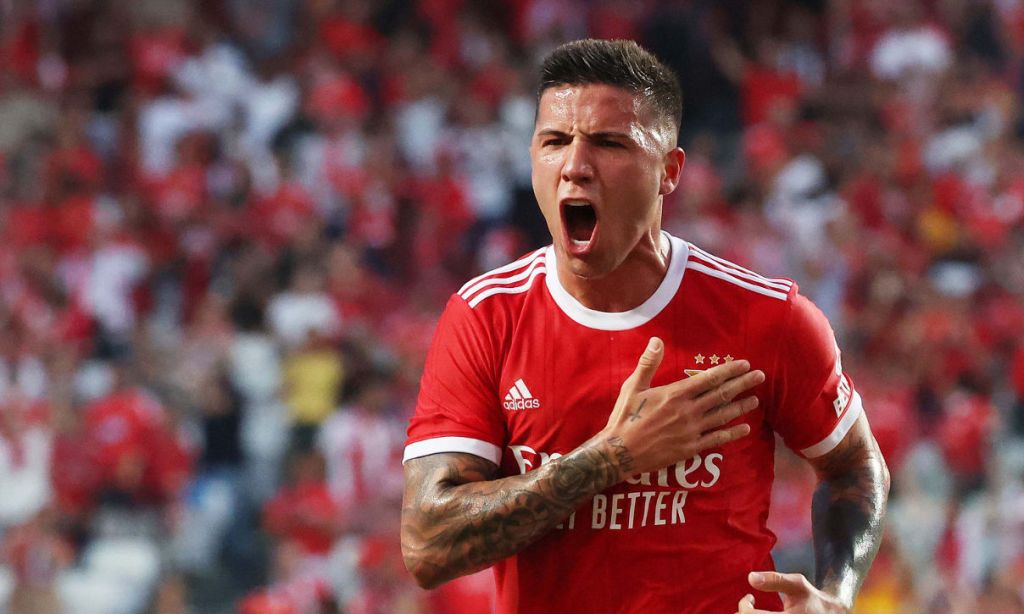
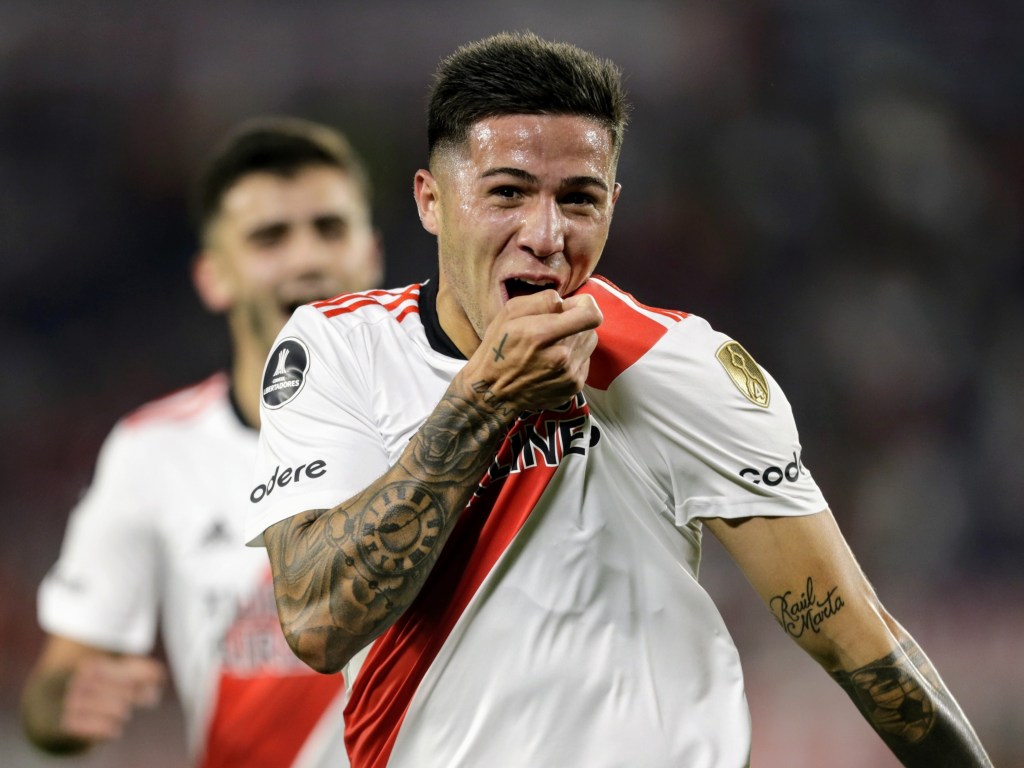
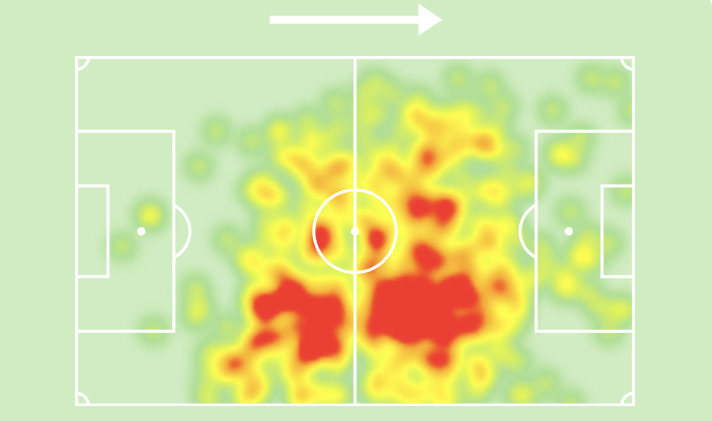
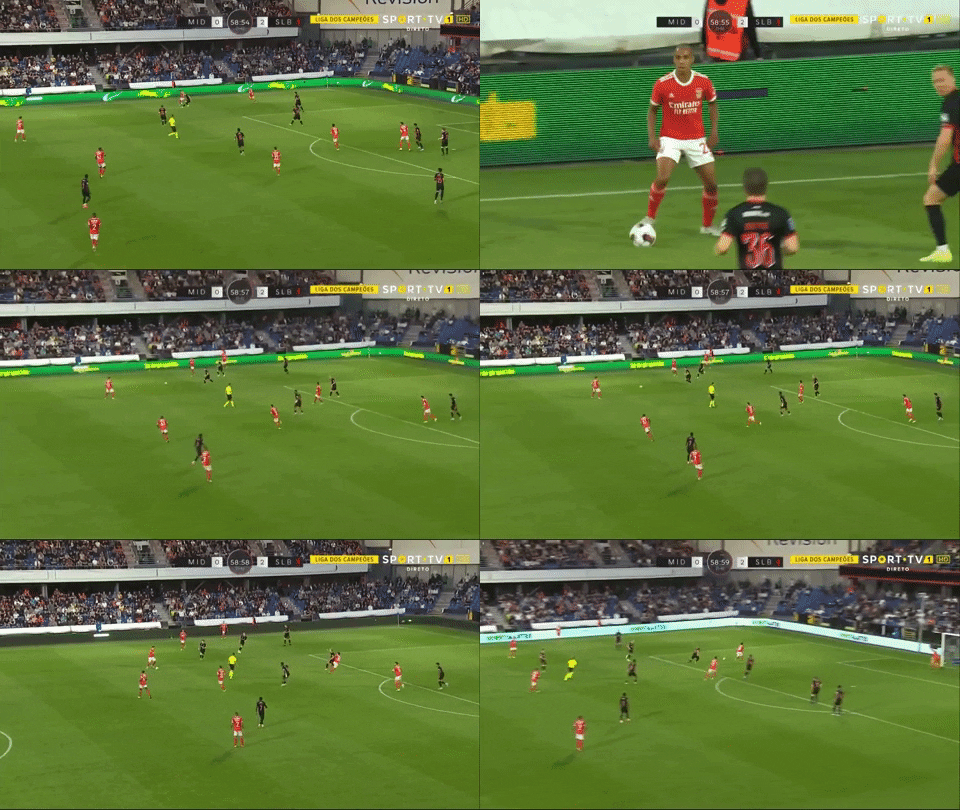

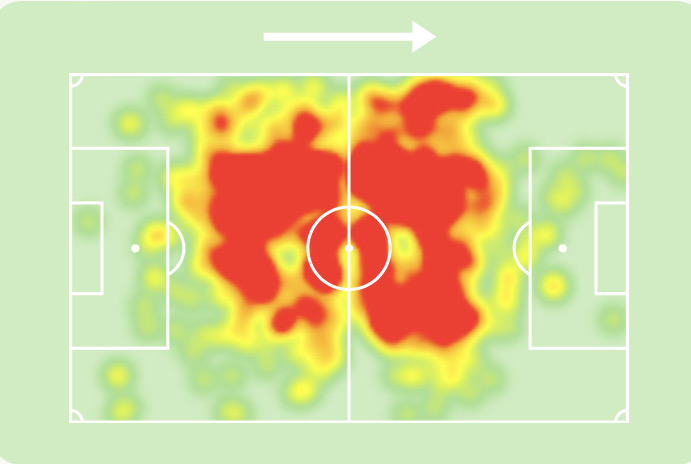
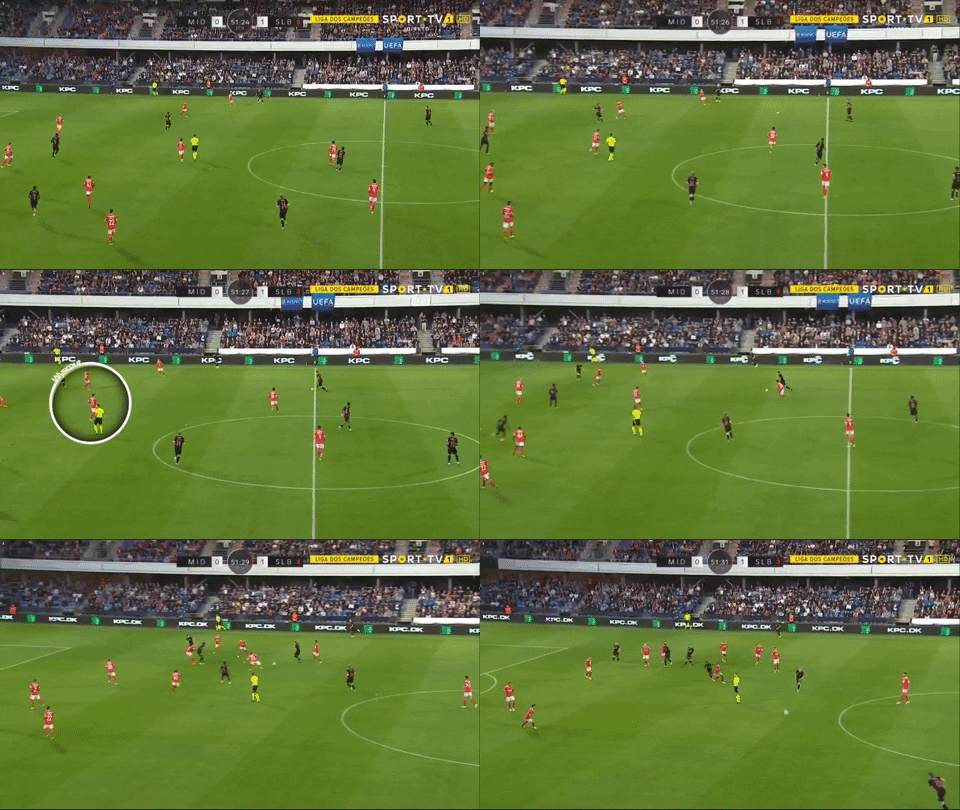
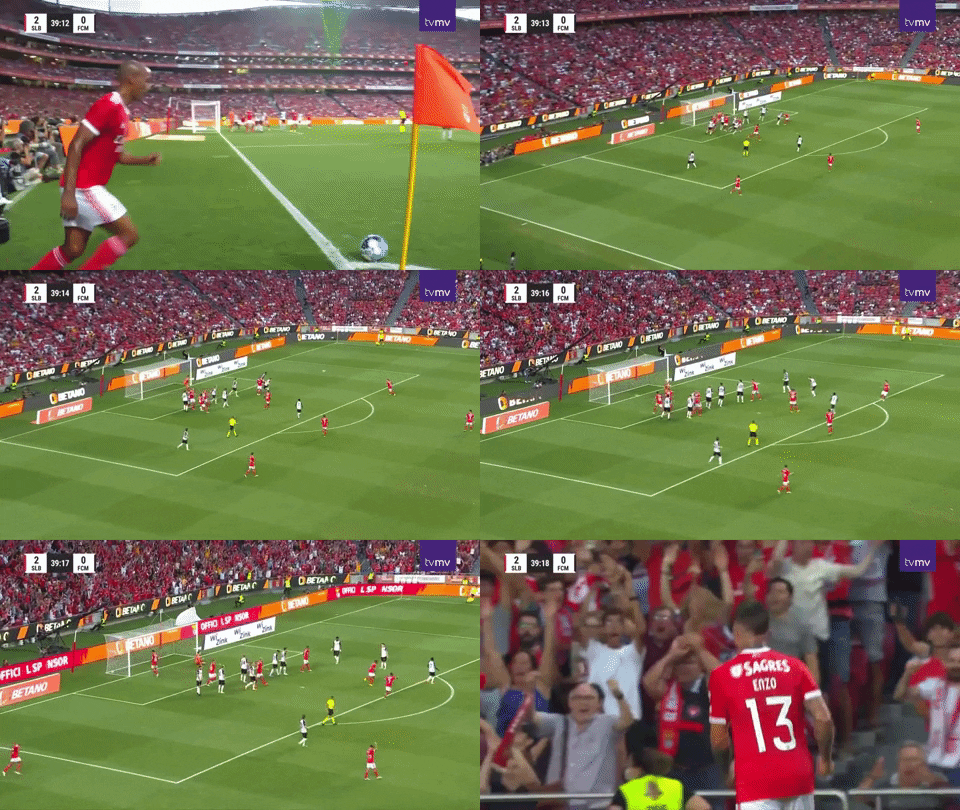

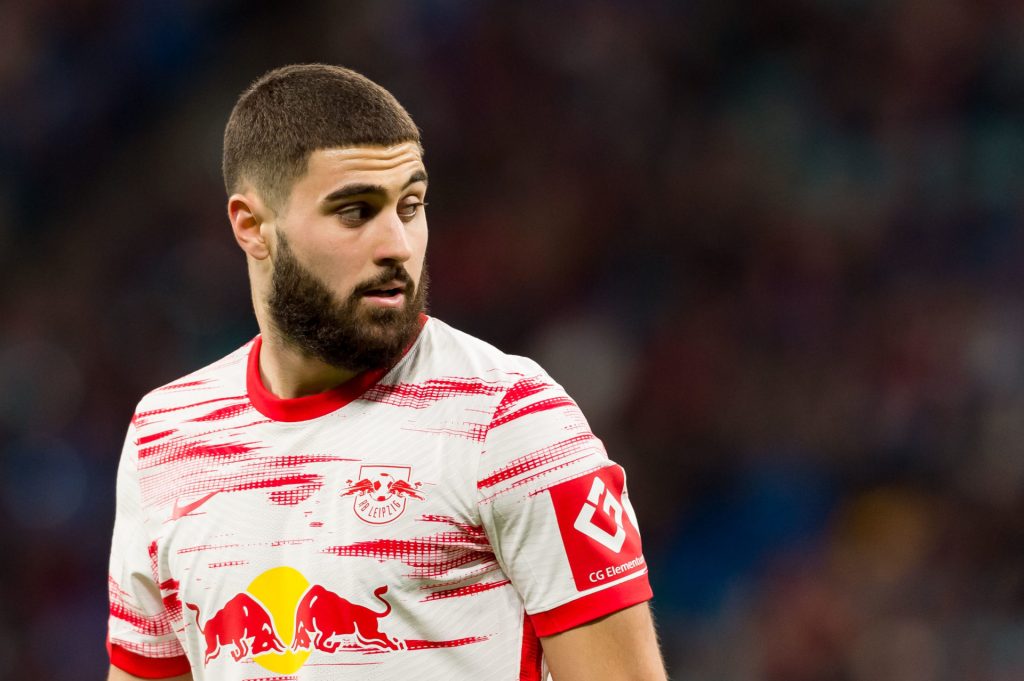
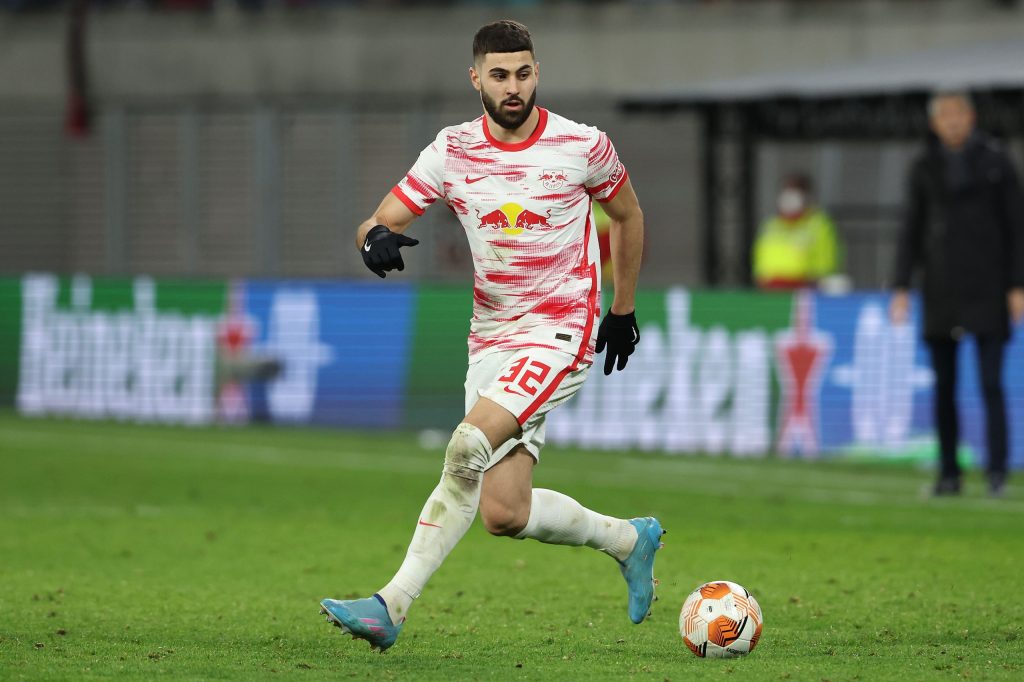
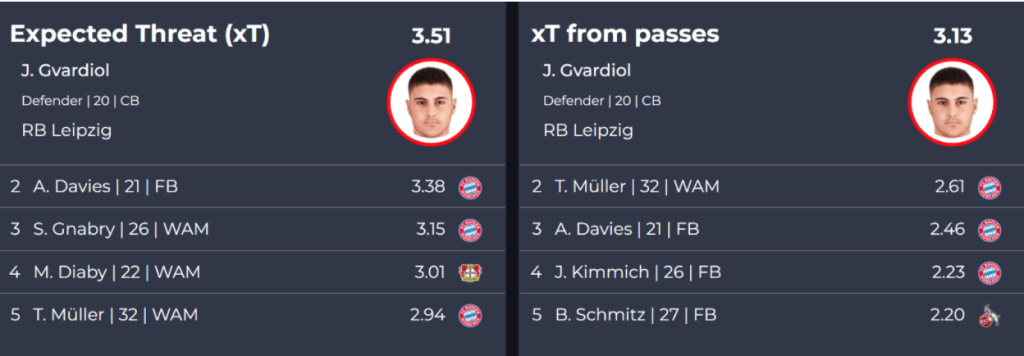
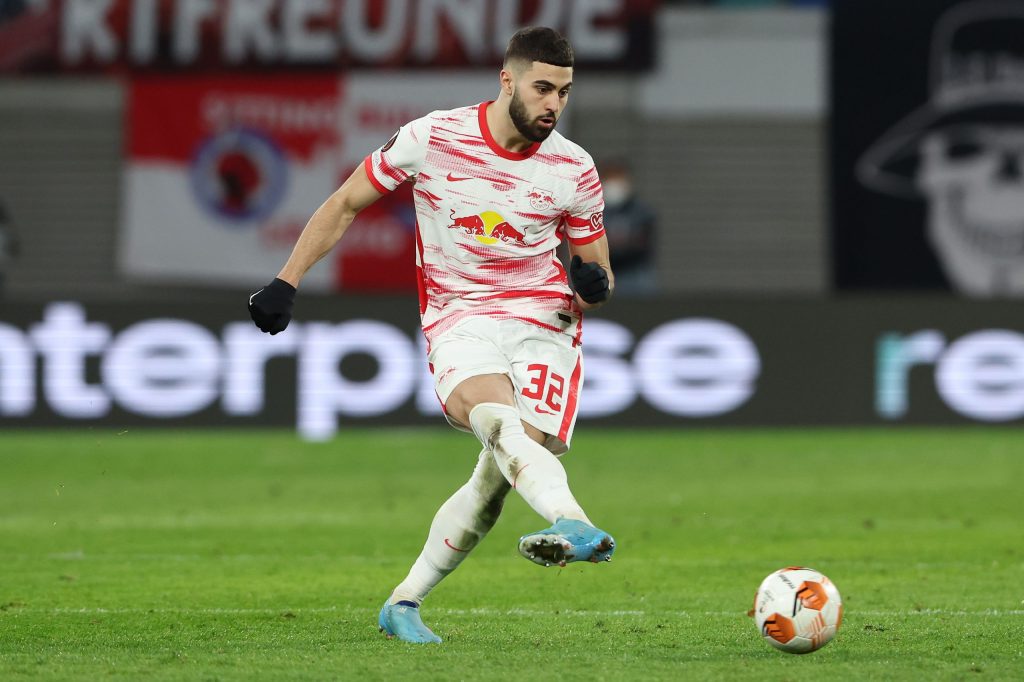
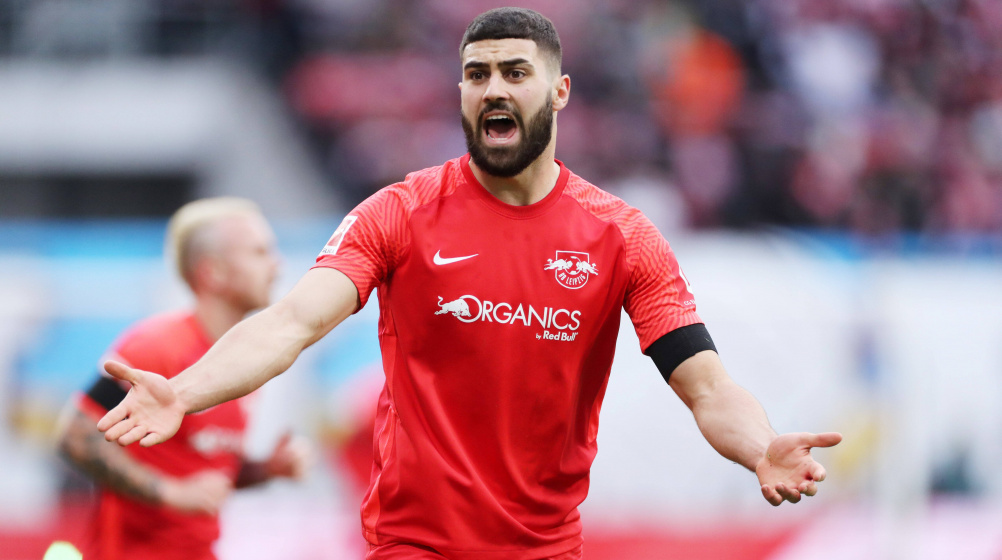
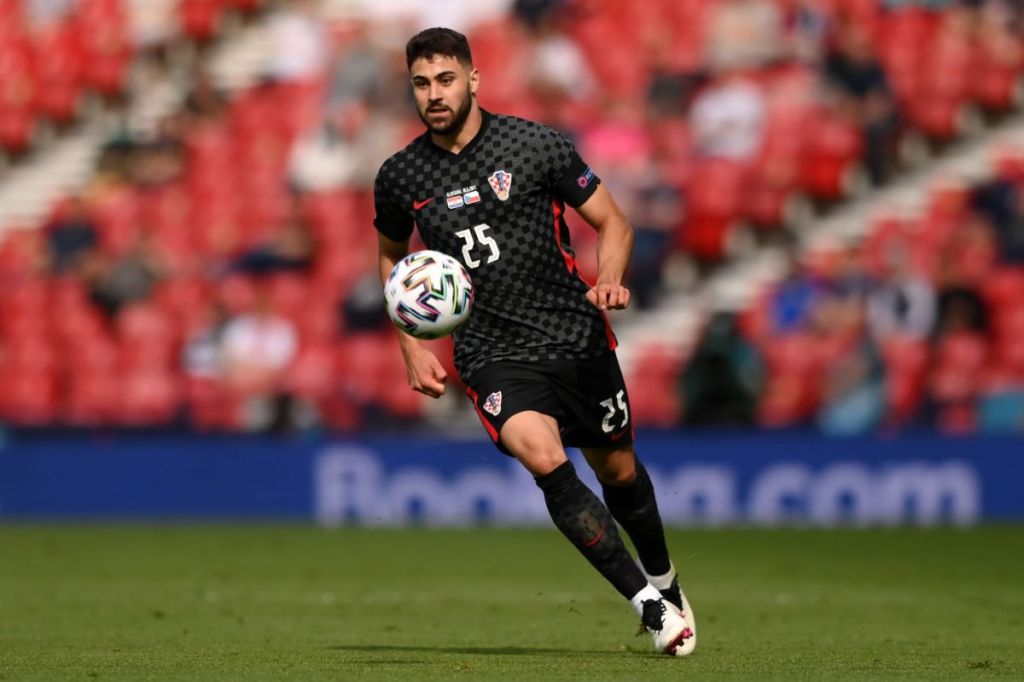
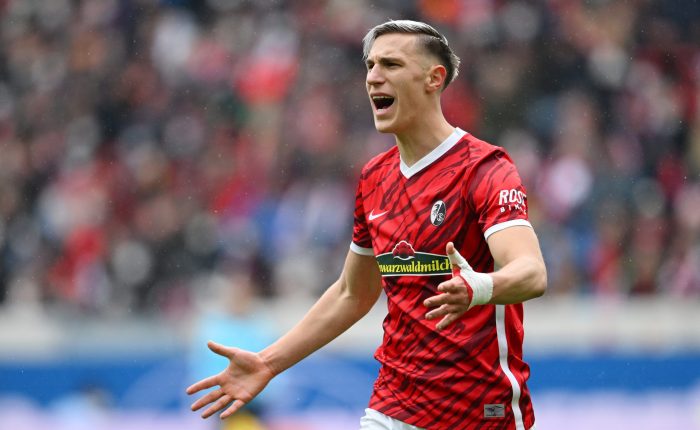
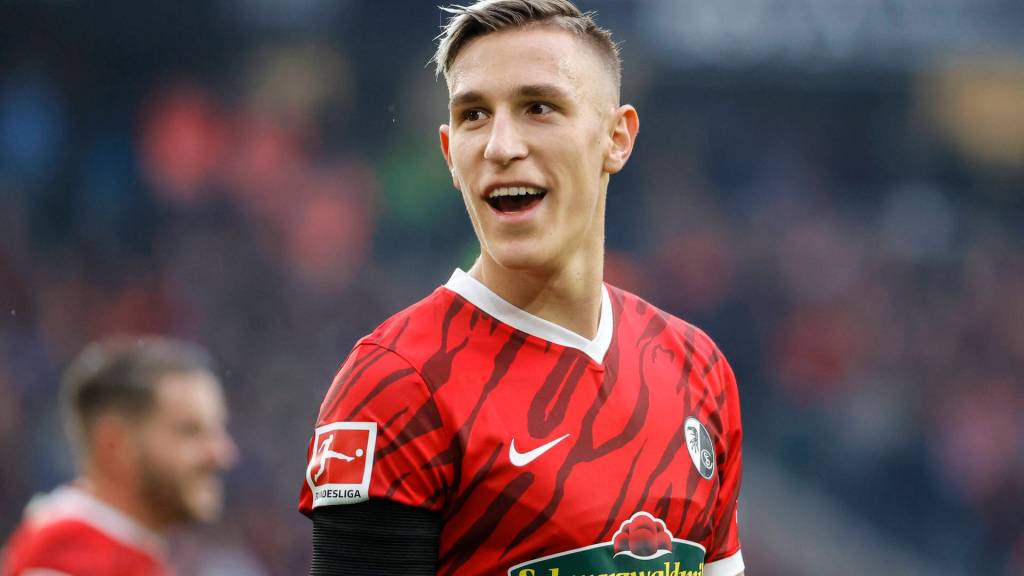
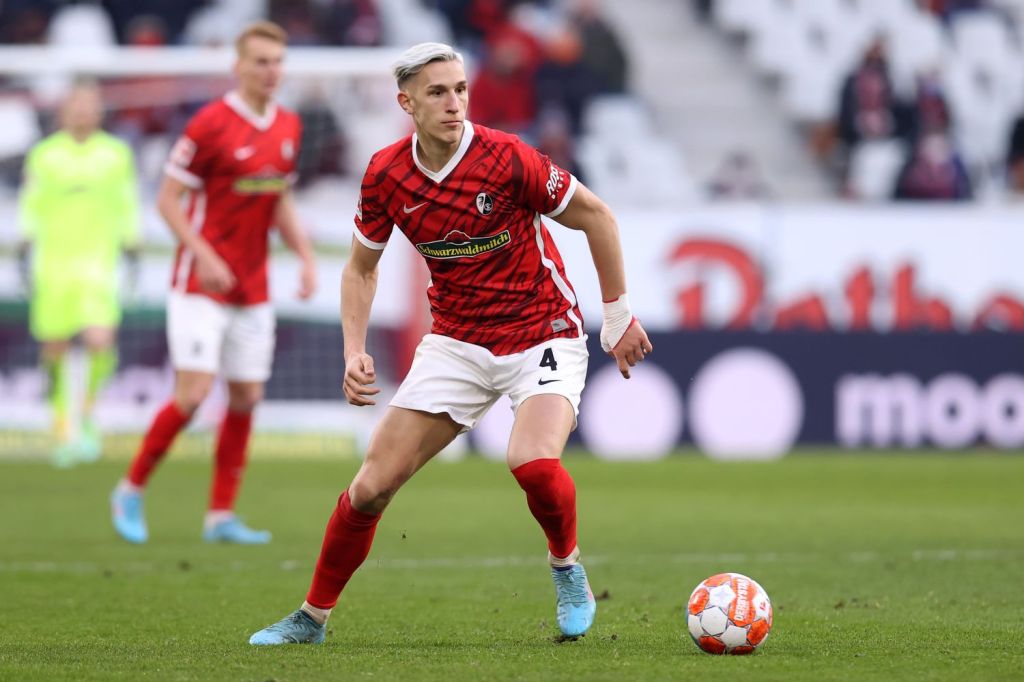



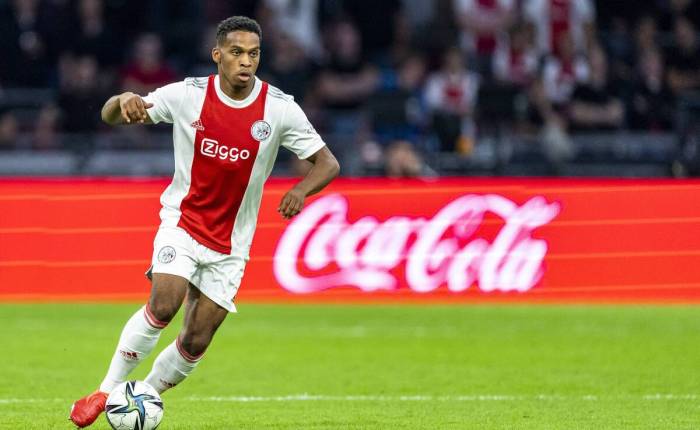


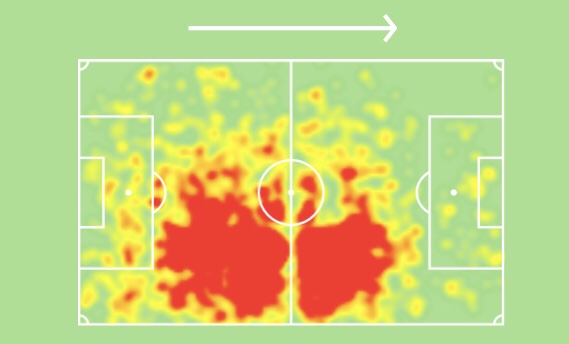
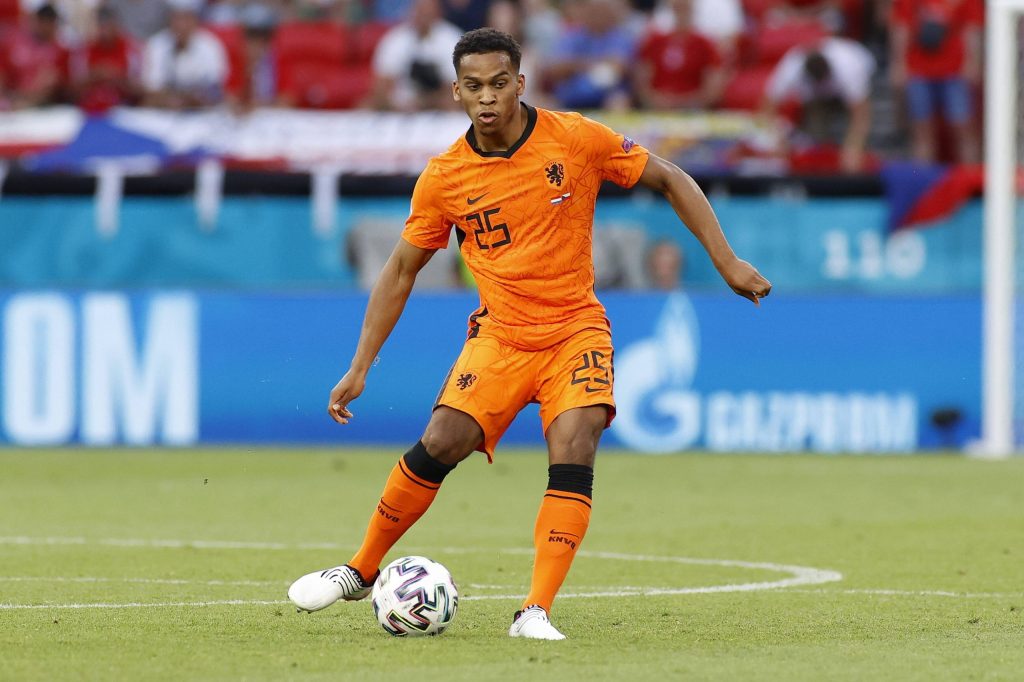
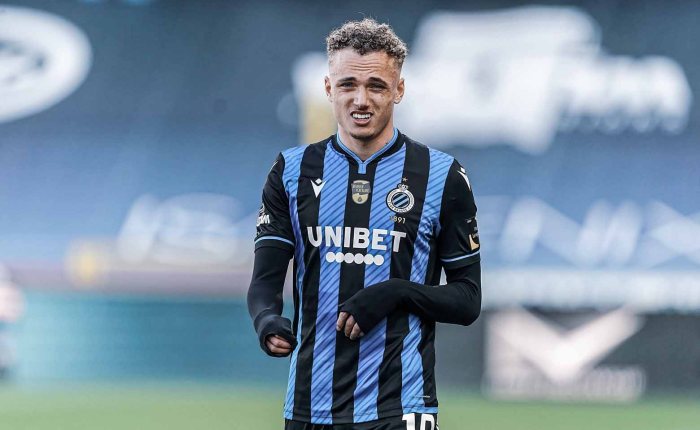
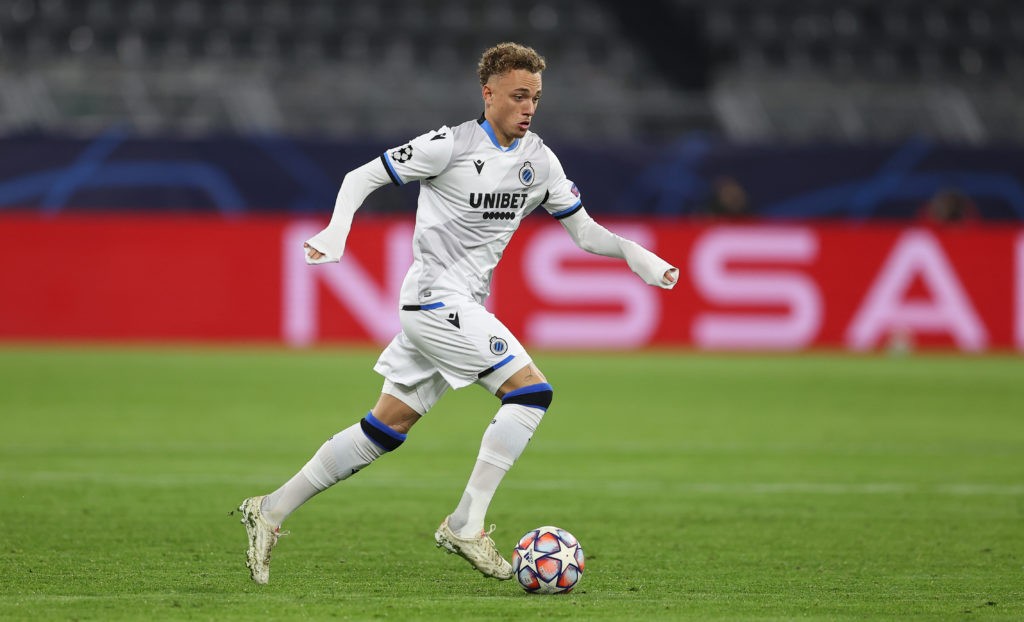
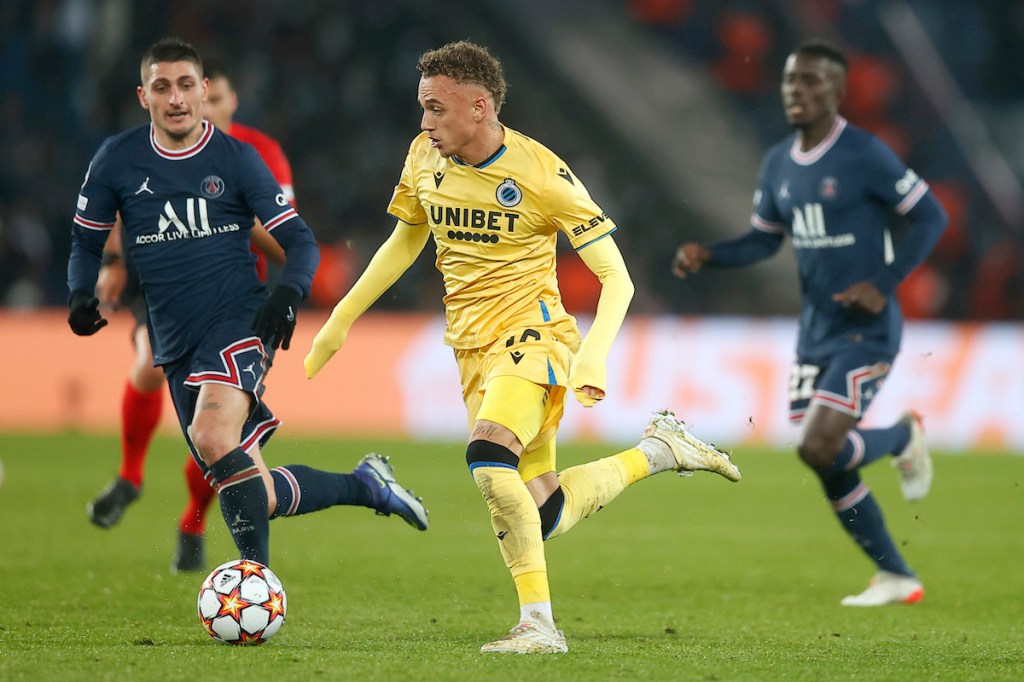
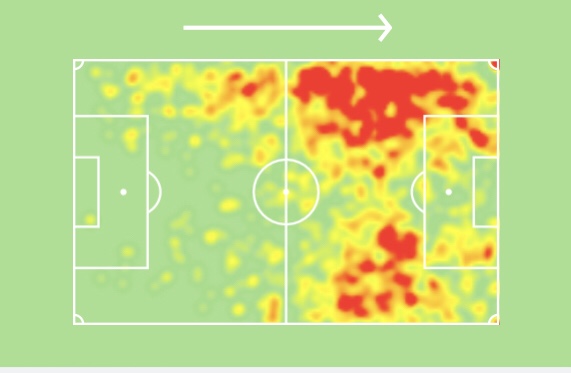
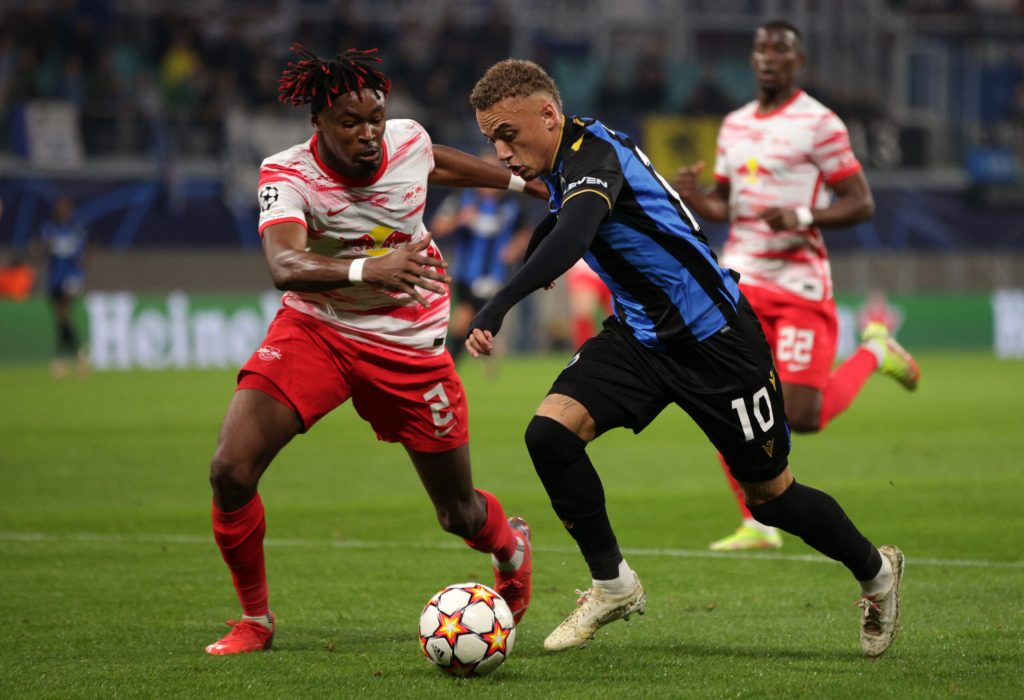


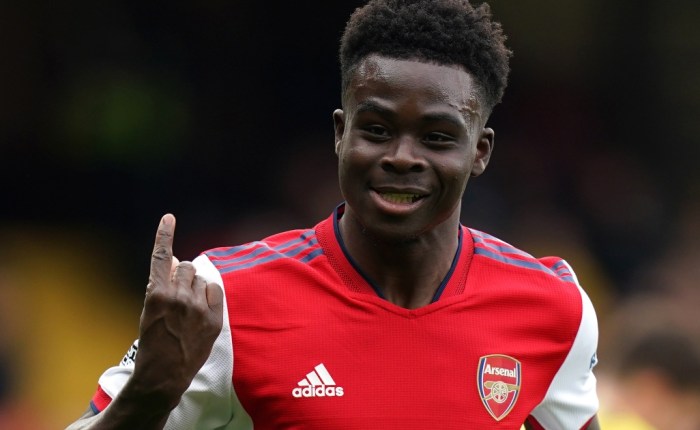
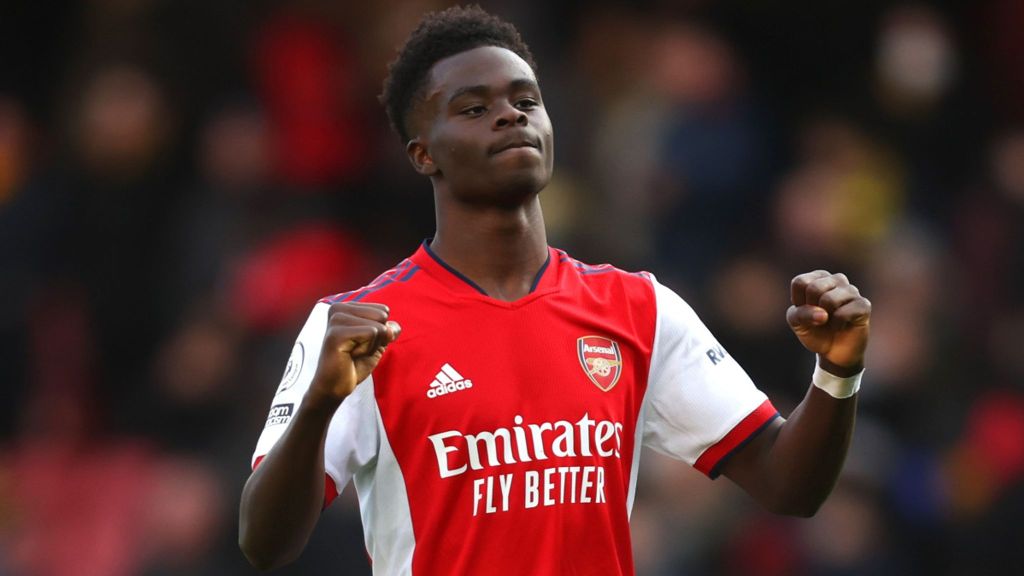

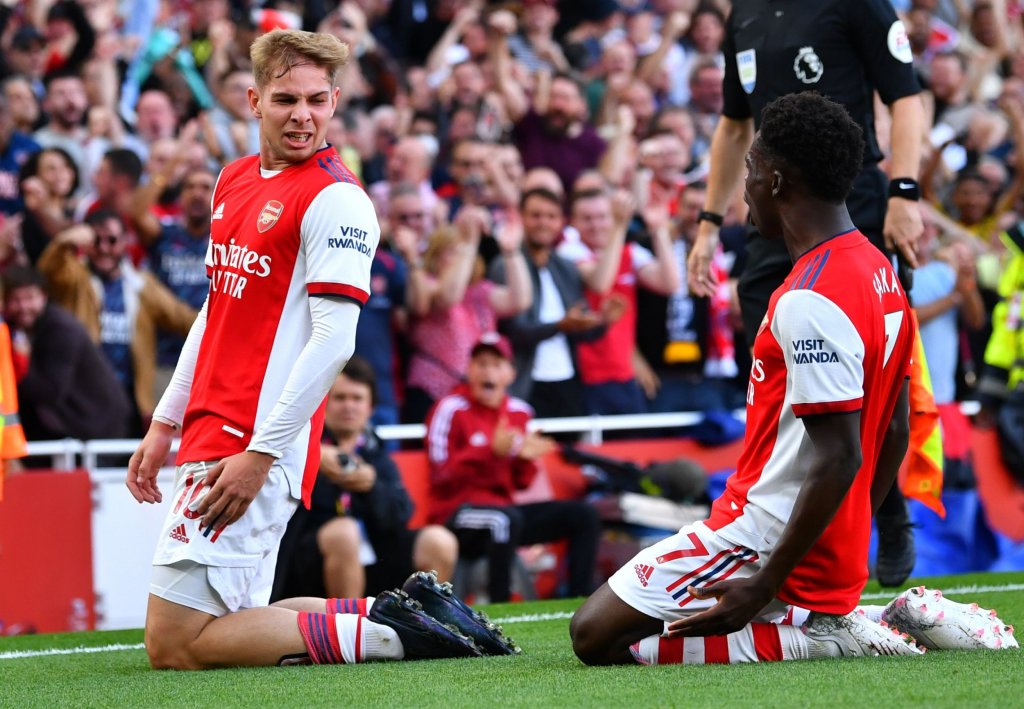
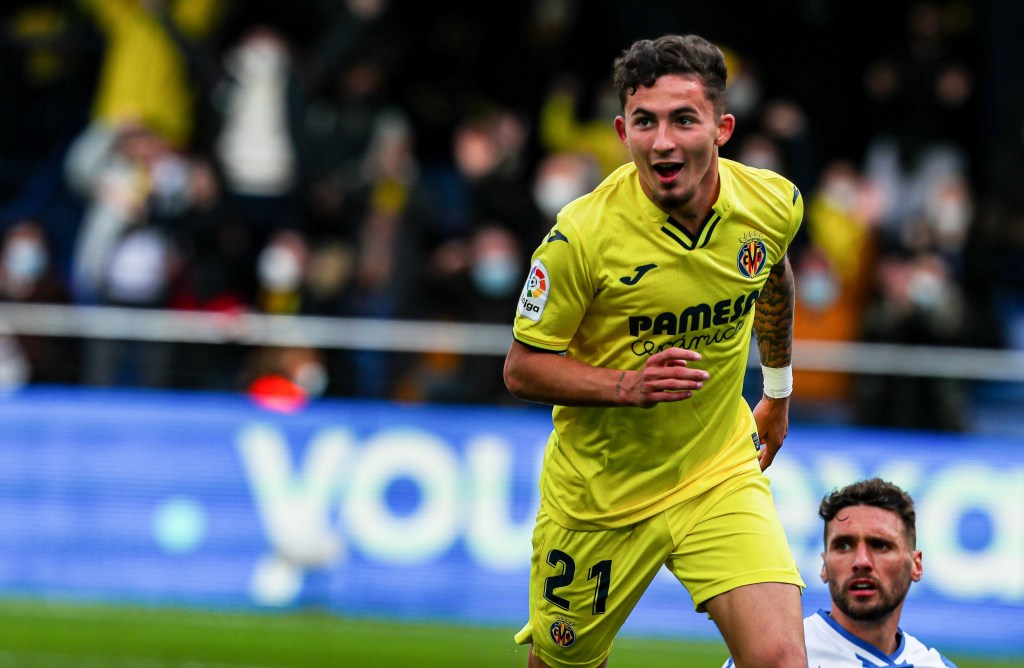
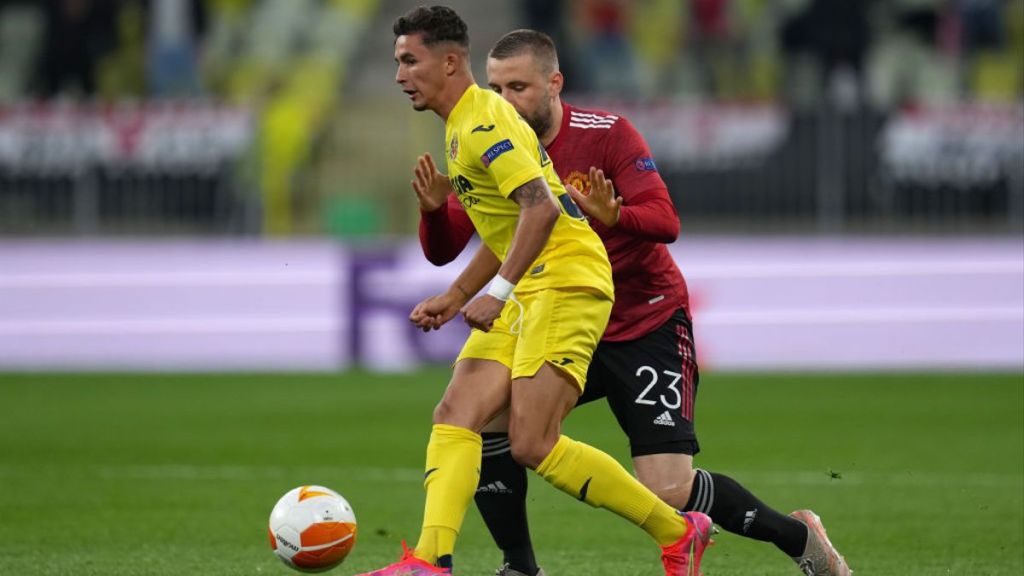
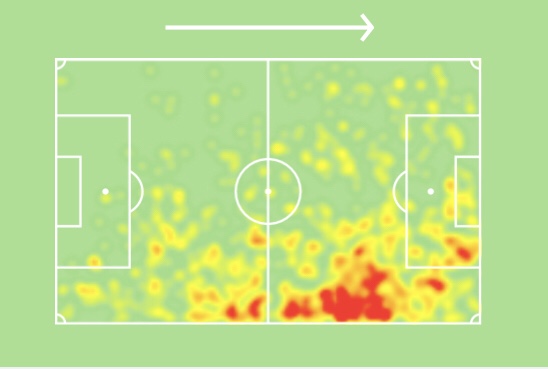
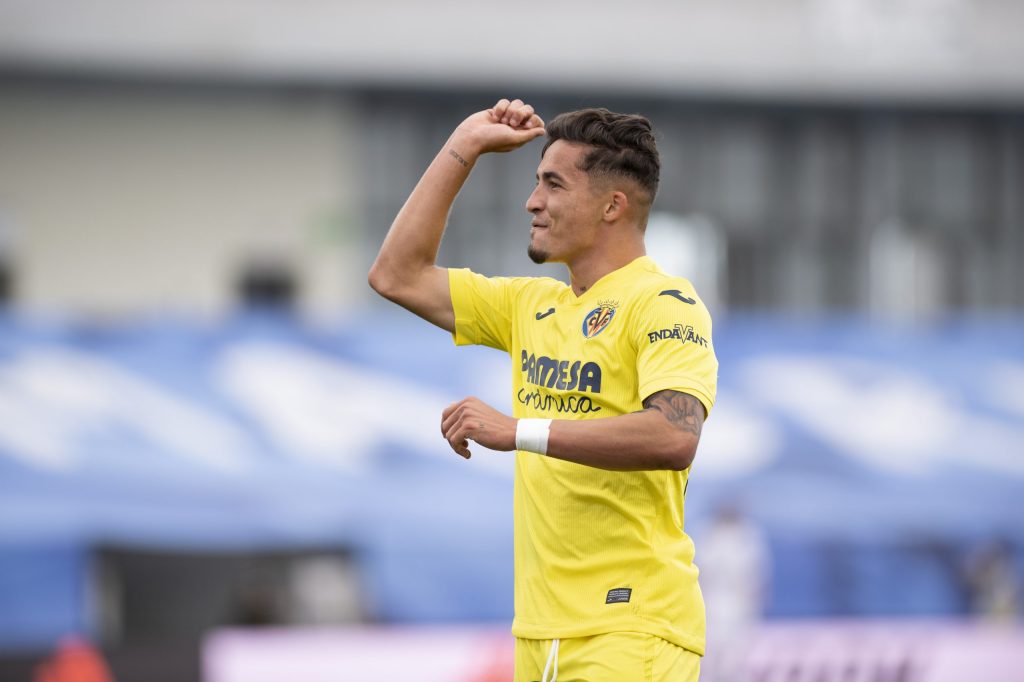
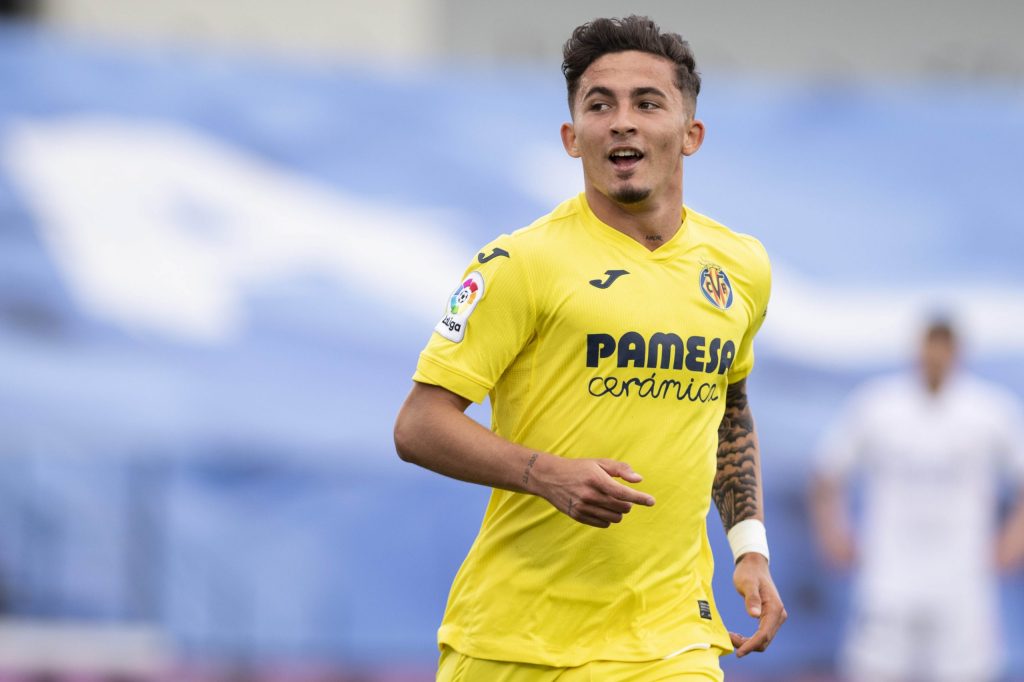


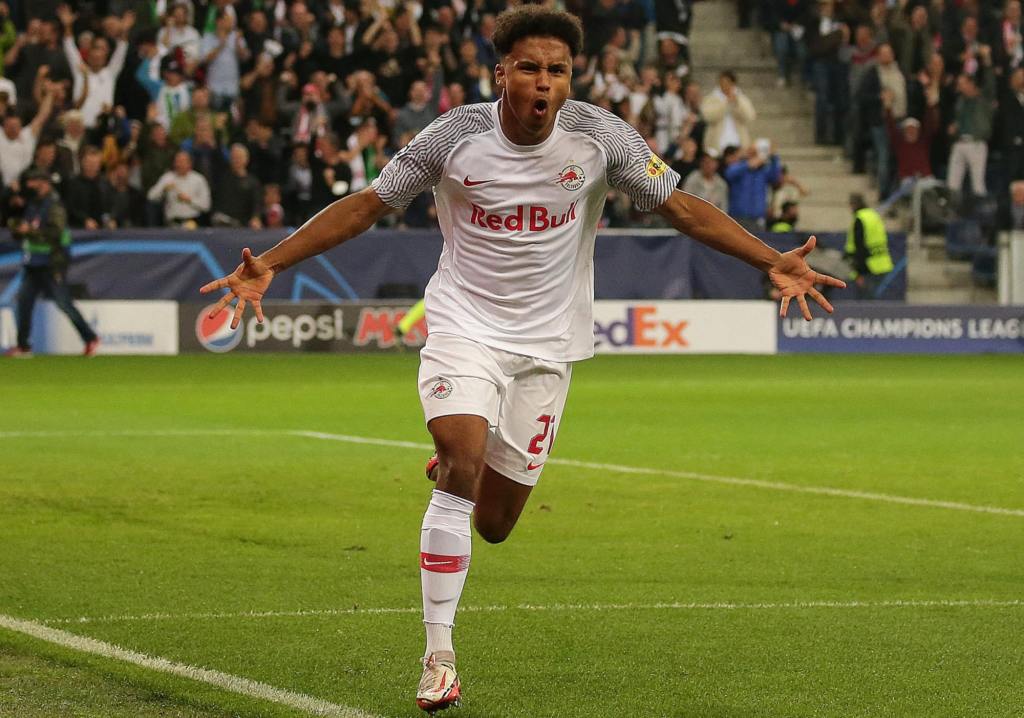

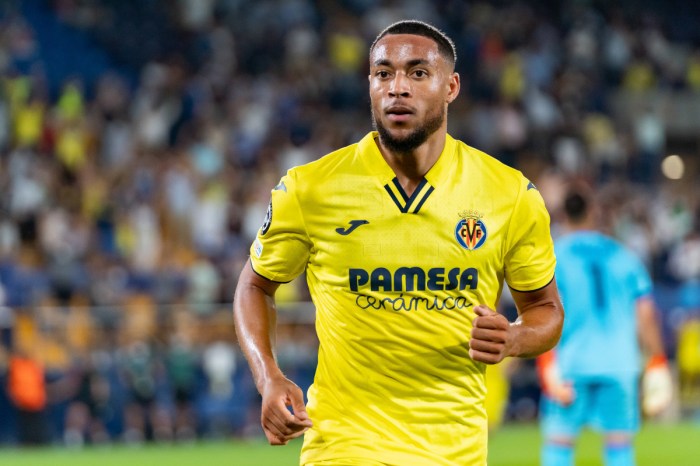
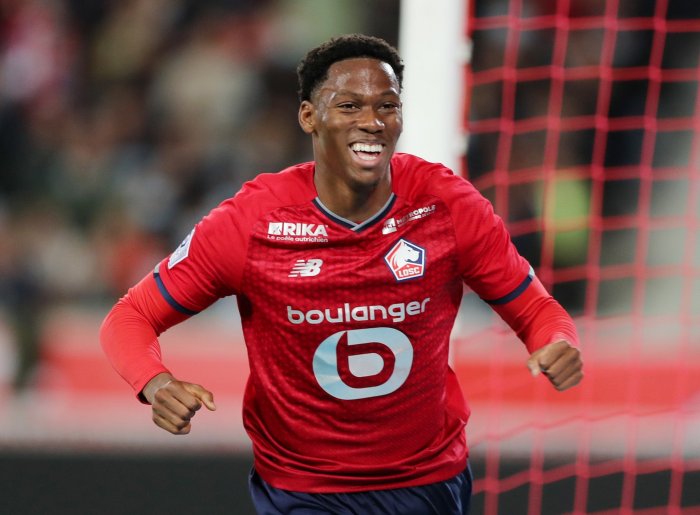
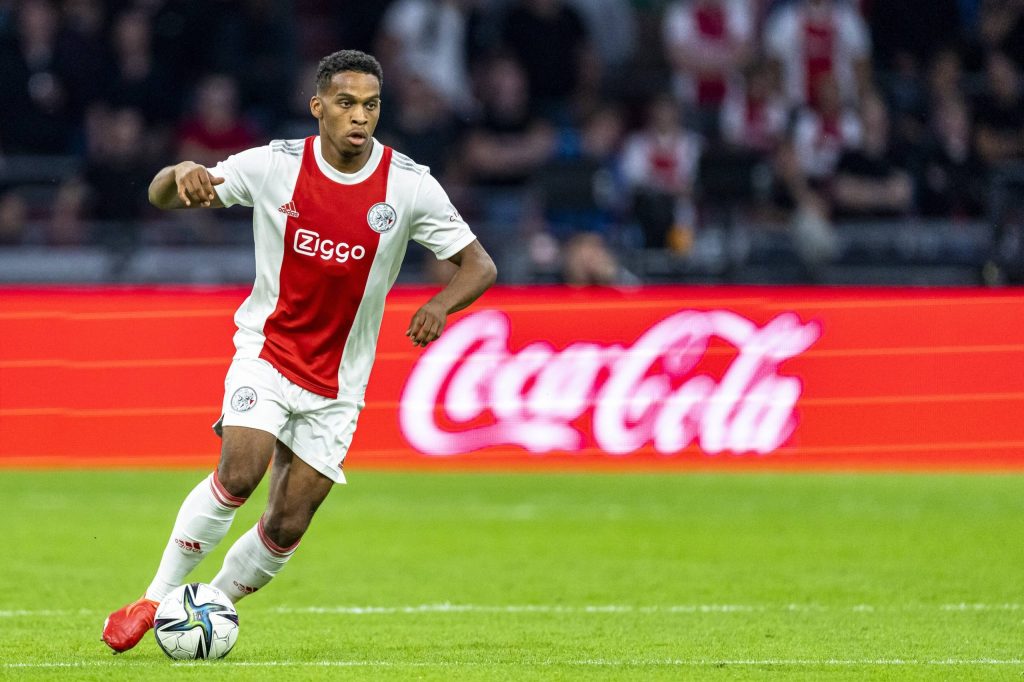
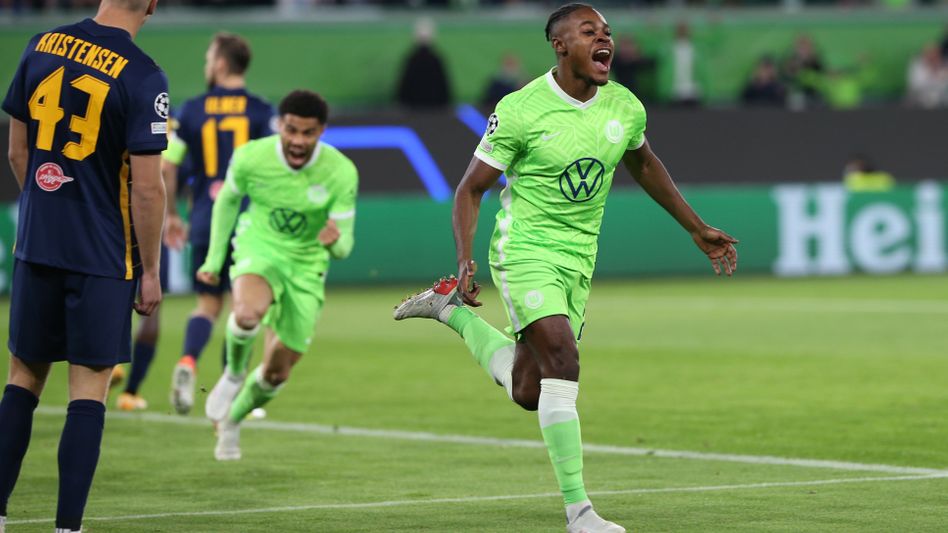
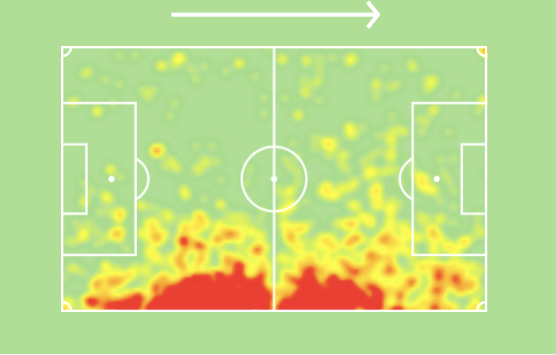
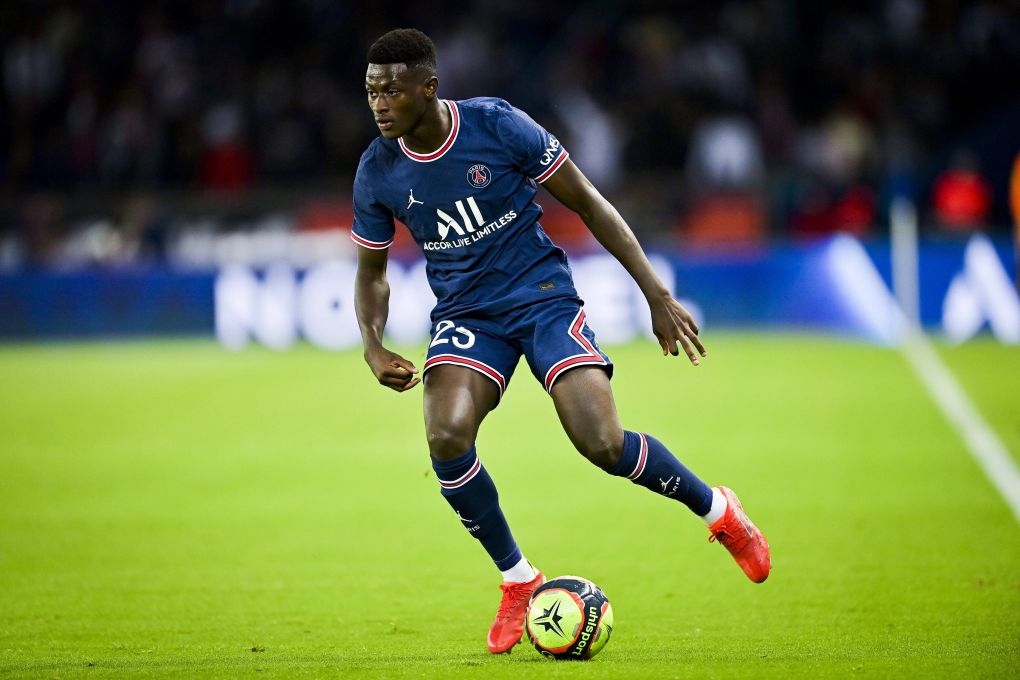

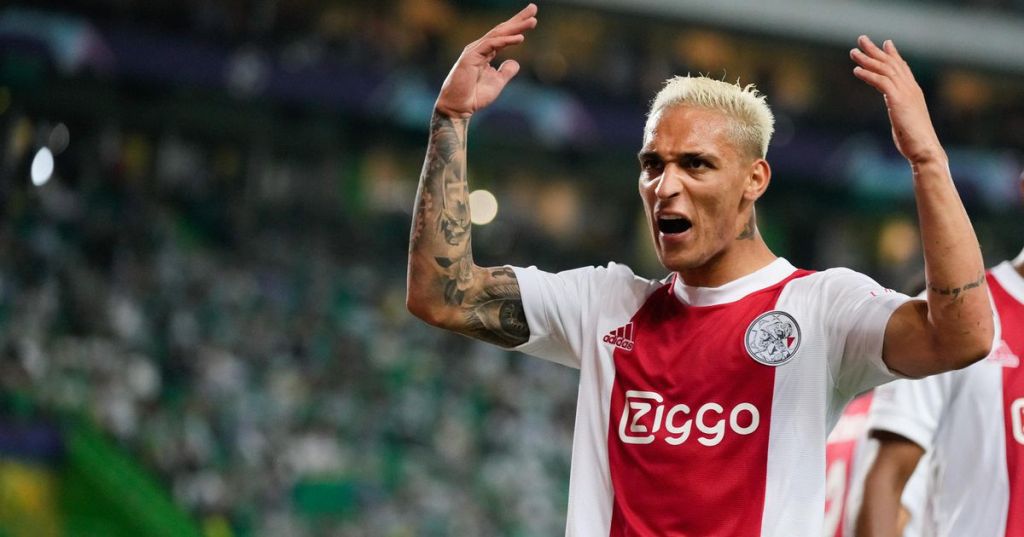
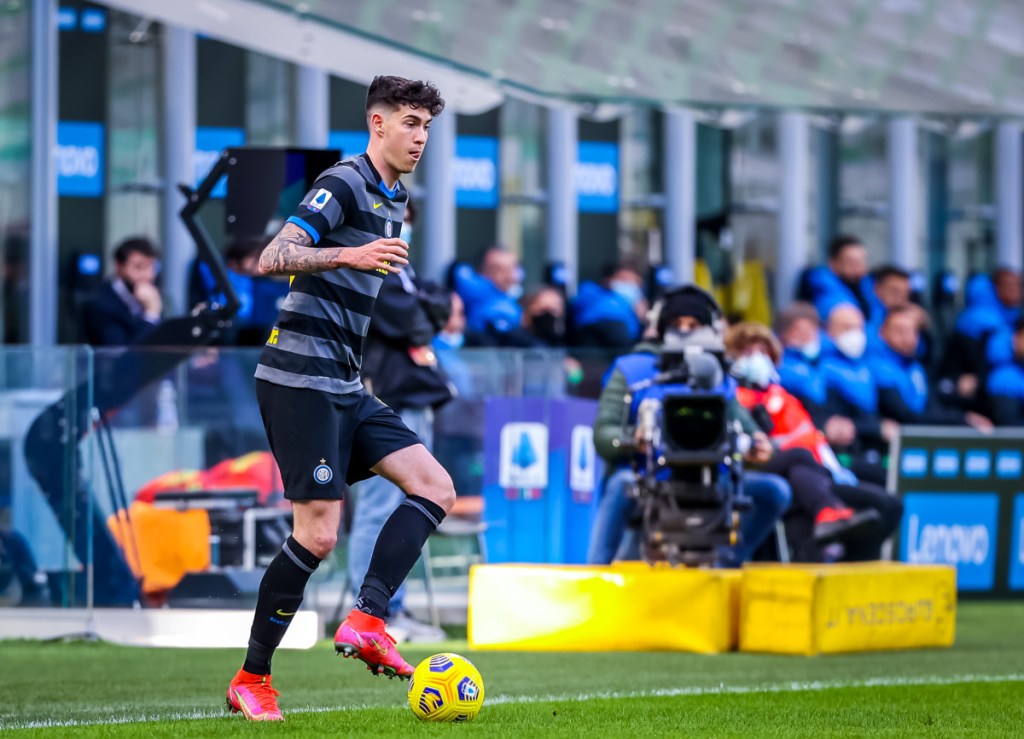
 anthonyscouts.co.uk