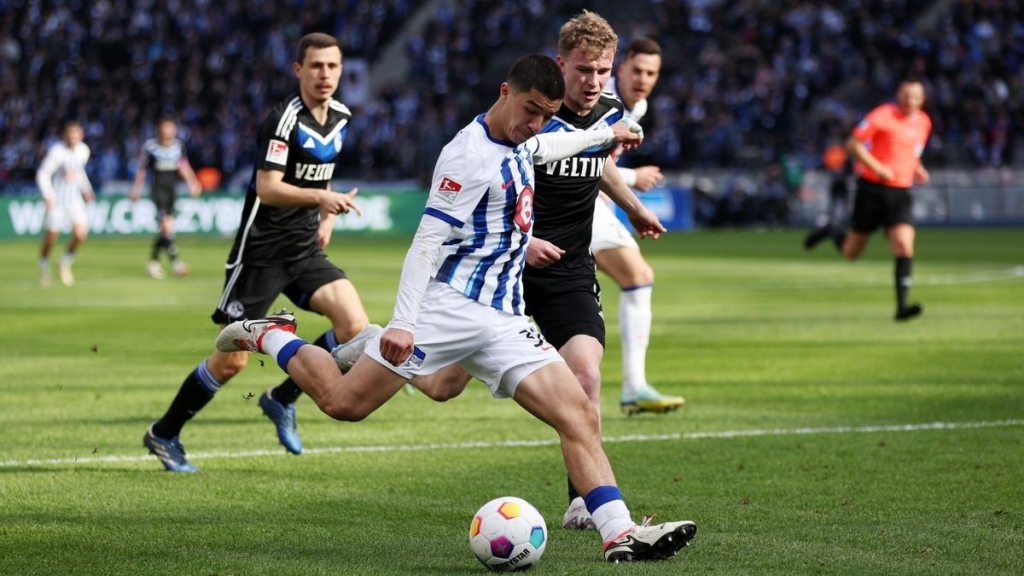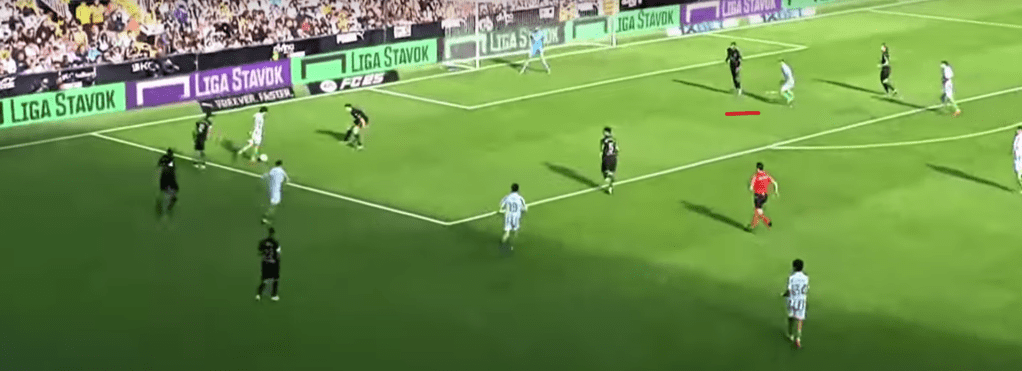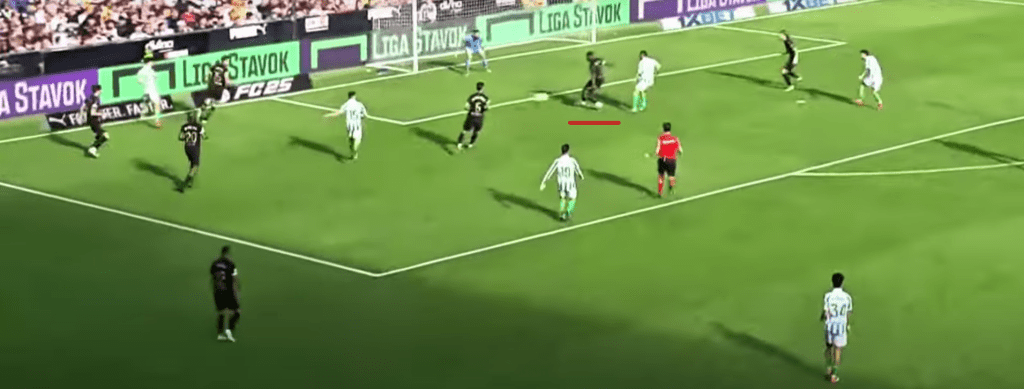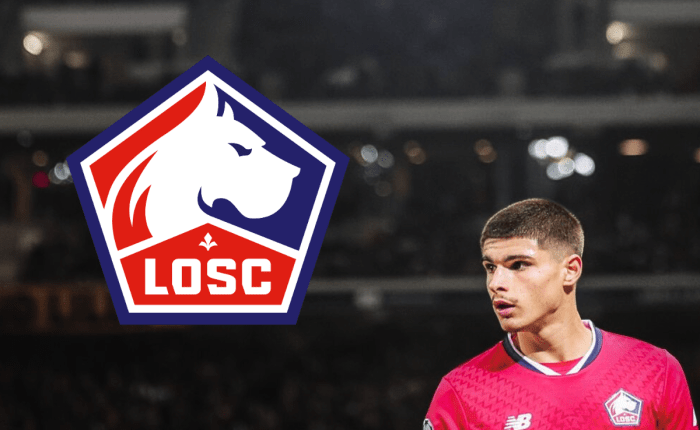
Meet Matias Fernandez-Pardo: Yet Another Breakout Star From LOSC Lille’s Decorated Talent Factory

Meet Matias Fernandez-Pardo: Yet Another Breakout Star From LOSC Lille’s Decorated Talent Factory

French football is renowned for developing some of the world’s best players, at a level of both quantity and quality that few other nations can match. The club arguably most famed in the country for producing top-level talent who then go on to become superstars elsewhere is LOSC Lille.

In fact, the real secret behind Lille’s success in the transfer market lies in their ability to scout young players from elsewhere, develop them in Ligue 1, then sell them to richer clubs in England and Spain.

Of the club’s top 10 biggest sales, Leny Yoro, who joined Manchester United for £60m in the summer of 2024, Lucas Chevalier, who joined Paris Saint-Germain for just under £50m last summer and former Chelsea star Eden Hazard stand alone as the only players to have come through the club’s youth academy.
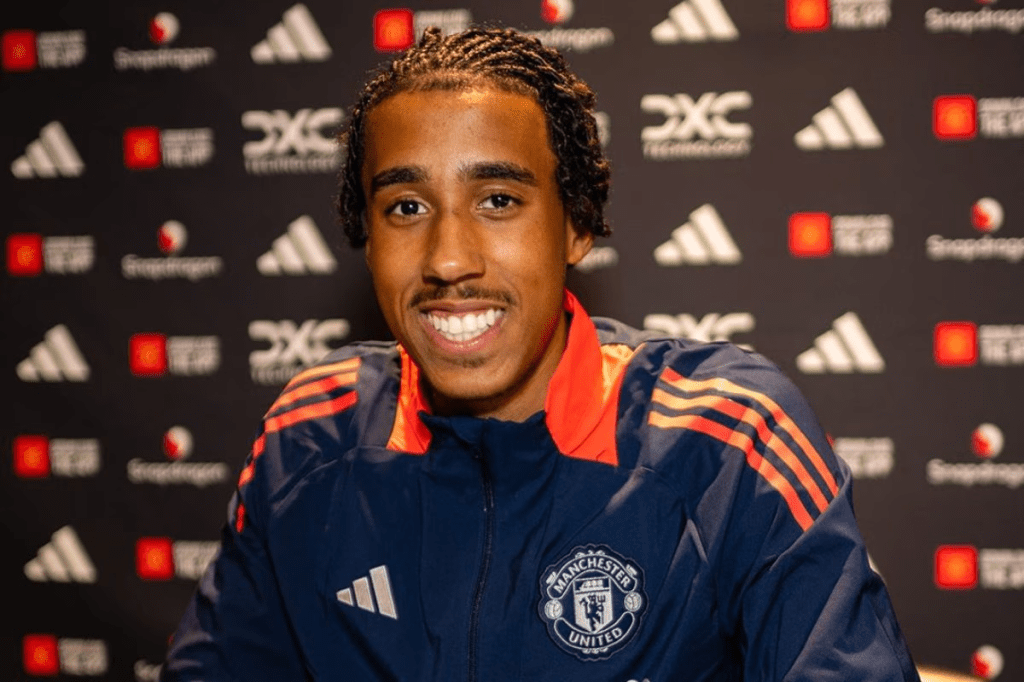
Leny Yoro’s £54m move to Manchester United in summer 2024 stands out as Lille’s biggest homegrown sale.

Whereas players like Nicolas Pépé (signed for €18m, sold for €80m), Victor Osimhen (signed for €22.4m, sold for €77.5m) and Rafael Leão (signed for €20.2m, sold for 49.5m) were all scouted from neighbouring countries and developed in France before moving on to forge their own lofty paths elsewhere.

The impressive list of players that LOSC Lille has successfully nurtured, developed, and sold for profit doesn’t end there; in fact, it is extensive. Among the most notable names are Gabriel Magalhães, Sven Botman, Amadou Onana, Carlos Baleba, Bafode Diakite, and even Yves Bissouma, if you recall.
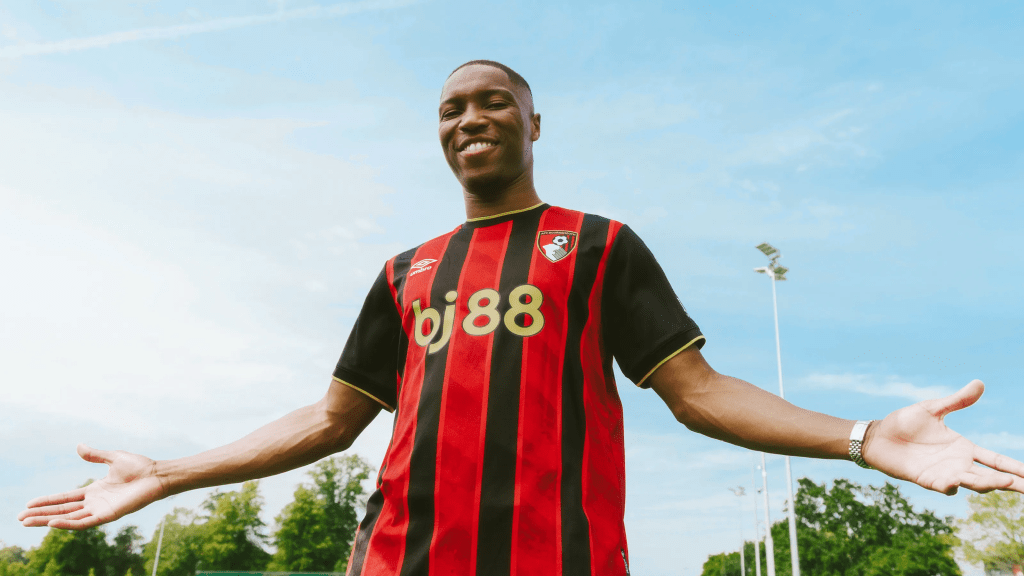
Bafode Diakite joined AFC Bournemouth from Lille for £34.6m in August and is already emerging as one of the signings of the summer in the Premier League.

Looking ahead, even more exceptional talents will emerge and move on to greater opportunities in the coming months. It’s reminiscent of a game of whack-a-mole; as soon as one star player is lifted from the club, another eager talent rises to take their place, showcasing the relentless talent pipeline at the Stade Pierre Mauroy.

Just a few names to watch out for at the club currently: Ayyoub Bouaddi, Hákon Arnar Haraldsson and Kylian Mbappe’s brother, Ethan Mbappe, are all sharing the limelight as Lille, under the tutelage of Bruno Génésio, looks to once again take Ligue 1 by storm.

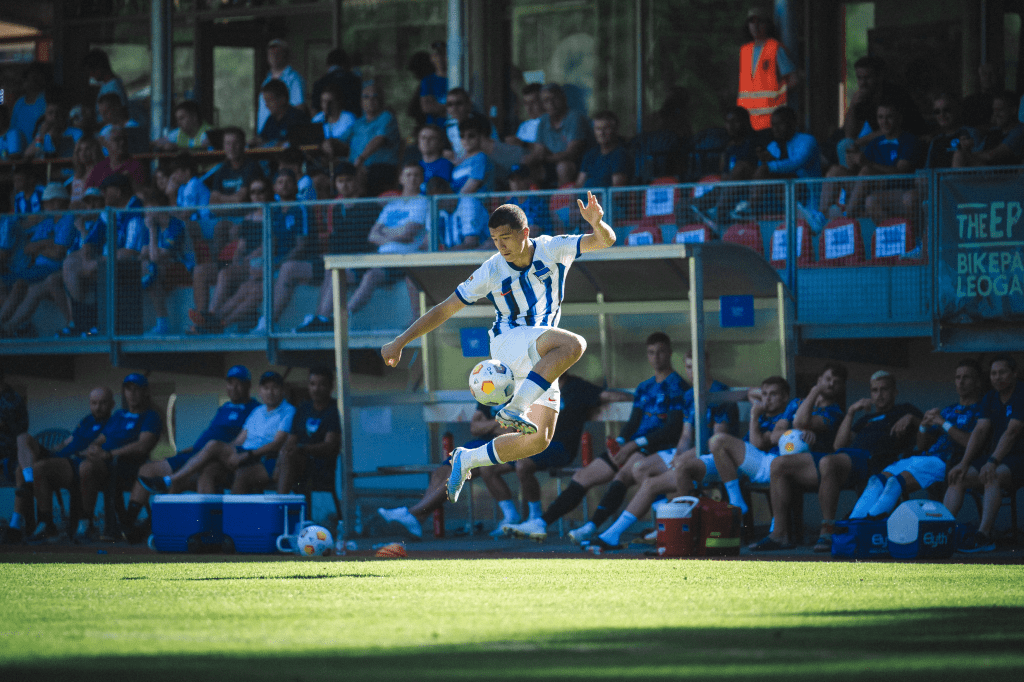
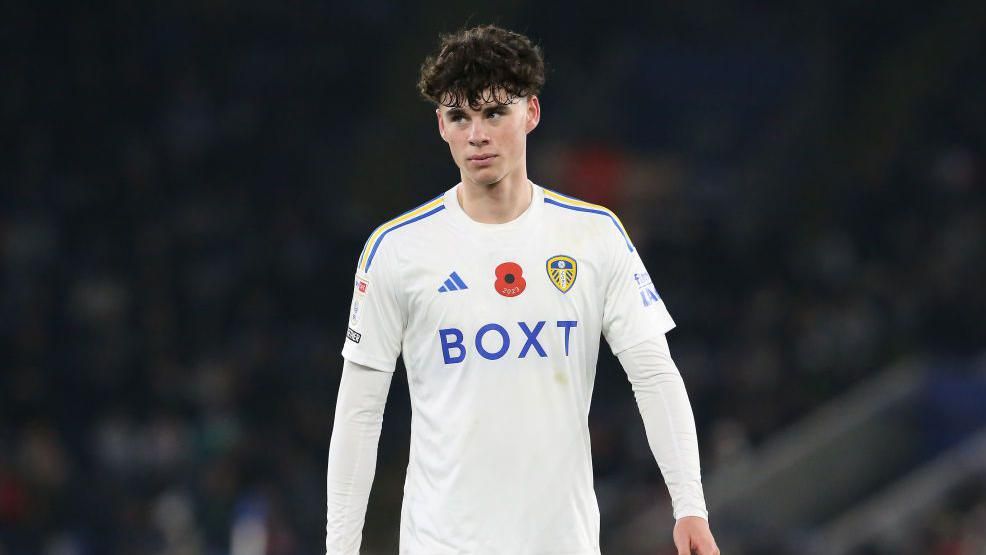
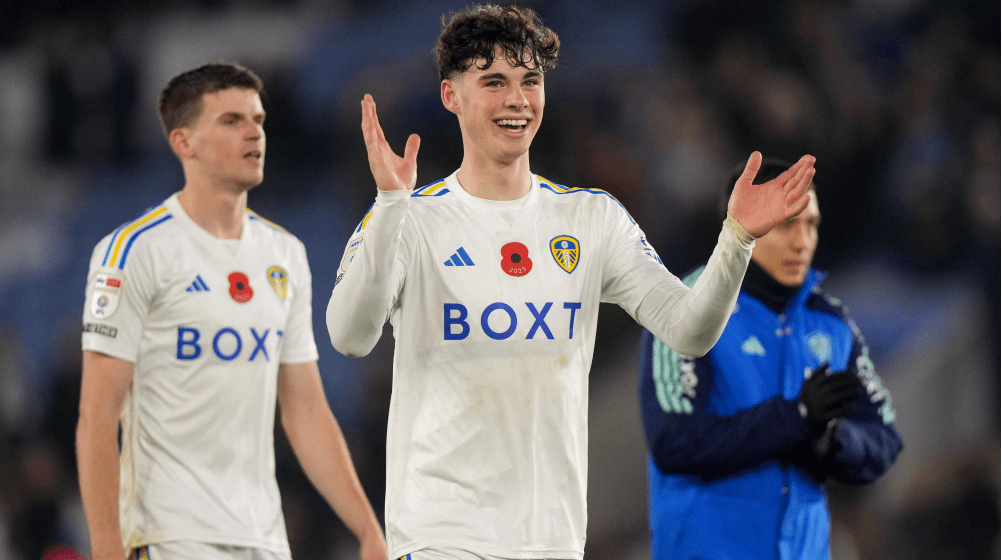
Another exceptional young talent who is currently proving central to those plans and has already garnered glowing admiration from some of Europe’s elite… step forward, young winger Matias Fernandez-Pardo.
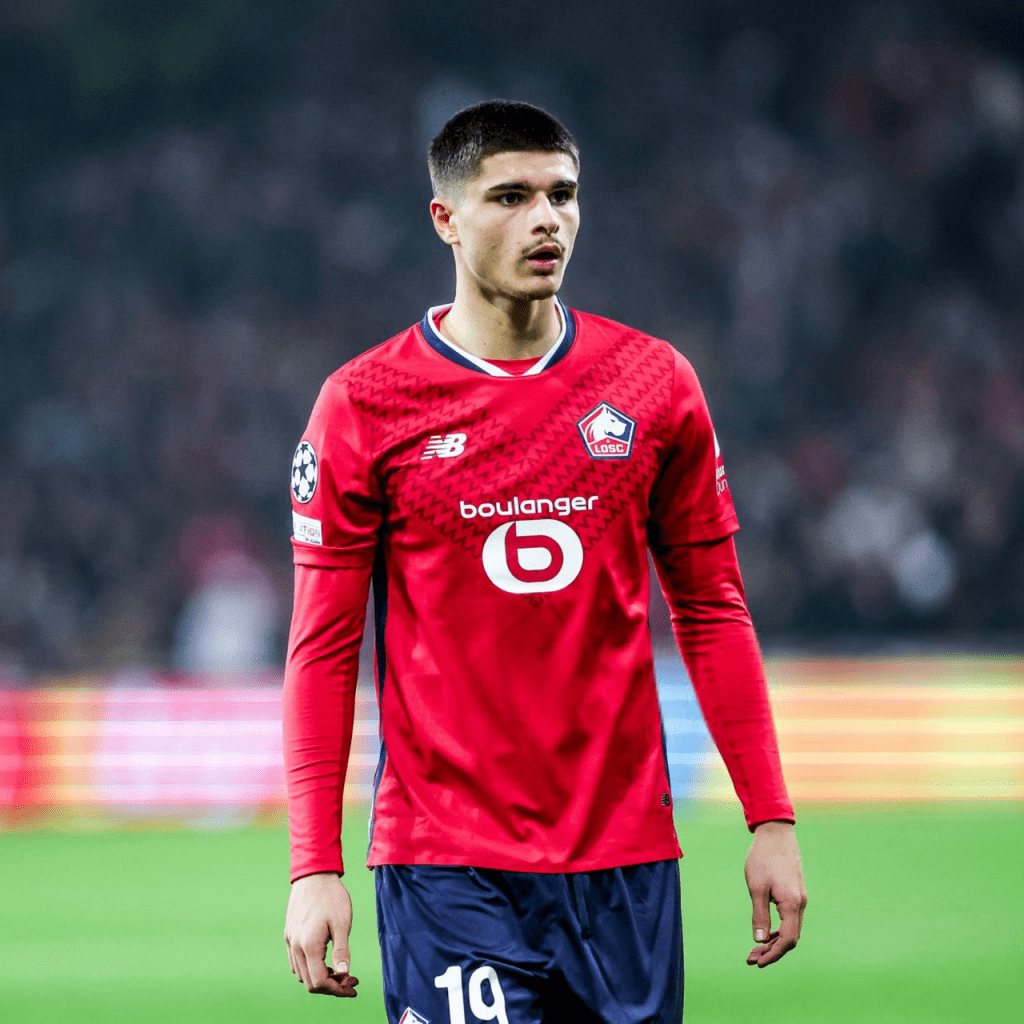
Matias Fernandez has experienced a remarkable, swift ascent to stardom in French football since rejoining Les Dogues from Belgian club Gent.

The now Spanish under-21 international is a product of both the Anderlecht and Lille academies. He left the French club to return to his native Belgium in 2020, but returned to France four years later after impressively making the grade at Gent.

It’s taken over a year for the 20-year-old to establish himself as one of Ligue 1’s hottest young attacking prospects, and his stunning trajectory attracted glaring eyes from La Liga giants Atletico Madrid over the summer, who initiated contact for his signature, as per Sky Sports Germany reporter Florian Plettenberg.
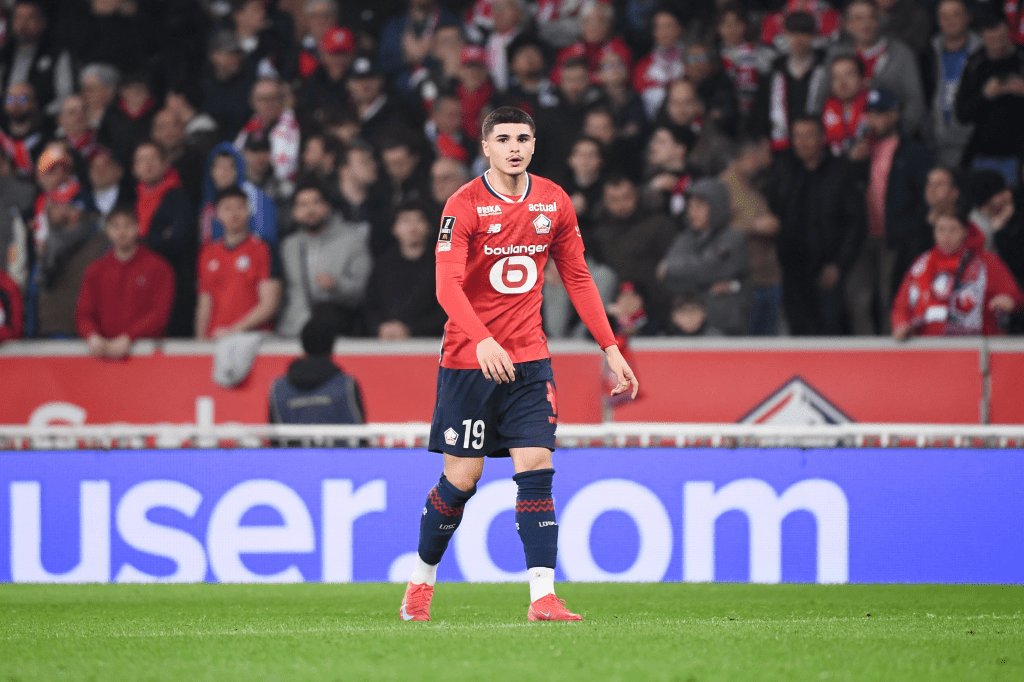
However, no move materialised, but that hasn’t stopped Fernandez from continuing his super development for the French side, enjoying a great start to the new campaign with two goals and four assists from 14 games in all competitions so far.

It certainly won’t be long before Lille are receiving several enquiries from Europe’s elite once again for Fernandez’s signature. So how has the young, Brussels-born superstar reached this level, and what exactly makes him such an attractive talent to acquire?

Who is Matias Fernandez-Pardo?

Born in Brussels to a family of Spanish and Italian descent, Fernández-Pardo began his career in his native country, with stints at the academies of Anderlecht and Mechelen, before joining Lille’s academy at the age of nine in 2014.

Despite spending six years with Les Dogues and making his debut for the Belgium U-15s, he returned to Belgium in 2020, joining the academy of KAA Gent.

The Belgian club is well-known to Lille fans, having been the club where club legend Jonathan David made his breakthrough before joining the Ligue 1 side, making his debut in 2020.

Jonathan David, like Fernandez-Pardo, successfully made the grade at KAA Gent before joining LOSC Lille in 2020.

From there, he went from strength to strength, impressing in the European playoffs in 2024, scoring seven goals in ten matches and helping his team reach the Conference League. After this strong showing, big-name suitors came calling, and he eventually joined Lille in 2024 for a rumoured €10M (£8.7m), having helped Gent navigate the playoffs. 
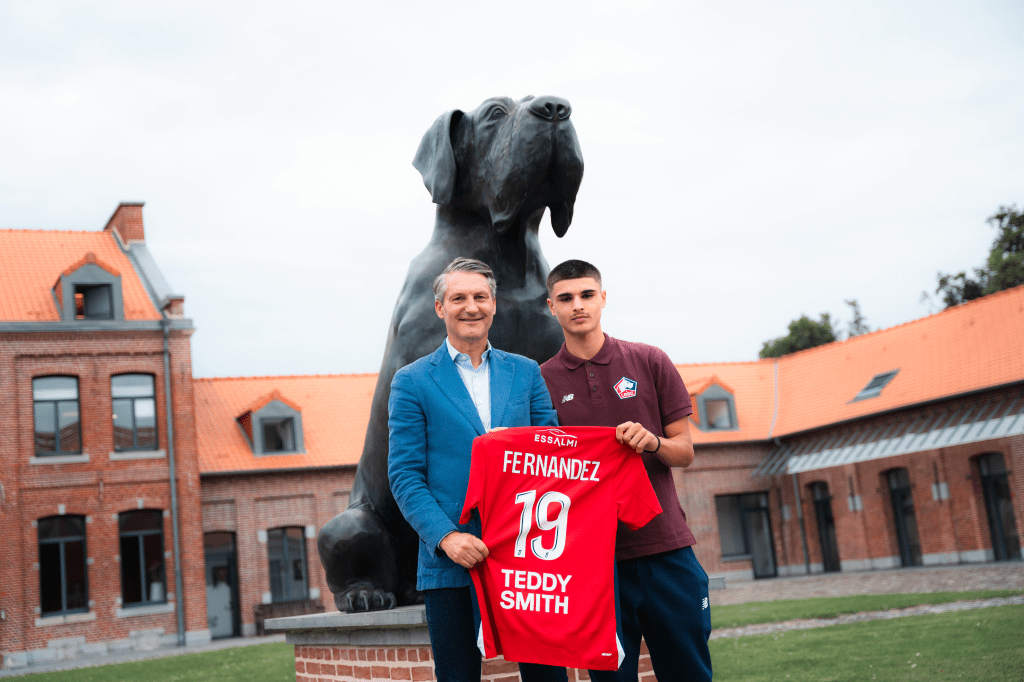
Having arrived late in the window, and facing strong competition from the likes of Rémy Cabella and Haakon Haraldsson, it would take some time for him to establish himself in the first team, but with plenty of opportunities as the team impressed in the Champions League, he began to feature regularly in the autumn, and scored his first goal in a draw with OGC Nice. 

Just as he was poised to become a regular starter, he injured his ankle against FC Nantes in January 2025 and was forced off, taking nearly two months to return.

Despite being fit again, he had been used only from the bench, with manager Bruno Génésio remarking that the player’s level in training hadn’t been sufficient for a starting berth. 
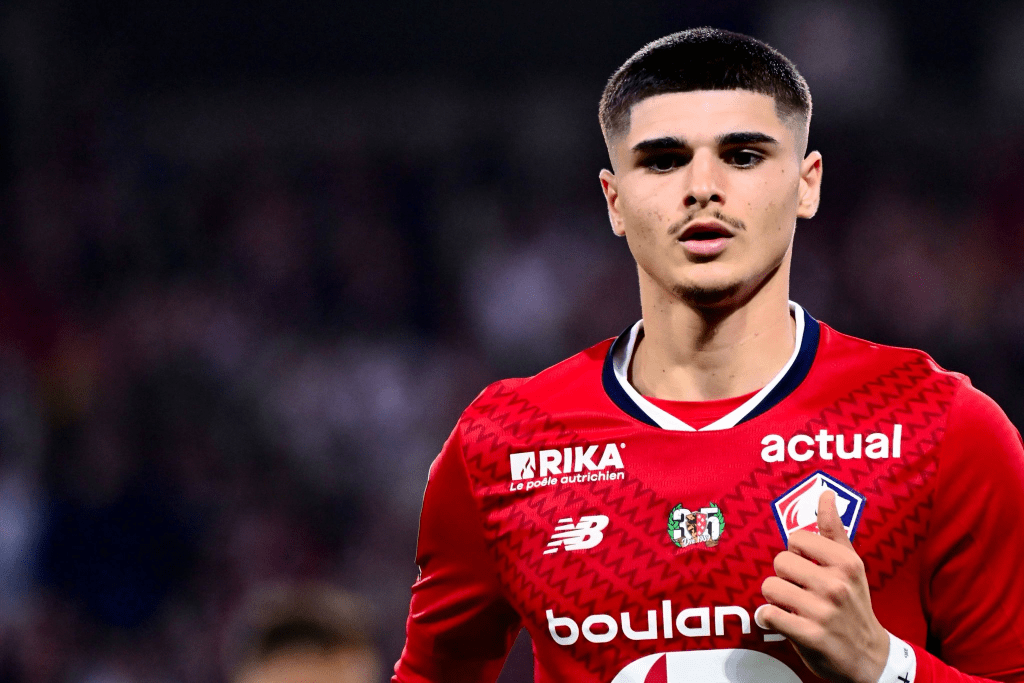
However, the 2025/26 campaign has proven a different story altogether, with Fernandez not only raising his performance levels and application but becoming a hugely decisive figure going forward, with six goal contributions from 14 games so far this season.

With his position at the club level now established, Fernandez has certainly been intentional in ensuring the same narrative at the international level, too.

After impressing for Belgium at various youth levels, the 20-year-old requested to switch allegiance to Spain, a request that was approved by FIFA in February.

However, he’s yet to feature for their under-21s despite being called up to a couple of their squads. One thing is for certain: it won’t be long before Fernandez-Pardo becomes a household name for La Rojita.

For now, he must continue his rapid development at LOSC Lille, so let’s explore why he’s so highly regarded and what makes him so special.

What’s all the Matias Fernandez-Pardo hype?

What do the stats reflect?

It’s essential to note that statistics do not provide a comprehensive picture of a footballer’s abilities. Still, they can certainly give an indication of how a player is performing currently and what areas need improvement.

For Fernandez-Pardo, it’s a different narrative. His numbers, in fact, tell the story of the kind of talent LOSC Lille have on their hands right now.
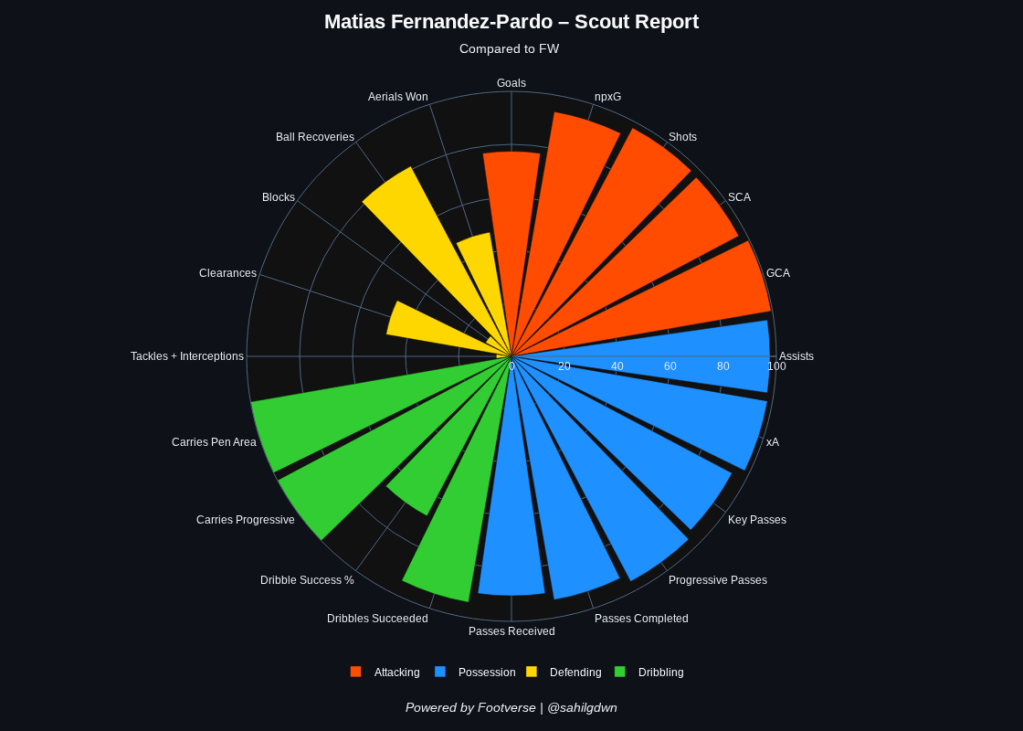
Looking at the graphic above (as per Footverse), we can see the Belgian-born wonderkid ranks highly amongst his positional peers in Europe for dribbling/ball-carrying and creativity in the final third.

Fernandez-Pardo ranks in the absolute top bracket of wingers/attacking midfielders in Europe’s top five leagues for touches in the attacking penalty area and carries into the penalty area.

He also ranks in the 98th percentile for passes into the penalty area, xA (expected assists), 96th percentile for progressive passes and 92nd percentile for key passes.

What kind of talent?

Through these various metrics, you can almost paint a picture of what kind of attacker Fernandez-Pardo is.

He’s not just an out-and-out touchline winger who excels in his 1v1 scenarios up against full-backs.

Still, he’s also a between lines or half-space creator, willing to receive the ball in those zones and create something out of nothing through excellent close control, balance and ball-manipulation in tight zones and the presence of mind to find runners and provide them with delicious through balls or delicate crosses.

The Spaniard is a dynamic, technically sound forward, comfortable playing across the front line and on both flanks. His ability to drift wide, link up with teammates, and attack space makes him a constant threat in transition, but he’s also very adept at dissecting low defensive blocks. But we’ll get to that.

Fernandez-Pardo is incredibly versatile. He’s not one of those attackers who are just wedded to their favourite positions and ineffective when tasked with another.
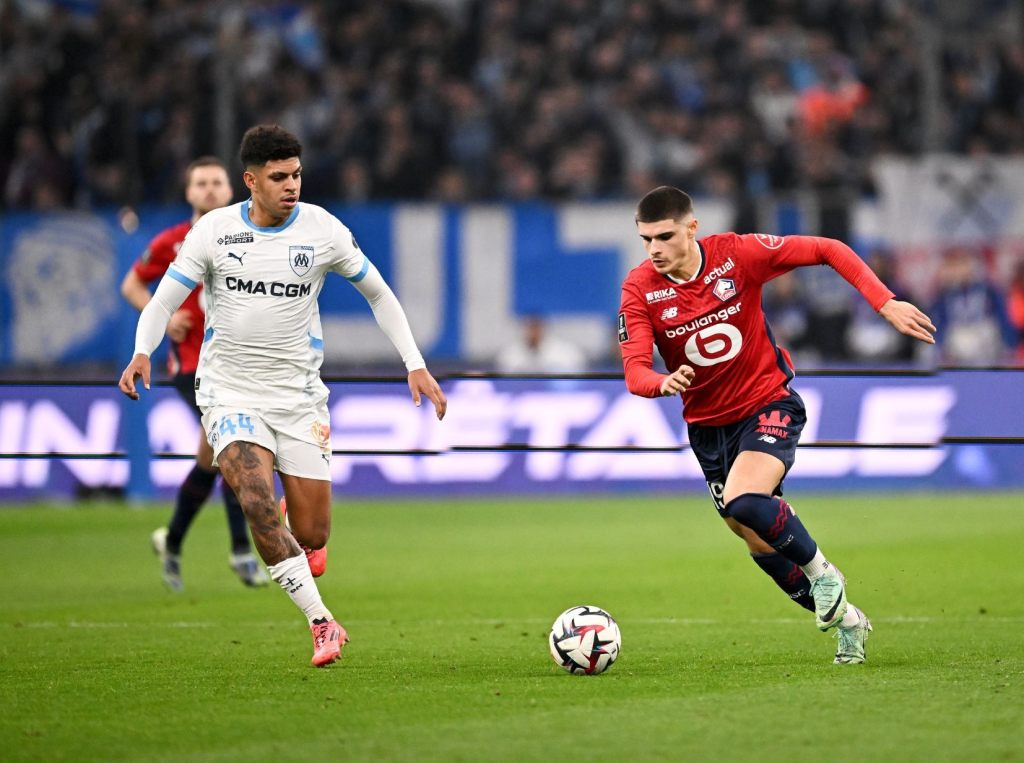
The 20-year-old wonderkid is as decisive on the right flank as he is on the left, but what’s even more unique about him is his ability to perform centrally at #10, if needed.

When you possess such a clean first touch, unique ball control and manipulation, excellent balance and flexibility when operating in tight areas or receiving the ball with your back to goal, have no angle bias and also possess the presence of mind to dissect defences with sublime passes, you can undoubtedly play anywhere across the attack; and that’s the level of talent and ability Fernandez-Pardo harbors.

He shows a high level of tactical awareness and adaptability. He reads the game well, positions himself intelligently in the final third, and understands when to drop deep to aid progression or stretch the back line with his undeniable 1v1 ability.

LOSC Lille coach Bruno Genesio adopts a 4-2-3-1 shape at the Decathlon Arena – Stade Pierre-Mauroy, which provides the Spaniard with a platform to showcase his versatility, skill set and tactical awareness.

Lille’s tactical setup in their 6-1 Ligue 1 win over Metz on October 26

His versatility also enables him to adapt to various systems should Genesio choose to shift formation, whether dropping as the deeper forward in a front two, playing as a false-nine striker, or, more crucially, playing in any of the wide roles.

So, let’s delve into his suitability and quality in performing the latter, and at #10, arguably his best positions.

Touchline-winger

As previously noted, the Lille forward demonstrates excellent positional awareness. He knows when he needs to sit high and wide on the touchline to stretch the play, and knows when to drop into the half-spaces if he realises his full-back is the one fulfilling those duties.

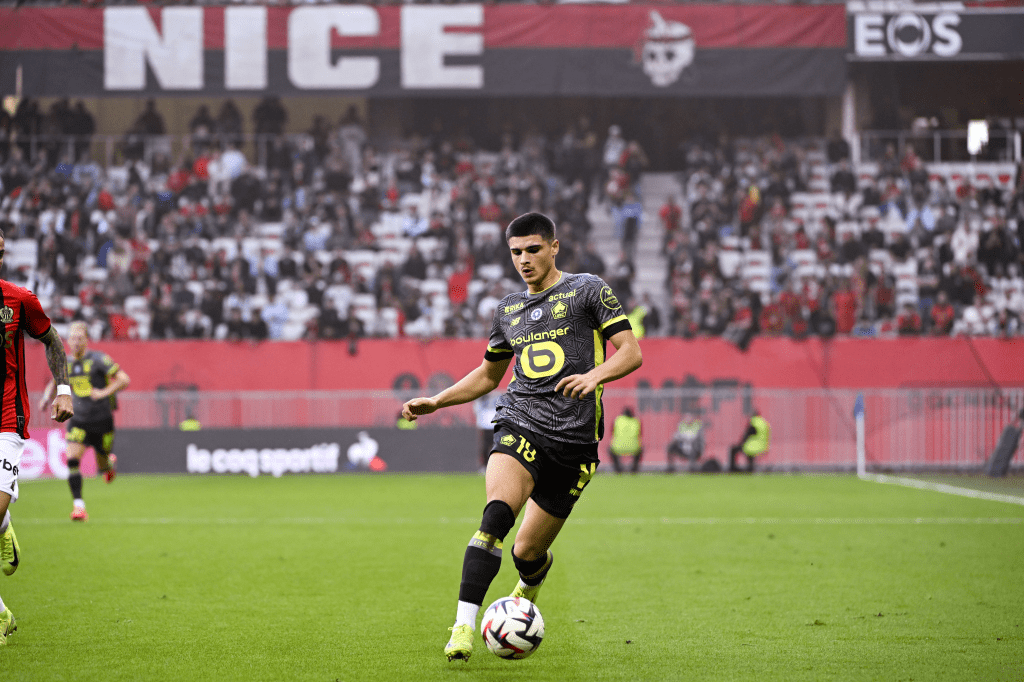
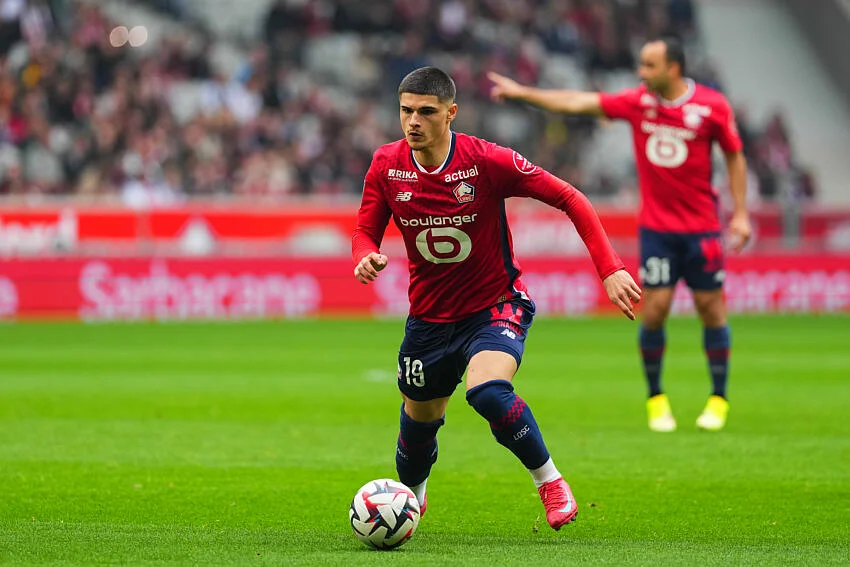
Matías Fernández-Pardo is known for his electric, elusive dribbling in one-on-one situations out wide. His footwork is not only agile but also artful, allowing him to glide past defenders with remarkable ease and finesse.
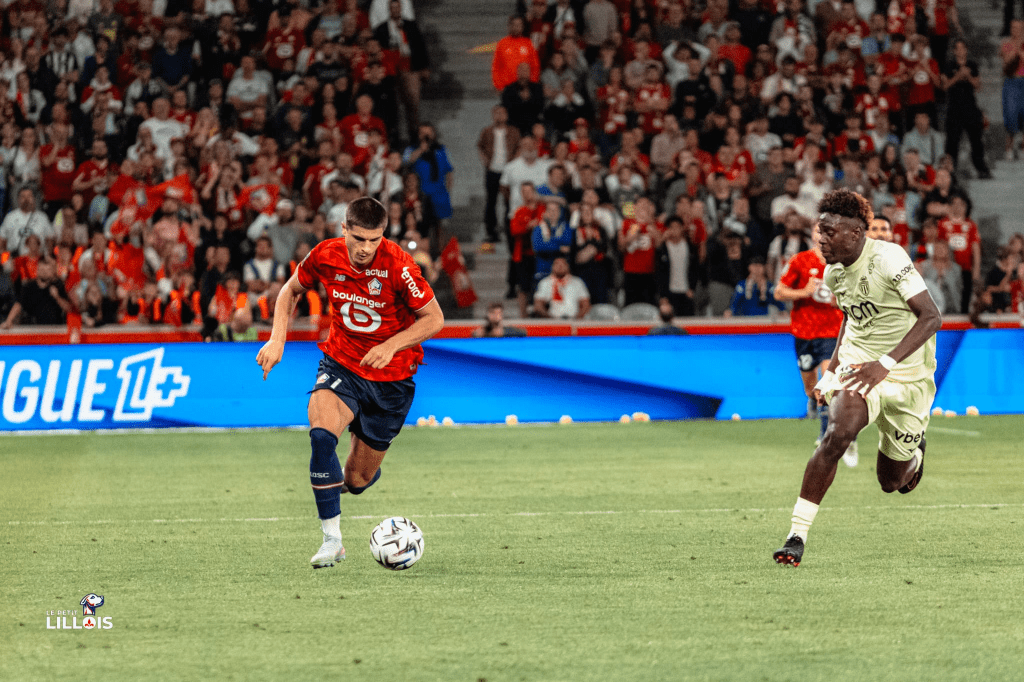
Physically, he boasts a robust frame and a powerful, athletic stride. His movements are characterised by such deceptive fluidity; with each step, he skillfully misdirects opponents, leaving them off-balance and unable to predict his next move.

Furthermore, what truly sets him apart is his distinctive running style. With his back straight and posture upright, he maintains a focused gaze forward, scanning the field with sharp awareness. This striking and unique appearance exudes confidence, making it clear that he is determined to create opportunities for his team.

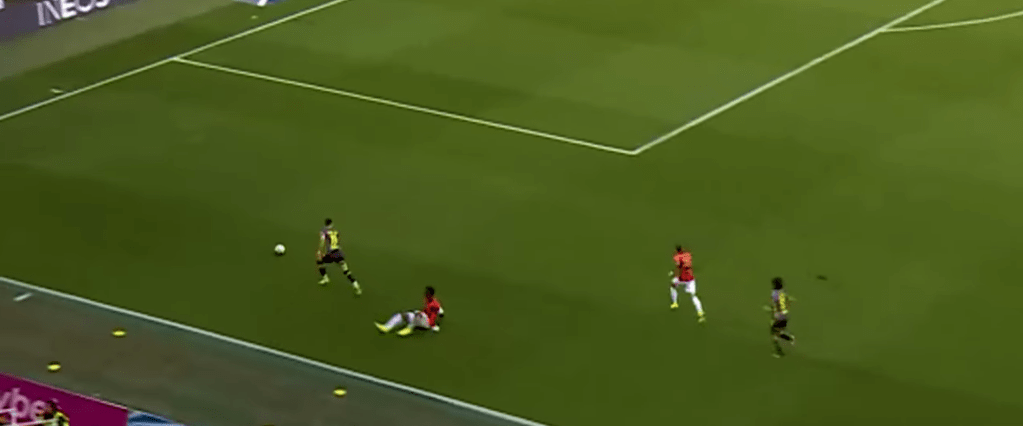
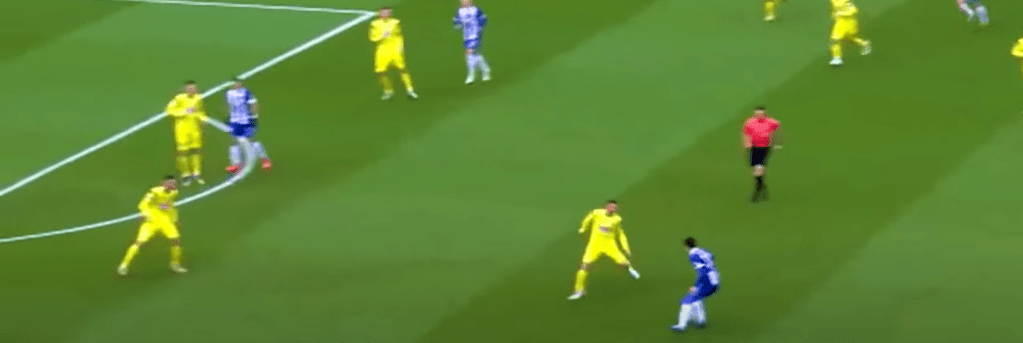
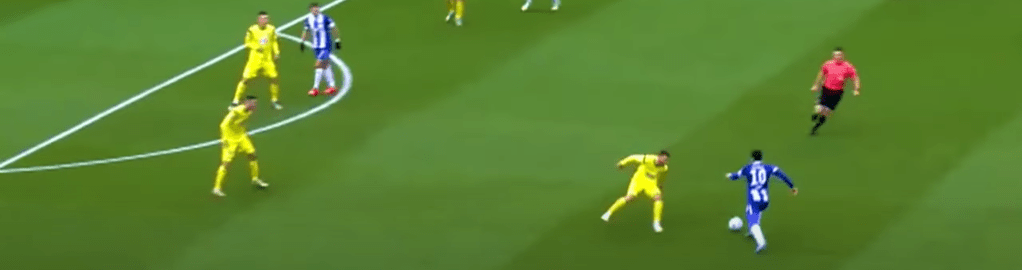
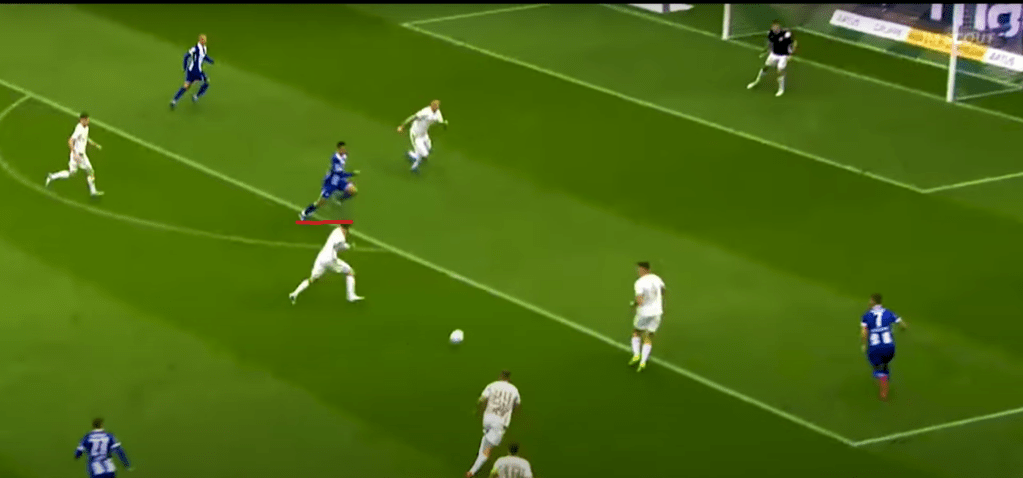
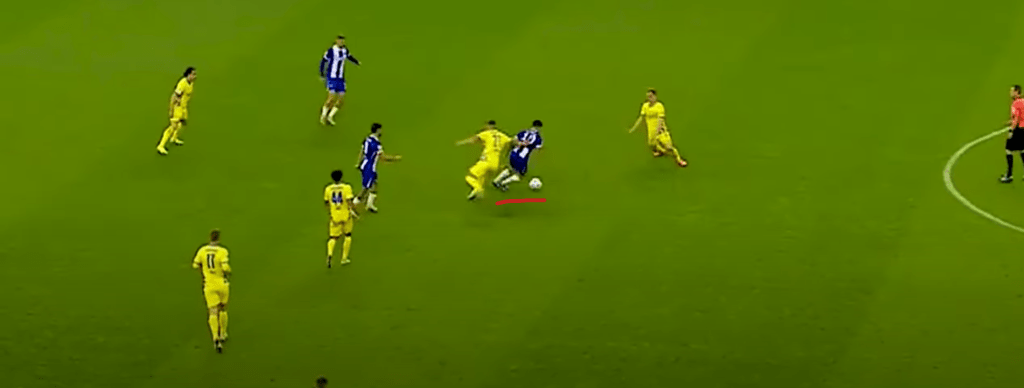
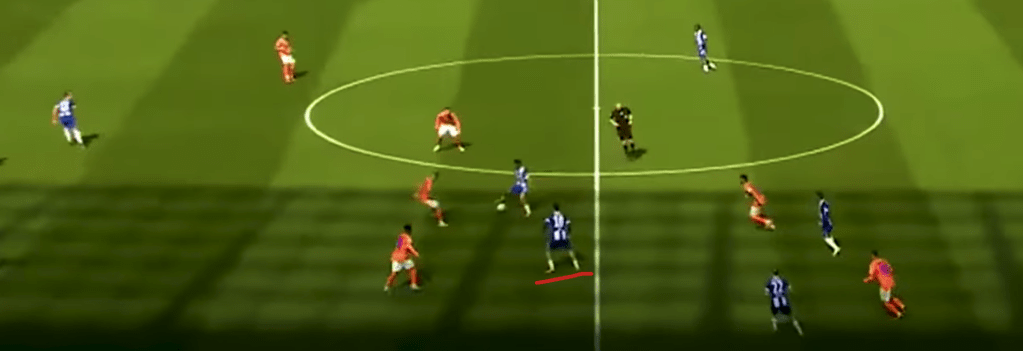
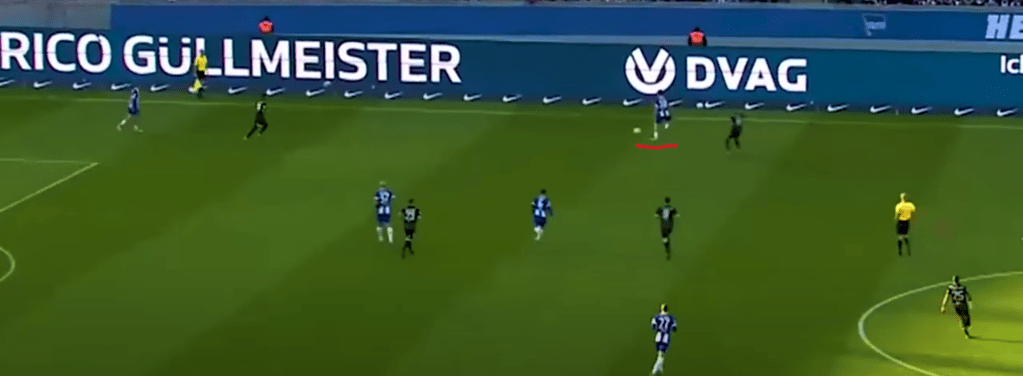
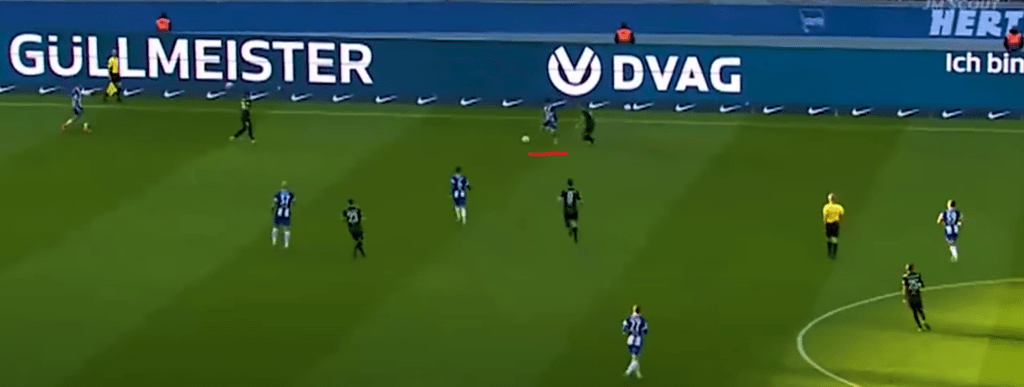
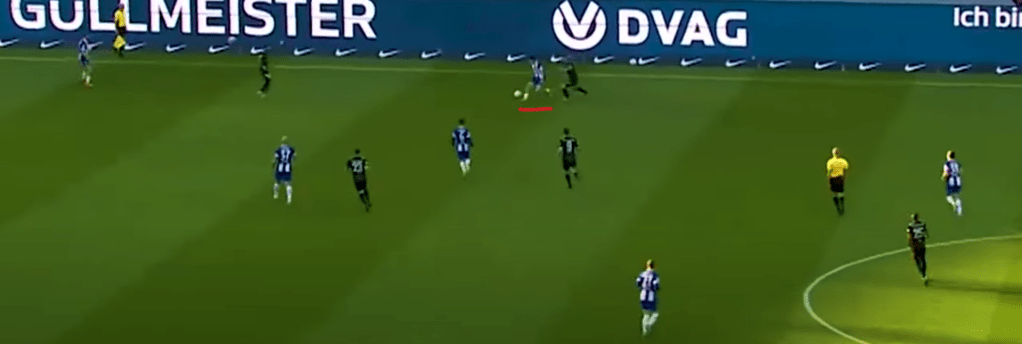
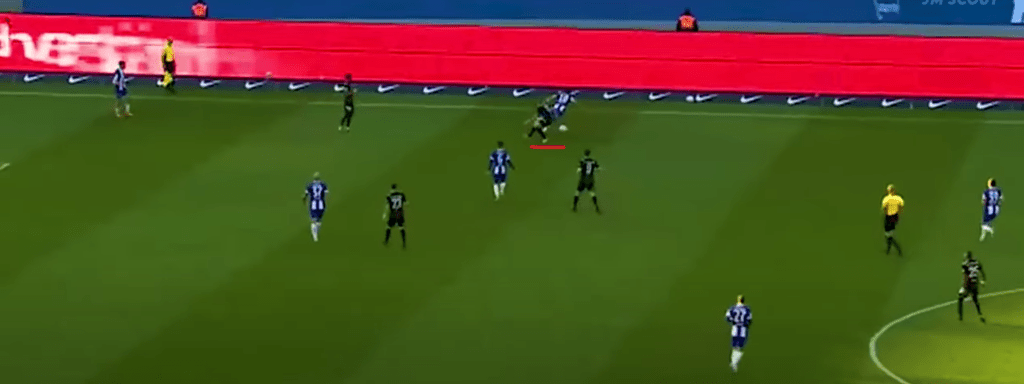
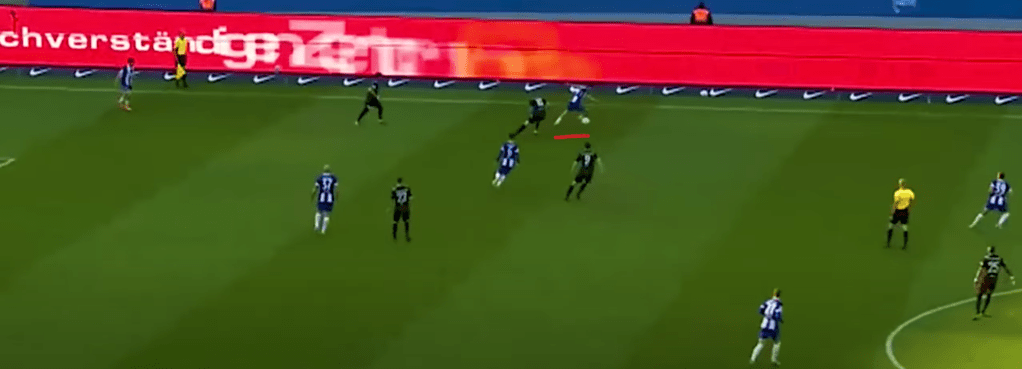
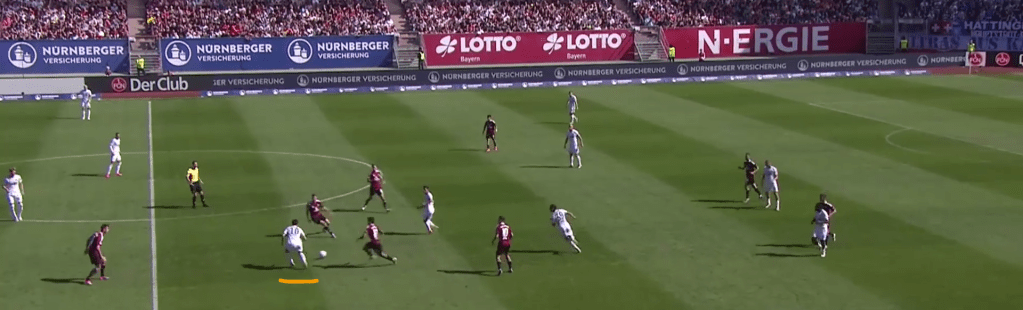
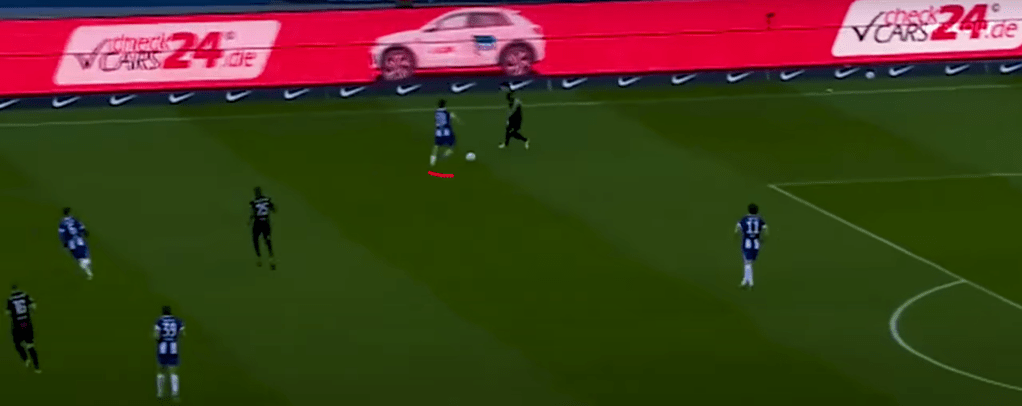
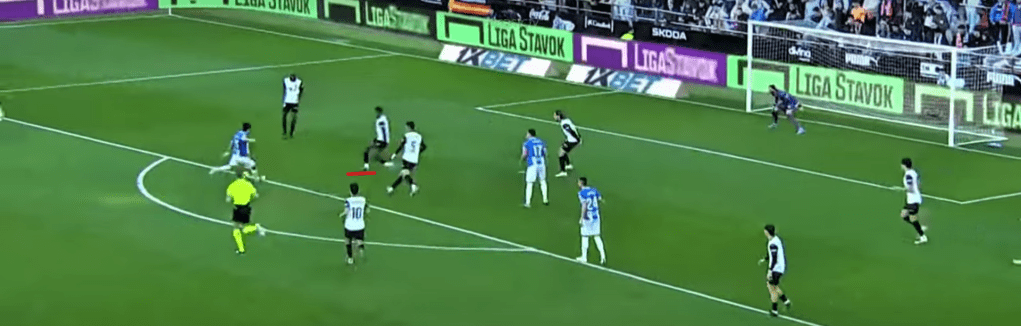
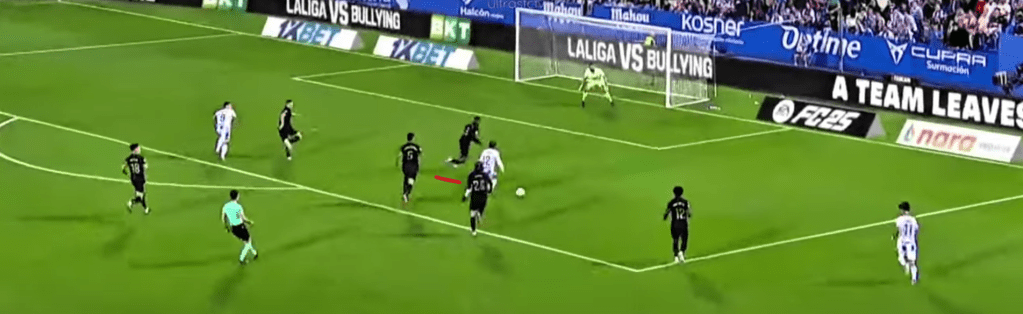
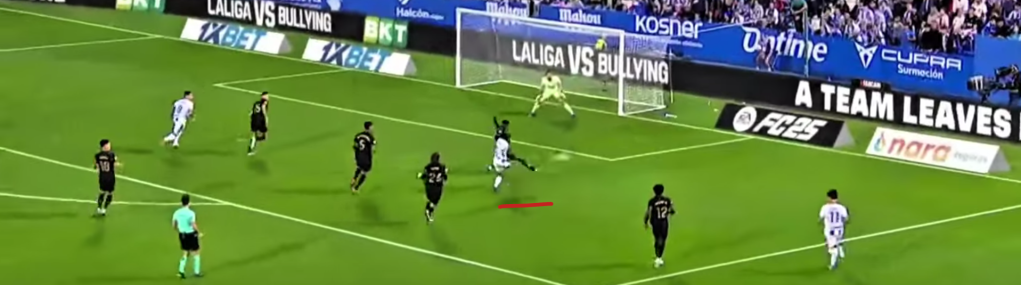
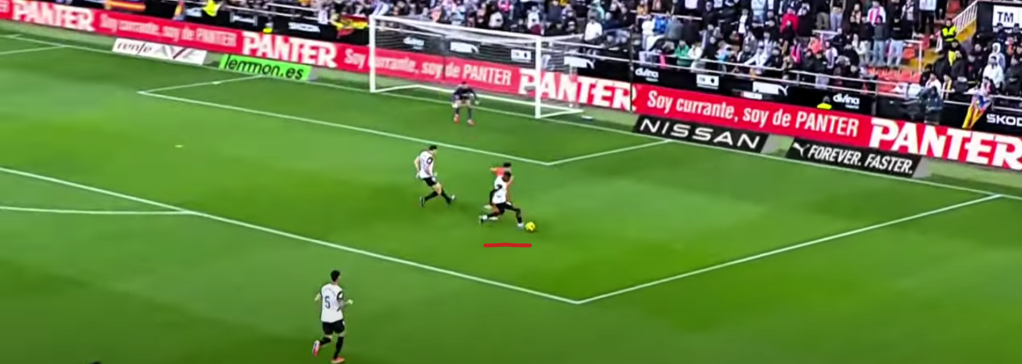
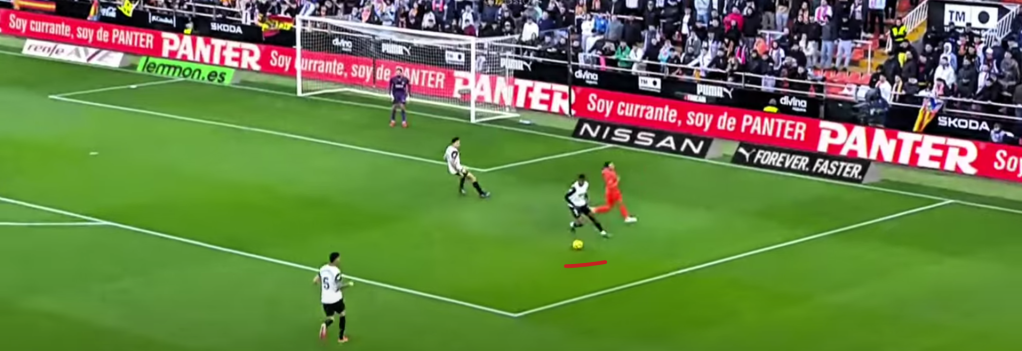
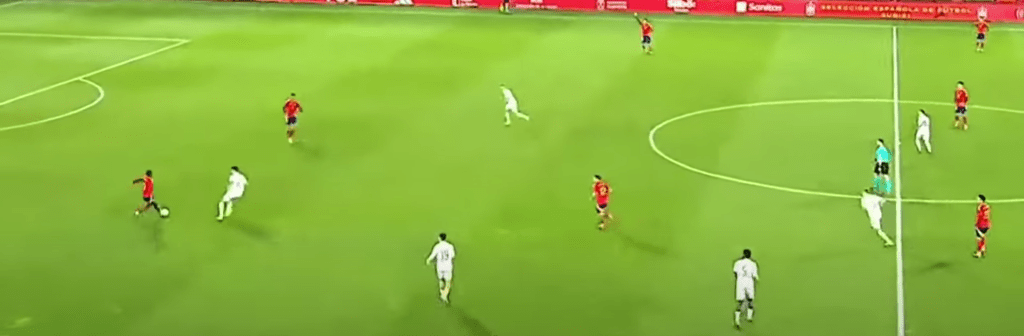
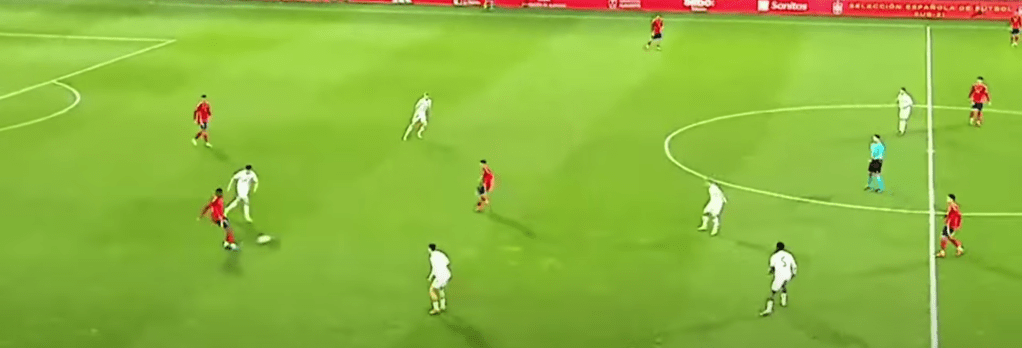
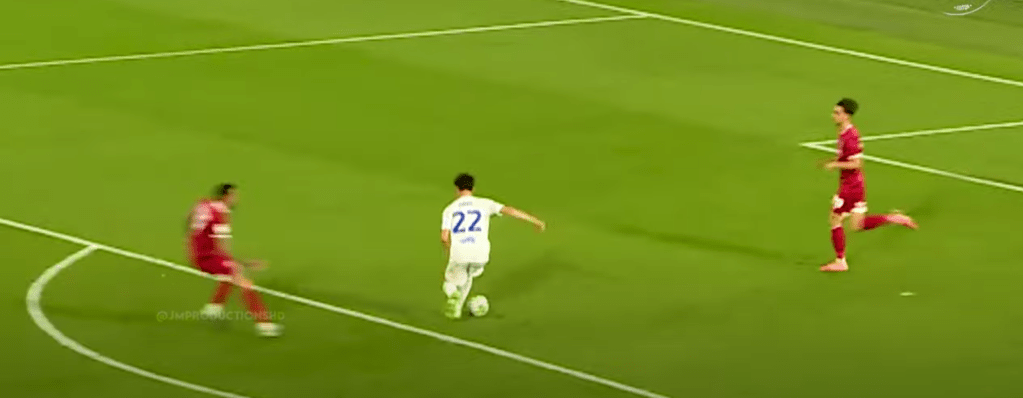
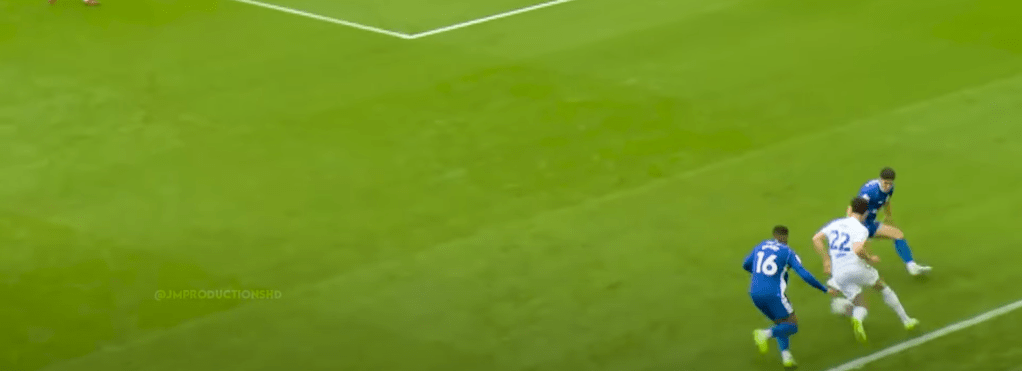
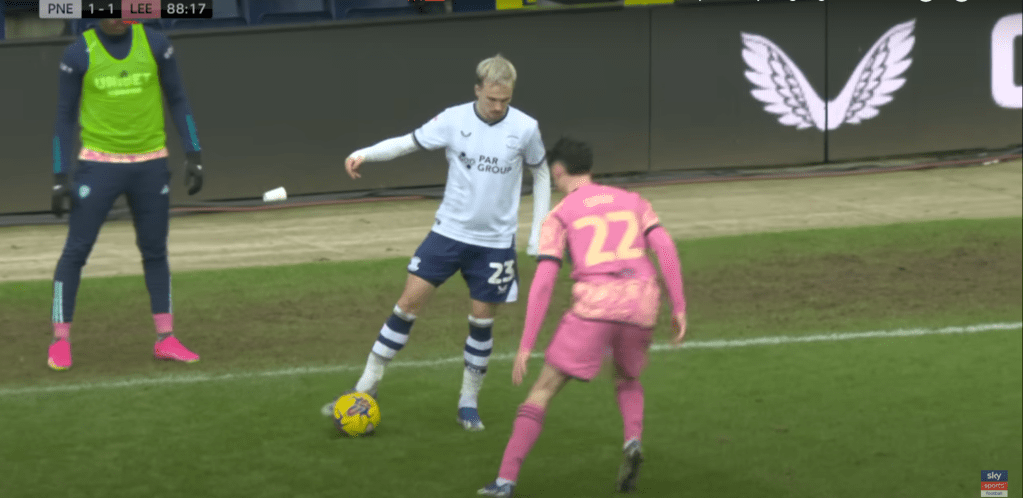
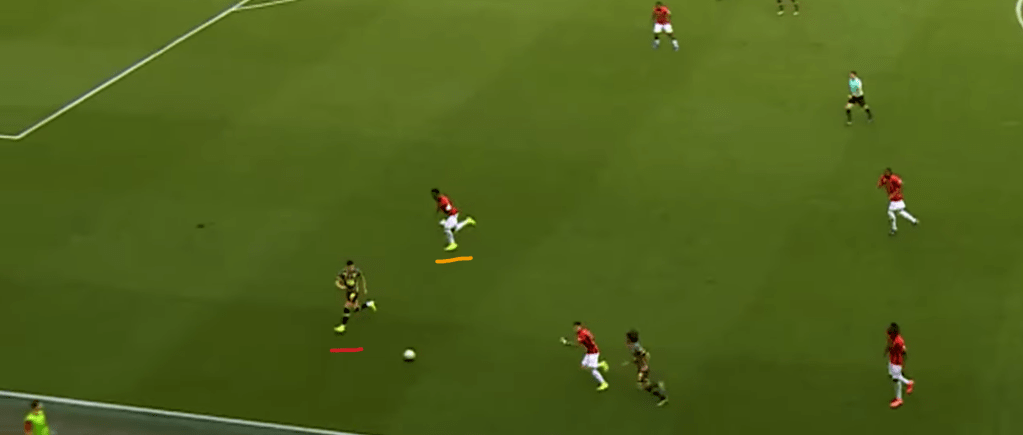
For instance, in the image below, we see Fernandez-Pardo picking up the ball wide, but in a pretty awkward position, with his back to goal and the angle to beat his marker looking extremely difficult…
… however, it’s not at all difficult for him.

As we’ve come to learn about the Spaniard, he is all about deception and sudden shifts in his body positioning.

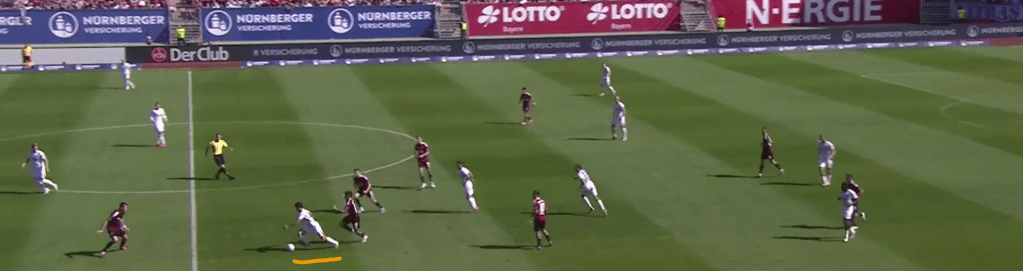
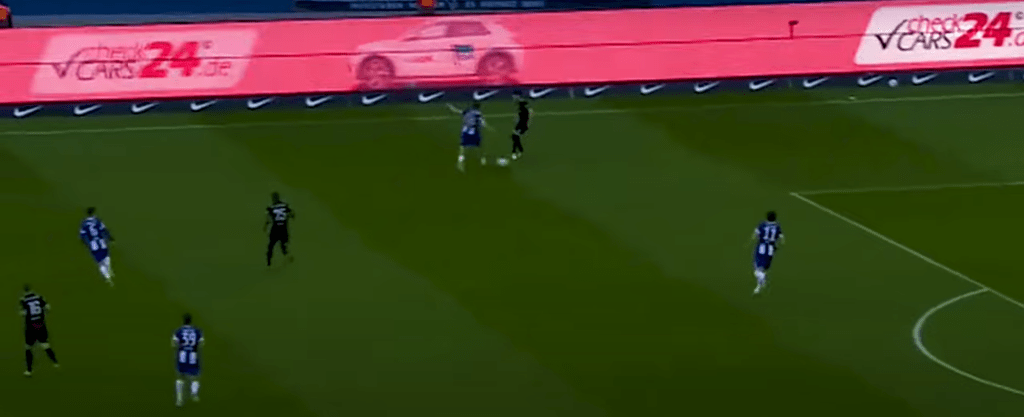
He looks as if he’s about to take a first touch, forcing him into an awkward position to evade…
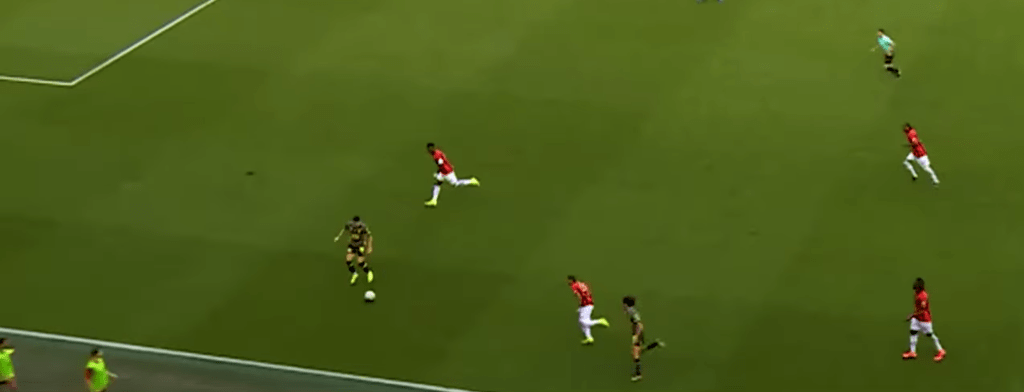
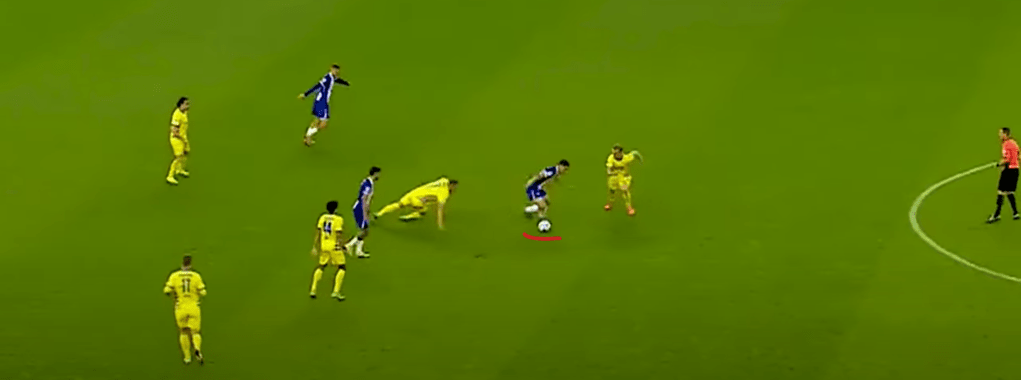
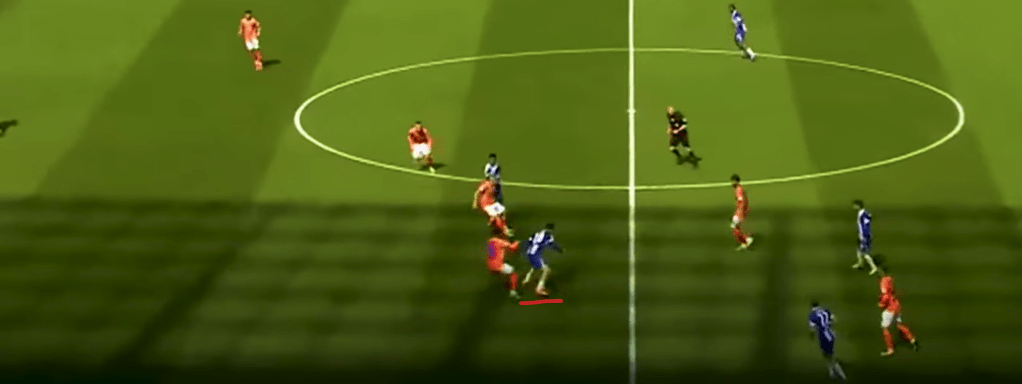
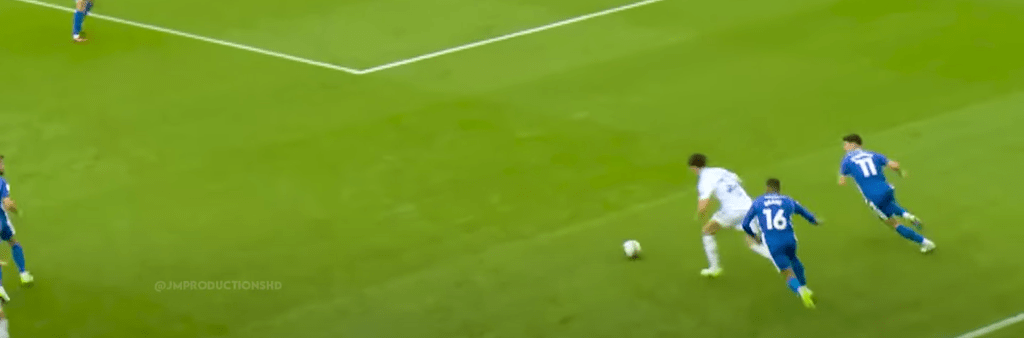
…but instead, he allows the ball to roll across his body…
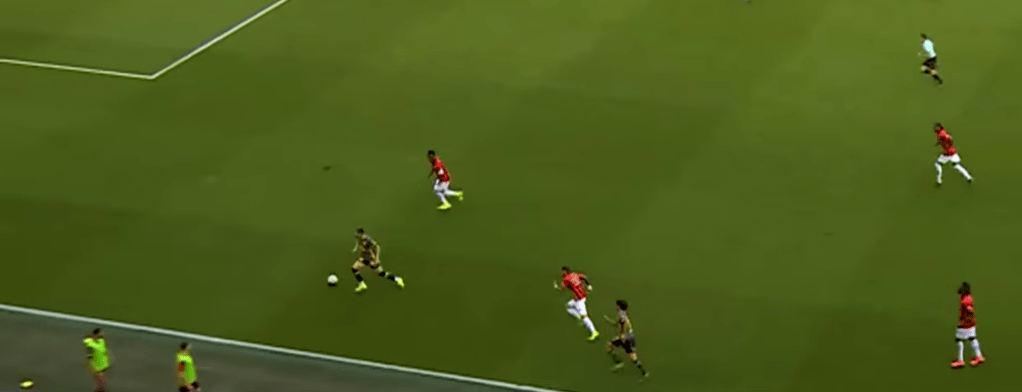
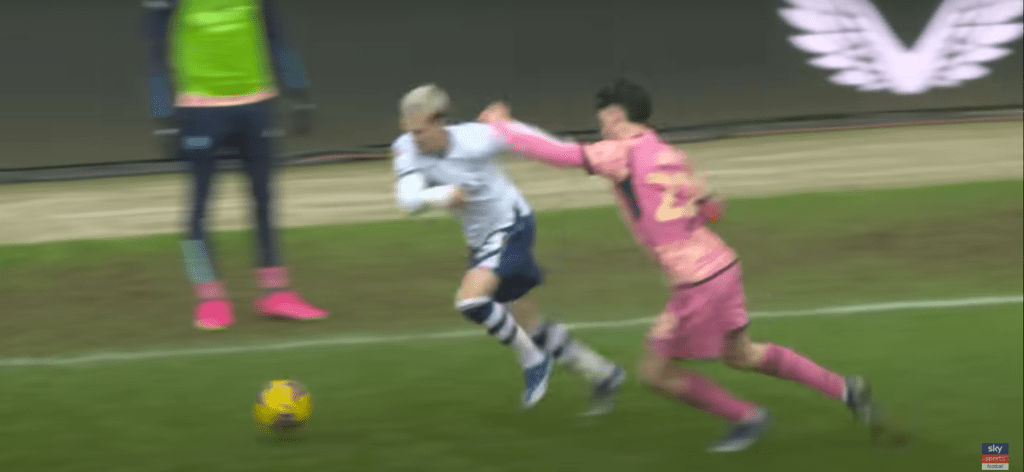
… allowing him to face up against his marker in an advantageous 1v1 scenario and have a full view of what’s ahead.

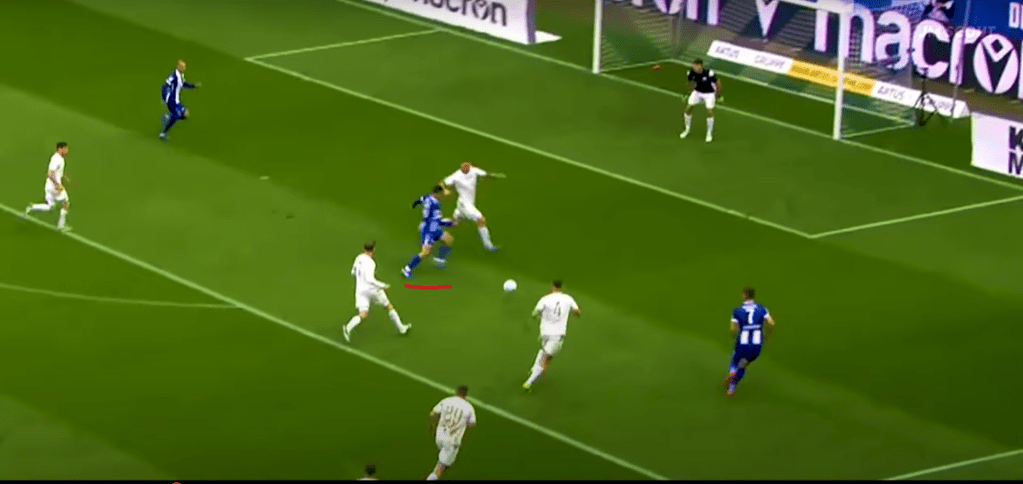
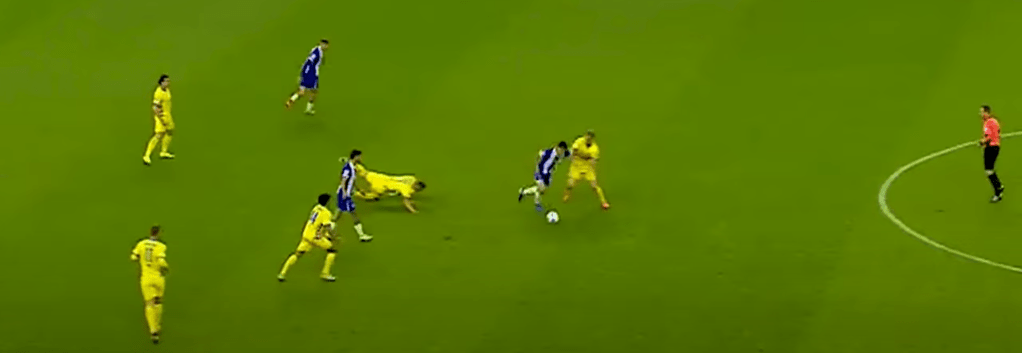
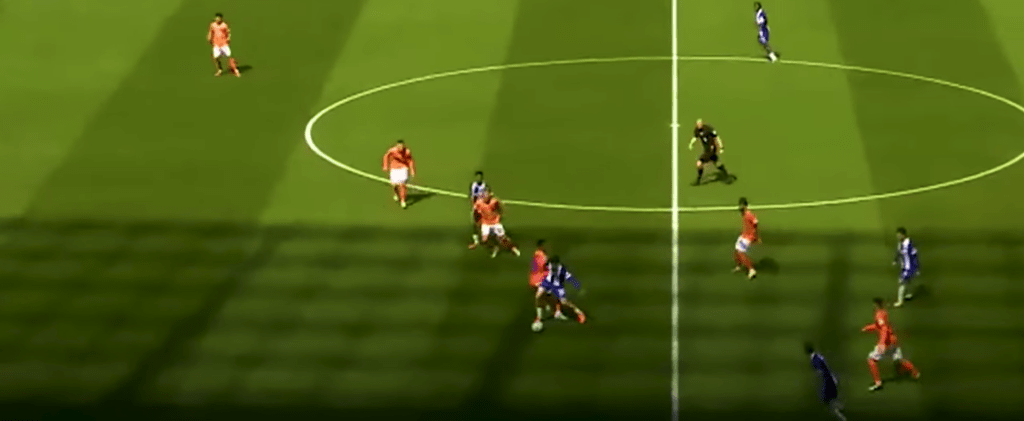
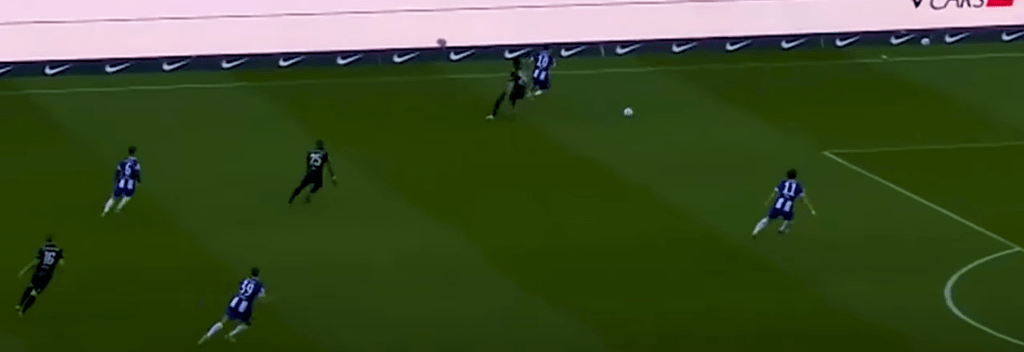
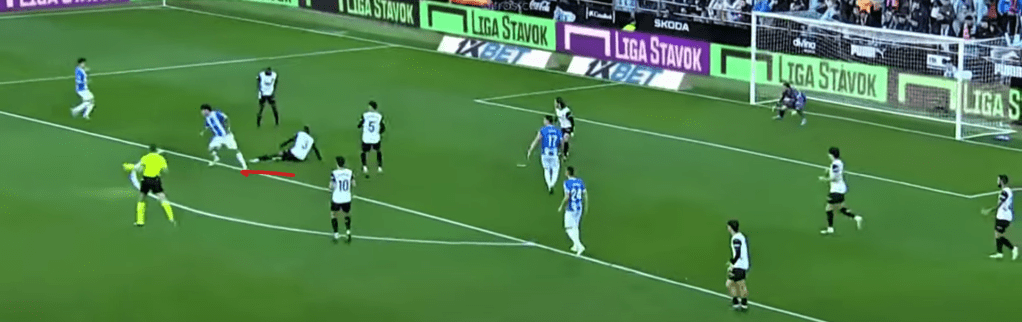
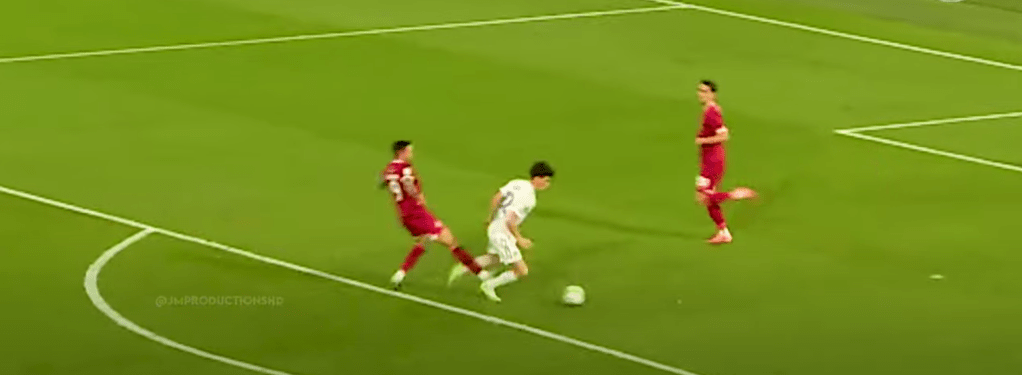
With his opponent seemingly looking to win the duel, the Belgian-born wizard once showcases his rapid burst of pace to knock the ball past the sliding full-back…
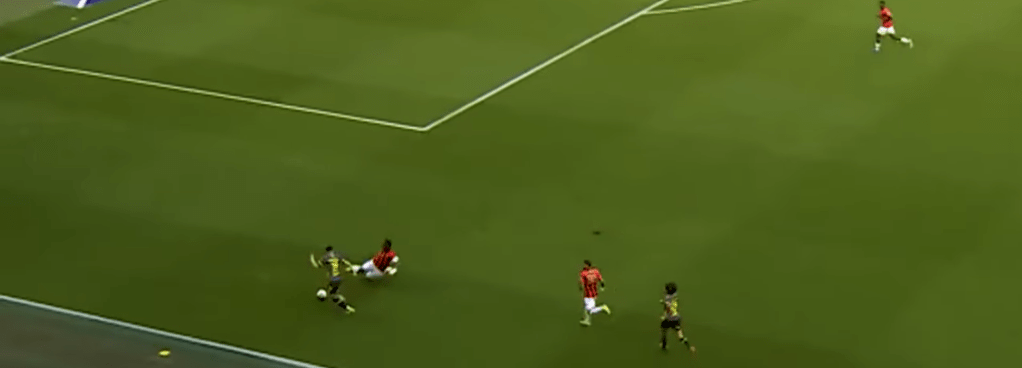
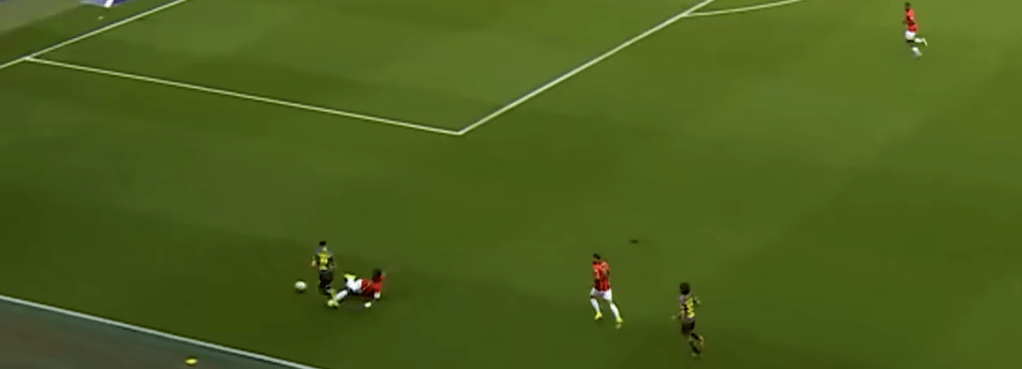
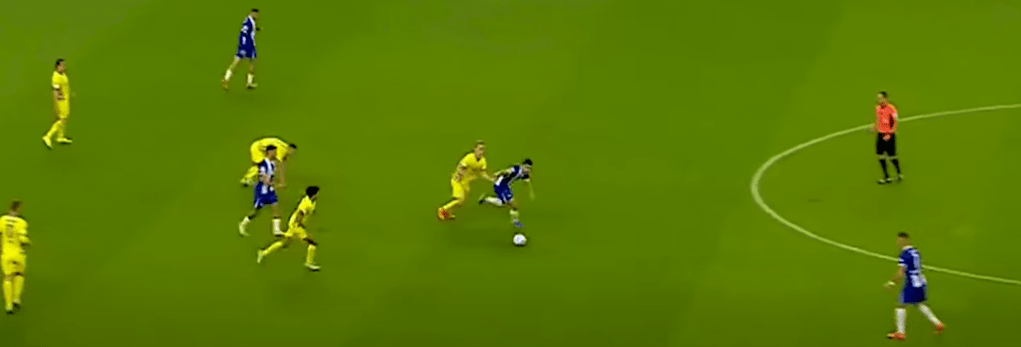
As a result of his electric 1v1 quality, he now has enough time and room to converge into the penalty area and create a goal-scoring opportunity.

Put Fernandez-Pardo in any tight situation, and he’ll quickly and smoothly find the right solutions to evade it.

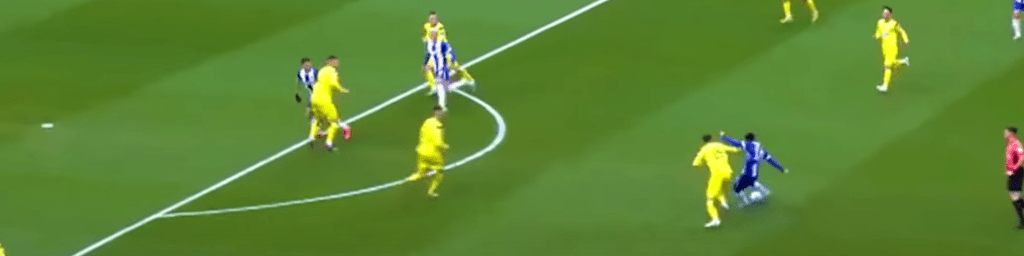
In another instance, the young winger is provided the ball wide left with an oncoming defender ready to press him the moment he receives it.
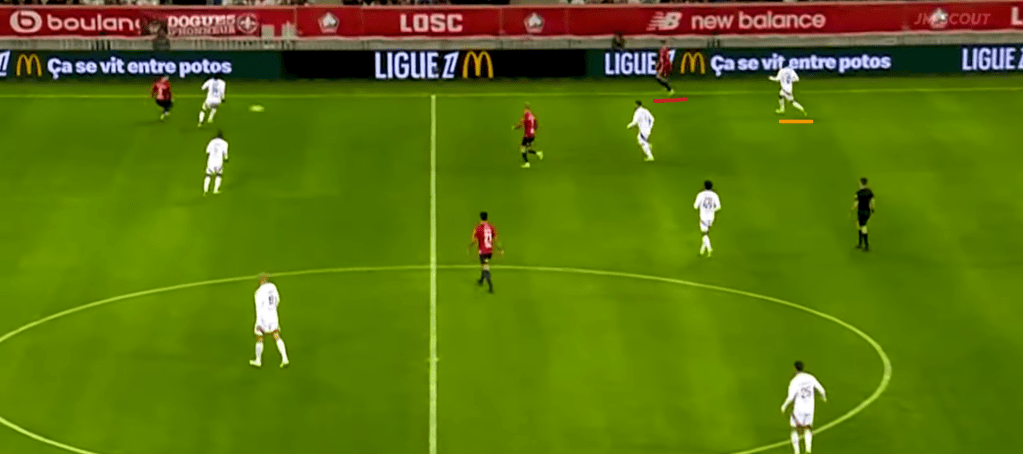
It looks as if he’ll take a touch to settle himself, but that’d be too easy for him.
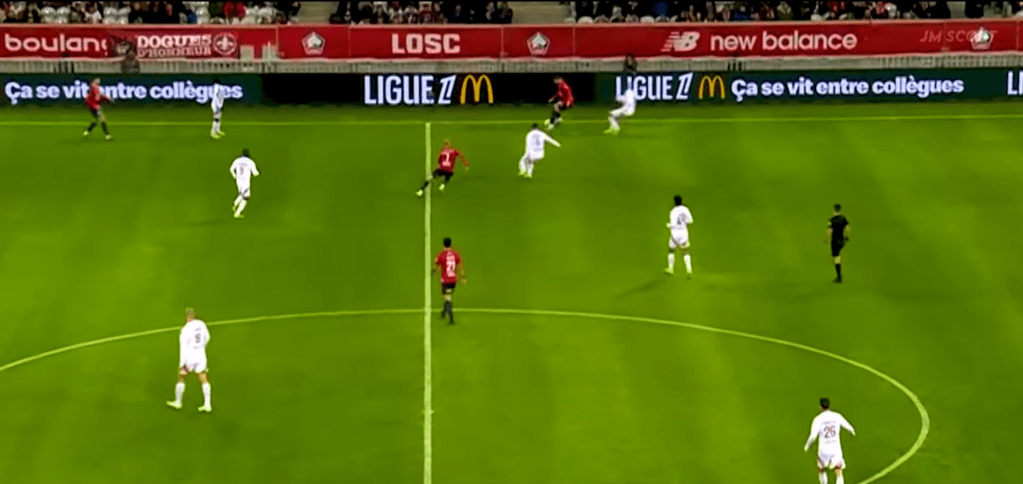
Instead, he flicks it around the defender with his right while going around the obstacle on the left…
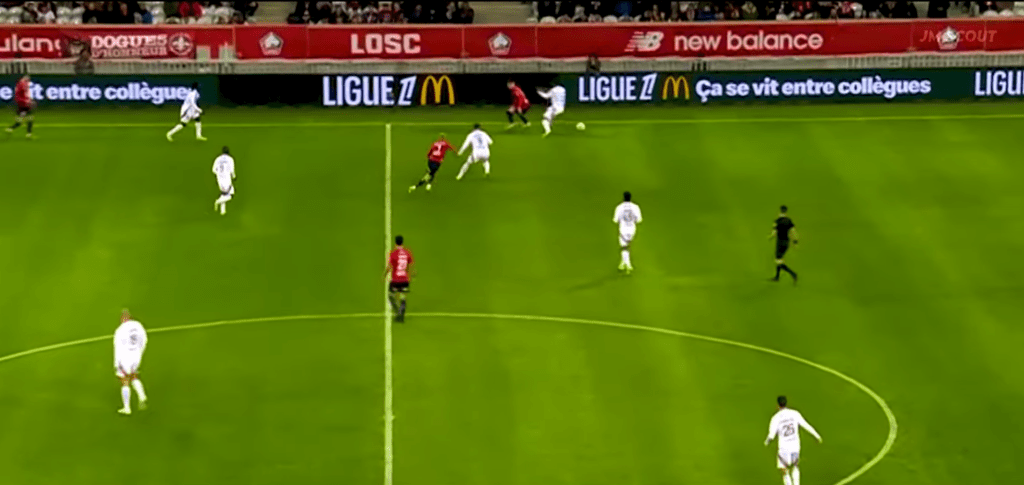
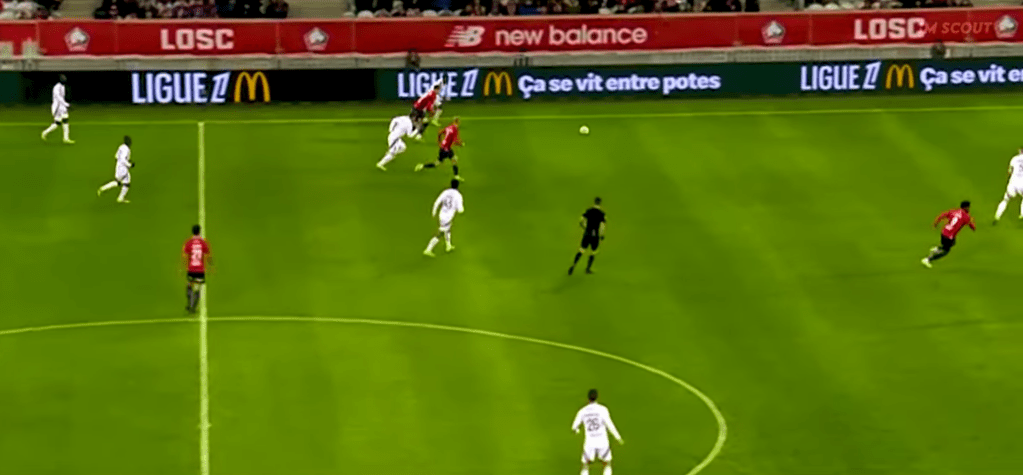
…leaving the defender in his wake.
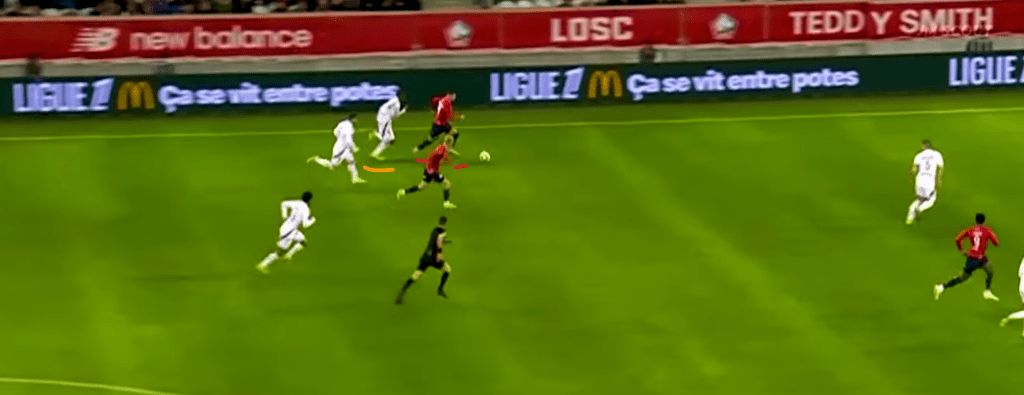
His dribbling is built on short, sharp touches and swift changes of direction, other than sheer explosive top-speed beating of fullbacks. He is exceptional at gaining separation from defenders, also making him effective in tight zones (between fullback and centre-back) and when the team emphasises quick circulation.

The data certainly backs this up: he completes a healthy number of successful take-ons and progressive dribbles per 90, ranking in the 79th percentile of wingers for progressive passes per 90.

In Lille’s 6-1 Ligue 1 mauling of FC Metz on 26 October, Fernandez-Pardo registered two assists, both of which excellently showcase his quality and unpredictability when playing out wide.

As shown in the clip above, the Brussels-born forward receives the ball high and wide, standing up against the opponent’s full-back.

He takes a couple of touches to invite engagement from the defender, then instantly knocks the ball past him, beating him for pace and also, more crucially, he excellently withstands the contact that could easily knock off so many of his positional counterparts.

He bursts into the box, and if you look closely at his unique dribbling style with an upright stature, he’s confident, assured and sees the whole picture ahead while reaching a reasonable speed before picking out striker Hamza Igamane with a terrific cut-back who finishes low into the bottom corner.

Fernandez-Pardo is simply amazing to watch when he’s in full flow.
The second of his two assists against Metz is arguably the best of them.

He receives a lofted pass over the top of the opposition defence, once again faced off with the full-back.
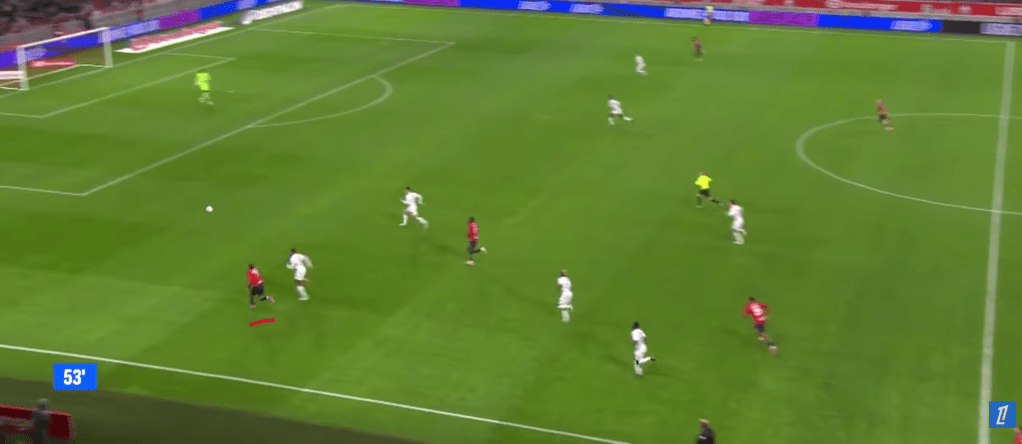
Once again, the 20-year-old finds himself in another 1v1 situation, up against a pretty rugged and towering obstacle.
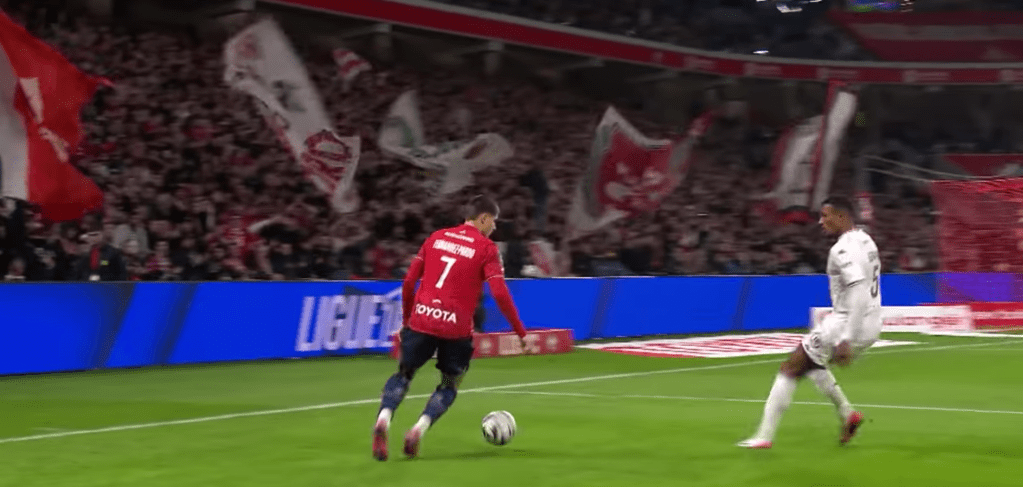
He reels the defender in with some deft touches, as he did in the first assist…
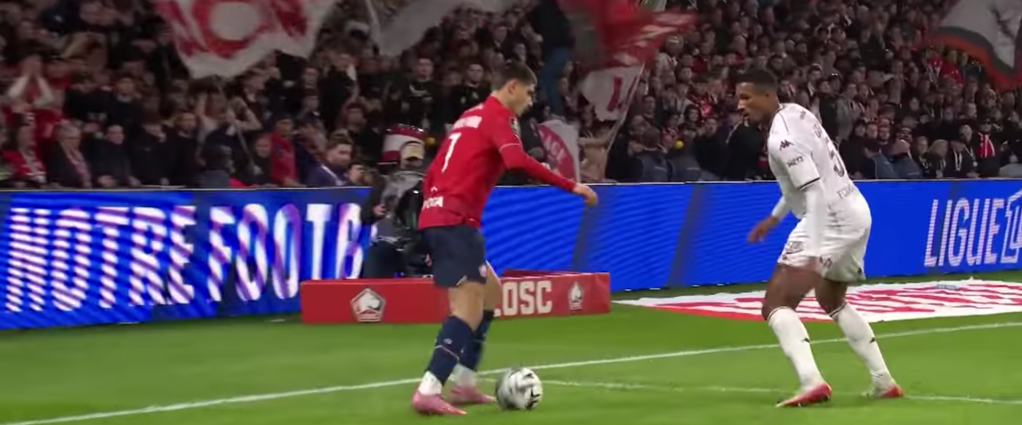
…once he feels the defender is looking to engage in the tackle, he knocks the ball forward, in a tight spot where he could easily knock it out for a goal kick, and speeds past him…
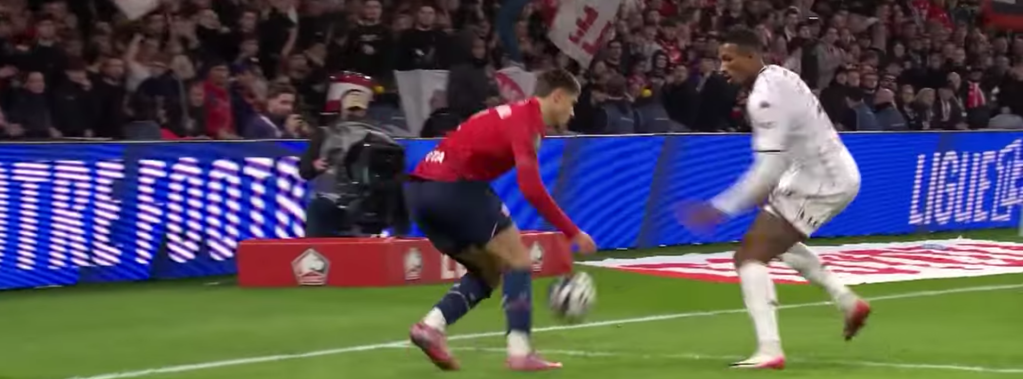
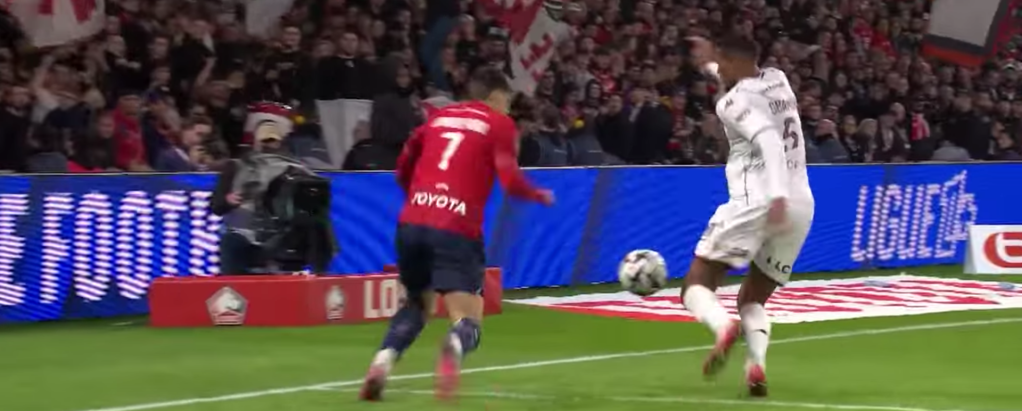
He just about gets their first, and before it goes out of play, crosses the ball for Felix Correia to smash home.
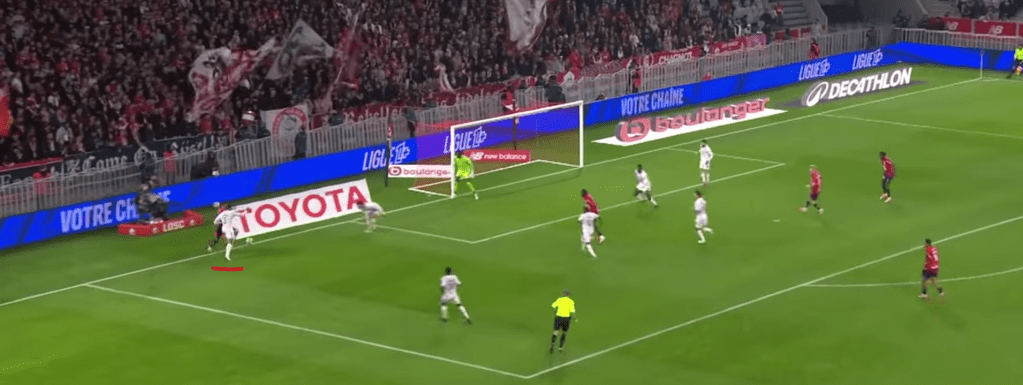
We can certainly see Fernandez-Pardo’s quality and decisiveness in 1v1s. He doesn’t need to rely on explosive bursts of pace to get past his man; he possesses impressive trickery, deftness of touch, balance, ball control and body mechanics to win those duels consistently,

He can even do it on the right flank, too, which is rare to find in even some of the best wingers on the continent.

The Spaniard is exceptional in those stop-start motions. He knows how to slow down his opposing defender, lull them into a false sense of security — thinking they’ve got the situation under control — but then takes that feeling away from them, dropping the shoulder, knocking the ball past them, and accelerating away.

His constant dropping of the shoulder and those nimble and enticing touches have certainly become an art form in his magical wizardry.
In another fine example below, we see Fernandez-Pardo this time high and wide on the right flank.

As stated previously, most right-footed left-wingers are so wedded to that side that they find it challenging to be as effective and decisive on the right. However, that isn’t the case for the uncapped Spanish under-21 wonderkid.

He possesses a tremendous mentality. Always willing to operate wherever he’s asked, and that willingness, coupled with his no-angle bias when dribbling, his quickness of feet and excellent 1v1 quality, means he is just as dangerous there as he is on the left.

Below, he stands up against his opponent in that elusive stop-start operation he so wonderfully executes in 1v1s. He reels the defender in, who thinks he has the winger caged in and going nowhere; in fact, his positioning is quite decent.
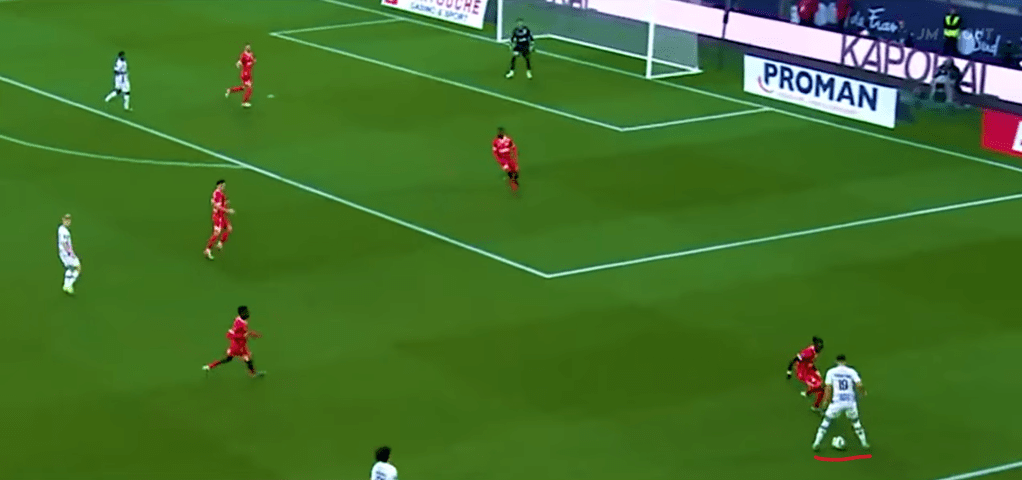
Fernandez-Pardo can’t cut in, and if he goes down his right, the defender can track him.

However, with Fernandez-Pardo’s quality, such assumptions cannot be made.

The defender now engages, attempting to win the tackle…
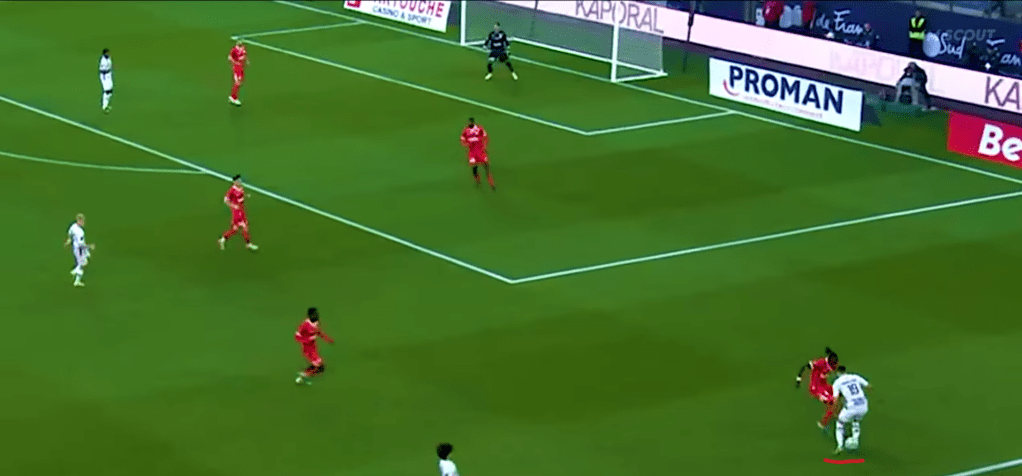
… but as is regularly the case, Fernandez-Pardo leaves the defender for dust in one fell swoop, dropping the shoulder as he engages and knocking the ball past the other way.
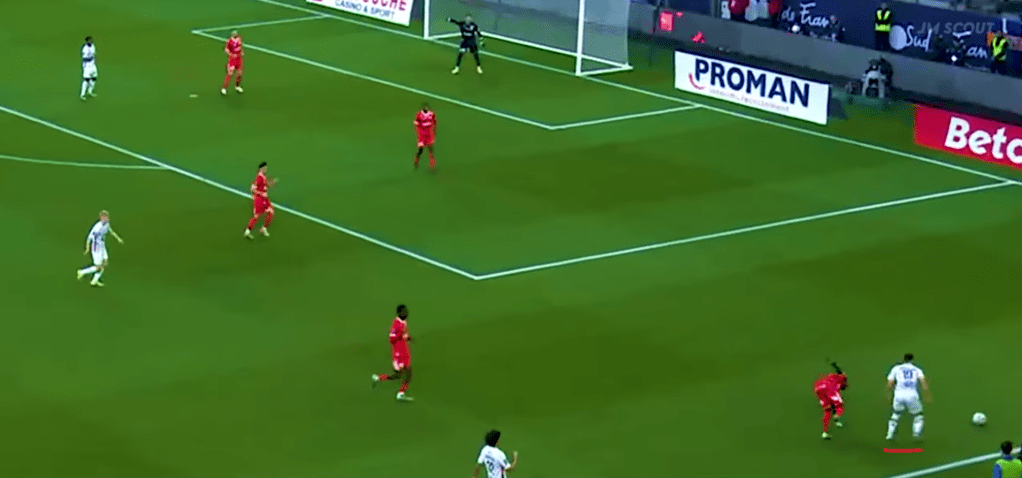
But that isn’t enough for the Spaniard. The defender recovers well…
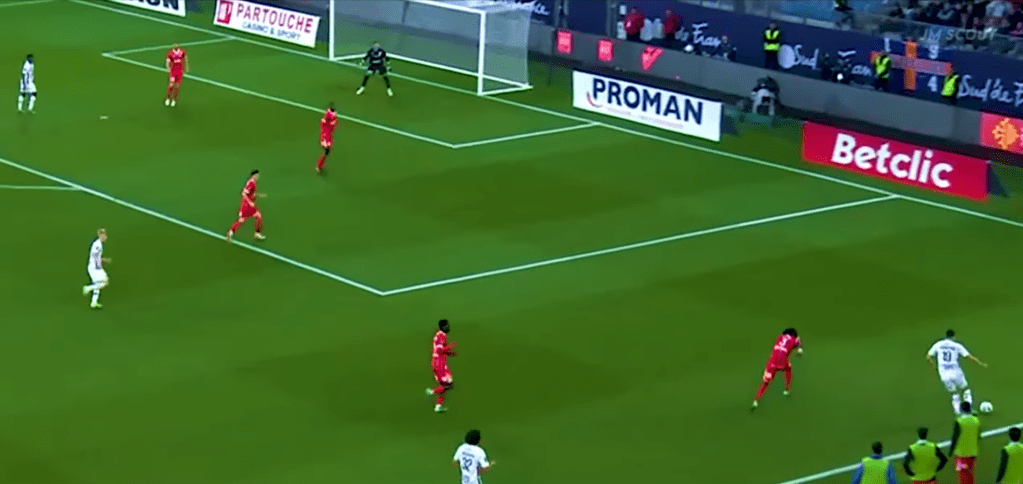
… meets him as he advances, but Fernandez-Pardo takes a deft touch with his left foot this time to get past him.
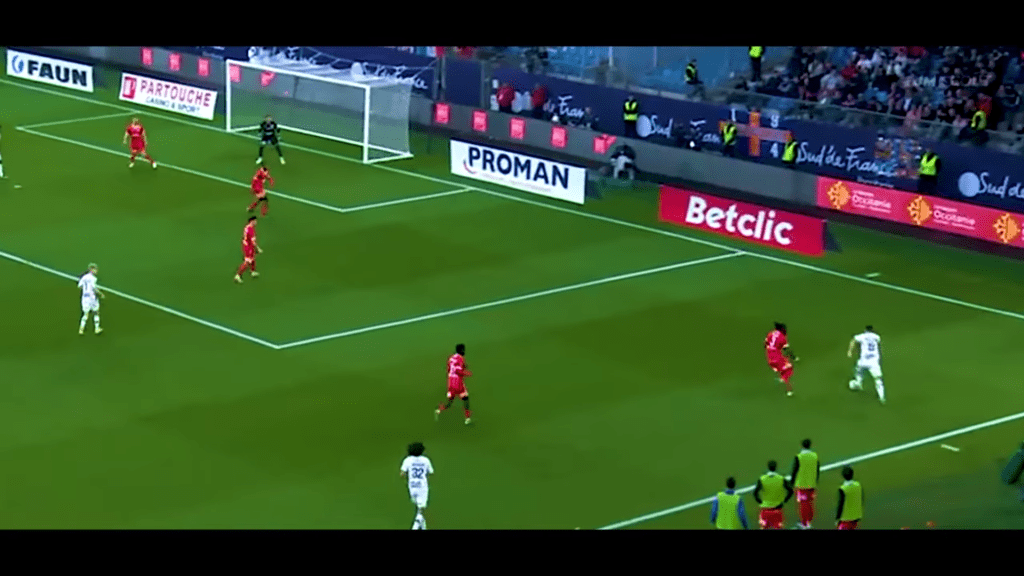
He’s so quick and elusive that the defender can no longer get to the ball, and in real danger of giving a foul away, but even still, Fernandez-Pardo holds the unique ability to withstand the contact and maintain his posture and balance when dribbling…
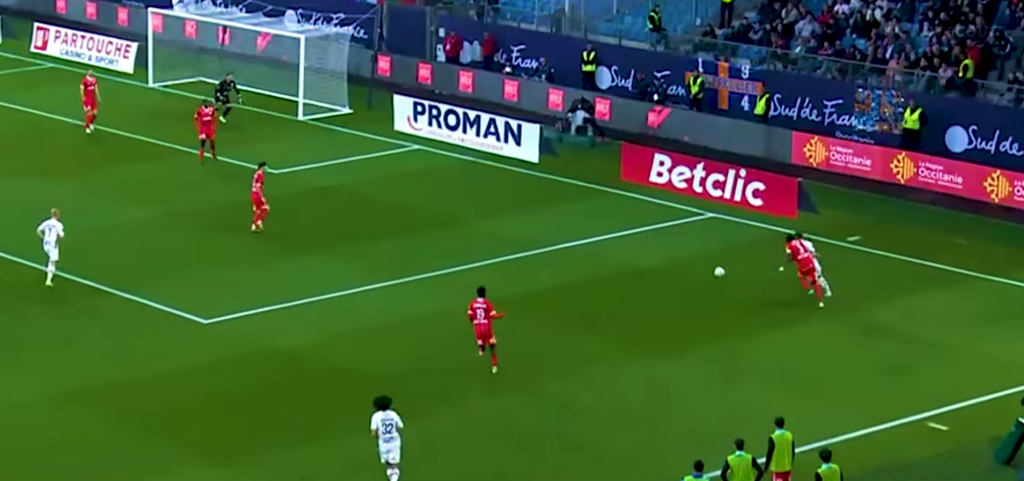
He’s gotten from the touchline to the byline and into the opponent’s penalty area to create a goal-scoring opportunity in a matter of seconds.
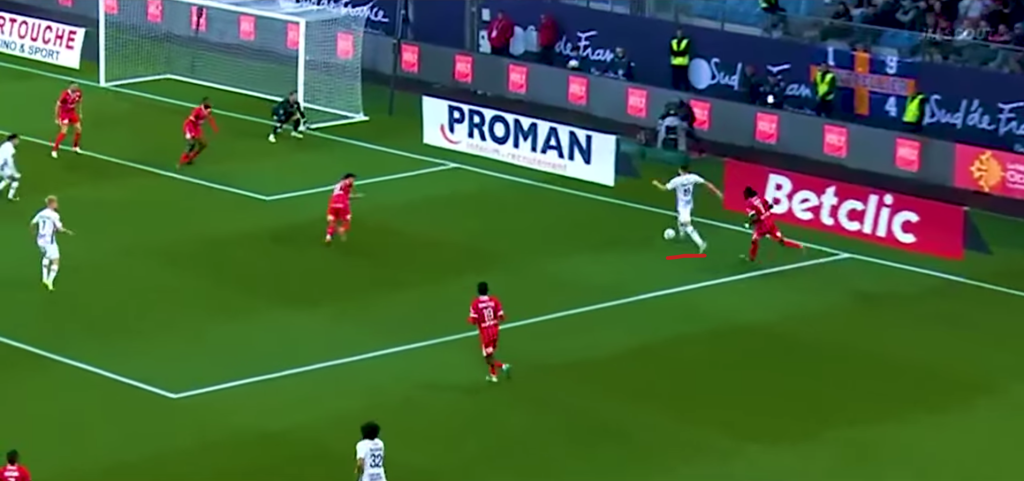
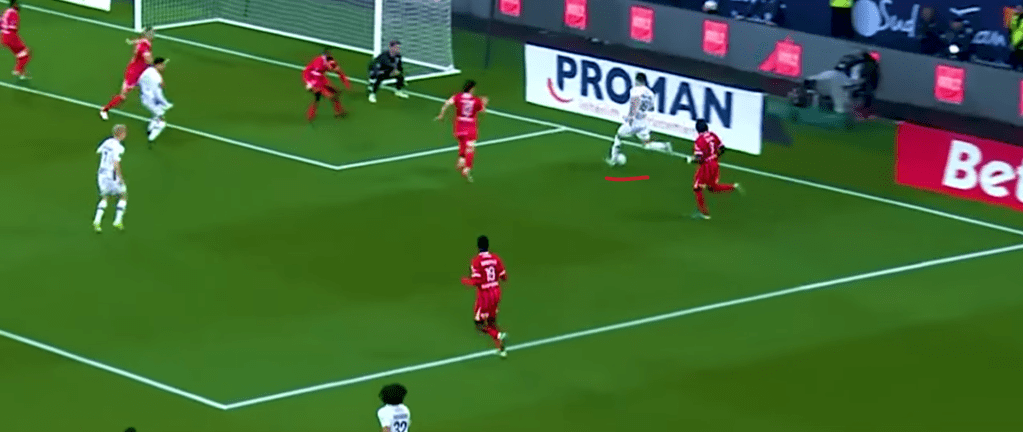
All the above examples certainly showcase Fernandez-Pardo’s expertise as a touchline winger. He’s very good at stretching the play and the opponent’s defence.

From his high-speed, highly technical play, there’s a good chance it ends in a goal-scoring opportunity for him, as in the example below.
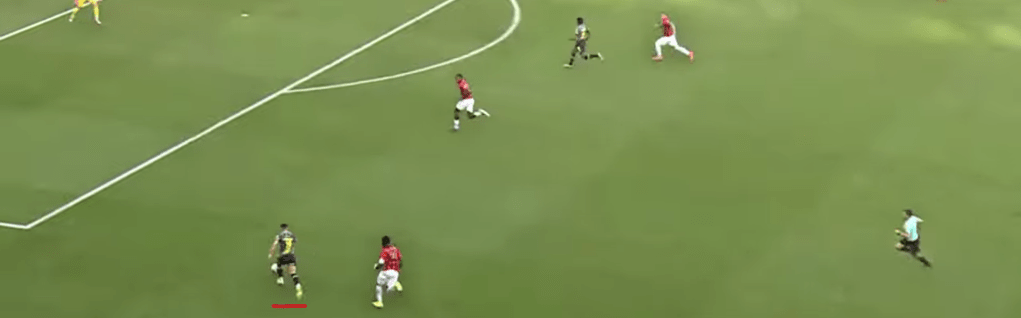
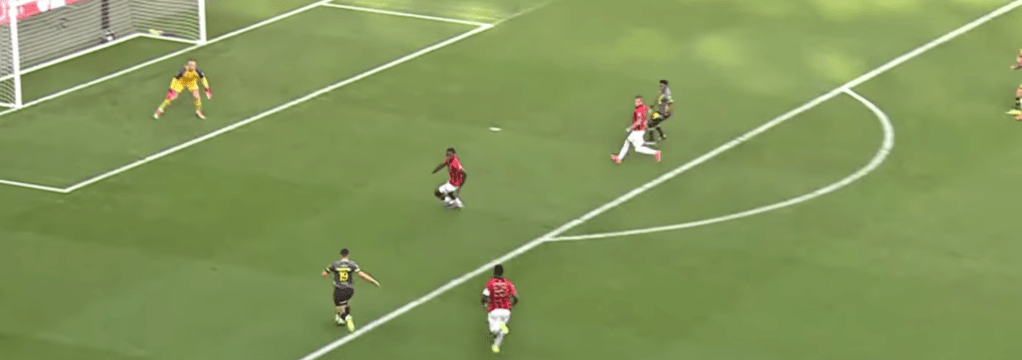
When given the opportunity to beat his man in those 1v1 scenarios, as Lille’s attacking approach demands, he fulfils those responsibilities with great regularity and consistency, whether on the left or the right.

Central creative brilliance

But, you wouldn’t do his abilities any justice if you confine Fernandez-Pardo to one of the wide roles.

While he’s exceptional as a winger, he’s also very adept and as dangerous in the central areas, whether that’s cutting inside from wide-left or performing as a #10.
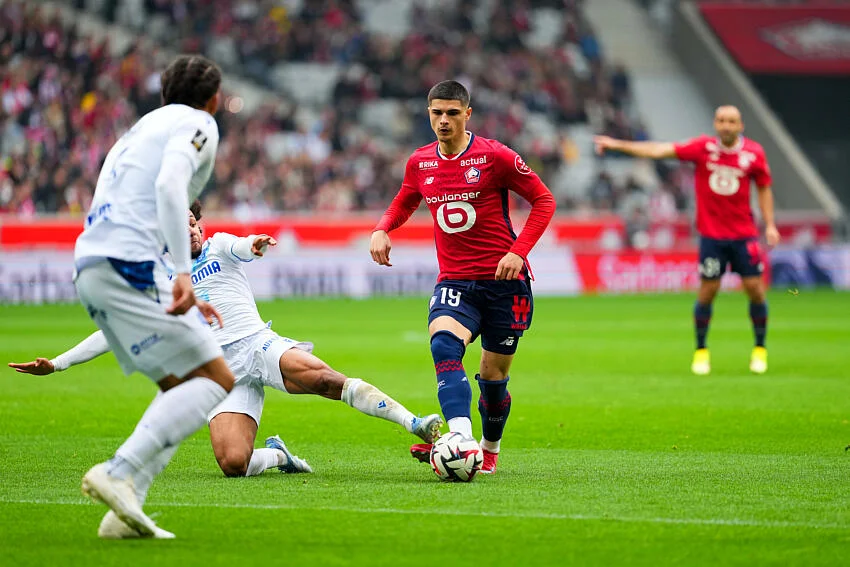
One facet that remains true of the former Gent attacker is that wherever he is in attack, he is effortlessly creative.

So far this season, he’s created four big chances and averages 1.3 key passes per game. In his last four Ligue 1 games for LOSC Lille, he has provided ten key passes (SofaScore).

His underlying stats make for good reading, too. According to FBRef, over the past year, Fernandez-Pardo ranks in the 85th percentile for attacking midfielders and wingers in terms of xAG per 90 (expected assisted goals), 79th percentile for assists per 90, 86th percentile for goal-creating actions per 90, and 88th percentile for carries into the opponent’s penalty area.

In Ligue 1 this season, at the time of writing, he ranks 1st out of all players in the French top flight for goal-creating actions (7), first for progressive carries (41), first for carries into the penalty area (25) and fifth for passes into the penalty area (18) (FBRef).
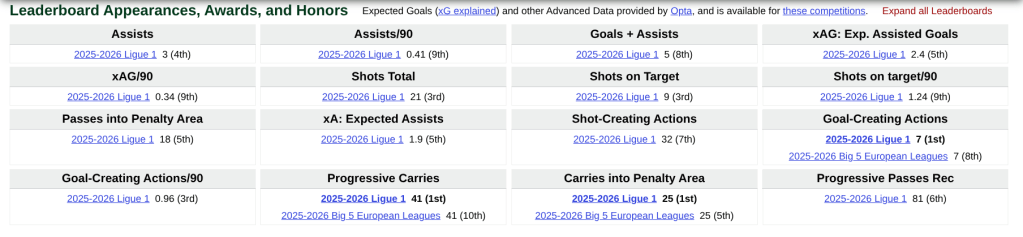
Of all players in Europe’s top-five leagues, he ranks 5th for carries into the penalty area, 8th for goal-creating actions and 10th for progressive carries.

Impressive reading, isn’t it? Remember when we pointed out that stats don’t always give a complete picture of a player’s abilities? In the case of Fernandez-Pardo, it doesn’t, but it certainly provides the ideal complement.

These numbers all stem not only from the youngster’s attacking brilliance, but also from his excellent variation and versatility. At specific points during 2025, he’s been asked to play at #10 or even as a false-nine outlet, as well as in his responsibilities out wide, and he’s taken them on and thrived.

When the former Belgium under-21 international picks up the ball in those central areas, extraordinary occurrences tend to happen.

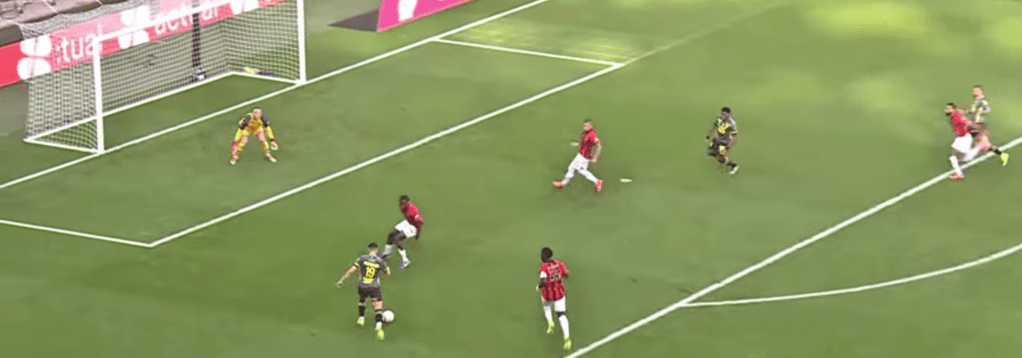
One of his four Ligue 1 goals last season came as a result of him picking the ball up deep in central areas.

As is the norm for Fernandez-Pardo, he drives at the heart of the opposition defence, and finds himself in a telling position, with two options to choose from…
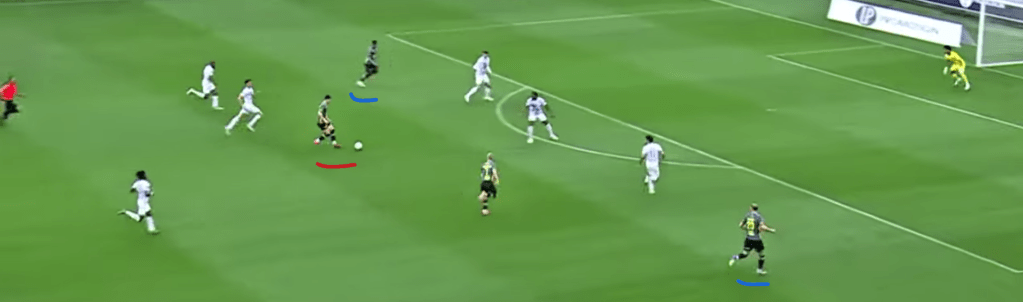
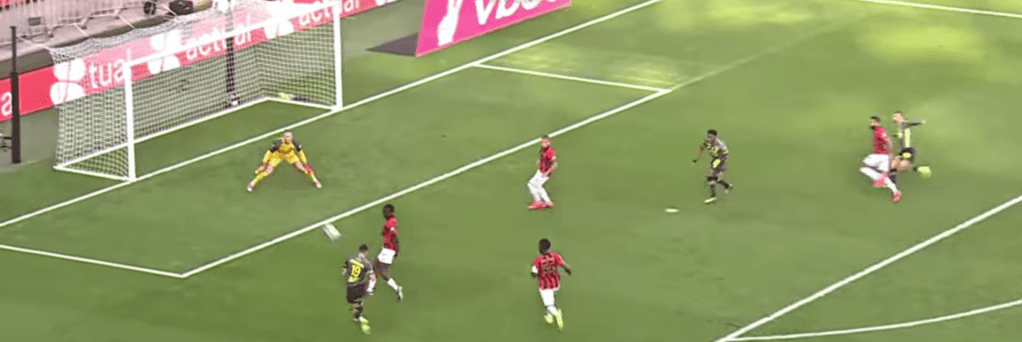
…he instead goes for goal himself, which is understandable given the opposition defensive line could possibly have both of those teammate options covered.

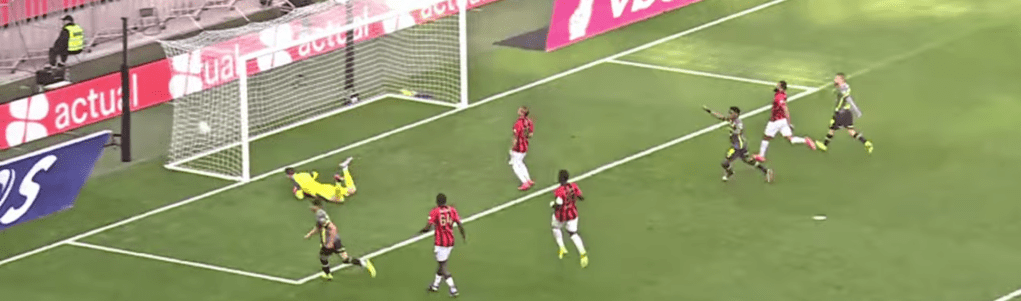
But, it turns out to be something special…
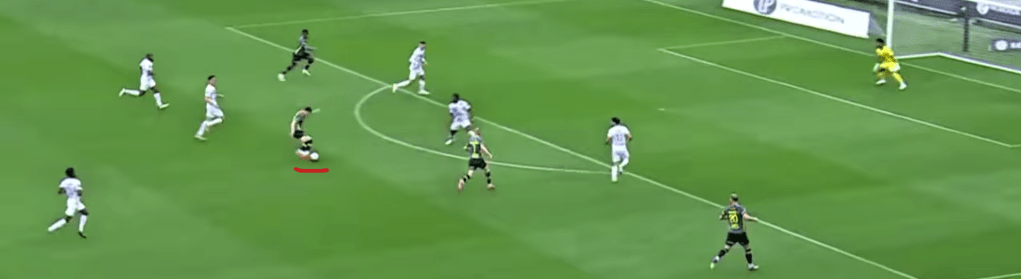
You’d be forgiven to think, as he’s attempting the strike, that it’s the wrong choice or that so many talents his age go on and take that shot but blaze it over the bar or mishit the shot wide.

But, given the Spaniard’s mentality and willingness to attempt the audacious, it somewhat pays off.

The first thing he does, however, picking up the ball and driving into such a position, is just as impressive, and once again highlights the kind of talent Fernandez-Pardo is. He doesn’t mind picking up the ball centrally, where he’s under most pressure when receiving.

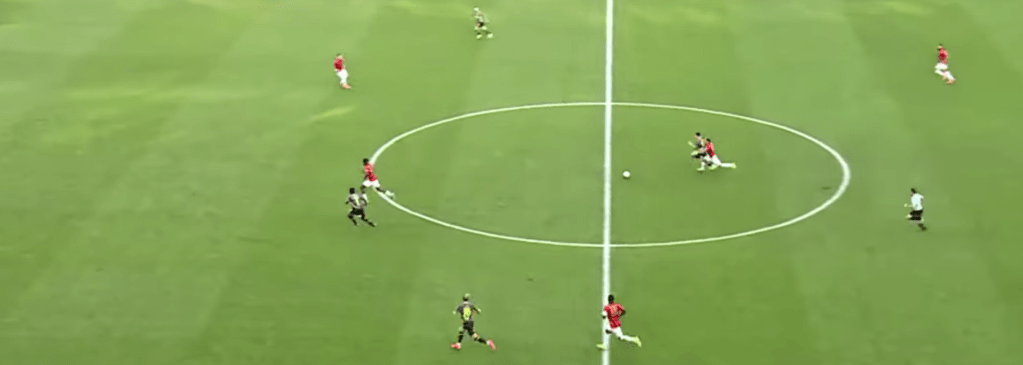
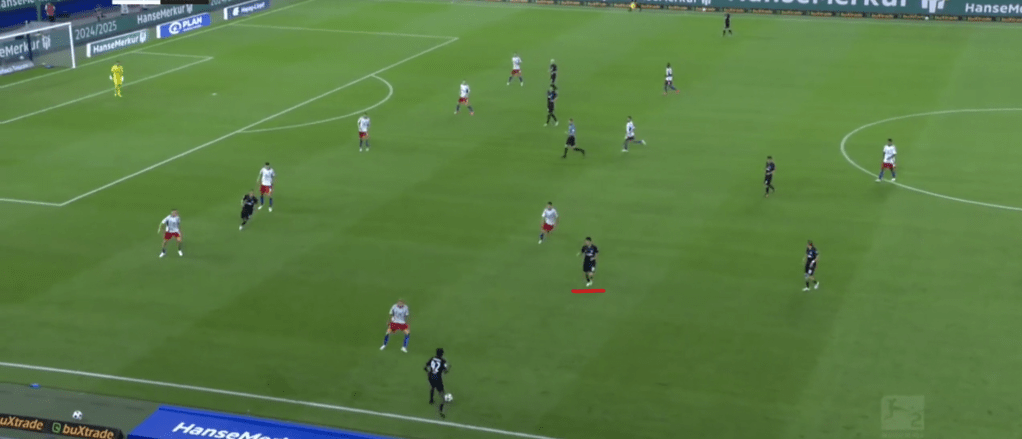
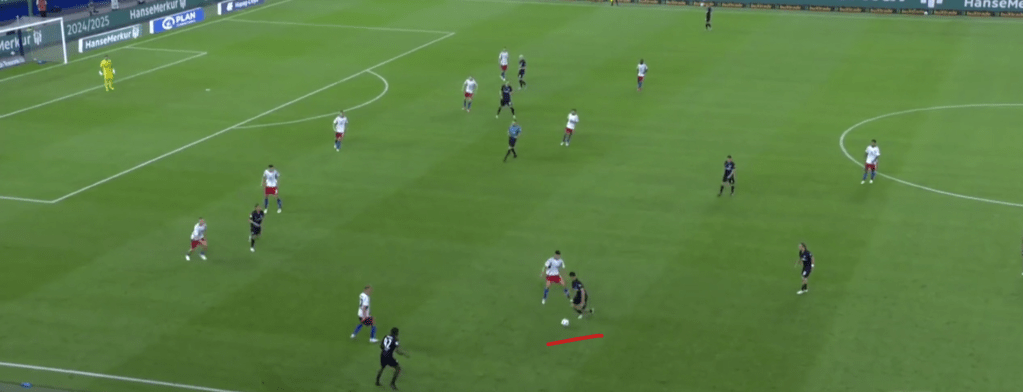
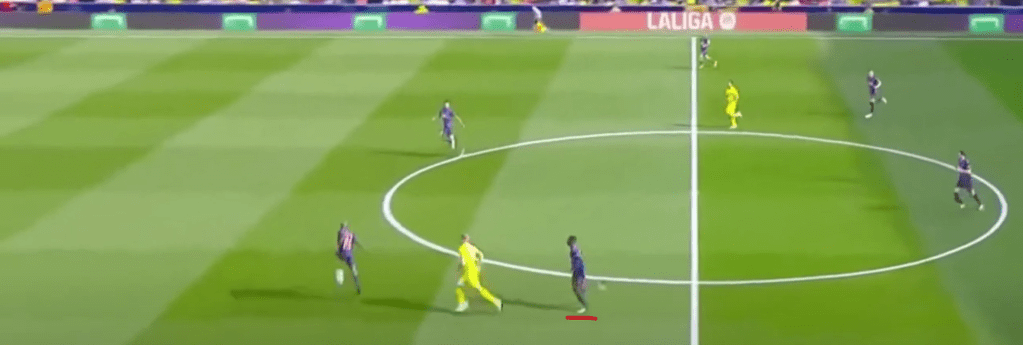
In the example below, he picks up the ball deep in his own half as Lille tries to play their way out of OGC Nice’s pressure, desperately needing an outlet to take the ball despite the press and evade it.

Well, step forward, Matias Fernandez-Pardo.

He comes to receive the pass, then immediately deceives the opponent by dropping his shoulder one way and moving the other, allowing the ball to roll across him.
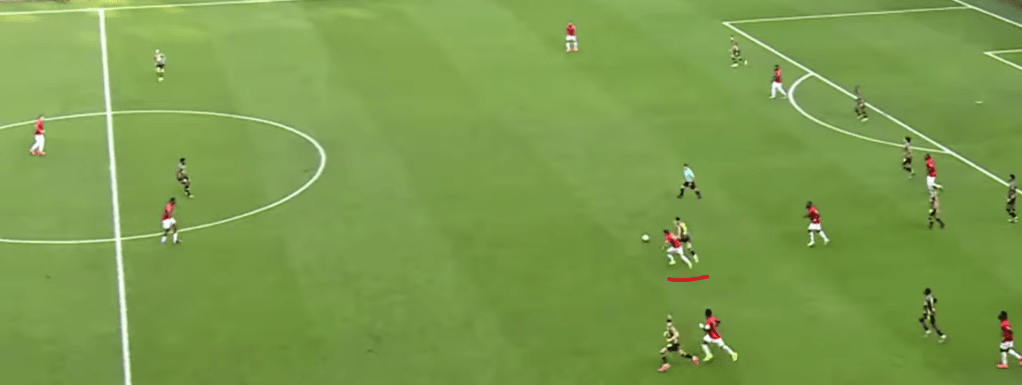
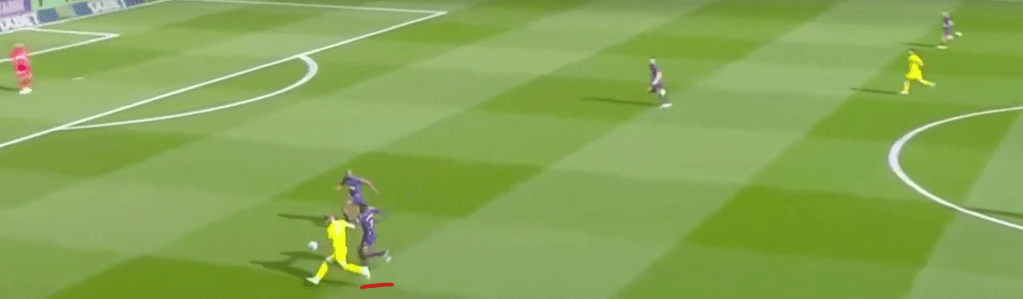
Now, look how the opponent’s high press is carved open by the Spaniard’s willingness and quality to pick up the ball centrally and drive his team into the attacking third, and as a result, he has three attacking teammates to pick out with a clear route to goal…

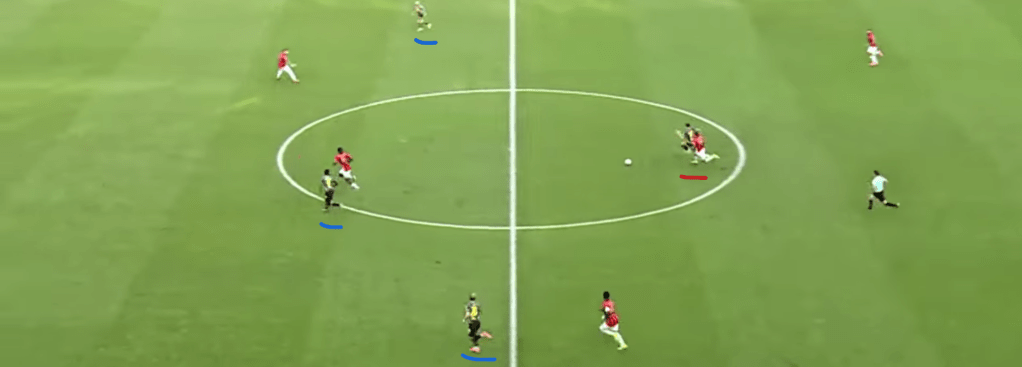
With Fernandez-Pardo in full flow and a complete picture of which teammate to choose from, the only way to stop him is to foul him, which the opponent desperately achieves.
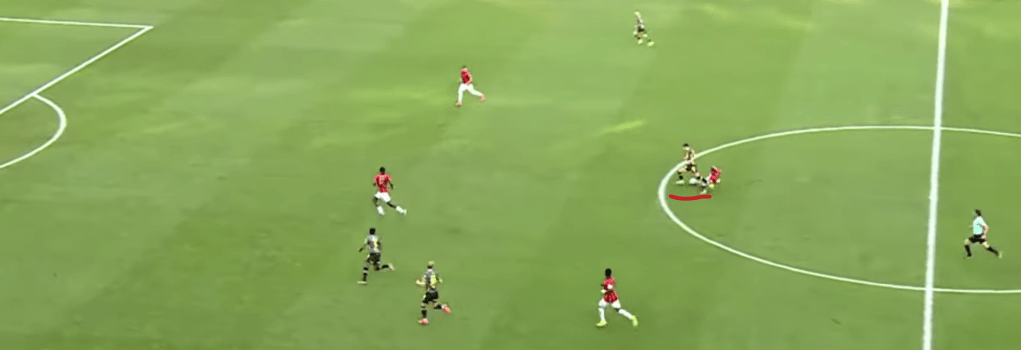
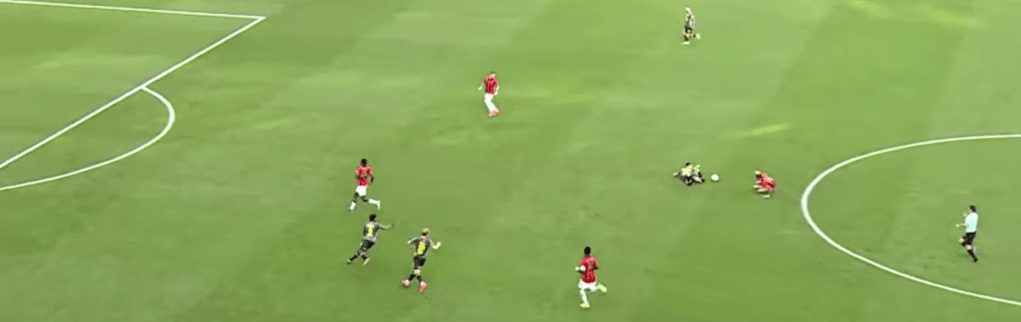
Once again, the young wizard is electric when he’s running at defenders or, in the above cases, defences. He is almost unstoppable, and the only way you can is by fouling him and risking punishment.

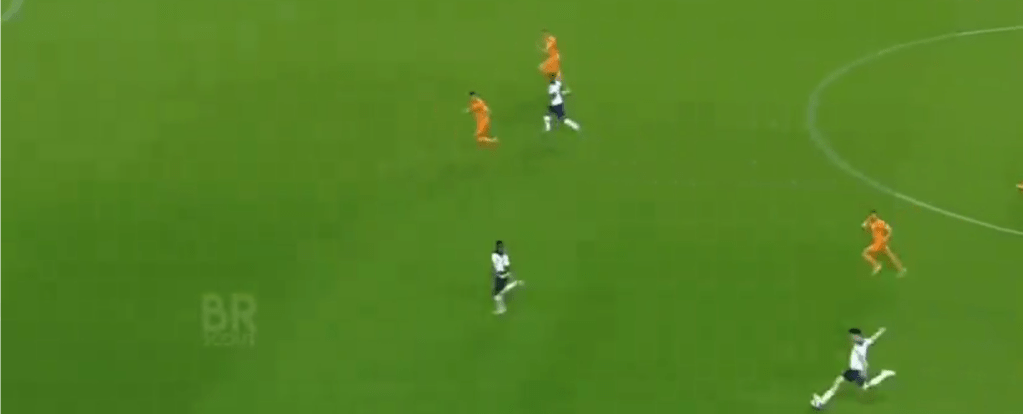
In another instance from the 2024/25 campaign last year, the 20-year-old picks up the ball in transition in between the opponent’s midfield and a dissected defensive line, with a full view of what’s ahead and the different avenues to goal…
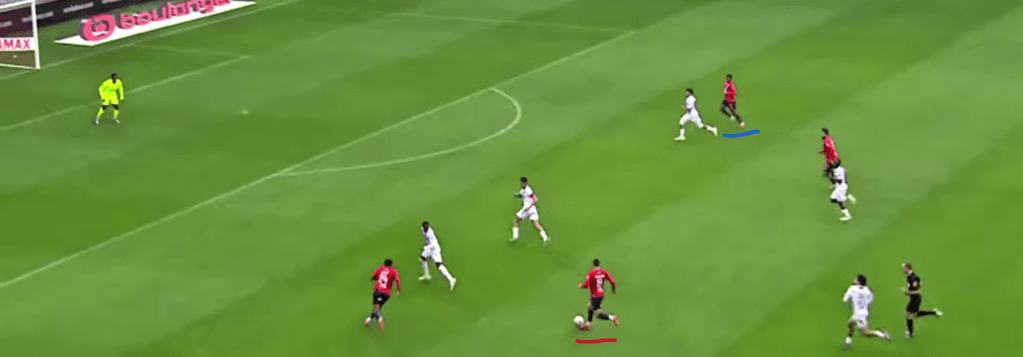
Rather than rush himself into making a decision before the midfielders join their defenders, he bides his time, takes a few more strides towards the box and allows his teammates to get into good positions for him to pass…
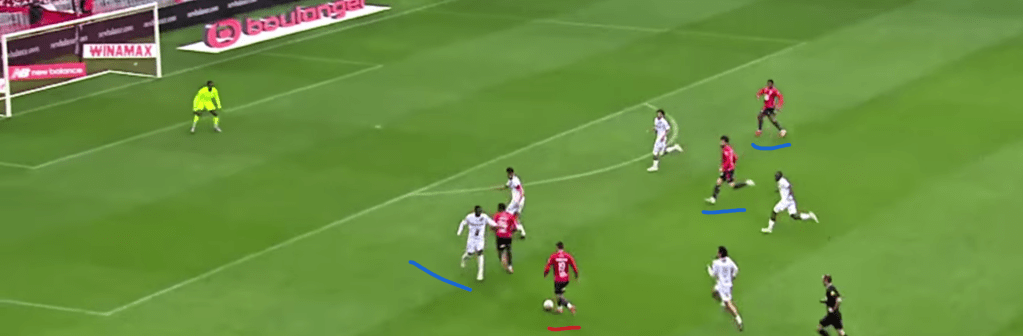
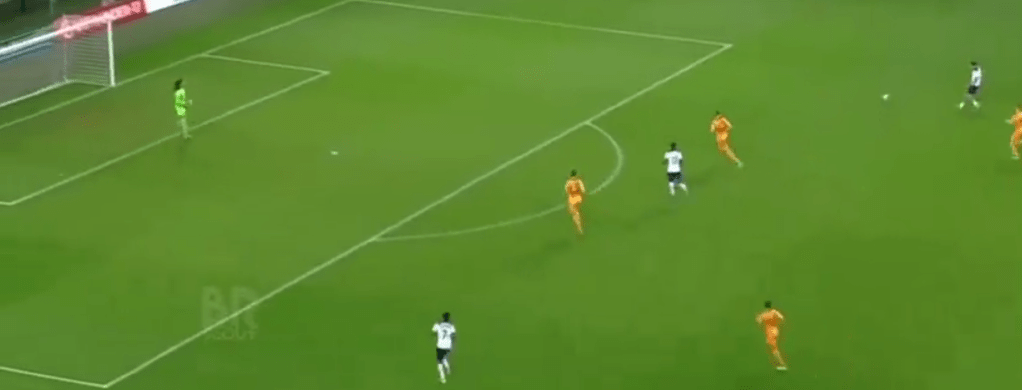
All three of his teammates are now in good goalscoring positions. He can either play a pass in behind the near-full-back, or to his teammate converging in the middle of the defence, or to Jonathan David on the far side, which seems the more difficult pass…
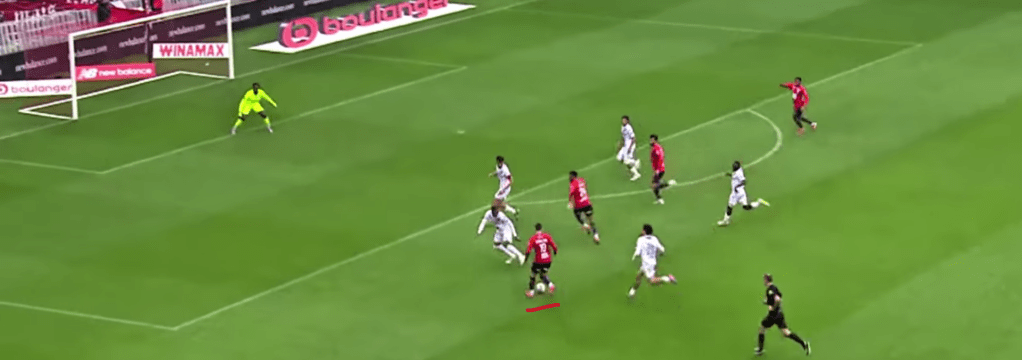
Again, what’s unique about Fernandez-Pardo is that he never once looks down at the ball; he’s always looking ahead, trying to pick out the right moment to release it. His feet are constantly moving, but his brain is meticulously calculating the best route to goal.

He then pierces an eye of the needle pass via the outside of his boot, in front of the defence, into the path of Jonathan David on the far side, who finishes with tremendous aplomb.
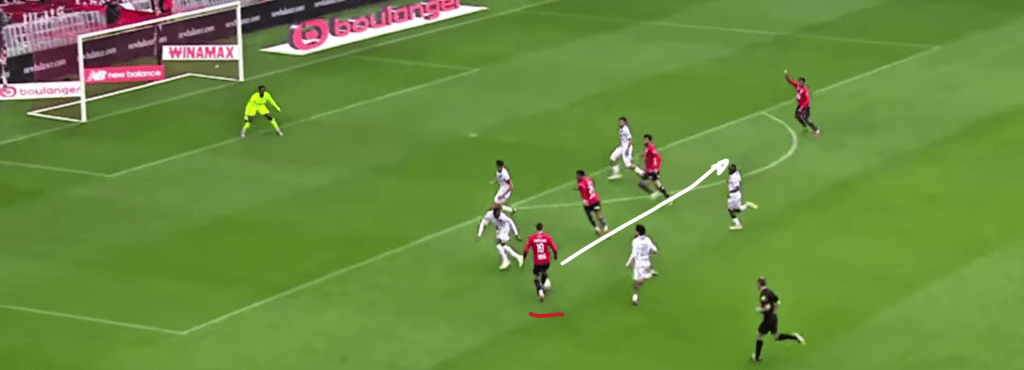
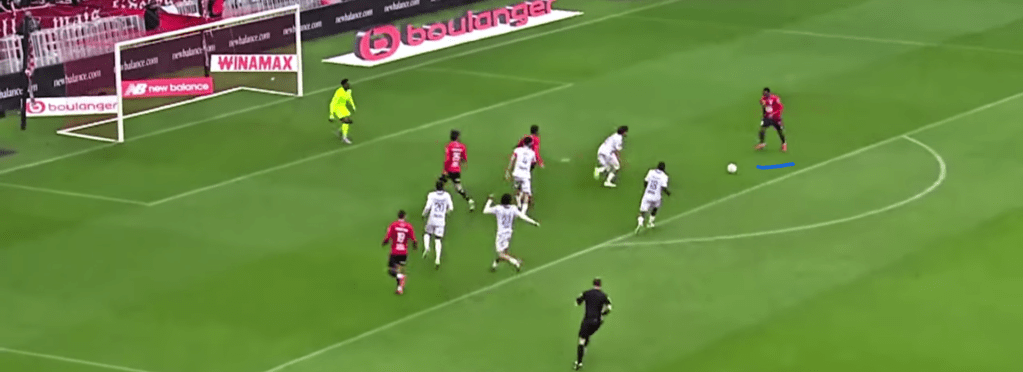
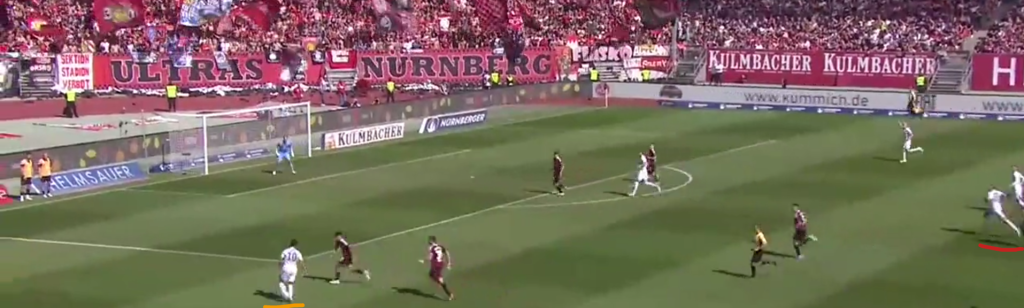
In another example, below, we see him take up a central position, pinning the centre-backs back into their penalty box,
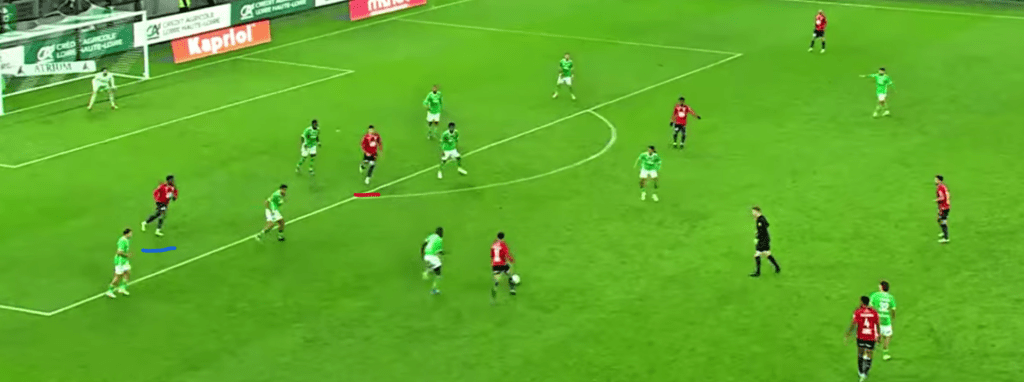
…but take note of what he does once he receives the pass.

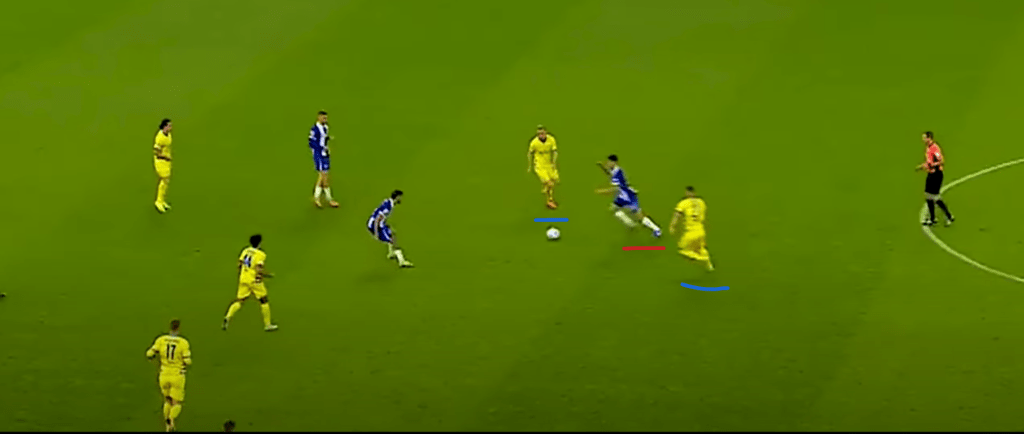
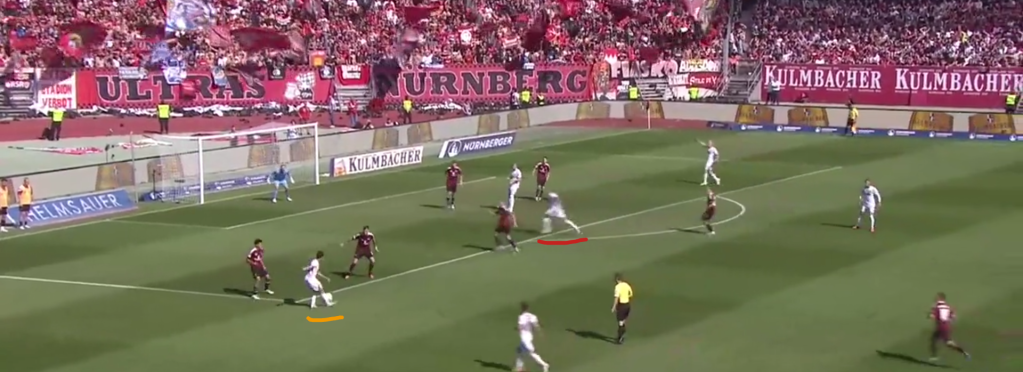
He showcases such exemplary awareness despite being surrounded by four defenders who can intercept him at any moment…
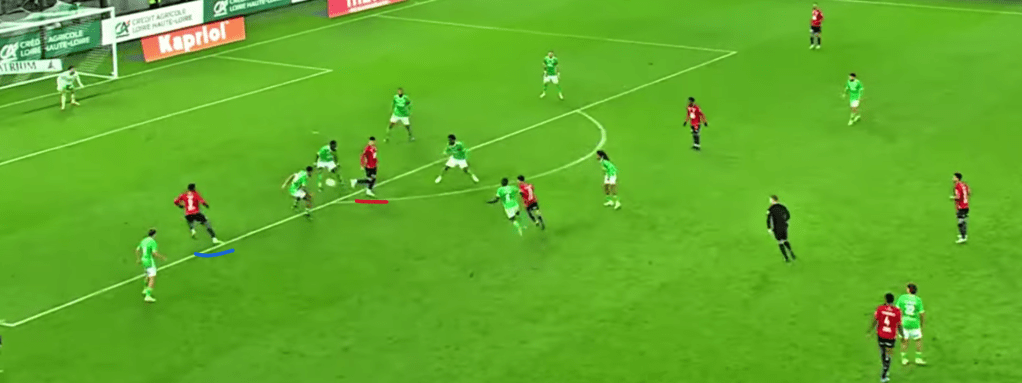
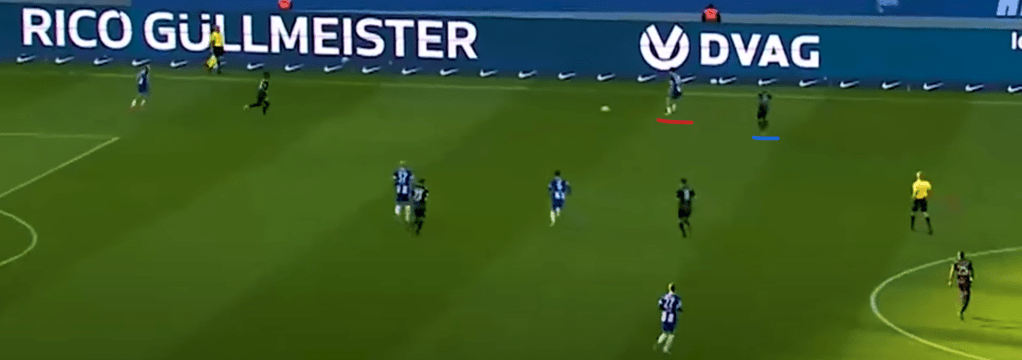
That doesn’t matter to him one bit. He completely takes them all out of the game with one sensational flick with his right boot into the path of Jonathan David (BLUE), who has a clear route and shot at goal.
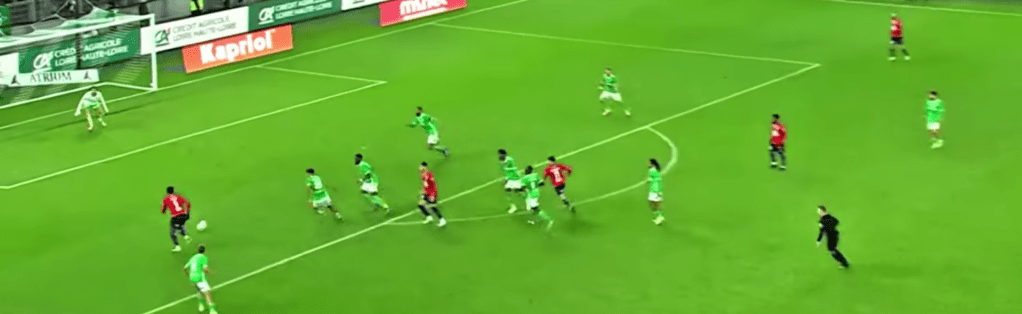
But the Canadian striker surprisingly scuffs his opportunity. However, it’s another fine example of Fernandez-Pardo’s extraordinary imagination, awareness and creativity despite the tight situation.

It’s why LOSC Lille coach Bruno Genesio has no problem playing him as a striker should the situation call for it.

Can he play as a striker, too?

The 20-year-old may not be your typical modern-day #9 when he’s playing there. As we’ve stated in this piece, he does have the quality and mentality to perform in central areas, but he becomes more of a half-nine or a false-nine, as we’re more familiar with.

One who can drop deep to receive with his back to goal, link the play, drag a centre-back marker out of position and allow his attacking teammates to run beyond him so he can feed them.
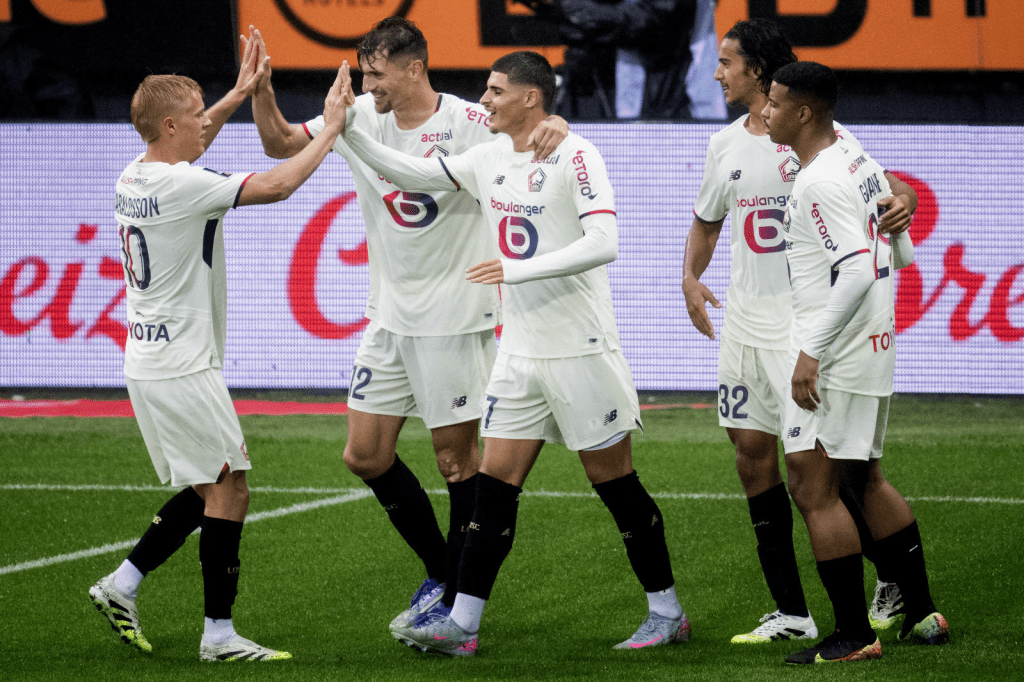
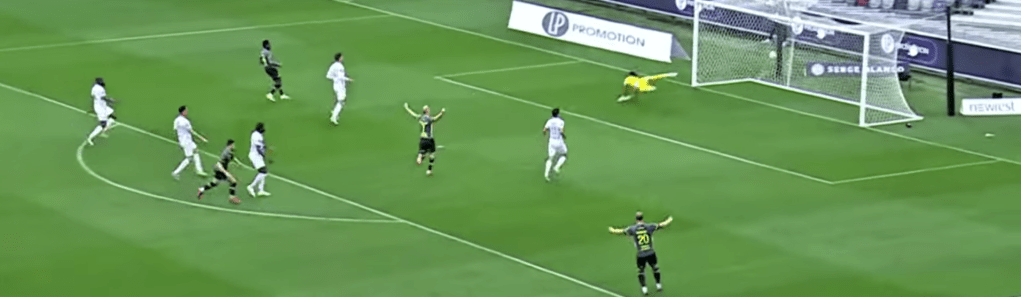
Fernandez-Pardo celebrates one of his two goals in LOSC Lille’s 7-1 Ligue 1 win over FC Lorient

However, he does have the instincts of a proper #9 through his off-ball runs, peeling off defenders to create space to shoot or create, and, at specific points, occupying the box.

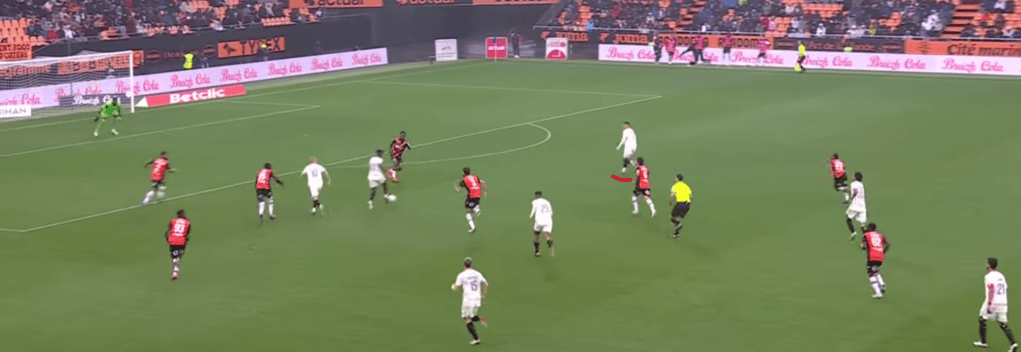
In Lille’s 7-1 Ligue 1 win over FC Lorient on 30 August, the young forward was handed the #9 role, with Olivier Giroud out injured and Hamza Igamane starting on the bench, after only joining from Scottish Premier League giants Rangers a day earlier.

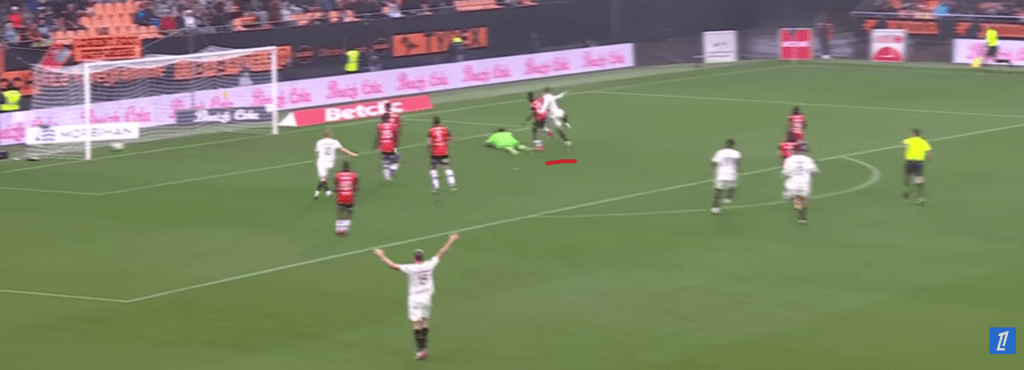
He duly paid back Genesio’s faith in him that day by scoring two goals and an unconventional assist, which won’t be registered as an official one, given his shot came back off the bar for Igamane to tap home.

Still, his actions in the lead-up to achieving those goals demonstrate his excellent maturity, positional intelligence, and undeniable creativity in the attacking third.

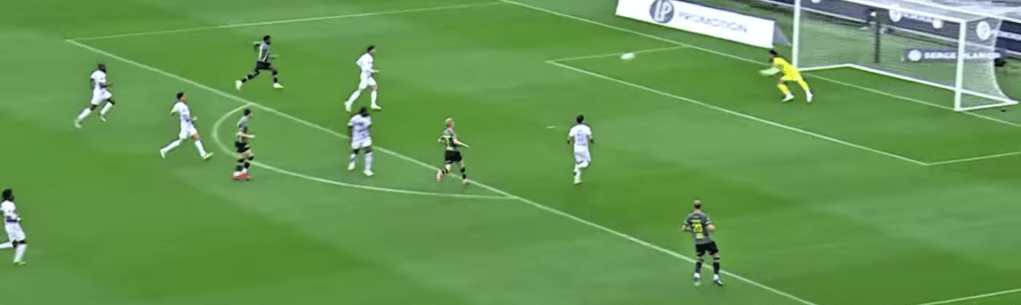
The first of his two goals, the Spaniard has peeled off the back line, looking to get involved with the play. When the ball is won in the air by Igamane, Felix Correia takes advantage of a slack Lorient defence, with Fernandez-Pardo already on the move on the far side…
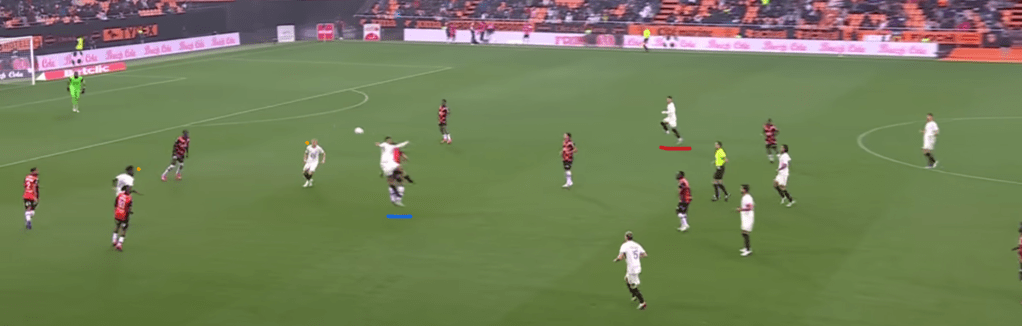
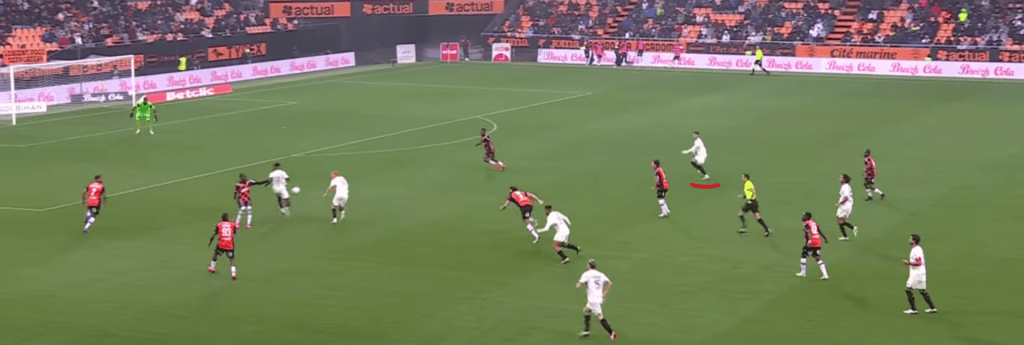
With Igamane, who is an out-and-out #9, on the pitch at this moment in the match, Fernandez-Pardo is played as the second front man in a 4-4-2. His movement beyond the former Rangers man and exploiting the gaps in the opposition defence is excellent.

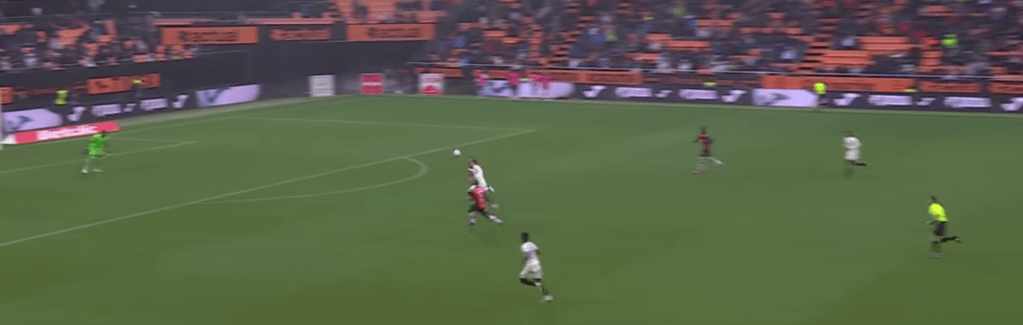
Another fine example of his excellent #9 mentality when called upon is not only in his dropping deep and linking the play, or helping his side get out of pressure when he drops, but he’s also capable of stretching the defence through well-timed last line movement and runs.

Before he even makes the move, he’s aware of what’s around him. The opposition back-line is sitting high, so he can potentially exploit the space behind, but also, his teammates are nearby. Should the ball fail to reach him over the top, they can win the second ball or press the opposition.
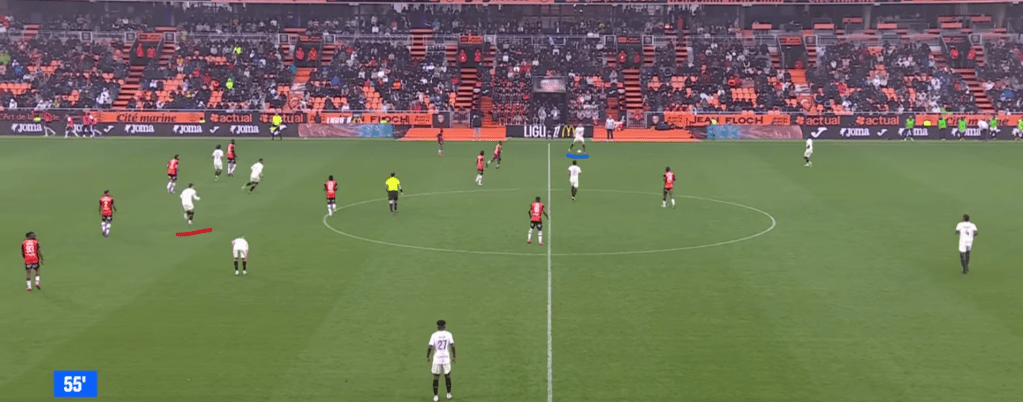
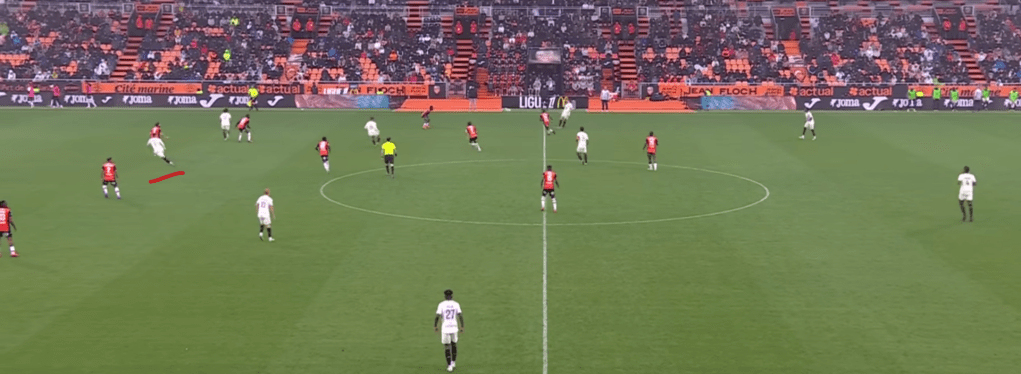
He also brilliantly checks his run to ensure he’s onside…
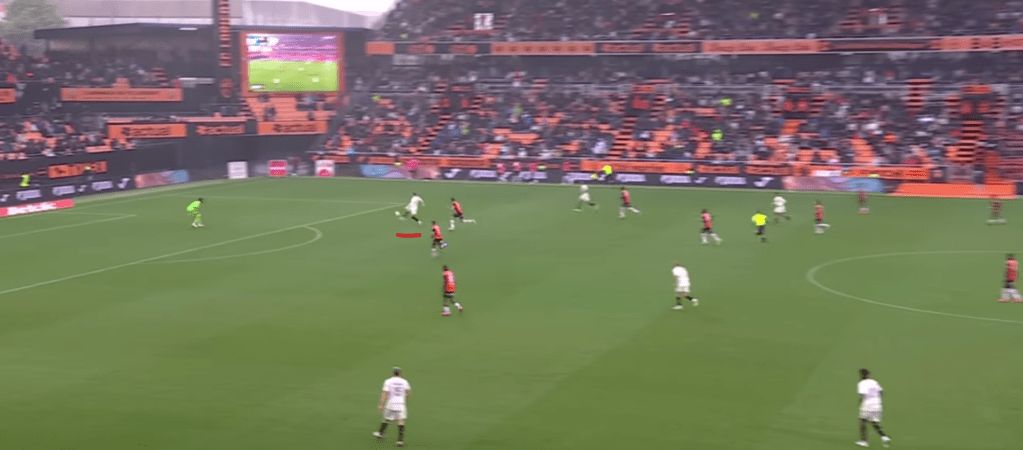
…and the long pass finds him beyond the FC Lorient defence, and through on goal, taking an excellent first touch…
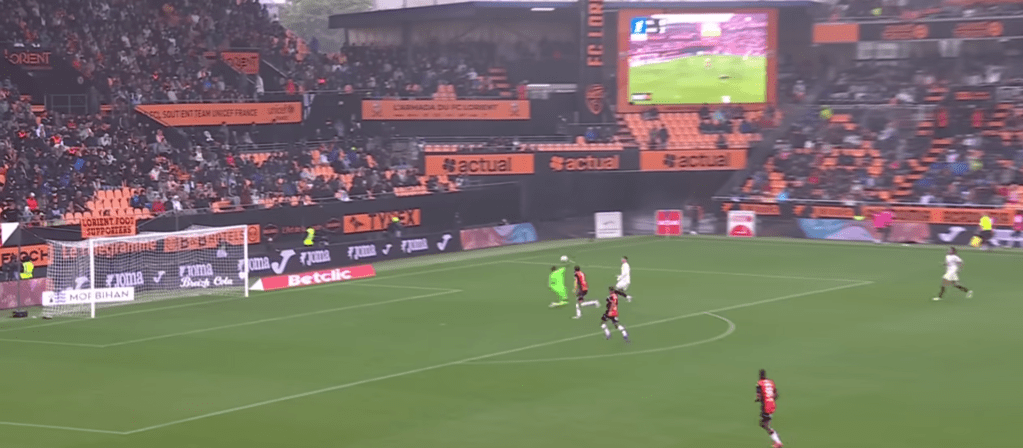
…before attempting an audacious lob
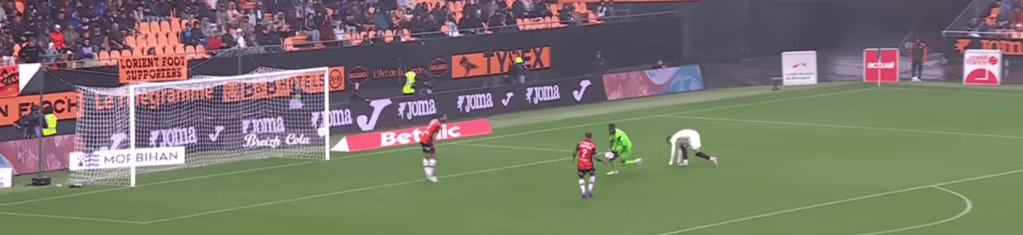
…but the goalkeeper reads his intentions well.

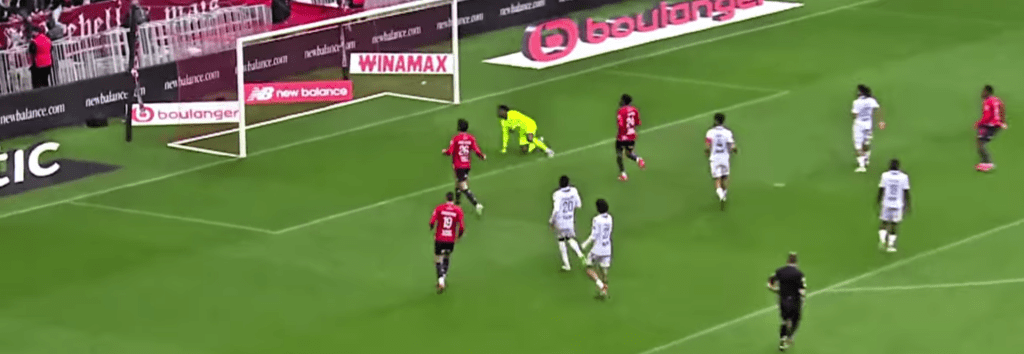
Indeed, it’s a chance he should put away, and he knows it. Still, with such an admirable mentality and determination to put it right, he gets another similar goal-scoring opportunity and puts it away for his second.

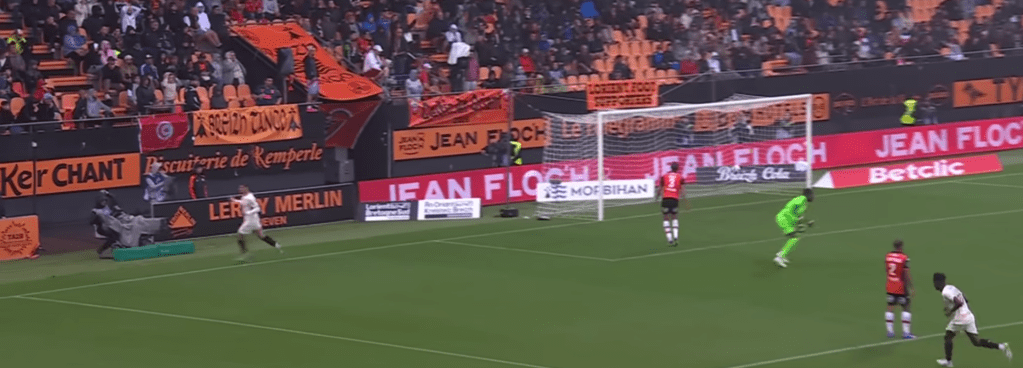
Here, Lille goalkeeper Berke Özer delivers a long ball, hoping to find one of his attacking teammates. The first to engage is an FC Lorient defender, who inadvertently attempts to head back to a teammate behind him but completely misjudges the situation, as his defensive line is so high that it presents an opportunity for Fernandez-Pardo to take advantage…
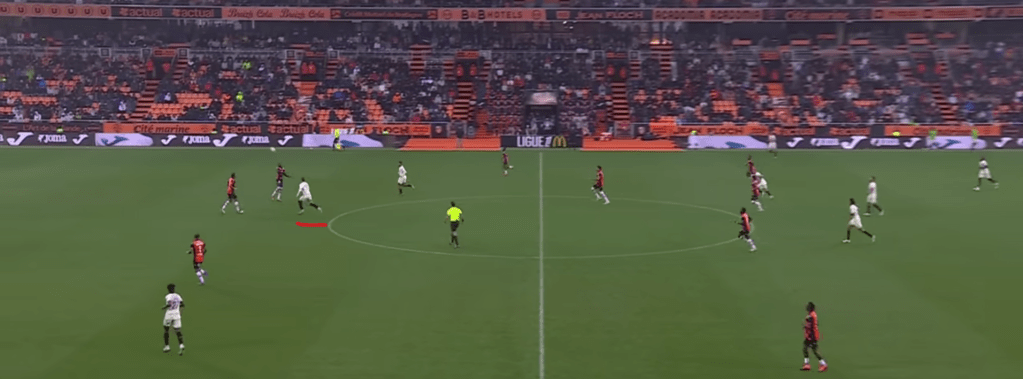
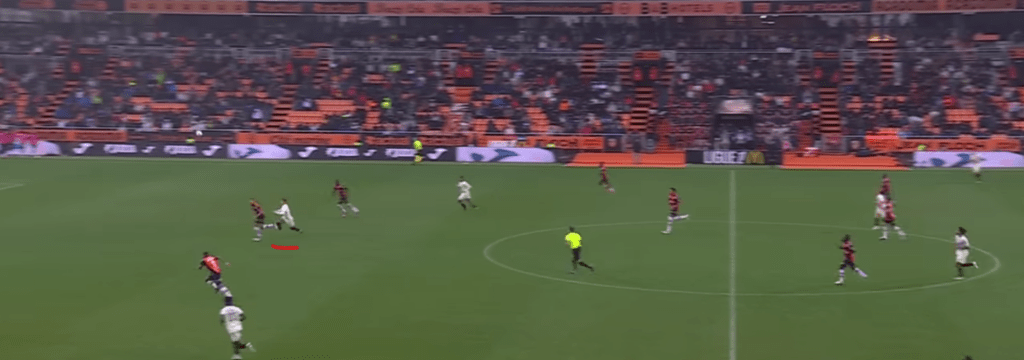
…the FC Lorient defenders simply fail to deal with the loose ball and are punished by the Spaniard’s tenacity, determination and attacking quality.

With his searing pace and ability to withstand any sort of desperate contact from the defender, he’s through on goal within an instant, and finishes with consummate aplomb…
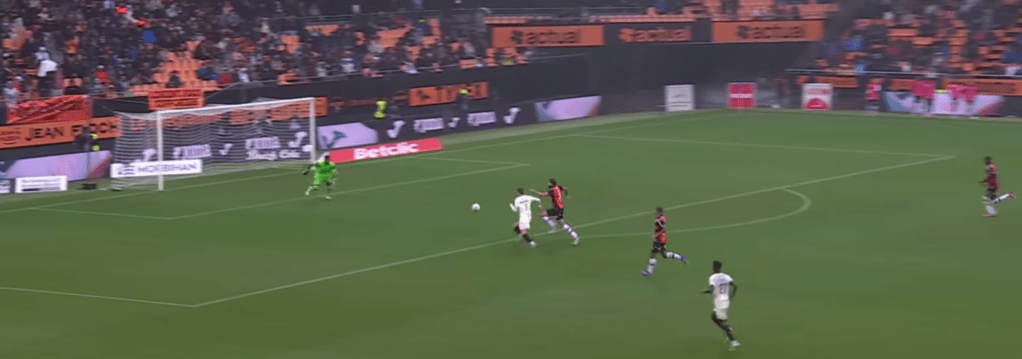
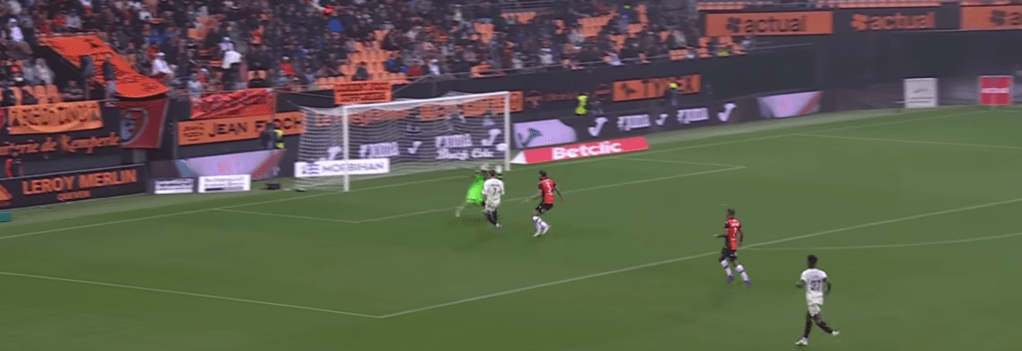
When chasing down loose balls or facing off against hesitant defenders, persistence and determination to turn those situations into opportunities are very crucial, and we’ve seen Fernandez-Pardo can do it, as shown in the example above.

Weaknesses His Strength

Off-the-ball improvements needed?

However, he doesn’t do it often enough, and the stats indeed prove why.

As per Footverse & FBRef, Fernandez-Pardo sits in the 27th percentile among attacking midfielders and wingers when it comes to tackles made in the attacking third. This statistic reveals that he struggles to win duels when opposing defenders control the ball in their own territory, making him less effective in high-pressure situations.

His performance is equally concerning in the middle third, where he ranks in the 18th percentile for tackles. Disturbingly, he falls to the bottom 5th percentile among wingers for both tackles and interceptions, painting a picture of a player who is often disengaged from the defensive effort.
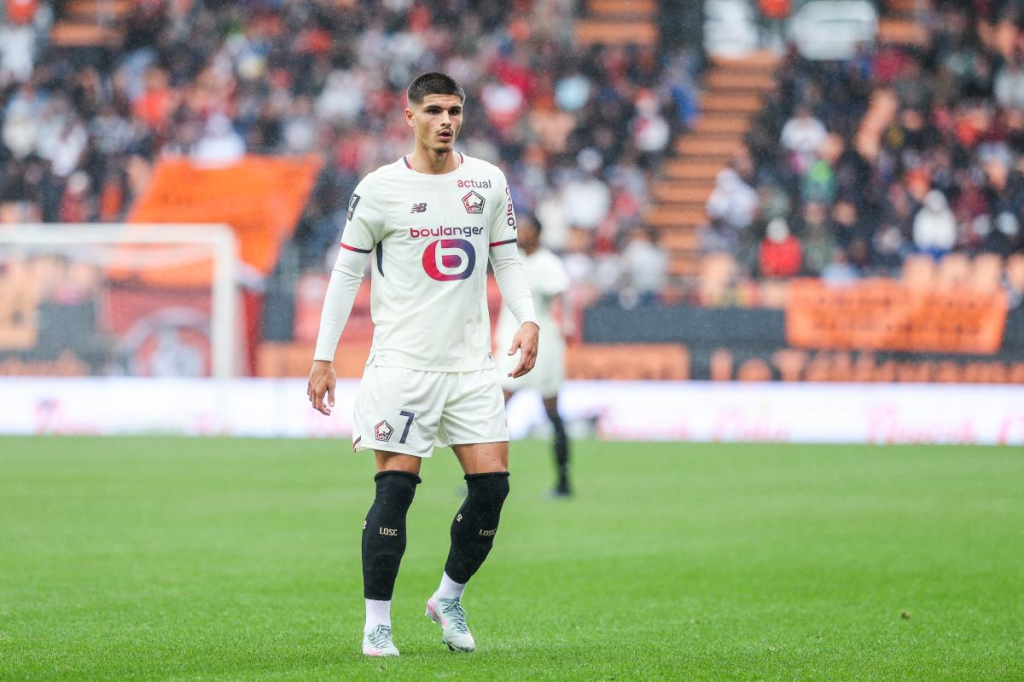
In today’s fast-paced football landscape, many elite teams place a premium on reclaiming possession high up the pitch, either through aggressive pressing against teams that build from deep or relentless counter-pressing after losing the ball during an attack. For Fernandez-Pardo, honing this crucial aspect of his game is imperative if he aspires to make a significant leap to a top league.

Attackers who fail to excel within pressing frameworks can become detrimental to their teams, providing the opposition with considerable time and space to slip away from their grasp and capitalise on the gaps left behind.

In an era where every second counts in such pressing scenarios, this vulnerability cannot be overlooked and must be addressed.

End product consistency (final pass & shot selection)

While we have delved deeply into Fernandez-Pardo’s impressive skill set in the final third, it is crucial to recognise that his conversion rate and decision-making often fluctuate.

There are moments when he makes the daring choice to shoot from less-than-ideal angles, risking the opportunity to score rather than assessing the situation with a more strategic eye.

Additionally, he occasionally holds the ball for an extra heartbeat, allowing precious seconds to slip away when a swift layoff to a nearby teammate could ignite a more promising scoring opportunity. This tendency to delay can overshadow his potential, preventing his team from fully capitalising on dynamic attacking situations.
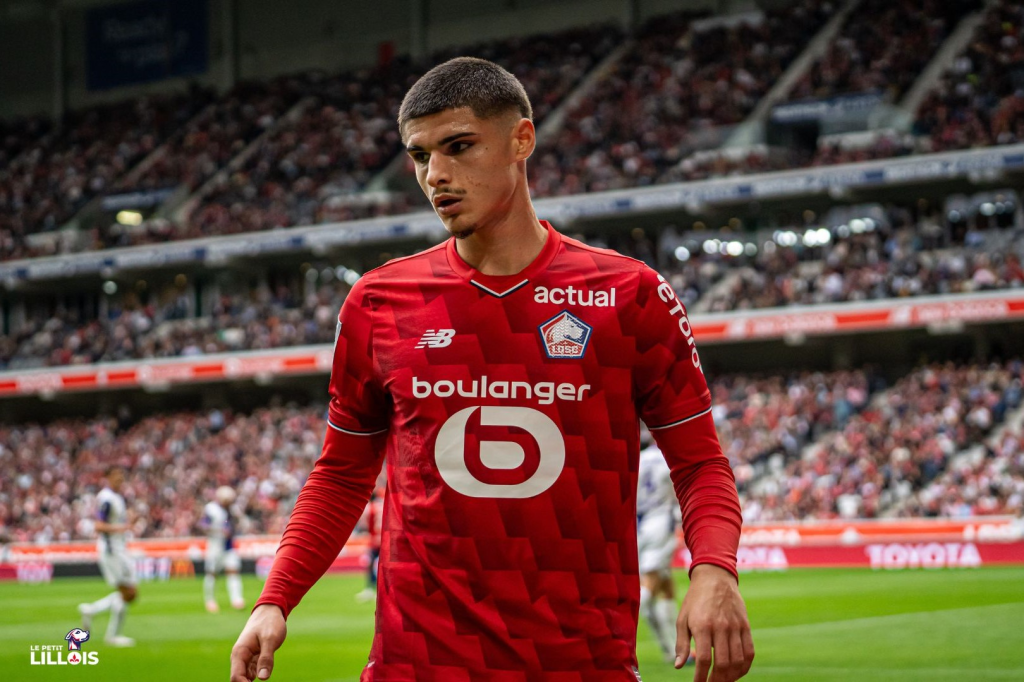
If the 20-year-old is to reach his full potential as an elite winger, he will undoubtedly need to improve his consistency in decision-making in the final third.

However, that’s why he is at a club like LOSC Lille, where he can continue working on those areas without scrutiny and pressure, where he has the room and platform to make mistakes and learn from them. There is arguably no better club in France for providing that environment and platform than at Les Douges. The number of talents who have come through and on to bigger stages from their academy is pretty strong proof of such.

Weaker foot variation

Another factor the Brussels-born winger will need to significantly improve upon is the increasing use and effectiveness of his weaker foot, especially when crossing from the wide areas or shooting when a glaring opportunity presents itself.

He’s certainly unpredictable when gaining separation from his marker and ghosting past them to advance into the penalty area, but what about when he faces a defender who reads him well and forces him onto his left foot?

If we look at all the best 1v1 and destructive attackers on the continent right now, they’ve all mastered the art of utilising their left when the chance presents itself. One player who has emerged from the LOSC Lille talent factory and has now become one of the best in his position on the planet, thanks to his incredible unpredictability and masterful use of both feet, is Rafael Leão.
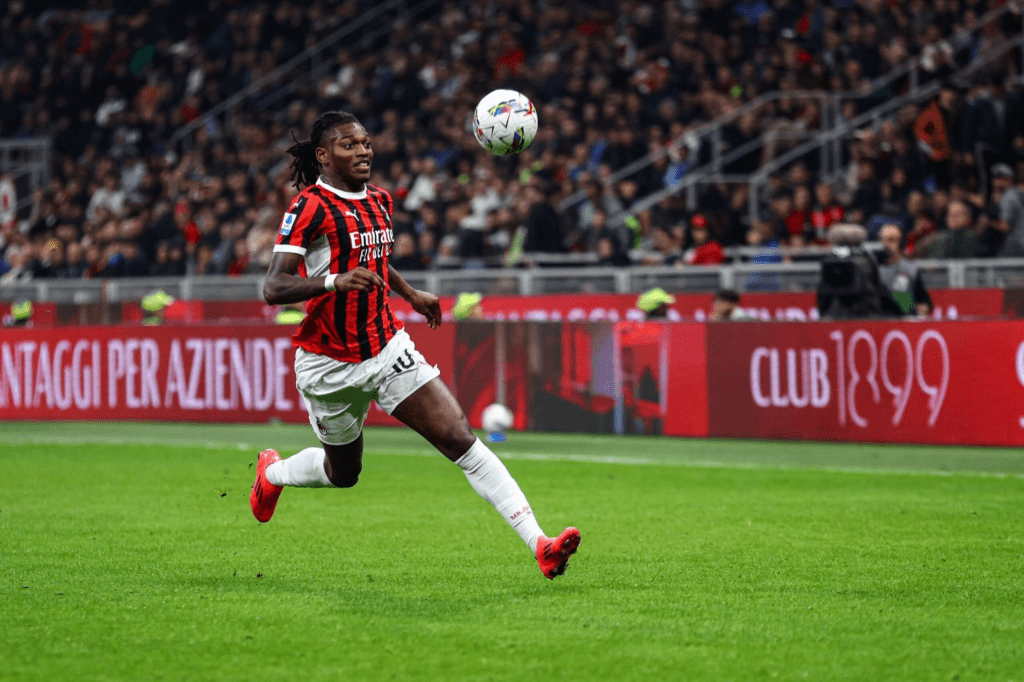
What about fellow countryman Hazard and his destructive ability with both feet? It’s not to compare Fernandez-Pardo with both players, but Leao and Hazard have reached the heights they have because of the incredible consistency in the variations of their attacking style.

Must increase 30-minute flashes

As a promising young talent, Fernandez-Pardo demonstrates remarkable explosiveness and the ability to make significant contributions to games in short, impactful bursts. His moments of brilliance can shift the momentum in favour of his team, showcasing his skill and creativity on the field.

However, there are instances during matches when he seems to fade into the background, becoming less involved in the action. This inconsistency highlights a critical area for development: enhancing his stamina and maintaining focus throughout the entire match.

The objective is to transform those dazzling 20 or 30-minute performances into sustained 90-minute displays of influence, enabling him to consistently and effectively impact both defensive and offensive phases. By building his endurance, Fernandez-Pardo can become a more reliable presence on the pitch, maximising his potential and contributing consistently to his team’s success.

What Does the Future Hold For Fernandez-Pardo?

There’s no doubt that Matias Fernandez-Pardo is on his way to becoming a future superstar.

This is quite simply a maverick-type talent, capable of changing games instantly through his exceptional technical and dribbling qualities, his unique tactical intelligence and versatility, and not to mention his elite ability in one-on-one scenarios out wide.

Currently, he is in an ideal club environment that supports his rapid and impressive development.

LOSC Lille has established a stellar reputation for cultivating emerging football talents, providing players like Fernandez-Pardo with the necessary environment to thrive.

The club not only offers a supportive platform but also allows these young athletes the crucial time needed for growth and development. This approach has proven successful with players such as Baleba, Chevalier, and Yoro, who have all transitioned to noteworthy careers.

The promising trend continues with Fernandez-Pardo, Bouaddi, and Haraldsson, three extraordinary prospects who are already drawing interest from top-tier clubs across Europe. Their exceptional skills and performances have not gone unnoticed, indicating that it won’t be long before they receive enticing offers from some of the continent’s elite teams.

Fernandez-Pardo, now 20 years old, is in the midst of his second full season with Lille. Being at this stage in his career, he is under no pressure to rush into a high-profile transfer. Instead, he can focus on honing his skills and making a meaningful impact on the pitch while the right opportunity presents itself in the future.

Genesio has led Lille on an upward trajectory once again in the French top-flight

The club are on the up again under Genesio, currently fourth in the French top flight at the time of writing, and are very much amongst the leading pack of clubs expected to be in the latter stages of the Europa League as the season progresses, which you could argue is the ideal level for the exciting young winger to develop and mature his game.

The decision to switch his international allegiance to Spain may provide him with increased visibility and valuable playing time with the under-21 national team.

This opportunity likely offers a superior platform for him to showcase his remarkable skills on an international stage, especially when compared to his earlier experiences representing Belgium.
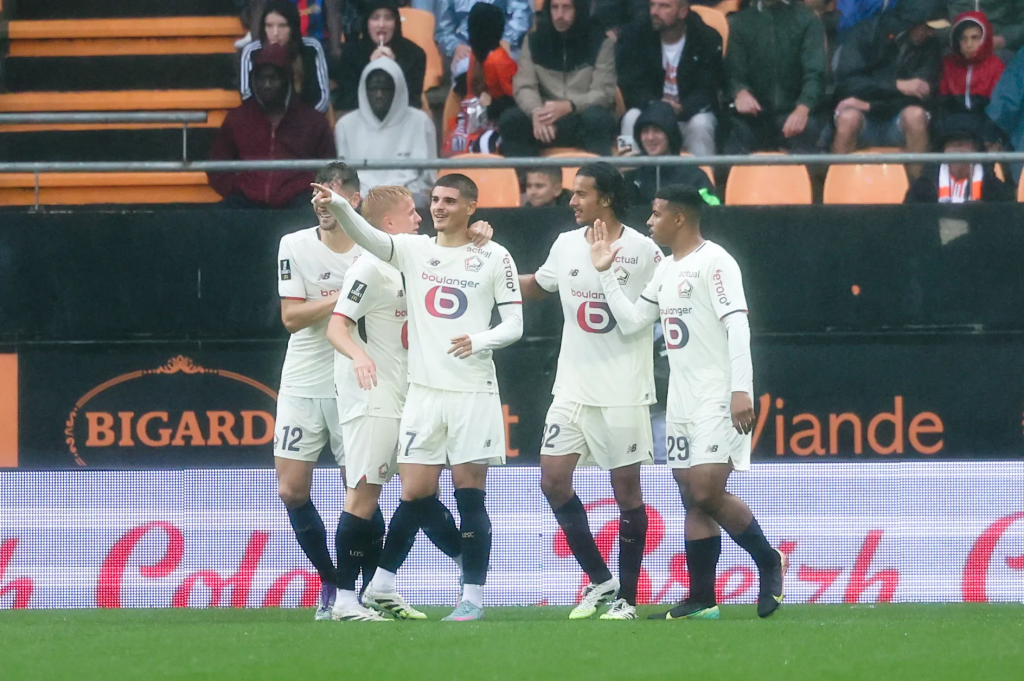
If this talented player from Gent continues to progress at his current rate, it would indeed be surprising if he didn’t catch the eye of some of Europe’s top clubs by the time the summer of 2026 arrives. Lille, known for its exceptional track record in the transfer market and ability to nurture players, is likely to consider letting him move on should they receive an attractive offer.

In the meantime, it’s crucial for Fernandez-Pardo to stay humble and focused while training at Lille, which is recognised as one of the premier talent development hubs in Europe.

With access to world-class facilities and coaching, he possesses everything he needs to unlock his immense potential. There’s no reason why he can’t join some of his predecessors, such as Baleba, Yoro, and Diakite, and more directly, Leao, amongst Europe’s elite in the near future. It’s where his unique and undeniable talents are meant to be.
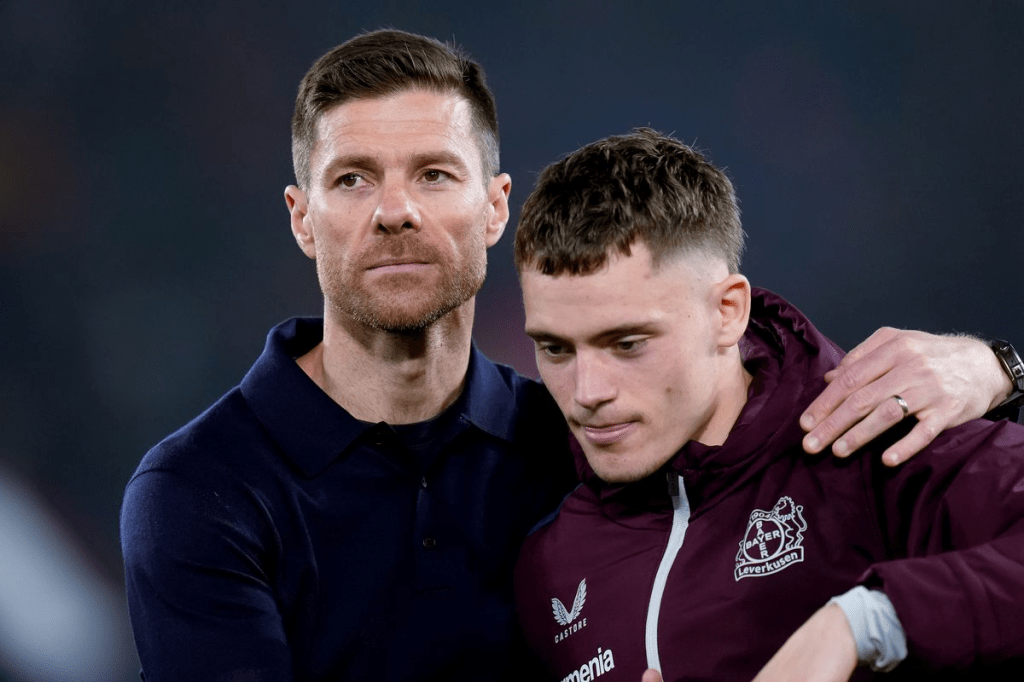
Meet Ibrahim Maza: Florian Wirtz’ Ideal Successor at Bayer Leverkusen?

Meet Ibrahim Maza: Florian Wirtz’ Ideal Successor at Bayer Leverkusen?

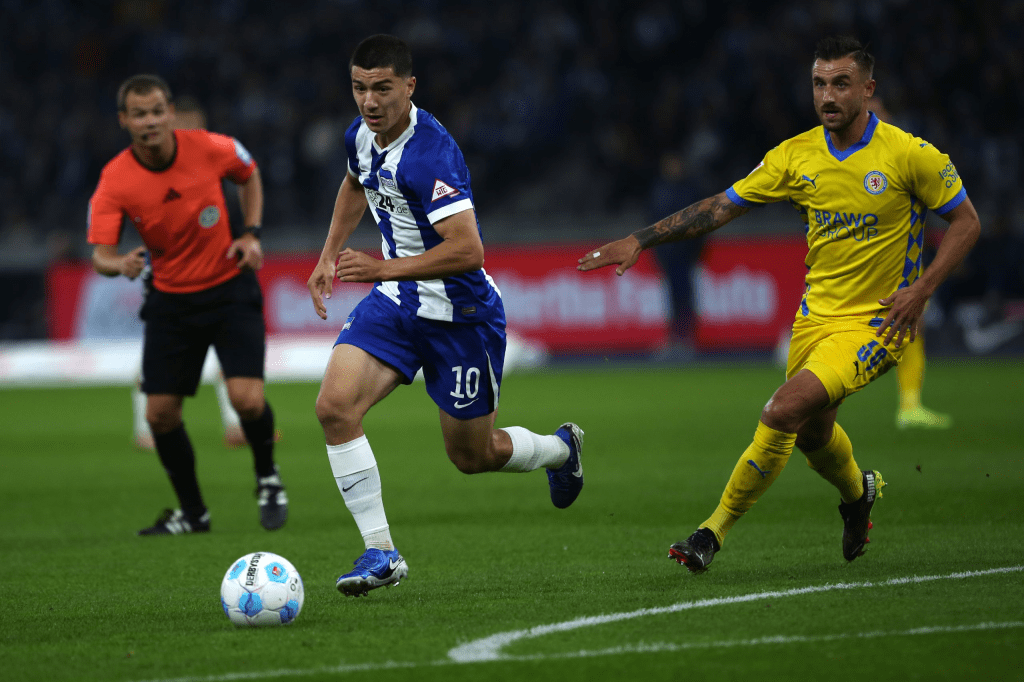
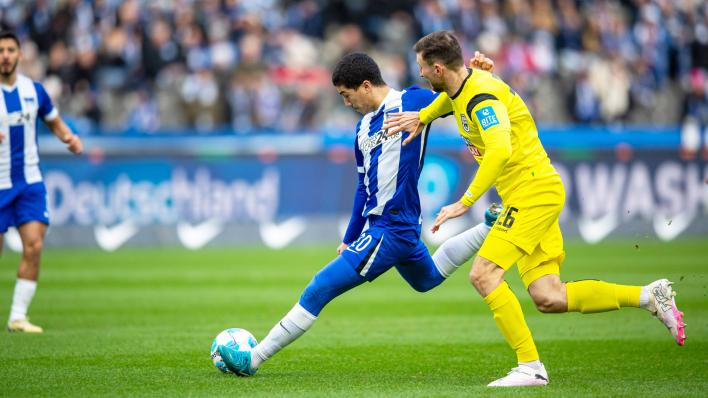
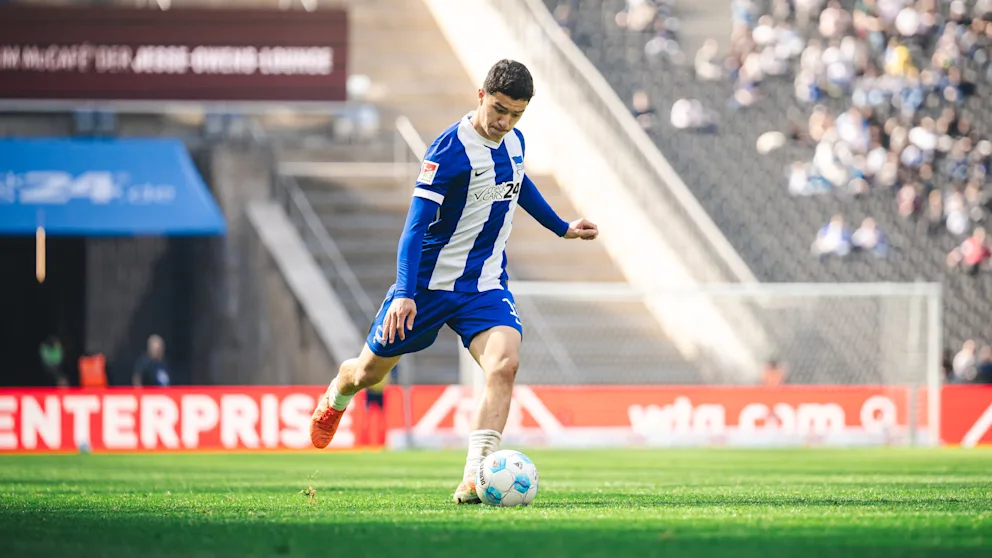
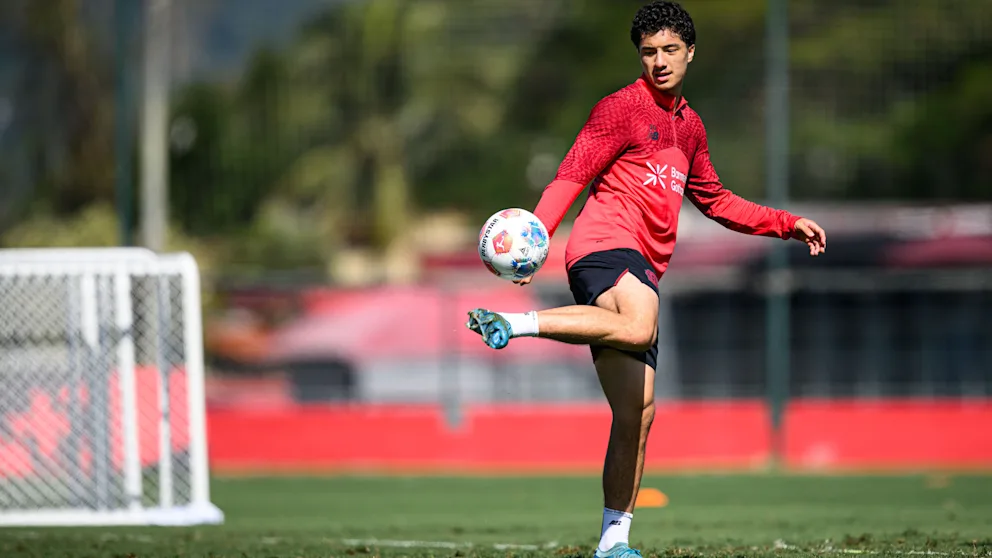
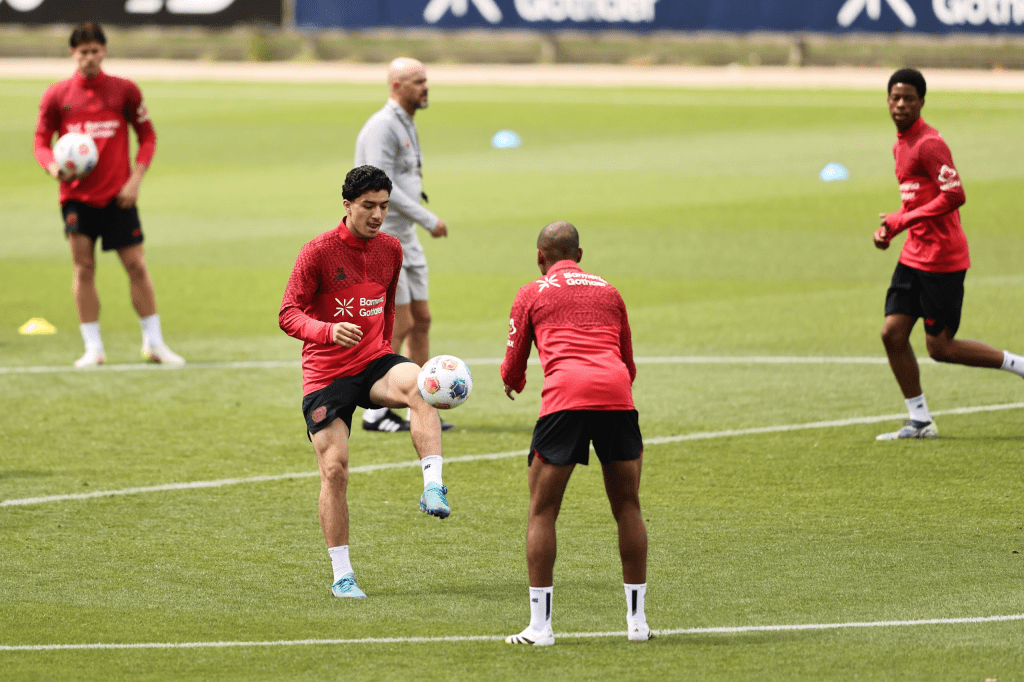
After emerging as one of the brightest young talents in Bundesliga 2, Hertha Berlin’s Ibrahim Maza has joined 2023/24 Bundesliga champions Bayer Leverkusen from next season.

The highly rated 19-year-old, enjoying an impressive campaign for the capital club, signed in at the BayArena until 2030, with reports suggesting Leverkusen will pay a fee of approximately €12million for Maza, who recorded five goals and 3 assists in 33 2. Bundesliga games last season.

As the vibrant summer transfer window commenced, Die Werkself found itself at a pivotal crossroads filled with anticipation and potential upheaval.

Former Leverkusen boss Xabi Alonso and superstar Florian Wirtz have formed a formidable player-manager partnership in the German Bundesliga, but have both departed the club this summer.

Manager Xabi Alonso, with his charismatic leadership and tactical acumen, left the Bay Arena to join the lofty heights of Real Madrid. Adding to the intrigue, seasoned defender Jonathan Tah, known for his commanding presence in the backline, and phenomenal young talent and star man, Florian Wirtz, who has dazzled fans with his unbridled creativity and goal-scoring prowess since his breakthrough in May 2020, have also exited to Bayern Munich and Liverpool, respectively.

In light of these departures that had unsettled the squad’s balance, the club took decisive and proactive action with their search for Alonso’s successor, with former Manchester United and Ajax coach Erik ten Hag taking the reins.

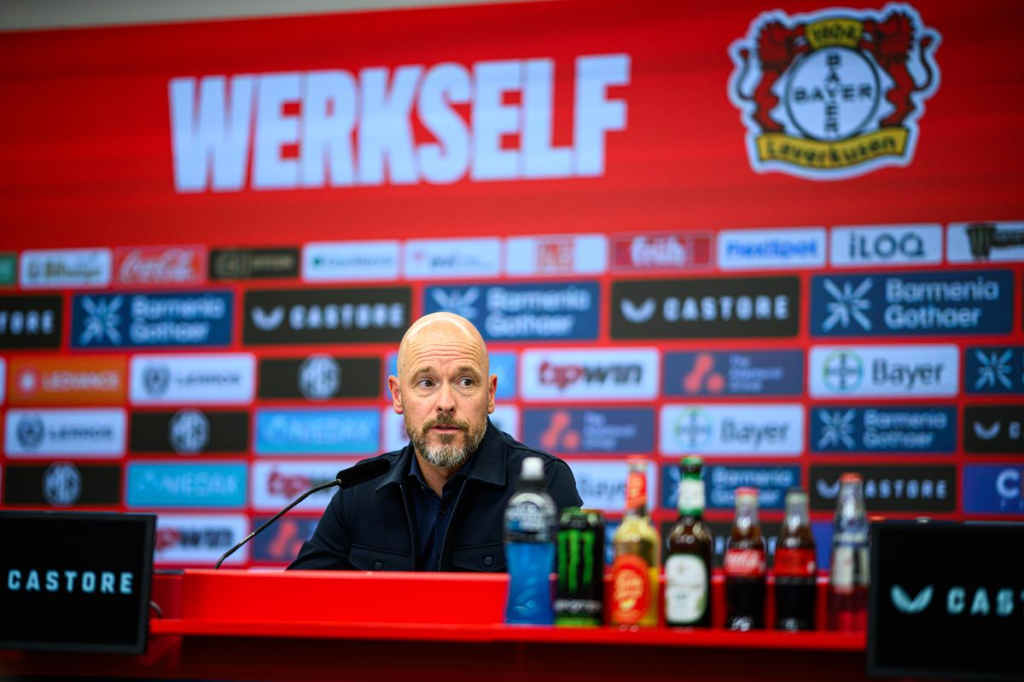
Erik ten Hag undertaking his first press conference as the new Bayer Leverkusen head coach

Maza is not only seen as an exciting market opportunity given his age profile and unique playmaking qualities, but also as a replacement for the departing Wirtz, whilst they also added PSV Eindhoven’s highly-rated midfielder Malik Tillman.

That may indeed seem like a tall order given the joy and success the German wonderkid had provided the Leverkusen faithful. Still, as history has shown, the club aren’t afraid to replace its superstars with young unknown quantities who will be handed the room and resources to grow, develop and become potential world-beaters in their own right, which is certainly what Wirtz had been moulded into.

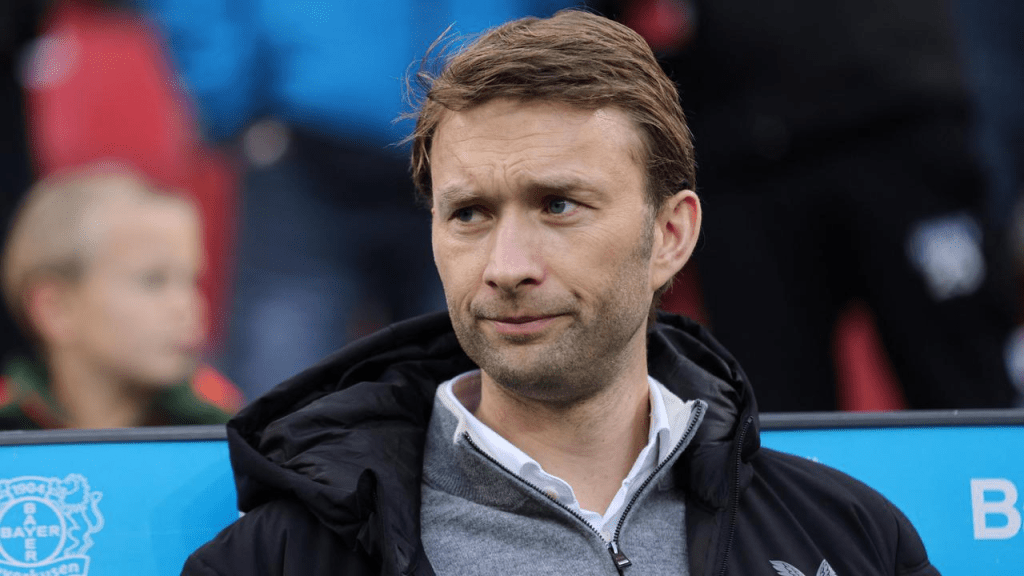
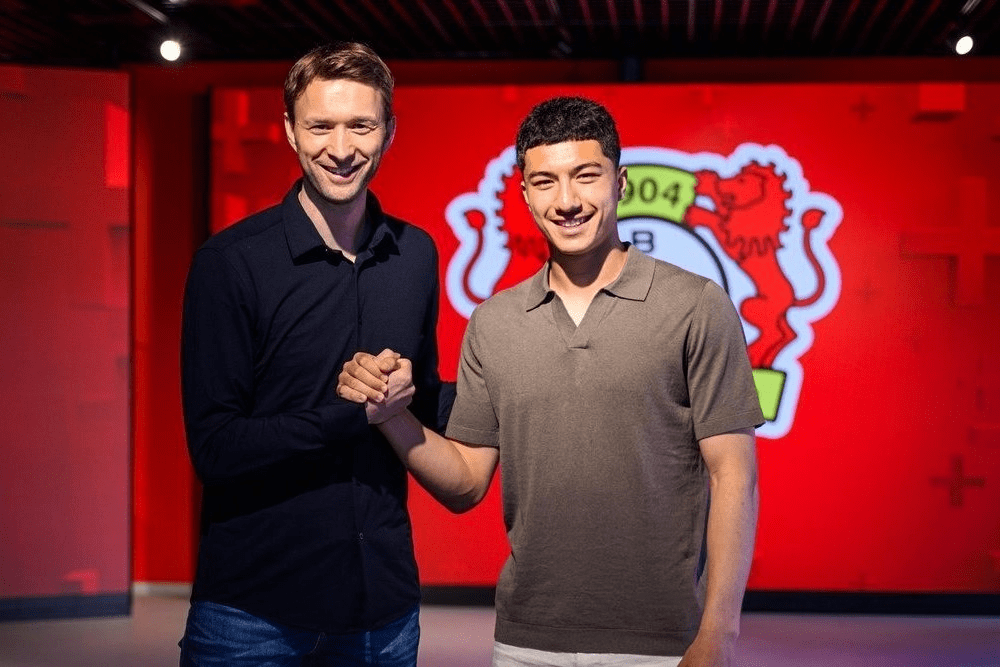
Bayer Leverkusen sporting director Simon Rolfes

The sad case is, Leverkusen are a selling club. They will mould these young talents, but also not stand in their way should an elite club come calling and the money is right.

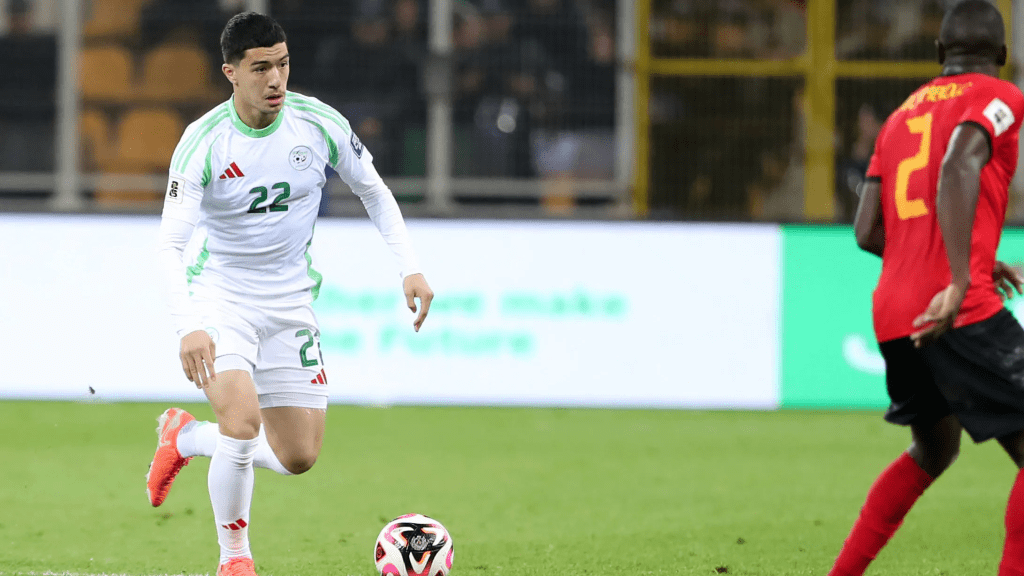
That will almost certainly be Maza’s case in the next few years. The Algerian international possesses all the tools to reach the same calibre and level as his predecessor.

It’s no wonder Leverkusen pulled out all the stops to snap him up even before the summer transfer window opens, with the likes of Atletico Madrid and AC Milan also both reportedly tracking him.

Such a level of clubs tells you all you need to know about Maza’s qualities and potential, so let’s delve deeper into his origin, his style of play in Berlin, and his potential fit at the BayArena next season and beyond.

Who is Ibrahim Maza?

Born in Berlin, Germany, Maza is of Algerian and Vietnamese descent. Before becoming a midfield mainstay for Hertha, Maza was on the books of local side Reinickendorf Füchse.

It wasn’t long before the Alte Dame spotted him, and he joined the club’s academy at the age of 11.

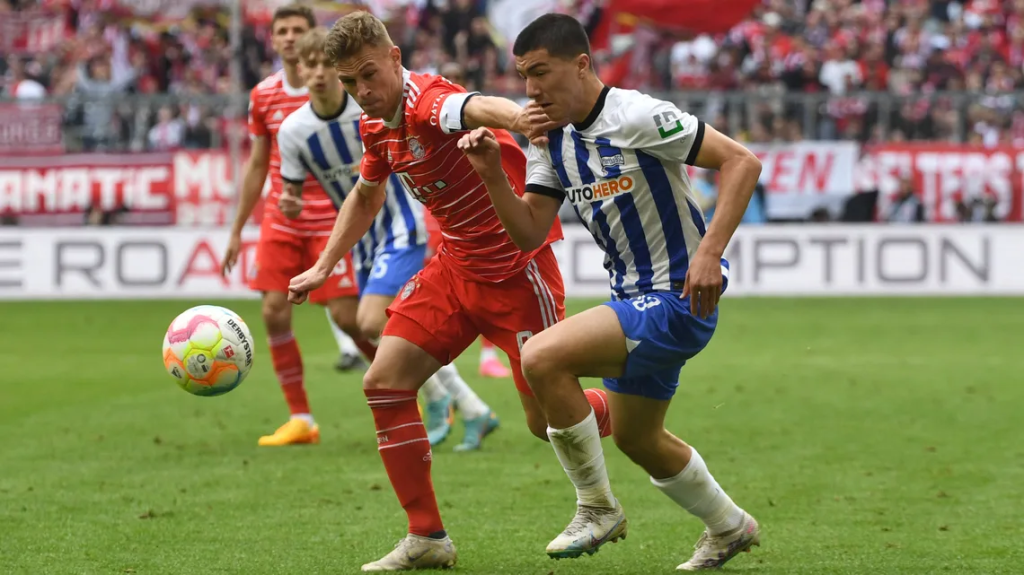
Six years later, Maza completed the transition from the park fields of Berlin to the bright lights of the Bundesliga, coming on as a late substitute against Bayern Munich at the end of the 2022/23 season.

A month later, the German-born wonderkid scored the first goal of his professional career, netting against VfL Wolfsburg on the last day of the Bundesliga season, becoming the club’s youngest goalscorer in its rich history, aged 17 years, six months and three days.

Hertha tasted their first relegation from the Bundesliga since the 2009/10 campaign in 2023, and Maza who was expected to be their shining light on a possible route back to the German top flight, struggled with a knee injury that forced him to miss over half the campaign before returning on Matchday 21 against Greuther Fürth.

The Algerian couldn’t get his footing in the Hertha first team since his return, which was expected. However, the 2024/25 campaign has proven a much different story. Maza has started all but one game of the 32 so far (due to suspension), registering five goals and three assists and currently eighth of all players in the division for individual duels, both in attack and defence.

Naturally, Maza’s quality caught the eye at international level as well as those in charge at Leverkusen. He represented Germany’s U18, U19 and U20 sides before pledging his allegiance to Algeria, his father’s homeland, given the difficult competition he faces from talents like Jamal Musiala, Florian Wirtz, and Paul Wanner, which may have influenced his decision. 

In October 2024, Maza was called up to the Algeria national football team for the first time for a pair of 2025 Africa Cup of Nations qualifiers against Togo, featuring alongside Riyad Mahrez and Bundesliga stars  Ramy Bensebaini, Farès Chaïbi and Mohamed Amoura.

As he embarks on this thrilling journey, it’s evident that Maza is on the brink of transforming into a household name in football. With an exhilarating move to Bayer Leverkusen anticipated in June, the path ahead is not just bright—it promises to be brilliant for this rising star.

How good is Ibrahim Maza? What’s his style of play?

Leverkusen’s swift pursuit and acquisition of Ibrahim Maza signal an ambition that transcends merely finding a potential successor to Florian Wirtz.

Maza embodies the youthful exuberance and electrifying skill that the club actively seeks in the transfer market. His playing style mirrors that of the German international, forging a partnership with the club that looks, on the surface, a perfect fit.

Much like Wirtz, Maza dazzles with extraordinary game-breaking abilities, showcasing a flair that can turn the tide of a match.

With his remarkable talent and skillset, he holds the potential to single-handedly clinch victories, making him a thrilling addition to the team’s dynamic.

Modern day #10 explanation

So, first and foremost, Maza is a number ten in every sense of the word.

A highly technical and creative orchestrator in the final third, embodying the unpredictability, creativity, and confidence typically associated with this role.

The role of a #10 has massively evolved in the modern game, and it’s much to do with such profiles becoming all-rounders in the middle third as well as a destructive and decisive force in the final third.

They are now tasked with working as hard off the ball as they do on it, but more crucially, not just doing their best work to create goal-scoring opportunities, but also facilitating play in build-up patterns and locating space within the full width of the pitch or in central pockets to disrupt an opponent’s high press or defensive block.

Football is increasingly resembling a game of chess, with coaches now placing much emphasis on positioning and tactical acumen to outmanoeuvre their opponents.

#10s have somewhat become a dying art in that respect. No longer do we have those profiles that do all their work creating magic in attack. If there are such profiles now, they are expected to work within the parameters of the team setup/collective rather than the individual.

Does Maza fit the modern-day bill?

In Maza’s case, he certainly fits these characteristics, not just taking on creative responsibilities in the final third but also playing with intensity, aggression and possessing a tremendous work ethic all across the pitch.

His defensive numbers throughout the 2024/25 campaign make for an impressive and surprising reading, somewhat.

Maza ranked in the 82nd percentile among attacking midfielders in 2.Bundesliga for defensive duels won as a percentage, and in the 65th percentile for aerial duels won as a percentage.

His defensive positioning rank is also good, ranking in the 63rd percentile.

The Algerian’s lowest-ranking metrics are goal contributions per 90 and accurate passing percentage of 78%, suggesting that his overall end product could well have been much better last season.

However, his strong showing in defensive and dribbling metrics, along with his output of 10 goals and assists, suggests that there is an exciting offensive talent who is also willing and capable of putting in the graft and hard work when his team does not have possession of the ball.

The Algerian international is a player with a great work ethic and dedication, but is also endowed with several exceptional, distinct qualities that have made him an attractive candidate for Bayer Leverkusen.

Ball-Carrying and Dribbling

Maza is a player who primarily stands out for his fine technical acumen. This is prominently featured in his ball carrying, where the soon-to-be Leverkusen superstar showcases an exceptional ability to retain tight control & slick technical shifts at high speeds.

When the Algerian pierces through opposition defences with his incredible close control and acceleration, it is simply an exceptional sight to behold, and that is down to his ability to withstand contact and maintain balance while at high speed, but also create separation quickly and precisely.

The above clips paint a perfect picture of what Maza is about. Even in the tightest of situations, every touch from the Algerian wonderkid is meticulous, carefully considered and with clear intention.

For example, in the first of the two clips, he allows the ball to come across to his right foot because he is aware that if he controls it with his left, it will get intercepted by the nearby defender.

In the same swell movement, he shifts the ball behind him and then beats a second man with a close dribble, taking two players out of the game in the span of two seconds before moving into the open space and attempting a lob pass to his teammate in the box, which comes to nothing.

The second clip showcases Maza’s exceptional change of direction even when in tight spaces or when pressed by the opposition. He possesses tremendous athleticism, flexibility and turning radius when dribbling in the most impossible scenarios.

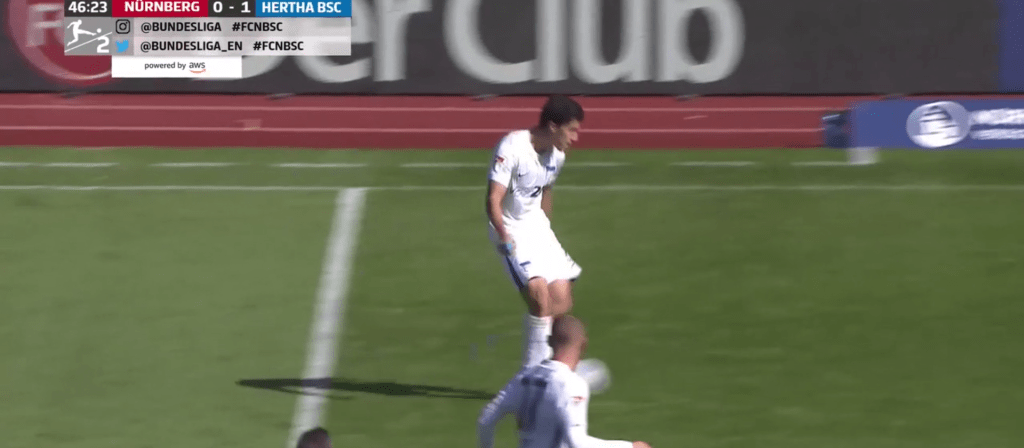
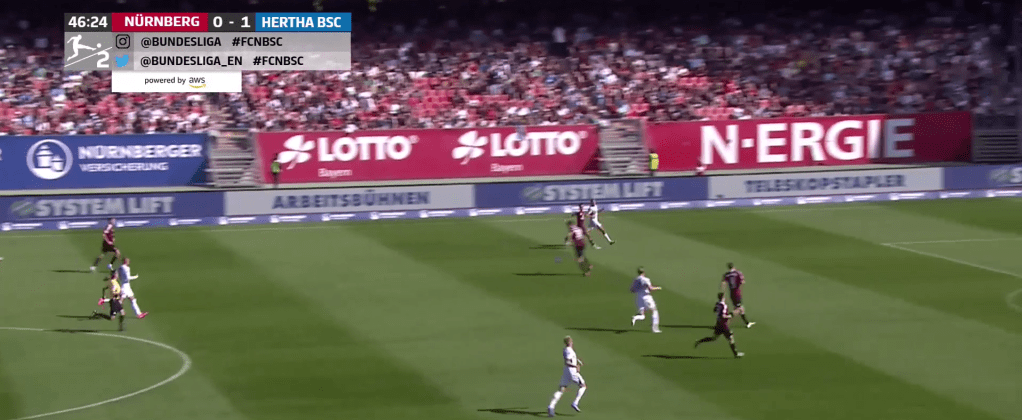
He controls the ball and brings it onto his right foot, but realises two Greuther Fürth players are also converging in that direction. Maza then cleverly manages to turn just as the nearby marker attempts to move in and intercept the ball from him, using his body and right foot well to spin around him and not only get himself out of danger, but to get the ball moving forward towards the attacking half again.

Such scenarios showcase Maza’s unique ability to problem solve under pressure, similar to the man he is replacing in Florian Wirtz. While it’s important to give these profile of players tactical discipline, it’s just as crucial to allow them freedom of expression, especially when operating in central areas.

Possessing unpredictability and creativity within a tactical framework is essential.

For instance, if a team is able to read and understand what Erik ten Hag is trying to implement tactically for Bayer Leverkusen in a match, having a player like Ibrahim Maza—who possesses skill, elegance, and the ability to deceive and outmanoeuvre defenders with his exceptional close control, unpredictable movements, and quick decision-making—can be a game-changer.

With this kind of brilliance on the pitch, teams will undoubtedly find themselves at a loss when faced with this dynamic play, making them a formidable force that is difficult to defend against.

This dynamic is why elite clubs across Europe are fervently acquiring players of this calibre—those who can navigate out of tight situations and take charge in creating opportunities, whether for themselves or their teammates.

Look at Manchester United’s signing of Matheus Cunha, Liverpool’s acquisition of Wirtz from Leverkusen, and Manchester City’s talent grabs of Rayan Cherki and Tijani Reijnders from Lyon and AC Milan, respectively. Not to mention Real Madrid’s capture of the South American wonderkid Franco Mastantuono.

These players embody the future of football, masterfully balancing tactical discipline with spontaneous bursts of brilliance. They can not only operate within a structured game plan but also transform the flow of the match with their creativity and unpredictable nature. It’s this unique combination that makes them invaluable assets to their teams and forces opponents to rethink their strategies. Investing in such silky players has already redefined the game as we know it.

Maza is certainly a profile in that mould. The Algerian recorded a dribble success rate of 55% in the 2.Bundesliga last season, and ranked third in the division for dribbles with a rate of 2.3 per game [WhoScored].

Again, the below set of clips certainly highlights as much.

In the first clip against FC Koln, the Algerian’s intelligence in where to pick up the ball in the half-space and drive up the pitch is evident. He offers himself as a progressive passing option for his defender in the deep build-up phase.

As the pass is played towards him, his nearest opponent at the top of the pitch senses an opportunity to nick the ball off him as it comes to his feet, but Maza cleverly utilises his exceptional and swift change of direction to allow the ball to run across his body, deceiving his opponent, thus allowing him to advance into the opposition half and carry the ball forward.

Ball-striking

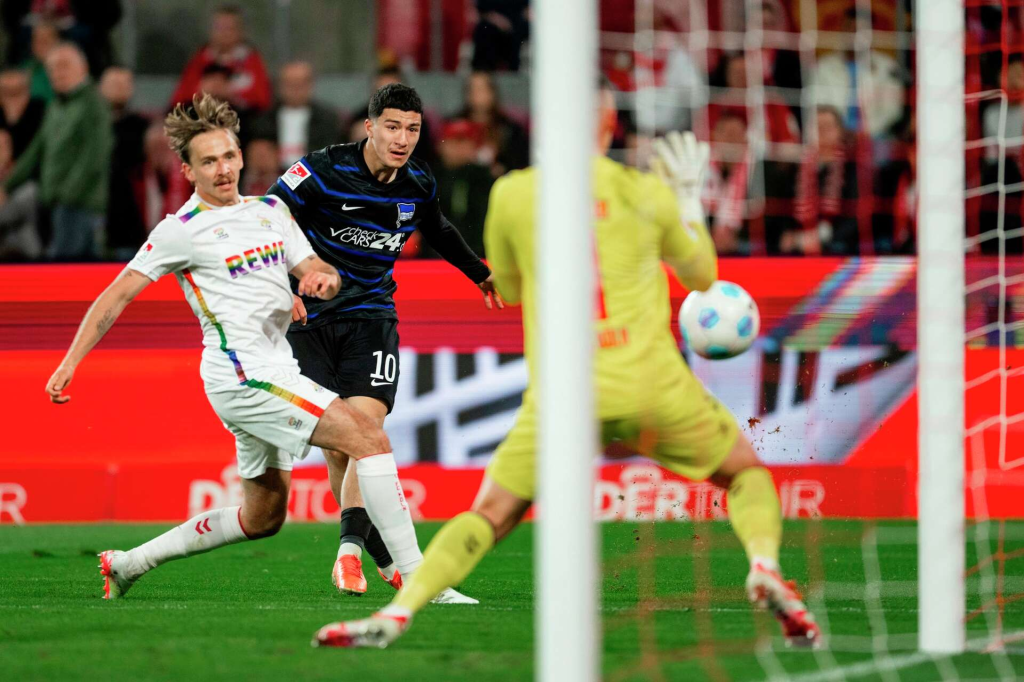
The second clip, against Ulm, showcases his tremendous ball-striking abilities.

But again, it’s his intelligence of where to receive the pass, his boldness in taking responsibility to create chances or goalscoring scenarios. He receives the pass from his teammate, initially controlling it with his left before switching it back to his right as the defender approaches to cover him.

With the swift turn and change of direction, he takes him out of the equation before unleashing a fierce strike into the back of the net.

While Maza’s dribbling abilities are the focal point of his unique weaponry, his ability to strike a ball clean from long range should certainly be taken into account, also.

The goal against Ulm, as pointed out above, is the perfect example of both attributes coming to the fore in one swell move.

Once he receives the ball, his only thought in mind is to get in the best position to shoot, and he performs that with such class and panache.

The Algerian is tremendous at creating separation due to his speed of thought and quickness of feet.

Once he receives the pass, his opponent believes he’s got him where he wants, but Maza’s first touch is pure deception, touching it the opposite way his body is positioned, giving the opponent absolutely no chance of halting his progress.

What truly sets Maza apart, however, is his remarkable proficiency in taking shots almost immediately after a dribble, which is seen in the above goal.

He seamlessly transitions from manoeuvring around defenders to unleashing a powerful strike on goal, often before the goalkeeper can react. The combination of speed and precision in his shooting is a rare talent. Such skills are seldom found among players, especially on the continent.

Such a skill found in Maza will be beneficial to Leverkusen and Ten Hag. When they are faced with teams not giving much away in terms of chances, having a player capable of bending a game to his will because of his long-range shooting is sure to be a tremendous luxury.

Another example of his long-range shooting was his goal against Paderborn at home.

Once again, Maza allowed the pass to come across his body, which allows him to begin his turn early while creating enough separation from the nearby defender.

He cuts infield on his strong foot and places a low strike into the bottom corner from just outside the penalty area.

Maza demonstrates a natural instinct in these situations, rarely hesitating or overthinking his options, which enables him to strike the ball with confidence and precision.

Well-timed off-ball movement/Box-Crashing

Despite all this, Maza isn’t just blessed with ingenuity outside the box, though. The Algerian wonderkid also possesses the presence of mind at times to ghost into the penalty area and wreak havoc.

If he continues to hone this crucial and unique element of his play, he could very well rise to the level of Frank Lampard, becoming a master of the elusive late-arriving runs into the box.

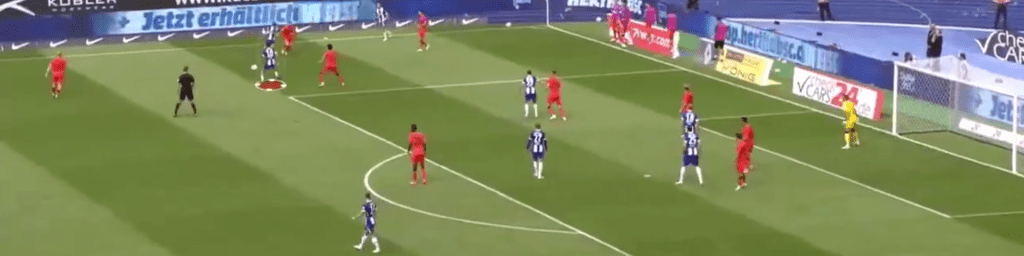
Once again, we see Maza tremendously making the ball do the work, receiving the throw-in on the half-turn, allowing the ball to run across his body and fooling his marker to create some separation…

The Algerian continues his run across the width of the 18-yard box…

…before finding his teammate deep in the half-space {BLUE}…

Following the pass, Maza then ghosts into the penalty area, demanding the return pass…

He receives the pass right into his path in the penalty area…

…before taking the first time shot from a tight angle into the bottom corner…

A goal which epitomises Maza’s invention and imagination in the final third. He is a penetrative outlet, always looking to identify the best zones or areas in the attacking third to cause the opposition harm.

Furthermore, his off-ball movement is nothing short of exceptional; with a blend of agility and intelligence, he deftly navigates through the opposition’s defenders.

Maza possesses an uncanny ability to spot and exploit gaps in the defensive line, weaving through opponents with finesse and agility. His sharp awareness of his surroundings creates a wealth of opportunities for his teammates, leaving defenders in a constant state of uncertainty. With remarkable precision, he times his runs impeccably, ensuring he occupies the ideal position just as the play unfolds.

The Algerian maestro acts like a chameleon in these situations. He becomes involved in the play during the final third, blending in with the action before suddenly bursting into space beyond the defensive line to take a shot or create a chance for a teammate.

The instance above is a perfect example of his ability to ghost in behind midfield or defensive lines to exploit gaps, but there are certainly more ways in which Maza can cut through defences.

In the image below, Maza swiftly runs into the penalty area onto a lovely through ball. However, the situation looks difficult in order to get a shot off…

… not for Maza, though.

The Algerian anticipates the onrushing defender on his blindside, getting a shot off first time, albeit colliding with his opponent.

However, Maza still gets a toe on the ball, directing it past the goalkeeper into the bottom corner.

The Algerian always seems to have that small yard of pace on his opponents, and that is all down to his excellent quickness and explosive edge, but more crucially, his anticipation and problem-solving, especially when in tight spaces or under pressure.

Tight-space manipulation/ball-retention under pressure

Despite his slight build and unassuming height of 1.80 meters, Maza demonstrates remarkable strength and agility in retaining possession and maintaining balance under pressure from opponents.

While he needs to continue developing physically to meet the demands of senior football, especially at a prominent club like Bayer Leverkusen, he should be cautious about gaining excessive muscle mass.

Sacrificing his exceptional balance and nimble movement could hinder the unique qualities that make him effective in tight spaces.

What sets him apart from his peers is his unpredictability, marked by superb quick changes of direction and subtle body feints when pressured.

If he were to bulk up significantly in an attempt to adapt to the physical demands of his new environment, he risks losing the very attributes that make him such a unique asset.

As stated previously, the Berlin-born playmaker is so smooth and deceptive when operating under pressure. His subtle feints, swift changes of direction, and exceptional ball control are so reminiscent of his predecessor, Florian Wirtz.

A brief observation of Ibrahim Maza’s playing style reveals exactly why Leverkusen was so eager to secure his signature once it became clear that Wirtz would be departing the BayArena.

Both players excel in the #10 role, weaving intricate plays and orchestrating the attack with a finesse that captivates fans and dumbfounds defenders.

In the image below, two opponents fall victim to Maza’s intricacy and superb deception in small spaces.

Maza initially takes a ball down from the air into his control and is immediately surrounded by two opponents…

The Algerian is certainly aware of the threat behind him and proceeds to evade the pressure without any fuss.

He controls the ball with his outstep, shielding from the opponent on his blind side…

…before performing a smooth pirouette, faking to go one way but having the speed of thought and presence of mind under pressure to go the other, deceiving his opponent expertly.

Maza leaves him on the floor as a result and then speeds away from the second defender with consummate ease.

In another instance, Maza receives a square pass from his teammate with an opponent converging in on him…

…but again, it is not a problem for the Algerian wizard as he allows the ball to roll across his body…

…then smoothly rolls the ball in via his right foot in perfect tandem with his body positioning around his opponent before speeding away into the final third.

Maza isn’t just a high-tempo ball carrier with technical finesse; he also possesses exceptional agility and an extraordinary ability to turn sharply and smoothly, especially when pressed.

Another example, once again, highlights his sensational ability to manipulate defenders to evade tight situations and advance up the pitch with excellent confidence. But this time, with his back to goal.

His nimble body shifts allow him to effortlessly create space from defenders. This time, Maza receives the ball but pushes the ball forward while feinting to go one side.

As the defender approaches closely, Maza skilfully puts his right foot over the ball and drags it to his opposite side, turning and deceiving the defender.

His quick acceleration enables him to maintain that separation, leaving opponents trailing behind as seen in the images above.

However, Maza still has considerable room for improvement in his body positioning when receiving possession. He often adopts a closed stance at times, which forces him to play back into pressure or take his first touch toward the direction from which he received the ball.

He will favour his dominant side over his non-dominant, which we know he can perform, given his tremendous flexibility and body deception. At times, that stops him from getting a full view of proceedings…

For example, in the image below, he receives the ball from his teammate with an opponent converging behind him..

Rather than performing a full swivel via a drop of the shoulder to open up angles, he takes his first touch in the direction of where he receives it, halting him from progressing the play. He gets dispossessed as a result.

Final third responsibilities/output

Nonetheless, Maza’s silky smooth operation in tight spaces, quickness of thought and invention under pressure made him a crucial tool for Hertha Berlin last season.

If not for it, the capital club could well have been in the midst of an arduous relegation battle – although they did finish the season nine points from the relegation play-offs.

Had it not been for the Algerian and a few of his attacking teammates, such as Fabian Reese, Michaël Cuisance and Derry Scherchant, it could well have been a completely different story for Die Alte Dame.

Maza celebrates a goal with Hertha Berlin’s second top-scorer last season, Derry Scherhant.

Given the attacking quality around him, Maza certainly took creative responsibility last season, and the numbers certainly reflect that.

Maza recorded three assists, created nearly ten big chances, and averaged 1.5 key passes per game [SofaScore]. However, it’s the way in which he carried himself about the pitch that certainly made him the creative hub of Stefan Leitl’s side.

Despite his age, he demonstrates a remarkable ability to take personal responsibility for influencing matches, especially considering he was performing for one of the most historic clubs in Germany.

At times, it was down to the positions he picked up in the final third, for which you could immediately tell he knew he was the main man.

For example, in the image below, Maza picks up a crucial position in front of Fortuna Düsseldorf’s defence and smack bang in the centre of their dissected low block.

The Algerian, once again, possesses that presence of mind and the positional intelligence to pick out a pocket of space he feels can hurt the opposition.

Even if the opponents on either side quickly converge on him, he possesses the ability to turn on a sixpence…

… and either beat his man, find a pass or get a shot off.

He chooses the latter, which hits the post.

But, it’s a perfect example of his intelligence in finding the right pockets and having the maturity to take responsibility to create goalscoring opportunities/scenarios.

There’s also the unique facet of his teammates having that knowledge that if they get the ball to Maza, even in pressurised scenarios, he will create something out of nothing.

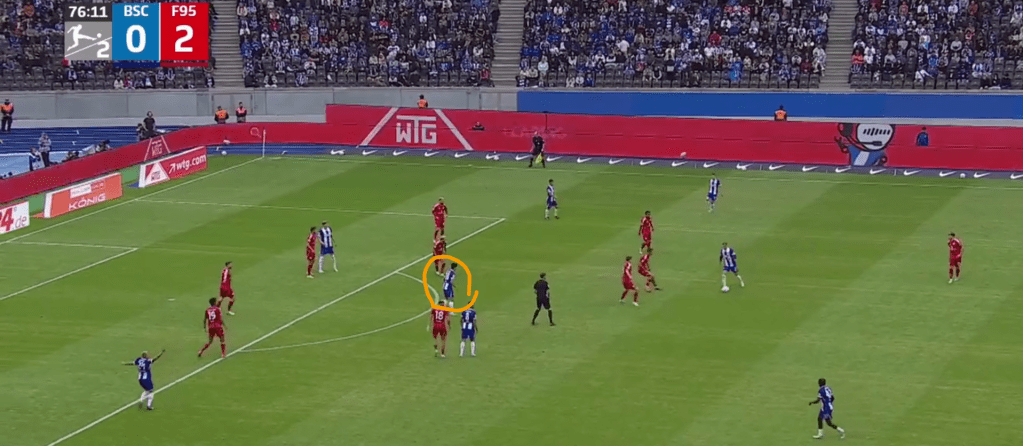
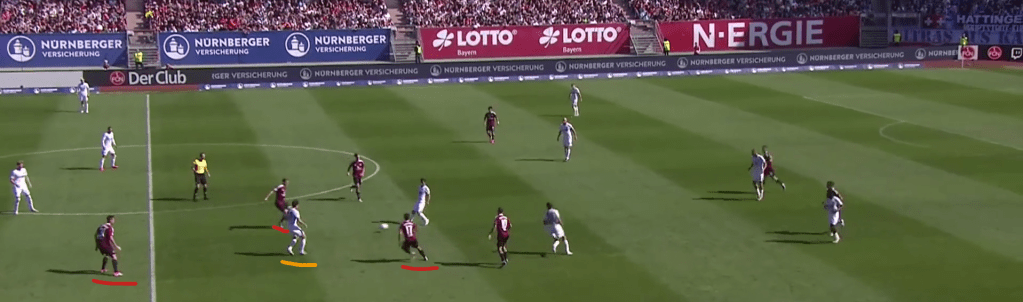
Maza [ORANGE] is still given the ball here by his teammate, despite being surrounded by three opponents…

…but such is the Maza trademark when under pressure…

…he allows the ball to roll across his body, immediately taking two defenders out of proceedings.

And, look where he drives the ball to, deep into the opponent’s defensive third, but things don’t end there…

… he waits for his teammate [RED] to run into the box, but has two defenders surrounding him once more. Again, it’s not a problem for the Algerian.

He manages to cut inside onto his right foot, looking for the pass…

…which he executes to perfection, providing an assist for his teammate who finishes the move off.

This goal is a true reflection of the trust and confidence Maza’s teammates had in him, giving him possession in a tight area and trusting him to work his magic, which the Algerian delivers to such tremendous aplomb.

Defensive output

What will always mark Maza out from his peers is the sheer athleticism and intensity with which he performs. He simply doesn’t stop running, and that is certainly evident in his defensive contributions.

Arguably, the most improved area of his game over the last year or so has indeed been defending his own goal, showcasing tremendous dedication and commitment to pressing, disrupting opposition build-up and dispossessing opponents as a result of his incredible intensity and ability to cover ground to remarkable effect.

In the 2.Bundesliga last season, Maza averaged a whopping 1.9 tackles, 0.5 interceptions, and 3.9 balls recovered per game, whilst also winning 54% of his ground duels.

While it’s not the most outstanding numbers, it still certainly represents his superb effort and application in trying to win the ball back for his team.

In the scenario below, the opponent receiving the ball from his goalkeeper feels he has time to get rid before Maza gets near…

The defender even shapes his body positioning to kick the ball long, with Maza still converging on him.

The defender eventually takes too long and allows complacency to get the best of him, for which Maza nicks the ball…

From there, Maza is able to create a goalscoring scenario for his teammate. And, it’s all down to his excellent commitment and application, chasing down a lost cause for the team.

Areas for Improvement

Set-pieces/crossing

One area Maza should address, most especially given his penchant for taking responsibility, is his crossing and set-piece deliveries.

He certainly boasts an impressive technical skill set, but his crossing and set-piece delivery leave much to be desired. He frequently overhits crosses or underhits them into low-impact positions when targeting teammates in good positions in the penalty area. Last season, he recorded a 15% success rate from his crossing, highlighting the need for significant improvement.

It’s unclear where Bayer Leverkusen & Ten Hag plan to utilise him for the forthcoming campaign, whether he will be deployed as a winger or a half-space occupying #10. If it is the former, his deliveries will certainly need addressing.

Constant dropping into low-impact areas

Another area Maza will need to improve or address is his knack for dropping deep when it’s not necessary.

Maza’s constant desire to impact the game is commendable, but this assertiveness and over-exuberance can sometimes work against him.

He often displays a lack of patience when waiting to receive possession, causing him to drop into deeper positions or drift wide to get on the ball. Unfortunately, this tendency leads him into low-impact areas of the pitch, where he is less able to influence the game effectively. 

It’s challenging to distinguish whether Maza’s positioning at times is a result of a personal decision or a tactical directive from the coaching staff, but it’s evident that he has the greatest influence when receiving the ball in half-spaces or central channels in the final third.

It is a strong tendency of his that will certainly have to be coached out of him. He will be performing in a tougher league this season where teams are more tactically advanced and aware, so he will certainly need to choose his moments carefully when to get involved in the deep-to-middle phase of build-up.

Composure in possession

Furthermore, another area of improvement is his composure in possession.

We’ve highlighted his incredible operation in tight spaces and unique imagination, and keenness in the final third, and while Maza’s extreme verticality and creativity make him a really unique prospect, his decision-making can still be erratic and as stated previously, overexuberant.

He often resorts to unnecessary one-touch passes under pressure or attempts overly ambitious creative passes, which can disrupt good attacking patterns.

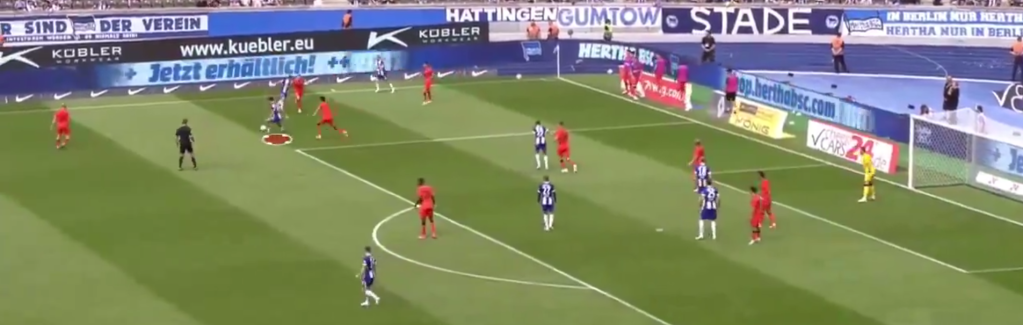
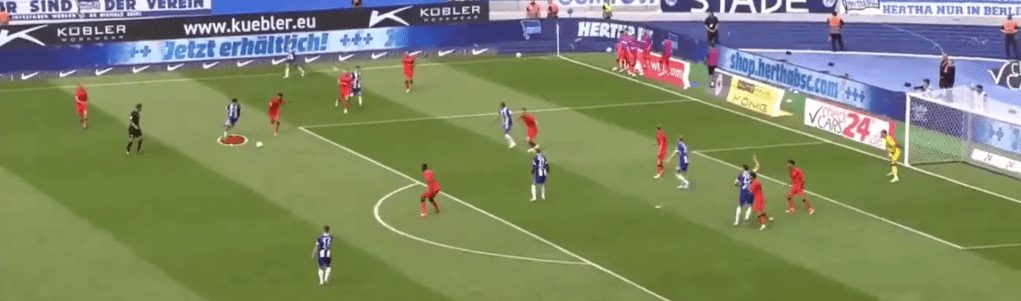
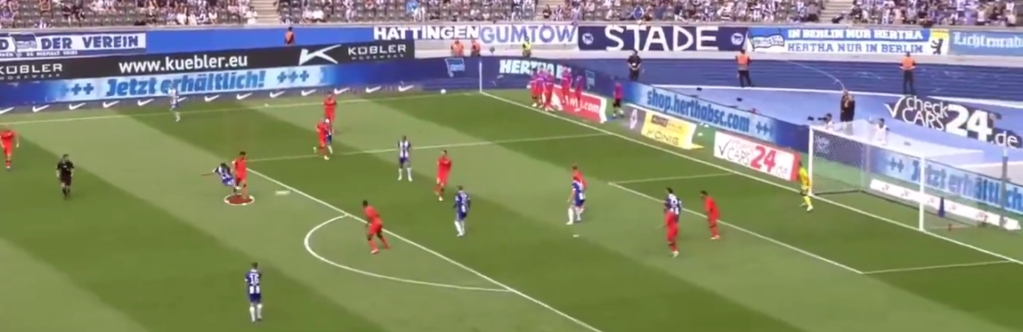
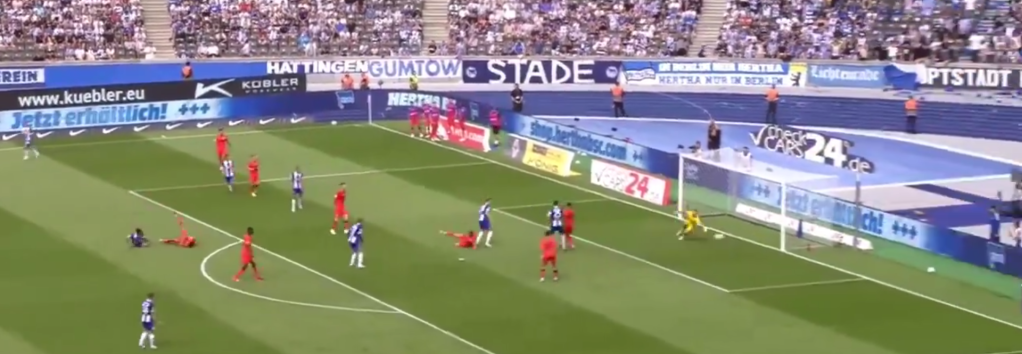
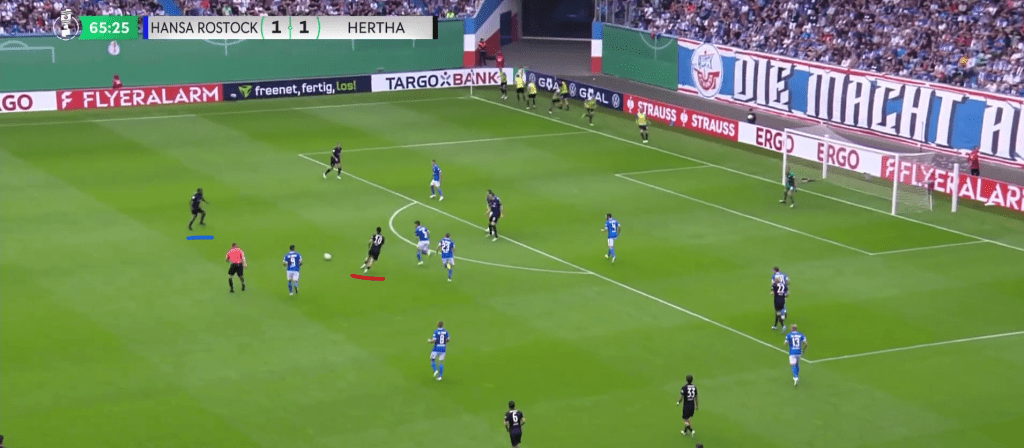
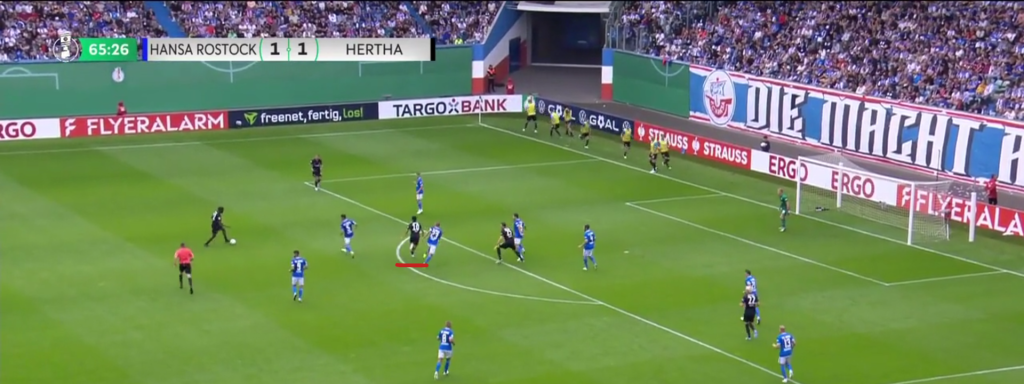
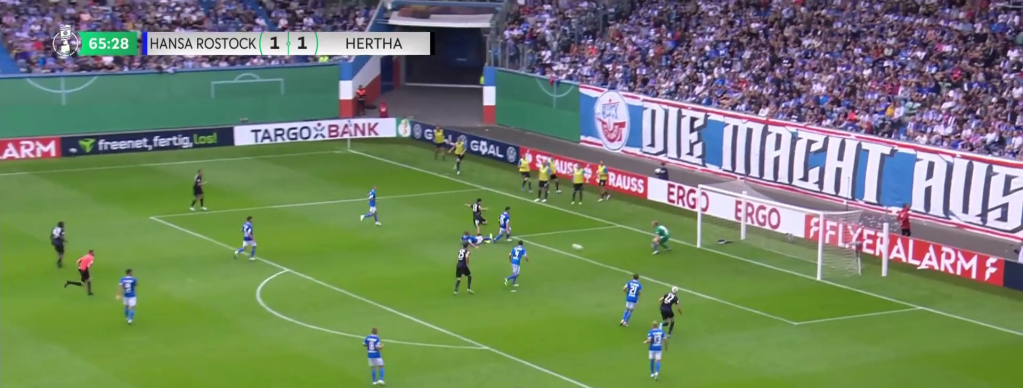
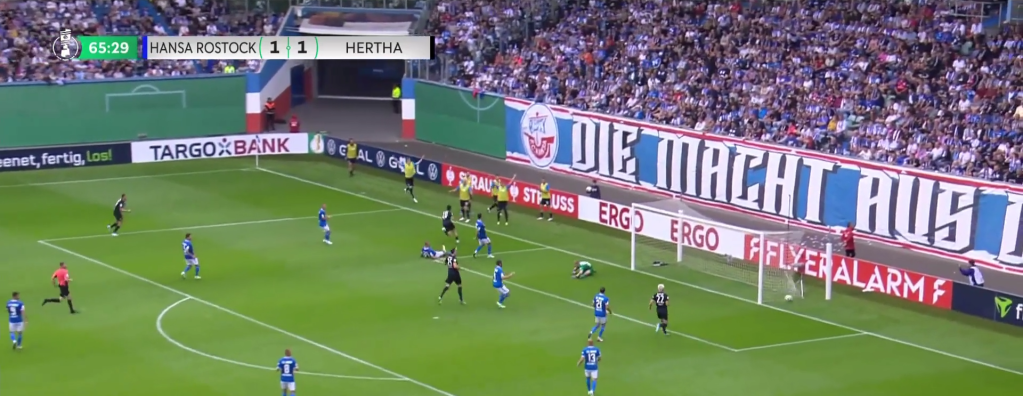
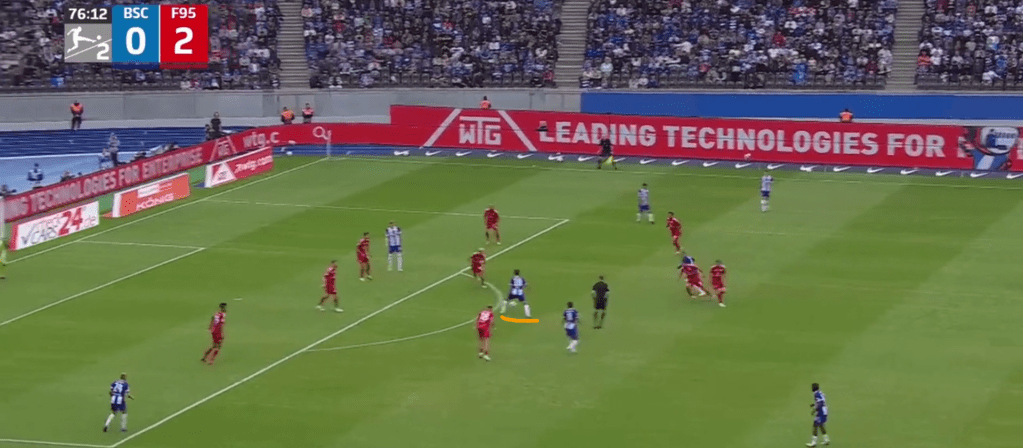
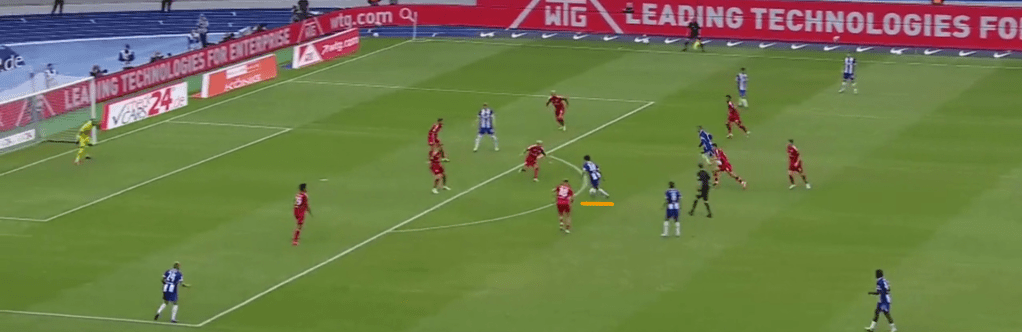
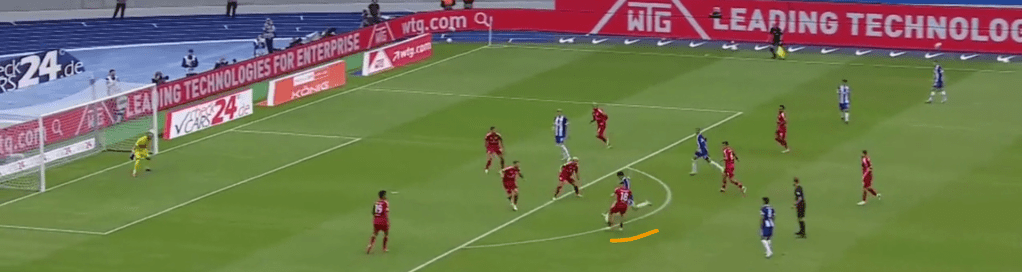
For example, in the image below, Hertha are a goal down with under 10 minutes left on the clock. Maza is in a good position with a full lay of the final third ahead of him…

Instead of driving forward with the ball at his feet, as we’ve seen he can do, to gain a better perspective of the sequence ahead, he attempts an audacious lobbed through ball to the player on the left…

…but he overhits it and the ball goes out for a throw-in, ruining a very opportune scenario for Hertha to score an equaliser.

In another scenario, Maza finds himself in a promising attacking transition…

…and attempts to play a chipped through ball to his teammate [ORANGE] who is on the run beyond his full back marker and the opponent’s defensive line…

…but the pass is underhit, nowhere near its intended target and easily cut out by the retreating centre-back…

Rather than driving with the ball to commit defenders and open up space for his teammates, or better yet, slow the game down to gain greater control, Maza is once again overambitious with his approach, which halts a very good attacking opportunity.

These moments of over-eagerness highlight areas where Maza will need to make significant improvements at Bayer Leverkusen, in order to maximise his considerable potential.

Forecasting Maza’s Immediate Future

Ibrahim Maza is certainly one of the most exciting young attacking talents to emerge from the German youth football system in recent years, and he will finally get to showcase his talent on the big stage next season as a Bayer Leverkusen player.

Leverkusen are going through a transition phase right now, with new manager Ten Hag replacing Alonso, and Wirtz joining Liverpool in the Premier League. The comparisons between the two are there, and while it’s way too early to make such judgements, the 2024 German champions certainly did sign him alongside Tillman, so the creative responsibilities in Wirtz’s absence will be keenly felt.

Maza only featured in his first pre-season game for the club during their 2-0 win over VfL Bochum on 27 July, a cameo role from the bench, and his first start on 1 August against Fortuna Sittard, so it may take some time for him to establish himself as a first XI regular.

How he’ll fare making the step up to the Bundesliga remains to be seen, but the potential is there, given his diverse and unique offensive attributes, including his dribbling, passing range, and ability to score from long range.

It is essential for Bayer Leverkusen fans to give Maza the time he needs to settle into his new environment and adapt to the roles and responsibilities assigned to him by Ten Hag.

With Leverkusen’s state-of-the-art training facilities, which are designed to hone the skills of emerging talents, Maza will have access to everything necessary for his development.

The vibrant, competitive atmosphere within the team is known for fostering growth among young players. Given these exceptional circumstances, it is highly likely that Maza will not only adjust quickly but will also establish himself as one of the club’s most valuable assets, proving to be one of their best investments in recent memory.

Watch this space.


Meet Cristhian Mosquera: The Next Elite Graduate From Valencia CF’s Prestigious Academy

Meet Cristhian Mosquera: The Next Elite Graduate From Valencia CF’s Prestigious Academy

Ask any football fan who the most famous clubs in the Spanish La Liga are, and they’d be sure to pick out the usual culprits: Barcelona, Real Madrid, Atletico Madrid and Valencia CF, who will arguably crop up approximately eight or nine times out of ten.

In fact, you won’t be surprised to find that most would name the latter more than the former.

The club from the southeastern Mediterranean coast of Spain has had many great squads and managers in its decorated history.

Remember some of their famous players, David Villa, David Silva, Santiago Canizares, Vincente, David Albelda, Juan Mata, Ever Banega & Pablo Aimar or in their past managerial department, Rafael Benitez, Claudio Ranieri, Ronald Koeman & Unai Emery?

Pretty glowing & decorated indeed.

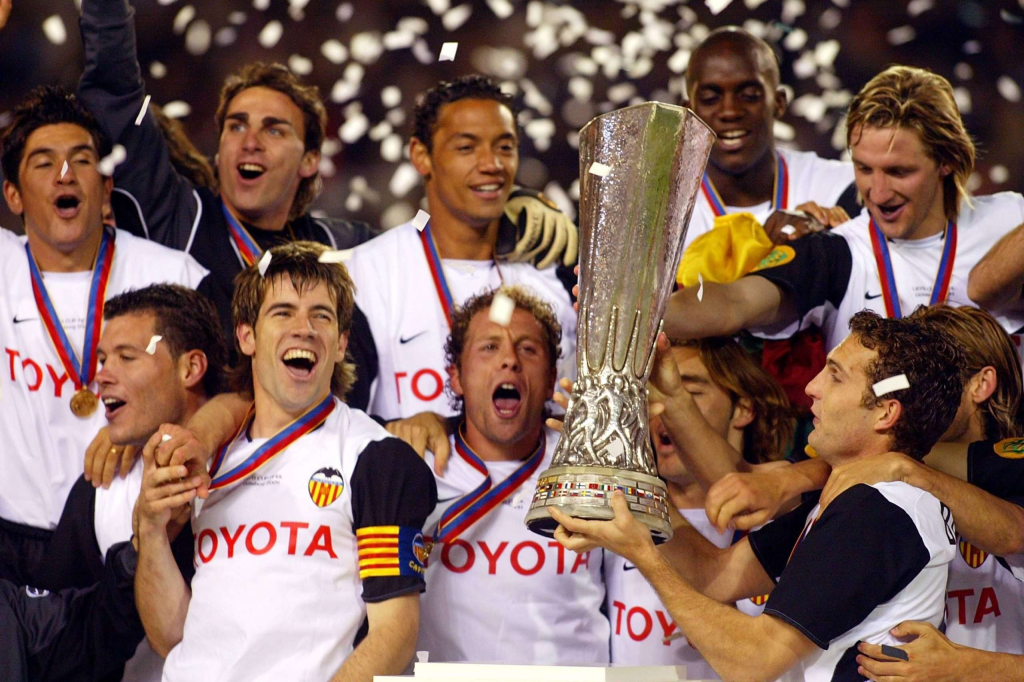
Their peak was at the start of the 2000s when they reached two UEFA Champions League finals and won the UEFA Cup and La Liga in 2004 under Benitez.

Valencia CF celebrate winning the 2003/04 edition of the UEFA Cup under Rafael Benitez’s management.

However, the club fell into somewhat of a great depression because of a series of bad financial decisions and the 2008 financial crisis.

They never managed to recover and, therefore, were sold to investor Peter Lim.

In the early stages of the takeover, things seemed upward, with the club qualifying for the Champions League multiple times.

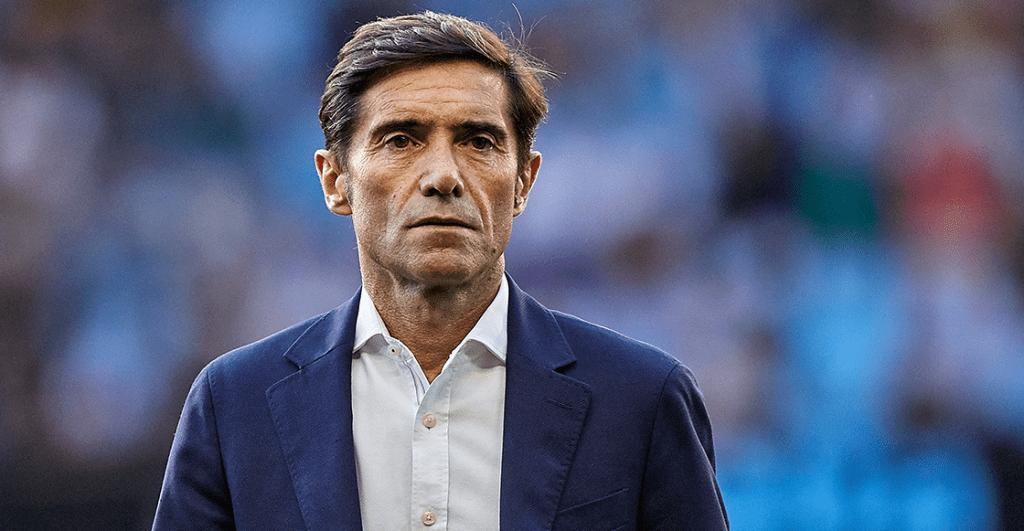
Under manager Marcelino, the team finished fourth in La Liga in consecutive seasons, 2017/18 and 2018/19, and even reached the semi-final of the UEFA Europa League in 2019, also winning the Copa del Rey that year.

Marcelino guided Valencia to Spanish Copa Del Rey success in 2019 before being sacked the following season.

After that, Marcelino was fired by Peter Lim himself, and the club found itself in a downward spiral, being forced to sell star talent like Carlos Soler, Ferran Torres or club legend Dani Parejo and only being able to replace them for cheap or through their academy, which is one of the best in Europe.

Ever since Marcelino’s sacking, Valencia’s league positions have fluctuated, finishing 9th, 13th, 9th, 16th and 9th over the last five years whilst having to rummage through a handful of managerial appointments to find out its best fit, but to no avail.

The current 2024/25 campaign has proven to be arguably their most tumultuous.

After only winning two out of their last 24 league games, legendary Valencia midfielder Rubén Baraja was relieved of his duties as manager with the club steeped in the relegation zone.

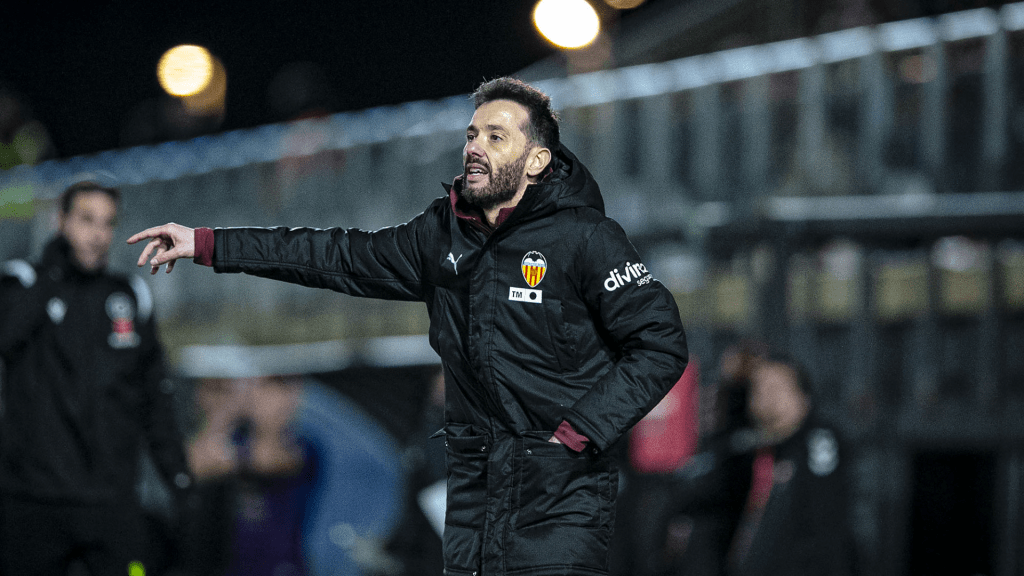
At Christmas, desperate times called for desperate financial measures as they activated a release clause of between £3-4 million to acquire talented West Brom head coach Carlos Corberan. Four months on from that decision, Los Che have enjoyed an upward trajectory on the field.

Former West Bromwich Albion coach Carlos Corberan has made a considerable impact at the Mestalla Stadium since his appointment in December.

At the time of writing, they’ve won the second-most points total (25) [Transfermarkt] of any club in La Liga since Corberan’s appointment, and now currently sit 14th in the table, seven points off the drop zone.

Since the Spanish coach took over at his dream job, Valencia have lost just four out of 16 games, against Real Madrid, Atlético Madrid and twice against Barcelona. They’re unbeaten against everyone else they’ve faced, and that’s down to Corberan’s impact both tactically and in his personable management.

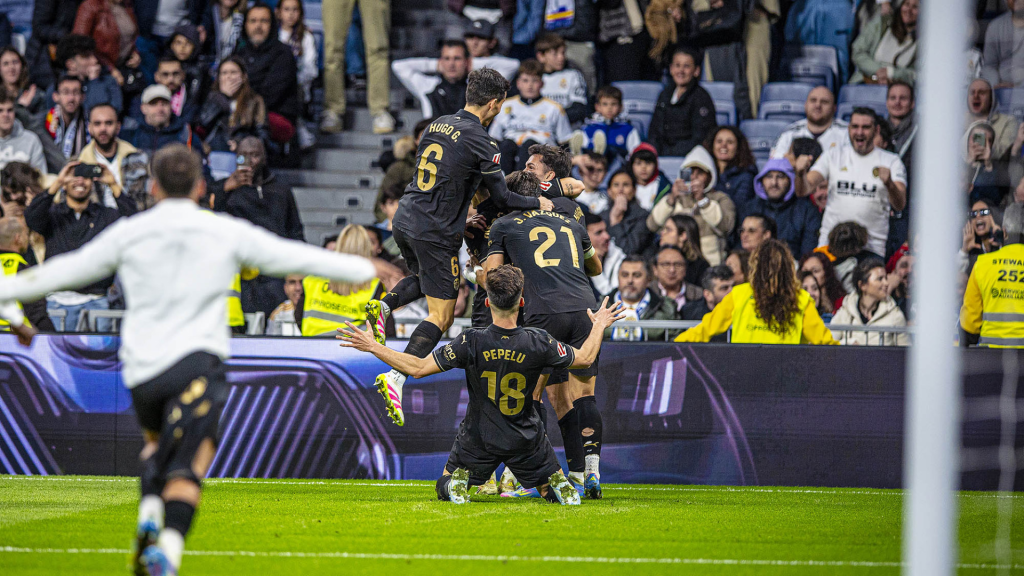
Valencia also recently beat Real Madrid on their own turf – the first time they’ve done so since 2008 and their first away win of the campaign – another massive signifier of Corberan’s stellar impact at the Mestalla in just four months.

Even if the club’s off-field matters continue to plague the club’s standing amongst the elite in Spain and their reputation in Europe, their current form under Corberan is certainly providing a light at the end of an incredibly dark tunnel.

One element Valencia continue to find some sense of pride in is its flawless academy, with a number of their young talents currently thriving under Corberan’s tutelage.

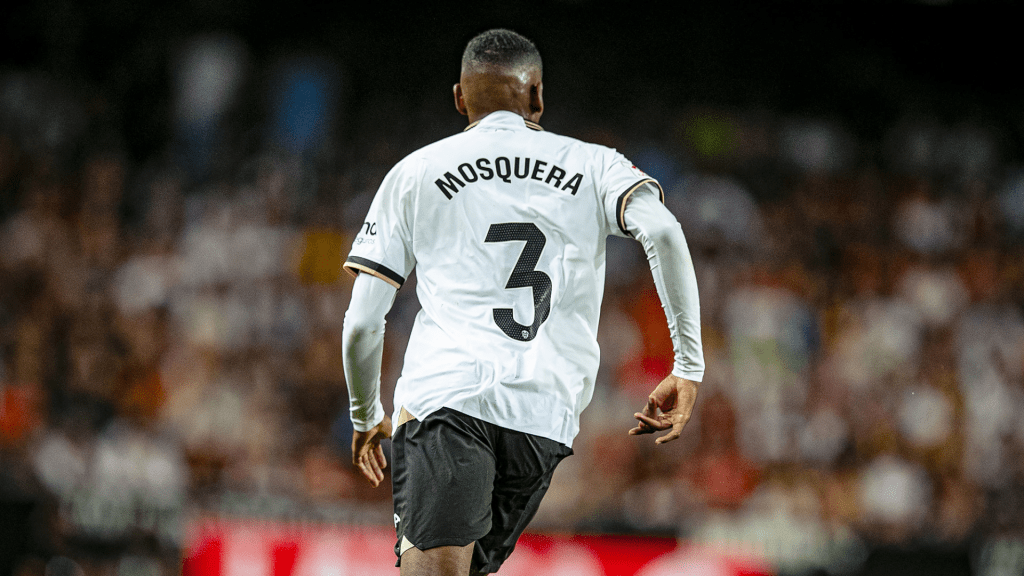
Javi Guerra, Yarek Gasiorowski, Fran Perez, Jesús Vázquez and Diego Lopez are a few of their most exciting academy graduates, but one player arguably garnering the most attention both domestically and within Europe’s elite is young, uniquely gifted centre-back Cristhian Mosquera.

The current campaign is Mosquera’s second as an established first-team player at Valencia, and he is already showcasing why he is considered one of the most complete young centre-backs in Europe.

As a result, he’s attracting a whole host of interest with the likes of Barcelona, Real Madrid, Juventus, AC Milan, Bayern Munich, Liverpool and AS Roma all rumoured to be casting an eye on him over the past year.

It won’t be long before the Spanish under-21 international is Valencia’s next big sale in the transfer market. So, how has the 20-year-old gotten to this stage in his career & what will he offer potential suitors?

Who is Cristhian Mosquera?

The story of Cristhian Mosquera starts in Alicante, Spain, a coastal city in the south of the Valencian Community.

He was born to Colombian parents and, at a young age, picked up the sport of basketball instead of football.

Mosquera grew up during the NBA’s global rise when Pau Gasol was winning championships with the late Kobe Bryant.

Given the Spaniard’s height and physique, it’s no surprise to find that he could well have been donning an LA Lakers jersey rather than a Valencia CF had he gotten his own way.

But it was on a Futsal pitch where Mosquera started, developed and honed the unique footballing qualities that we see in his game today.

He joined a local youth team for the sole reason that his cousin played for the team, and they needed a player due to being a man short.

Whatever happened during that period certainly persuaded Mosquera to try out a full eleven-a-side pitch, and it all led to him making his move to the Valencia CF youth team.

He then moved up the ranks quickly, making his full first-team debut in a January 2022 Copa del Rey victory over CD Atlético Baleares.

At 17 years, 6 months, and 23 days, Mosquera became the eighth youngest debutant for Los Che in their club’s history, as well as the youngest ever centre back.

Since then, the now 20-year-old has become the bedrock and heartbeat of the club’s defensive line ever since his La Liga debut against Sevilla in 2022, continually growing and developing to become one of Spain’s most prestigious young footballers.

He’s yet to feature for Luis de la Fuente’s European champions, continuing his development and maturity for the youth teams, but it certainly won’t be long before he’s performing at the highest level not only at club level but for Spain.

However, Mosquera also holds a Colombian passport, making him eligible to feature for Los Cafeteros should he find his opportunities for the Spanish senior side limited.

So far this campaign, he’s clocked just under 3000 minutes of football for Valencia. Last season, he registered 3,252 minutes, highlighting his incredible durability and availability for the club- a unique characteristic that elite clubs will be looking for when trying to sign a young, reliable and workaholic centre-back.

Mosquera, without a shadow of a doubt, will fit the bill for several of Europe’s best.

Dissecting the Cristhian Mosquera Hype / Style of Play

There’s the old saying, ‘Never judge a book by its cover, ‘ but in Mosquera’s case and for the sake of this analysis piece, we simply have to go against the old adage because the Spaniard’s cover arguably makes up for his exceptional footballing gifts.

At face value, when looking at the 20-year-old, the first characteristics you’d notice are his striking physical attributes.

Standing at 6’2″, Mosquera commands attention with his impressive physique and striking presence. With broad shoulders, a lanky frame and a solid build, he resembles a centre-back that could have been designed in a lab to meet the ideal specifications of modern football.

The Los Che academy graduate embodies the quintessential traits of a contemporary centre-back, perfectly blending physical prowess with a refined understanding of the game.

Mosquera’s height and strength enable him to dominate in aerial duels, while his keen tactical awareness and agility add to his imposing on-field persona.

Antonio Rudiger Regen?

The young Spaniard is drawing compelling comparisons to the formidable Real Madrid centre-back Antonio Rudiger.

Each match you watch intensifies the similarities, revealing a blend of poise, strength, and tactical awareness that echoes Rudiger’s commanding presence on the pitch. The parallels in their playing styles are becoming increasingly striking and undeniable, adding depth to the admiration for this emerging talent.

Should Real Madrid be looking at potential Rudiger replacements in the near future, Mosquera should certainly be at the top of their list.

Like the German, Mosquera is a commanding presence, a true backline leader, and an unstoppable force and given his knowledge and understanding of the Spanish top flight, he’d fit right in at the Santiago Bernabeu.

There’s a reason Mosquera is highly regarded amongst Europe’s elite, and before we can delve into his attributes/abilities, let’s see what the stats say.

Stats a fact

Immediately, two attributes stand out for Mosquera: defensive action volume and duel success rate.

The defensive actions component is encouraging but can be influenced heavily by possession, and with Valencia sitting 14th in the La Liga for possession of the ball [FBRef] this season, it explains a good bit of his success. 

Los Che under Carlos Corberan have improved considerably defensively. Their freak 7-1 defeat to Barcelona in late January should arguably be considered an outlier since the change in management.

The only other time they’ve conceded more than twice in a game since then came in their 3-0 defeat to Atletico Madrid a month later. Yes, it’s only hypothetical, but if not for those two results, Valencia would hold one of the best defensive records in the league since the turn of the year.

Corberan has moulded and shaped Valencia into a more dogged, organised and determined defensive unit, just like he did for Sky Bet Championship side West Brom during his tenure in Birmingham. Los Che may not have the ball all the time, but they are well-versed in controlling their opponents regardless.

Throughout his tenure, the Spaniard has alternated between 3-4-2-1 and a 4-2-3-1 formation, with his wingers dropping back out of the 4-2-3-1 to form a back-three with two wing-backs early on.

In the above image, we can see their defensive shape up against Girona with five defenders forming the last line with the three centre-backs, including Mosquera, and the wing-backs marking Girona’s attackers.

André Almeida and Diego López, the attacking midfielders or wingers per se, are dropping to the height of the two central midfielders to create another line in front of the defensive line.

This line is focused on defending the centre of the field and is aligned to cover the gaps in Valencia’s backline.

Mosquera’s role [the second to last man – from right to left – in the Valencia backline] is to engage and track his marker in front whenever the player receives in between the lines but also he’s tasked in sweeping up any loose balls in his zone while also providing strong coverage to the central centre-back César Tárrega.

This campaign, he has been instrumental for Valencia, contributing to seven clean sheets so far. His defensive prowess is evident, as he averages 1.1 interceptions and 1.4 tackles per match. Remarkably, he recovers an astonishing 5.4 balls and has been dribbled past a mere 0.3 times. With 3.1 clearances per game, his impact across the defence is undeniable, mastering the art of last-ditch, timely defending.

You’ll find in this article that Mosquera is, in fact, a pleasing-on-the-eye modern-day defender due to his progressive and unique attributes in possession, but he’s also

Wide Defending/Coverage

Mosquera stands out due to his remarkable versatility and positional intelligence. He exudes confidence as he seamlessly navigates any position across the back three.

His extraordinary focus and keen sense of anticipation allow him to read the game with uncanny accuracy, often predicting threats before they materialise. Coupled with his striking physique—tall, lean, and agile—he showcases surprising quickness over short distances, making him a formidable presence on the pitch.

The Alicante-born colossus has so far won almost 70% of his ground duels, again highlighting his dominance when engaging in duels. Amongst centre-backs in Europe’s top five leagues, he ranks in the top eight per cent for balls recovered per 90.

As pointed out previously, he is so comfortable sitting in one of the wide centre-back roles either on the left or on the right.

Mosquera showcases an impressive versatility on the field, displaying no bias toward his dominant right foot. This means that despite being right-footed, he skillfully patrols the left side, seamlessly tracking and engaging with attackers. Whether they attempt to race past him on the outside or cut inside toward his stronger foot, he stands unfazed, ready to counter their moves.

His one-on-one defending ranks among the elite in his position. With a powerful, athletic build, Mosquera exudes an imposing presence that poses a formidable challenge for any attacker, no matter their speed or finesse.

At just 20 years old, he faces each defensive situation with a blend of confidence and authority that belies his youth. His adeptness is particularly evident in his wide defending, where he showcases both poise and precision, making him a critical asset to his team’s defensive line.

In the defensive situation below, Mosquera is faced with an opponent who thinks he can get the drop on him by bringing him over to a tight situation…

The Spaniard’s body positioning to read the danger and what comes next is excellent at first…

However, it looks like he’s engaged the situation too early. Rather than standing goal side and not allowing him room to drive the ball towards the goal, he attempts to retrieve the ball on the wrong side.

The Spaniard recovers expertly.

The attacker may have got a yard on Mosquera because of him engaging early, but the 20-year-old uses his strength, anticipation and speed of thought to get himself goal side, marshal his opponent off the ball..

… snuff out the danger and take control of the situation.

He is excellent at matching his opponents for pace, standing up to them with his lanky and striking frame before possessing the quickness of thought and anticipation to read what his opponent will do next.

But as shown above, even when a situation appears hopeless, the Spaniard demonstrates quick thinking, speed, and agility to recover and eliminate danger.

Unbreachable force in the box

Without a doubt, the most important expectation or responsibility of a centre-back is being able to safeguard the penalty area and control central positions on the pitch. Mosquera exemplifies this duty with remarkable finesse and authority.

His defensive nous is characterised by an uncanny ability to intercept passes and foreshadow the moves of opposing attackers, often positioning himself as a formidable barrier against advancing forwards.

With a keen eye for the game, he reads situations meticulously, anticipating threats and stepping in decisively to thwart them.

Mosquera’s commanding presence instils a sense of confidence in his teammates, as he consistently organises the defence while ensuring that no opposing striker can find a comfortable passage into dangerous areas.

As pointed out in this piece, Valencia are a much more dogged, organised and stout defensive unit under Carlos Corberan, with Mosquera becoming one of the focal points of their recent success under the former West Bromwich Albion coach.

The Spaniard’s frame, size, incredible physicality, aggression, and striking athleticism make him an immovable object at the heart of the Valencia defence.

Opposition attackers simply don’t like coming up against him in the box because he’s so hard to bypass. He’s a defender who loves to defend via winning his individual duels, battling up against the strongest or quickest #9s, sweeping up loose balls in front of or behind the back-line, or just simply becoming literally the last line of defence.

His impeccable timing in last-ditch tackles and clearances underscores his commitment to protecting his territory.

In the instance below, Mosquera and his defensive teammates face an attacking threat. One pass to the attacker on the Spaniard’s right shoulder and he’d be in through on goal…

It’s important to note, though, that Mosquera’s positioning in this scenario is excellent. He has a view of the play and threat before him and is aware of the threat behind him…

…because of that, he’s perfectly able to intercept the pass and get Valencia on the attack.

In the defensive scenario below, the opposing attacker looks like he’s got the run on Mosquera and looks through on goal…

…but such situations don’t seem that relatively easy and plain-sailing when the 20-year-old is around. The Spaniard is quick, agile, and confident enough to stop the attacker getting a shot on goal…

Any kind of threat being formed in the Spaniard’s vicinity, he is always there to mop it up and deal with it.

An example of his excellent last-ditch defending through blocks is shown below.

The opposing attacker (ORANGE) has all the time and space in the D outside the penalty area to line up a shot on goal…

…but look at how quick Mosquera gets out to his man to stop him having an easy route to goal. His imposing frame and size, instant anticipation and reading of the situation completely diffuses the situation.

Take a look at the next example of Mosquera’s box defending, which is just as impressive.

The Spaniard is literally Valencia’s last hope as three of his teammates have been taken out of the scenario with a piercing run into the penalty box by an onrushing attacker…

However, as he approaches the box, his line of sight on goal decreases, once again because of Mosquera’s imposing frame, athleticism, speed and defensive reading…

The attacker tries to position himself to get a shot off, but Mosquera’s is always primed and ready to engage…

… and he does, blocking the shot and completely dispelling the danger.

Critics could argue that it’s a situation which many defenders should be dealing with, but trying to anticipate what an attacker does in that moment, whilst also possessing the presence of mind and quickness to follow the speed of the situation, is incredibly difficult.

But Mosquera makes it look relatively easy.

When faced with a striker playing with his back to goal, Mosquera stays tight and uses his size, strength and defensive nous to stop that forward getting any room for manoeuvre. When faced with a dangerous low cross into his penalty area he is, nine times out of ten, always the first one to deal with the cross.

For example, looking at his positioning below (RED).

Mosquera is positioned well and has excellent body alignment. He has a clear view of the ball as well as a complete view of his marker, which allows him to anticipate their efforts to get ahead of him for a potential cross.

Such defensive and positional understanding means he is primed and ready to deal with the cross…

What about dealing with situations when running towards his own goal? Well, you probably know the outcome.

In the instance below, once again, Mosquera’s positioning here is really good. He’s aware of what’s around him.

The player with the ball has a lot of space in behind Valencia’s defence to play a through pass for his teammate on Mosquera’s left shoulder…

Mosquera’s speed, positioning, anticipation and reading are once again put to the test, but it’s a test he passes with flying colours.

He’s always in control of the situation, and that’s down to his flawless speed when covering large spaces and also the speed at which he eats ground.

If the Spaniard had dabbled in a sport beyond basketball before his football career, one would inevitably envision him sprinting in the electrifying world of athletics or track and field.

With his explosive speed, athleticism and striking frame, he could undoubtedly rival Usain Bolt, making the race a breathtaking spectacle.

In any defensive situation, Mosquera is more than capable of fulfilling his responsibilities.

At just 20 years old, having such confidence, poise and decisiveness in his defending is truly remarkable and illustrates the journey and trajectory towards greatness that Mosquera is currently on.

The Art of Recovery

Mosquera’s prowess in recovery defending is undoubtedly one of his standout features, showcasing an impressive blend of athleticism and tactical awareness.

There are moments when the Spaniard’s eagerness to thwart onrushing attackers can lead him to leap out of his defensive line, passionately striving to eliminate the threat. While this intensity demonstrates his commitment, it can sometimes leave both him and his teammates vulnerable to counterattacks, creating gaps that opponents can exploit.

However, what truly elevates a centre-back to elite status is the ability to quickly reassess and respond to dangers that arise after making a miscalculation—whether that’s his own or due to a teammate’s error.

Take, for instance, elite centre-halves like Rudiger or Liverpool’s Virgil Van Dijk, who embody this skill with remarkable finesse. They possess an uncanny ability to read the game, allowing them to recover seamlessly and mitigate threats, turning potential crises into manageable situations.

Mosquera, with his keen instincts, aspires to master this crucial aspect of his game, positioning himself among the top young defenders in Europe.

As mentioned previously, the Valencia academy product possesses incredible athleticism and speed; the way he eats ground when matching an attacker for pace is a phenomenal sight, utilising these attributes consistently to his advantage when eliminating threats or getting his team out of trouble.

In the below instance, the Spaniard is caught out by a long ball, hoping his teammate Dimitri Foulquier bails him out of trouble..

Foulquier fails to get rid of the ball, which squirms under him, giving the opposing attacker a chance to take advantage…

However, look at Mosquera’s recovery.

What seemed like a lost opportunity for the Spaniard to deal with the danger, he more than makes up for, rapidly eating up ground through excellent speed and agility and locking himself in a duel with the attacker…

A duel Mosquera wins with relative ease and confidence…

In another instance, against Atletico Madrid, Mosquera gets caught out of position with Antoine Griezmann, given ample time in between Valencia’s midfield and defence to exploit the gap in the last line and pick out Memphis Depay…

The Dutchman looks like he has all the time in the world to take his chance on goal, but once again, Mosquera bears down on his opponent quickly and precisely…

Instead of going for a left-foot shot, Depay tries to chop back onto his right – a skill he’s done time and time again throughout his decorated career – but Mosquera reads it brilliantly, deflecting the ball off his opponent for a goal kick.

The Spaniard is excellent at reading situations and dealing with them, but he’s also become a master at quickly rectifying individual mistakes due to his tremendous anticipation, athleticism and defensive awareness.

As of matchweek 31 in La Liga 2024/25, Mosquera recorded the most ball recoveries (180) of any player in the Spanish top-flight (ValenciaCF.com)

While many critics may insist that Mosquera must eliminate the occasional lapse in judgment—like the mistakes noted earlier, reminding us that it’s often better to prevent problems than to solve them—it’s important to recognize that these experiences will only serve to enhance the growth and development of the Los Che academy graduate.

Every error is a stepping stone on his path to becoming an even more formidable defender. Every defender makes mistakes, though, it’s almost part and parcel of the job description, just ask some of the best around, like Van Dijk or Antonio Rudiger. It’s how a defender responds in that moment to rectify them, or after the deed has been done, that defines their legacy.

Mosquera is certainly well on his way to writing his own given his stunning trajectory since his emergence on the scene, but still has a long way to go given he’s only 20 years of age.

Aerial efficiency or deficiency?

Aerial duels stand out as a significant concern in his overall performance profile, a point of worry that persists even when factoring in his age. Typically, athletes experience improvement in their aerial skills as they mature, which aligns with the natural biological progression of the human body.

During the teenage years, athletes undergo substantial physical development, and this maturation process continues well into their late 20s.

When we look at Mosquera’s aerial statistics, the situation becomes even more troubling. He consistently ranks among the lowest in the category of aerial duels won per 90 minutes across Europe’s top five leagues, placing him in the bottom six percentile among his positional counterparts.

This statistic is particularly perplexing, especially considering his impressive physique and athletic build. He possesses a long, rangy frame that suggests he should excel in aerial contests. Additionally, he demonstrates remarkable leaping ability for someone of his stature, often appearing poised in the air. Despite these physical advantages, he tends to be more effective at making crucial connections while defending against early crosses, ensuring he often gets the first touch.

As previously noted, his ability to read the game is already highly developed, showcasing an understanding of positioning and timing that belies his youth. His jumping prowess inspires confidence that he should be a strong contender in aerial situations.

Despite the current statistics falling short of expectations, it is important to remember that at just 20 years old, Mosquera has ample time to refine his skills. With continued development, he will likely rank among the elite in aerial defending, transforming potential into consistent performance.

Ball-progression/passing

In the modern game, the role of the centre-back has evolved dramatically. These defenders are now not just stalwarts of the backline; they are pivotal playmakers who initiate attacks from deep within their own half. The expectation is to exhibit exceptional passing abilities, allowing them to seamlessly transition from defence to offence.

In addition to technical prowess, modern centre-backs must possess keen tactical awareness, demonstrating the ability to read the game and make split-second decisions, even under immense pressure when their team is building from the back. They must exhibit keen confidence on the ball, composure and good pass selection to seamlessly get their team into the attacking phase of play.

Valencia are not known for being one of the possession-focused teams in La Liga, and they rank among the lowest in terms of time spent on the ball as a collective unit. Therefore, evaluating Mosquera’s passing ability may not provide a complete picture.

However, according to the statistics, the Spaniard is a safe, low-risk passer. He ranks in the 44th percentile among centre-backs in Europe’s top five leagues for progressive passes per 90 minutes, indicating he falls into the lower bracket for this particular attribute. There is a case to argue that the system deployed at Valencia may be the cause for him not being as progressive as he should be.
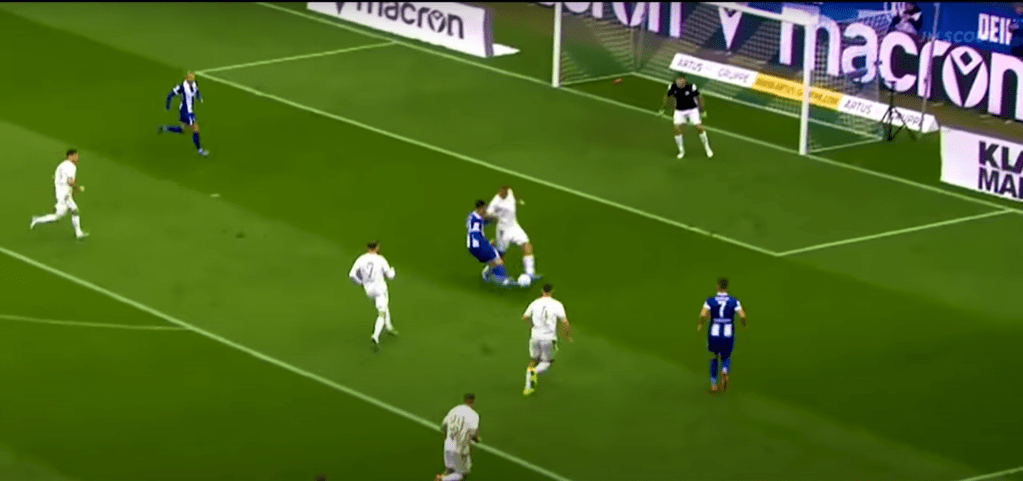
Once he makes the move to an elite side in the near future, those progressive attributes may be exerted with much more confidence and comfort.

Nonetheless, Mosquera excels in pass completion percentage, ranking in the top 15% with a remarkable completion rate of 90.9% over the past year.

Just because Mosquera may not exert as many proactive qualities in his passing at Valencia, given his deceptive technical acumen, doesn’t mean he isn’t a progressive outlet.

The Spaniard is proactive through other means and arguably the rarest attribute for a centre-back, his dribbling/ball-carrying.

If the situation presents itself, the 20-year-old possesses the presence of mind, athleticism and excellent ball control to travel with the ball at his feet to force his team up the pitch or evade a tight situation.

Like the instance below…

Mosquera, playing for the Spanish under-21s, has the ball deep in his own half with an onrushing attacker attempting to press him and force a mistake.
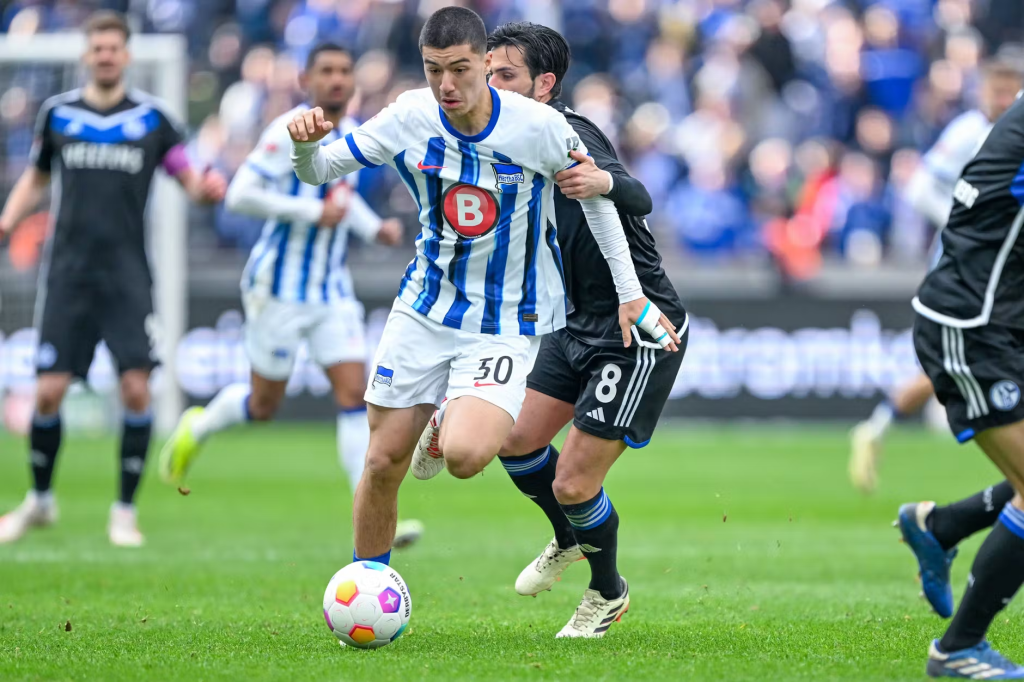
The Spaniard can’t pass to his teammate alongside him as he is also being pressed. He may have to switch it across to find a teammate in space…

Instead, Mosquera does exceptionally well to con and evade his marker with excellent body deception and movement…

…opening up a passing lane to find his teammate in midfield, aiding ball progression by working around the opponent’s press…

In another similar instance, Mosquera holds the ball in a pressurised situation..

…but has no problem bypassing his opponent, showing him one way before shifting the ball quickly the opposite way and driving forward…

The Spaniard then has to pick his pass right, but isn’t given the best of options to aid progression, with his teammates all bunched up in the same vicinity, but it’s no problem…

He drives forward a few yards more…

…before picking out his attacking teammate in a bit of space to build an attacking scenario.

Mosquera’s dribble take-on success rate stands at 63%, which is a very decent mark for a centre-back ranking in the 69th percentile, showing he is more selective when he dribbles the ball out with his feet, choosing to take players on and carry the ball when it is most opportune.

Again, the above instances are only too small a sample size to fully judge Mosquera on, but it’s a small indication that he holds all the attributes to be a top-level progressive centre-back, capable of getting the ball forward quickly through quick thinking and incisive decisions once being pressed.
Future Mosquera Forecast

In a matter of two seasons, Cristhian Mosquera has already established himself as one of the best defenders in La Liga.

Boasting a formidable physique, exhilarating athleticism, and lightning-fast speed, Mosquera is an immovable force at the heart of defence. His remarkable physical strength and astute defensive awareness set him apart as the quintessential modern-day centre back.

It’s no wonder that he is frequently compared to the likes of Antonio Rudiger from Real Madrid, as both share an impressive ability to dominate their opponents and command the defensive line with authority.

And the way his current trajectory is heading right now, it won’t be a surprise to see the Spaniard surpass the former Chelsea man.

At 20 years old, he’s already got some of Europe’s biggest names tracking his progress at the Mestalla Stadium, including AC Milan, Juventus, Atletico Madrid and FC Bayern Munich (Sky Sports journo Florian Plettenberg).

Judging by the way he’s excelling so far, especially under Carlos Corberan’s management, he’d certainly fit right in at any of those clubs.

When considering the potential of a young talent like Mosquera to integrate into elite football clubs, it’s essential to analyse the tactical frameworks employed by these teams.

Each club’s style of play, formation, and player roles can significantly influence whether Mosquera can flourish in that environment.

A club like Bayern Munich is certainly more progressive and positional focused than the others, but the Spanish youngster has shown he can fulfil the role of a progressive centre-back. At a club like Atletico Madrid, where Diego Simeone expects his CBs to dominate their box, be physical up against the markers, and defend at all costs more than a progressive outlet, Mosquera certainly fits the bill.

Whatever role you want Mosquera to fill, he’d have no problems acclimatising himself.

In a back three as a wide-centre-back or a central one or as one of the two centre-backs in a back four, the Spaniard is incredibly versatile and adaptable, making him one of the most attractive options in the market for any potential suitor.

He will certainly need to continue to make giant strides in his passing and aerial duels, but there is reason to believe all three areas will improve as his play evolves. 

It won’t be long before we see this incredibly gifted young talent playing at the highest levels, both at club and on the international stage. When coming through Valencia’s academy, that’s certainly the expectation for its young academy products, as seen throughout the club’s decorated history.

Mosquera is up next and ready to take that giant step towards the elites.

The Remarkable Journey of Archie Gray: From Leeds United’s Academy to International Stardom

The Remarkable Journey of Archie Gray: From Leeds United’s Academy to International Stardom

The illustrious successes of the Leeds United academy at Thorp Arch means that every year one talent that graduates carries with them the expectations and hopes of becoming the club’s latest hot property.

The Whites have indeed had a few talents to get excited about over the past few years, youngsters such as Joe Gelhardt, Charlie Cresswell, Leo Hjelde and Lewis Bate who have now somewhat gone into unfortunate obscurity.

While most Leeds fans will be left wondering what might have been for those two, their attention has been swept considerably by the emergence of one Archie Gray.

Throw in a surname like Gray in and around the West Yorkshire camp and the expectation to become a superstar on the shores of Elland Road instantly increases.

Son of former striker Andy Gray, grandson of ex-defender Frank Gray and great-nephew of club icon Eddie Gray, the 18-year-old is the latest edition of the renowned dynasty synonymous with the historic West Yorkshire club.

Certainly, Archie has a long way to go before he’s matching the heights of his decorated bloodline. Indeed, he’s only 18 and not even a year of first-team football at Elland Road has passed. However, the way he’s performing consistently for Leeds United right now, Gray is on his way to writing his own story and fulfilling his own glowing destiny.

After 40-odd games for the first team, the young Englishman has catapulted himself to become one of the country’s most exciting and highly-regarded teenage talents, leading to plenty of interest from the likes of Liverpool, Newcastle United, Everton and Crystal Palace in the recent past.

The Whites moved swiftly to quell all the noise regarding his future when they tied him down to a new long-term contract in January, putting pen to paper on a deal running until 2028 (LUFC official website, 16 January).

It’s no surprise that he’s been named in Goal.com’s annual NXGN list for 2024 which was released last week and he only went and followed that up with his first cap and goal for the England Under-21s against Azerbaijan on Friday (22 March) – making him the fourth youngest goal scorer in Three Lions under-21 history.

So how has Gray got to this lofty position so early in his relatively short career? Let’s delve in.

Who is Archie Gray?

Born in Durham, North-East England, Gray joined Leeds United at under-9 level.

He is the fourth Gray across three generations to represent the club, with his father, Andy Gray, having come up through the Leeds Academy and enjoyed two stints as a player at Elland Road.

Archie is the grandson of Frank Gray, who played for the club in the 1970s and 1980s, and he is the great-nephew of Eddie Gray, one of the finest players in the club’s history, who also went on to manage the team. Archie’s brother, Harry Gray, is also currently associated with Leeds’ youth academy.

He advanced quickly through the academy, and at the insistence of then-manager Marcelo Bielsa, an arrangement had to be reached between Leeds United and Gray’s school, the St. John Fisher Catholic High School in Harrogate, for Grey to miss classes so he could to practice with the senior squad.

For a 15-year-old experiencing an unexpected advancement in his development, Gray’s weekends balanced GCSE revision with a place on a Premier League substitute bench; mock exams during the day, and 35-yard strikes against Manchester United U23s by night.

The midfielder boasts an impressive record in youth competitions for Leeds, featuring in 37 matches, finding the net in 5 instances, and providing 7 assists along the way.

Grey was added to the squad for a Premier League match against Arsenal on December 18, 2021, at 15. If he had featured that day, he would have surpassed Peter Lorimer’s 1962 milestone as Leeds United’s youngest-ever player.

In the 2021–22 campaign, he was on the bench five more times but failed to play. The following campaign, then manager Jesse Marsch gave him his first-team bow in pre-season, featuring in a 4-0 win over Blackpool in July 2022, just a few weeks before he received his GCSE results.

It was a display of intent from the teenager and the following 70 minutes reinforced the belief within the squad at Thorp Arch: he is no passenger in senior football.

Former Leeds United manager Jesse Marsch

Marsch thought as much, giving the teenager high praise afterwards:

“I consider Archie a first-team player at 16.”

“He has cleverness, the flexibility to play in multiple positions, he can run, he sees things quickly, he’s aggressive against the ball and he’s fearless. I think he’s got the full package.”

His senior debut came at the onset of the 2023/24 season, and since then, he has become a consistent name in Daniel Farke’s starting lineup, featuring in an unfamiliar role at right-back – a position he has now brilliantly made his own and an experience which will certainly aid his development and learning once he does take on a midfield role full-time at Elland Road.

Gray has represented England at every youth level and now under-21 level as of Friday 22 March 2024 but is still eligible to represent Scotland who have previously been interested in touting his services.

The Thorp Arch academy graduate featured in every game for the Young Lions at the UEFA European Under-17 Championship over the summer, as England bowed out at the quarter-finals stage. He would then go on to grab his first international goal in a 4-2 World Cup play-off win against Switzerland.

Having already stepped up to the England U19 squad, Gray made his U20 debut on 16 November 2023 during a 3–0 defeat to Italy at the Eco-Power Stadium before being fast-tracked to the under-21s and it only took him five minutes to grab his first goal in a 5-1  2025 UEFA European Under-21 Championship qualification win over Azerbaijan in Baku.

The striker made him the youngest Leeds United player to score for the England U21’s (18 years, 10 days), breaking the record of Alan Smith in October 1999 against Denmark (18 years, 345 days).

What is Gray’s style of play?

This is a footballing talent with a plethora of strings to his decorated bow and it is why he should go on to become one of the most prestigious and complete midfielders of his generation.

The likes of Liverpool haven’t been hot on his trails for no reason – this is a kid destined for great things just like his historic bloodline.

When Gray looks back on his career in future, he’ll look back on the 2023/24 Sky Bet Championship campaign as the season that provided him with the springboard he needed to flourish into becoming the complete and all-round central midfielder he was destined to be when he made the grade at Thorp Arch.

One manager he’ll greatly appreciate for his early development in Daniel Farke and the sole reason for that was the decision to deploy him regularly as a right-back rather than his customary midfield role.

In fact, the young Englishman was handed his first team debut at the start of the season playing alongside Ethan Ampadu at the heart of the Leeds United midfield against Cardiff City and Gray performed like a seasoned professional.

The teenager was assured and assertive with his passing whilst also thriving without the ball in a thrilling 2-2 draw at Elland Road.

Since then, Farke’s utilisation of Gray has not only been intriguing but incredibly meticulous, not only benefitting Leeds United’s tactical flexibility but with Gray’s development and learning very much in mind.

German tactician and Leeds United boss Daniel Farke has significantly aided Archie Gray’s development this season.

First and foremost, it was never Farke’s intention to deploy Gray as a full-back.

The Whites had three senior and capable options in the role once the campaign kicked off with veteran Luke Ayling, Djed Spence, signed on loan from Tottenham and another addition Sam Byram – who could also fill in a left-back – all quality options for Farke to choose from.

It looked as if Gray would be a regular in his usual midfield role, especially from the first ten games of the campaign:

Image provided by Transfermarkt

However, due to recurring injuries and the departures of Spence and Ayling in the January transfer window, Farke thought it’d be best to deploy Gray as part of his back-line and the 18-year-old has rarely looked out of place ever since.

Before picking out Gray’s influence and progression in the position, it’s important to pick out his most impressive and unique attributes which have made him one of the most hugely coveted teenagers in the country.

Such characteristics have elevated him to become an instant success story in what’s been a brilliant campaign under Farke’s guidance, with the Whites currently maintaining a strong push for automatic promotion back to the Premier League.

When watching Gray, you’d find that he is very well suited to the defensive midfield or #6 role – but also possesses the attributes to strut his stuff higher up the pitch.

The tools and attributes of a deep-lying playmaker revolve around controlling the game or “pulling the strings” if you’d like. This involves dictating the tempo and maintaining possession so that the team is always managing the game in their favour.

These attributes include; a high footballing IQ, confidence with the ball, a range of passes, technical dribbling and vision – all of which Gray possesses in his weaponry.

However, nowadays the role transcends beyond the understanding of just dictating the tempo of a team’s style of play, they are also expected to receive the ball well under pressure from goalkeepers or centre-backs, play with their back to where their team is shooting as well as screening their back four and protecting it.

Gray can certainly hold his own when receiving under pressure or operating amidst relenting pressure from his opponents.

In the image below, Gray receives a pass in his own penalty area from goalkeeper Ilan Meslier, with two opposition players aiming to win the ball with a high press:

It’s important to note that Meslier doesn’t hand possession to Gray amidst the opposition press just to get rid of it. No, the French goalkeeper plays it to Gray in a pressurised area, confident in the teenager’s ability to evade it and drive Leeds up the pitch, and that he does.

The teen sensation displays superb deceptive movement with his body to fool the player behind him, feinting one way with his right foot over the ball before forcing the ball with the outside to advance the opposite way:

With this nimble and deceptive manipulation of his body and the ball, Gray evades the pressure and is able to progress the ball into midfield with excellent ball-carrying and close control:

Despite having a lanky frame, Gray possesses quick feet which enables him to wriggle out of tight spaces, creating room, to increase his passing options and progress play, manoeuvring his way out of pressure and advancing possession.

He performed similar actions against Premier League outfit Chelsea in their FA Cup fifth-round tie at Stamford Bridge in a 3-2 defeat on 28 February (see tweet below).

Gray superbly evaded Mykhailo Mudryk’s and Nicolas Jackson’s pressure to progress the ball up the pitch for his team, ultimately leading to the Whites’ equaliser from fellow academy graduate Mateo Joseph.

To become an elite operator in the role, all of the above characteristics must be performed to a consistent and measured level. While Gray still has some way to go before matching those elite levels, his qualities are those of a player who embodies such unique attributes.

A technically gifted central midfielder who is efficient and assured on the ball but also possesses a hunger and drive to win the ball back for his team, Gray is a special player with a very high ceiling, boasting an immense passing ability.

He’s a great ball carrier who is aggressive in physical duels and holds his own in terms of keeping his side compact out of possession, and whilst he is capable of being moulded into a #6, #8, or #10, he could even perhaps be best suited to a left-sided #8, an interior midfielder.

As stated previously, Gray possesses stunning vision to see passes before everyone else. With all the passes or through balls you’d expect from an advanced midfielder, the 18-year-old can also perform with superb efficiency.

Take his assist for Crysencio Summerville against Blackburn Rovers in Leeds United’s 2-0 win in December, in the image below:

Before the assist, Gray possessed the mind and intricate attributes to get out of a tight spot by playing a lovely one-touch pass and move with Georginio Rutter, buying him the room and the opening of a passing lane, disrupting Blackburn’s defensive line to thread a perfectly weighted pass for Summerville to finish.

While the above pass may seem easy to the untrained eye, it really isn’t. Many players of Gray’s age and profile may take an extra touch which could allow defenders to block the space, or they could perform an overweighted or under-weighted pass which Summerville can’t run onto.

For Gray, he knows the exact time to play the pass and the weight needed for Summerville to take just two touches to score.

The 18-year-old’s mental fortitude, maturity and unbelievable technique are of elite potential. The way he carries himself on the pitch even in unfavourable situations for Leeds is quite staggering. Such characteristics and mentality coupled with his level of understanding as a deep-lying midfielder have allowed him to perform expertly as a right-back.

Credit must go to Farke for identifying the role for Gray to refine and mature his game even further and it’s worked to such tremendous aplomb.

While performing in defence, Gray has been able to work on his positioning, defensive concentration, and marking but also the ability to problem-solve in possession, identifying different angles for a pass – attributes which will make him an even better midfielder once he’s deployed there permanently.

The role of a modern-day full-back has evolved massively.

Not only are they tasked with the responsibilities to defend well and guard against opposing wingers, they are now crucial and instrumental in many teams’ attacking play; providing width, final third penetration and are used as decoys in order for wingers and wide forwards to perform their best work in attacking scenarios.

Not only that, but elite coaches are now deploying their full-backs as auxiliary midfielders, taking up roles alongside a defensive midfielder when building up from the back in possession, overloading the opposition in the middle third and also providing an option in the half-spaces in the final third.

Because of Gray’s incredible technicality and understanding tactically, he can perform both responsibilities right down to a tee.

As pointed out earlier, Gray is press-resistant which means he can come inside from his right-back and consummately aid his side in progressing the ball into the final third but he’s also a tremendous outlet when Farke needs attacking width.

One of the biggest factors into why Archie’s so versatile/tactically flexible is his ability to play across all angles — while being receptive to his surroundings – it all leads to him becoming so ‘precise’ and meticulous with his actions.

The England under-21 international turns & spins so fluidly, but as addressed earlier in this piece, he’s able to manipulate and bend tight situations to his advantage through nimble footwork, close control and his rangy build.

As seen in the image above, he comes up against two Cardiff City defenders, with the aim of forcing play into the final third for Leeds United.

It seems an impossible situation and a tight spot for plenty of right-backs to escape.

NOT FOR GRAY.

Gray’s dribbling and ball-carrying are of a quality standard and it is what will make him an elite midfield component in future – the Englishman holds a dribble success rate of 54% and also ranks in the top 19 per cent of midfielders for progressive carries outside of Europe’s top five leagues, whilst also ranking in the top 24 per cent for successful take-ons.

In a progressive and possession-orientated system, Gray will be handed the conditions to thrive consistently and his development and learning have been hugely boosted by Farke’s flexible, fluid and expansive style at Elland Road.

A standout trait of Archie’s is his passing.

The Durham-born wonder possesses a top variety of passing — whether that be slick 5-yard passes round the corner, a 20 yard passes to dissect the lines and locate players in the half-spaces or even ping a 40-yard cross-field ball, he can do it…

The 18-year-old talent is ambipedal – incredibly adept at distributing the ball with both feet. As seen in the image above, for the England under-20’s, he picks out an attacking teammate in space with a delicious left-footed cross-field pass, despite his penchant for using his right.

Another part of his game that makes him so complete already despite his tender age, is his tackling. He times his tackles very well, loves to be aggressive in winning the ball back and excels in slide tackles.

Defensive midfielders with rangy, long-legged attributes, supreme athleticism and physical attributes but also with the ability to be adept and assured in possession have become a dying art in recent years but will soon be coming back into fashion once more.

Gray is yet to reach that profile and still has plenty of time to grow into one but already, the way he performs, it won’t be long before he’s in that company of unique physical midfield profiles.

Championship football certainly is aiding that progression. His rangy frame and long legs boost his ball-winning attributes, and he’s become one of the best defensive full-backs in the division. Gray ranks third in the Championship for dribblers tackled (56) and ninth for tackles won (55) (FBRef).

The English talent, however, has been susceptible to the odd lapses in his defending this season.

Take the game against Preston North End on Boxing Day. The Whites suffered a dramatic late 2-1 defeat at Deepdale, with Liam Millar grabbing the winner after being allowed to cut inside Gray before unleashing an unstoppable drive into the top corner.

As a full-back, you’re always taught when facing up against an inverted winger (wingers who work best when the player’s strongest foot is opposite to the side of the pitch he’s playing on), to ensure that they do not cut inside to perform a shot or a cross, but force them onto their weaker foot.

In this case, Gray’s positioning and standing frame up against Millar were all wrong.

Millar reads it and is allowed the freedom to cut inside onto his stronger right foot, which he does brilliantly but Gray allows him the room to do that when he should be using his body positioning to show him outside instead.

Because of his positioning, Millar takes advantage of the room and space to move onto his right foot and carry inside the penalty area, leaving the teenager in his wake…

It’s those small details and lapses that allowed the Preston winger to grab the winner. That was early into Gray’s reign as a right back but he has gone on to make significant improvement ever since. However, it is something he will face relentlessly as a midfield player in future – a probable weakness that could well crop up again.

Given Gray’s mental fortitude on and off the pitch, and his willingness to learn and improve, he will iron that out with minimal fuss – such is the talent England have once again at their disposal.

The 18-year-old is not only garnering a reputation for his technical ability and work off the ball but also his superb engine room. We’ve touched on his impressive athleticism for a player so young, but Gray is a player who can run for hours, and that is evident in his admirable versatility and assuredness in fulfilling multiple roles for Farke and Leeds United.

The stats certainly back it up in the image above (SofaScore). Gray averages a whopping 83 minutes per game and has featured in 38 of Leeds’ 40 games in the Championship so far.

Gray is one of the first names on the team sheet for Leeds United, even when he’s tasked with fulfilling duties in midfield from time to time – a true measure of his tremendous impact but unbelievable growth and maturity at just 18.

What does the future hold for Archie Gray?

There’s no doubt Archie will go on to fulfil his enormous potential but that may not be at Elland Road like his aforementioned bloodline, with plenty of the elite clubs around Europe already keeping watch over his stunning progression.

According to HITC journalist Graeme Bailey (2 April), both Real Madrid and Bayern Munich are currently scouting the Durham-born teenager. Not to mention, he’s already being watched – according to previous reports – by Liverpool and Newcastle United.

Whether those interests lead to a formal approach once the season comes to a close remains another matter, because should the Whites go on to claim their return to the top-flight next season – currently fighting both Ipswich Town and Leicester City for the Championship title – Gray will surely still be a Leeds United player.

It’s why the West Yorkshire outfit are hell-bent on fulfilling their ambitions, so they don’t lose their star players such as Gray, Crysencio Summerville, Wilfried Gnonto and Georginio Rutter.

Three of Leeds United’s most prized assets: Archie Gray, Crysencio Summerville and Willy Gnonto.

Premier League status means they won’t be under pressure to lose them, can claim hefty fees as well as those players being convinced that another season developing in the top-flight would be beneficial.

For Gray though, another season or two at Elland Road would do him the world of good. An opportunity to further refine his craft playing regular football rather than a development benchwarmer at a big club should be at the top of his future agenda.

The big clubs will always be there for him to choose from. For now, development is the name of the game for the 18-year-old sensation because the way things are looking right now, he could well become the best of his historic family line.

#AnthonyScouts 2024 – Ronnie Edwards

#AnthonyScouts 2024 – Ronnie Edwards

The future of English football is in very capable and safe hands regarding its centre-backs.

With the European Championships this summer fast approaching, England boss Gareth Southgate will have a piercing headache trying to pick four or five centre-backs for his 25-man squad for the tournament and given the plethora of options available to him, he is once again in for a tough ask picking his defensive weaponry.

While the likes of Harry Maguire and John Stones have carried the mantle for a few years, there are a few list of names looking to upset that order. Fikayo Tomori, Marc Guehi, Ezri Konsa, Lewis Dunk, and Levi Colwill have all emerged as strong contenders for a starting spot in Germany.

There are also potential wildcard options that have undergone tremendous upward trajectories so far this campaign and have exceeded in the England under-21 setup such as Everton’s Jarrad Branthwaite, Manchester City loanee Taylor Hardwood-Bellis and Liverpool’s Jarell Quansah.

As is the ongoing trend in England, there will certainly be a new bread of gems cropping up the scene over the next year and one player sure to be amongst that pool of talents is Peterborough United’s exceptionally gifted centre-back and leader amongst men, Ronnie Edwards.

This is a 20-year-old defender destined for great things but also possesses a talent and blend of attributes that make him stand out not only amongst his teammates but in the whole of League One.

It’s no mistake to find that Peterborough recently rejected a bid from Premier League clubs West Ham and Crystal Palace, as confirmed by the club’s director of football Barry Fry (BirminghamWorld, 25 January) but they will certainly be back in with another move before long.

Manager Darren Ferguson pointed out in January [Peterborough Telegraph, 12 January] that the ideal scenario for Peterborough would have been a Premier League signing him with the condition of the young defender being loaned back to the club before.

Regarded as one of the most sought-after players outside the Premier League in England and already going on to make under 130 games of senior football and also a 12-time England under-20 international, Edwards is certainly well equipped and suited to make the rare jump from League One straight to the Premier League.

So how has Edwards gotten to this stage? Why is he so highly regarded in the Football League and just how well-suited could he be should he make the swift jump to the English top-flight?

Who is Ronnie Edwards?

Born in Harlow, England, Edwards joined Barnet at the age of nine, and progressed through the club’s academy, captaining the under-18s. Aged sixteen, he made his senior debut when he captained a young Bees side in a Middlesex Senior Cup game against Staines Town in December 2019.

That month saw him make his league debut as a late substitute against Maidenhead United. Five games later, Edwards made the transfer over to Peterborough United in August 2020 for an undisclosed fee after a successful trial before quickly making his debut for the Posh against Burton Albion in the EFL trophy in September 2020.

Edwards made his full league debut for Peterborough in December 2020 in a 1–1 draw away to Milton Keynes Dons but it wasn’t for another two years before going on to become a permanent fixture in the first team during the 2021/22 campaign although the Posh would suffer relegation from the Championship.

However, that season proved every bit a success on an individual level for the talented centre-back winning four awards at the club’s end-of-season awards, including the Player of the Season.

Since then, Edwards hasn’t looked back and has even been rewarded with a swift and deserved emergence on the England youth international scene.

The Harlow-born talent was called up to a training camp with the England U19 national team in May 2021 before receiving an official call-up to the full U19 squad for the friendly Marbella Cup tournament and made his debut during a 3-1 defeat against France.

Edwards was included in the England U19 squad for the 2022 UEFA European Under-19 Championship and was immediately thrust in for his first start in the final showdown against Israel in July 2022 for which the young Lions triumphed 3-1 after extra time.

The new 2022/23 campaign brought even more growth and progression for Edwards, receiving a call-up to the England Under-2o side and making his debut in a resounding 3-0 win over Chile in September 2022.

It wasn’t long before Edwards was entrusted with a key role in another major competition for the England Under-20 side, rewarded with a call-up to the  2023 FIFA U-20 World Cup in May 2023.

Edwards would go on to feature prominently throughout the tournament, playing a key role at the heart of the defence in all four games before England were unfortunately knocked out in the round-of-16 tie against Italy.

What is Edwards’ style of play? Why is he highly rated in England?

Edwards possesses all the hallmarks and attributes to be one of the best modern-day centre-backs of his generation if he keeps up his stunning upward trajectory.

Right now, the 20-year-old is showcasing a rare completeness in his game that is very rare to find from such a young player in the EFL League One.

First and foremost, it is important to point out Edwards’ incredible durability.

One of the key components managers look for when signing such a talent is their injury record and squad availability and Edwards is immensely reliable in that area.

Of Peterborough’s 35 Sky Bet League One games so far, at the time of writing, Edwards has featured and started in every game.

He is well on course to play all 46 games showcasing his tremendous presence, reliability and durability, especially in one of the most gruelling divisions in the country. Whenever manager Ferguson needs him, Edwards is there ready and has become one of the first names on the teamsheet.

It’s perfect for any manager when one of his key players are always available but it is an absolute bonus when that availability is backed up with quality and consistency. Edwards has by far and wide been one of the best centre-backs in the division this season.

Previously dubbed a “Rolls-Royce” by the club chairman Fry, Edwards has helped Peterborough to 11 clean sheets so far this season all whilst averaging 1.0 interceptions, 1.2 tackles, 5.2 balls recovered and 4.2 clearances per game in League One. His duel success rate this season makes for tremendous reading, recording a 62% ground duel success rate and also excelling brilliantly in his aerial duels successfully winning 59% [SofaScore].

In a 3-0 win over Blackpool on 20 February, Edwards won a whopping 12 of his 16 aerial duels, also winning 100% of his ground duels. It was a similar story against Cambridge United seven days later, winning 75% of his aerial duels and 66% of his ground duels, once again highlighting his impact and influence in defending.

In one-on-one defensive duels, Edwards positions his body sideways which enables him to keep pace with an attacker, and his tackling, timing and technique are solid enough to come away with the ball more times than not.

In the image above, Edwards stands up well against his opponent, is patient enough to scan and read his next action before timing his intervention, tackling well before coming away with possession, as seen below:

When dealing with his attacking opponents in the wide areas, he positions himself really well to stand up against them and recover the ball through slide tackles or via great strength pace and excellent reading of the game.

Edwards uses his body & strength really well to get in between the ball and the attacker when balls are being played over/through the defensive line.

The 20-year-old wonderkid is an excellent defender but such are the added responsibilities of a centre-back these days, we must take into consideration his abilities on the ball and in possession – a great requirement of a modern-day centre-half.

What most comment on about Edwards’ game is his composure and assuredness in possession, and for damn good reason. He seems unphased by opposition pressure, nor the fact he’s playing in front of thousands of football fans. He has a strong awareness of the space and players around him, which mixes well with his composure and elegance on the ball. 

Edwards is Peterborough’s most progressive as well as their most accurate passer, their most crucial component in how they kick off their attacks. Of Peterborough’s regular starters, he has the most passes per game with 88, at a stunning 91% accuracy [SofaScore]. This says a lot about the trust that his teammates have in his passing ability, and ability to handle pressure at an important third of the pitch.

Premier League clubs and even the top-end clubs in the Championship love a centre-back capable of playing out of pressure and is incredibly adept at building from the back, so it’s of no surprise Edwards is arguably the most coveted talent in the English Football League.

He attempts 7.2 accurate long balls per game, at a tremendous success rate of 68% so he is attempting to force the play forwards at every available opportunity.

These are often a result of a period of passing between the three centre-backs, opening up space in the midfield, and Edwards typically aims these forward passes into the feet of an attacker who has dropped deeper to collect the ball. He has a keen eye for when these moments occur and looks to take advantage when possible.

During the build-up he will make an angle to receive the ball short, showing intelligence in dropping deeper or moving slightly wider to drag an attacker away and create passing lanes centrally.

Although he can take too many touches when receiving, and a strong press could dispossess him, fortunately, he shows strong decision-making with the ball and understands risk to a good level for someone so young.

With more refining and development at a higher level, Edwards could well morph into the next John Stones. Capable of taking up several positions in the build-up to aid his side’s ball progression but also manipulate an opponent’s press to his team’s favour.

It is why when he does eventually move on, his next club must be a top-heavy possession-based side.

Peterborough and Ferguson have nurtured him brilliantly in that respect but playing under top-level coaches with better players could advance his development and attributes as a ball-playing centre-back – an elite and top-quality one – considerably.

Edwards can use both feet when distributing play but there can be a considerable drop off when passing out with his left and developing that characteristic at a better and more developing football club will be mightily beneficial because this is indeed a defender destined for greatness.

Ferguson recently praised his temperament and maturity for his age in January amidst the speculation surrounding his future, stating [Peterborough Telegraph, 12 January]:

“The constant speculation can be frustrating, but I have no concerns about any of it affecting Ronnie. You could tell him five minutes before kick-off there had been a bid for him and it would make no difference to how he played as he’s so level-headed and calm. He has a fantastic temperament.”

In order for Edwards’ huge potential to be fulfilled, the path to get there is of significant importance.

What does the future hold for Edwards?

Here and now, Edwards’ focus must be pushing for a playoff place with Peterborough. At the time of writing, The Posh are currently fifth in League One, but still have an outside chance of automatic promotion with a game in hand on second-placed Derby County, despite being five points away from them.

Should the Posh secure promotion to the English Second Division, it wouldn’t be out of the question for Edwards to remain at the club for next season.

However, his contract comes to a close in June 2025 [Transfermarkt] and given the clamour for his talented services this summer, there’s understandably been no talk or even rumours regarding an extension to his current deal plus Peterborough will be hoping to gain a healthy transfer windfall and the best chance of achieving that is this summer.

As stated previously, Edwards is a talent of such prestigious class and uniqueness and whichever club he ends up next, they have an incredible talent on their hands.

With a number of Premier League sides keeping watch on his progress, a move to the English top flight simply won’t be out of the question. Crystal Palace are one of those clubs interested, given they could well be about to lose Marc Guehi this summer? Will he be a sturdy replacement?

The 20-year-old would certainly fit right in given the Eagles’ exciting model of recruiting top-end talents from the EFL. Edwards will also fit perfectly as one of the progressive and sturdy components in new manager Oliver Glasner’s three-man defensive system.

Whether he’d be an instant starter at Selhurst Park is another matter entirely though, and that’s why the defender and his representatives must plot his path and career trajectory with a fine-tooth comb.

Playing time must be paramount in their decision-making.