
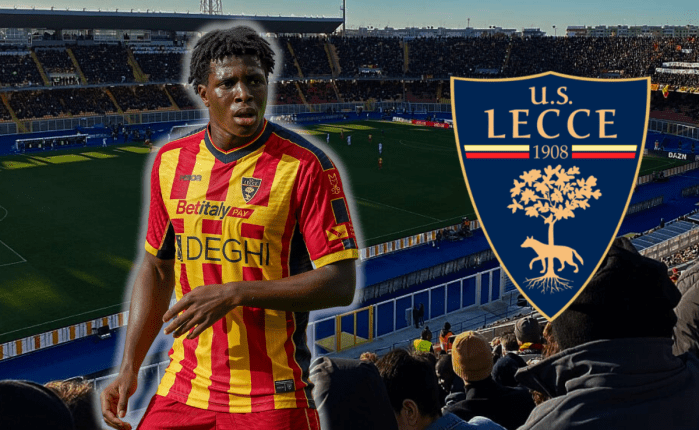
As of now, US Lecce is positioned 13th in the Italian Serie A with 20 points, three points away from entering the top ten.
Since their promotion to Italy’s top division during the 2021/22 season, the club—one of the smallest in the league—has consistently exceeded expectations.
Their best finish to date was last season, where they secured 14th place with a total of 38 points under the management of Luca Gotti.
Now, with Marco Giampaolo at the helm, the team could potentially be on track for another season in the top flight.
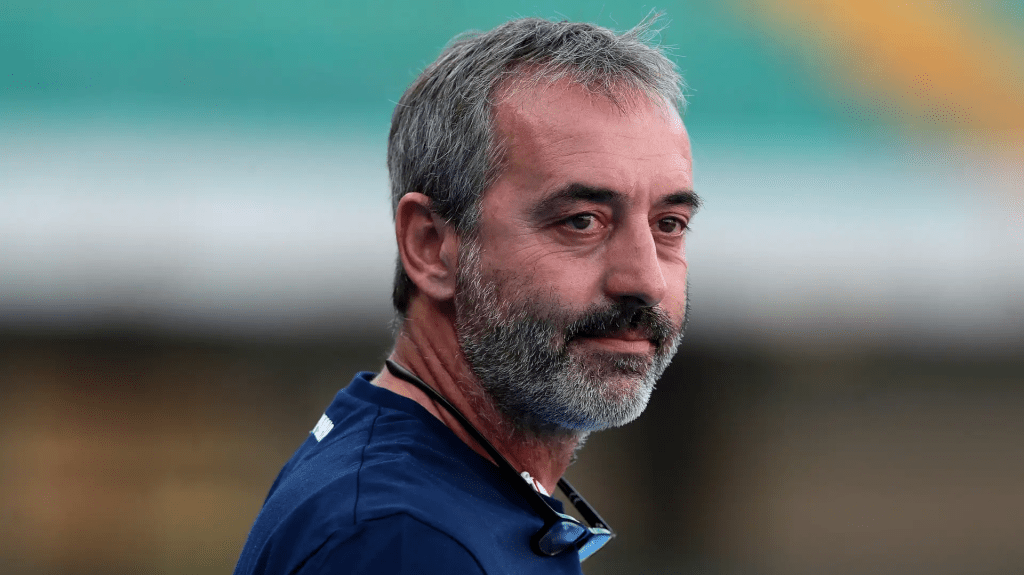
A major factor contributing to their success is their exceptional ability to discover and recruit skilled players from less-publicized markets that often receive little attention from other clubs. By strategically scouting these areas, the club has managed to unearth hidden talent that might otherwise go unnoticed.
For instance, they signed Nikolas Krstović, a promising forward from Slovakia, who has shown great potential and skill on the field. In addition, they recruited Ylber Ramadani, a versatile midfielder arriving from Scottish outfit Aberdeen, known for his strong work ethic and game intelligence.
They also brought in players with a wealth of experience ready to come in and aid their quest to further establish themselves amongst the best in Italy, such as 42-time Croatian international Ante Rebic, once of AC Milan and former Aston Villa defender Frédéric Guilbert.
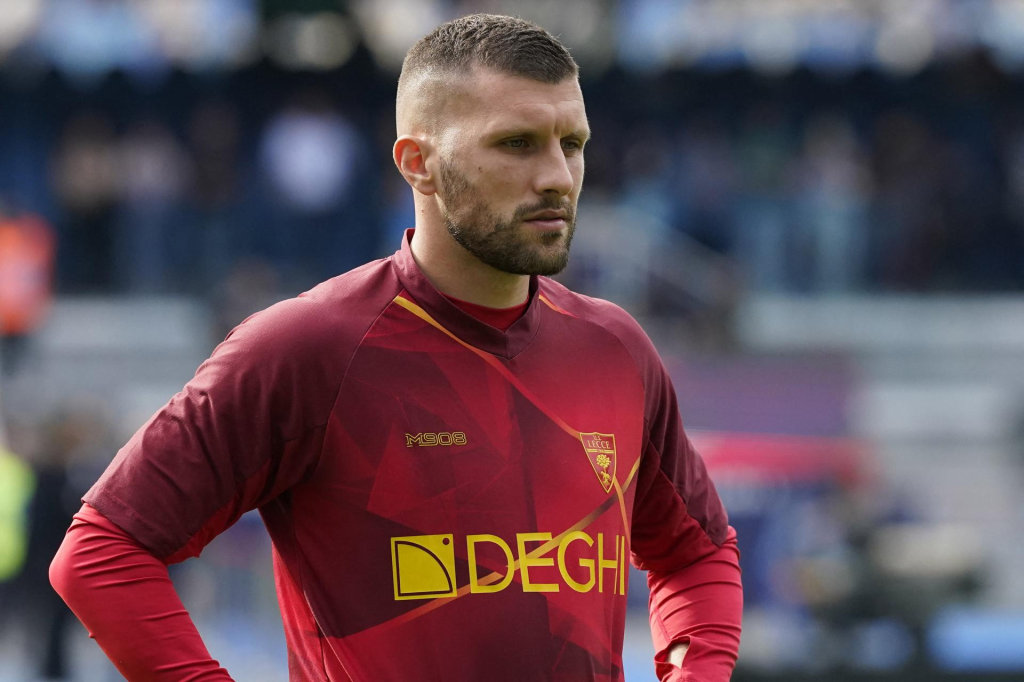
These strategic decisions exemplify the club’s commitment to building a competitive team through smart and sensible recruitment.
There is a compelling case to be made that one of Lecce’s most impactful signings in recent years is their acquisition of Danish left-back Patrick Dorgu from FC Nordsjaelland for a modest fee of £200K in July 2022.
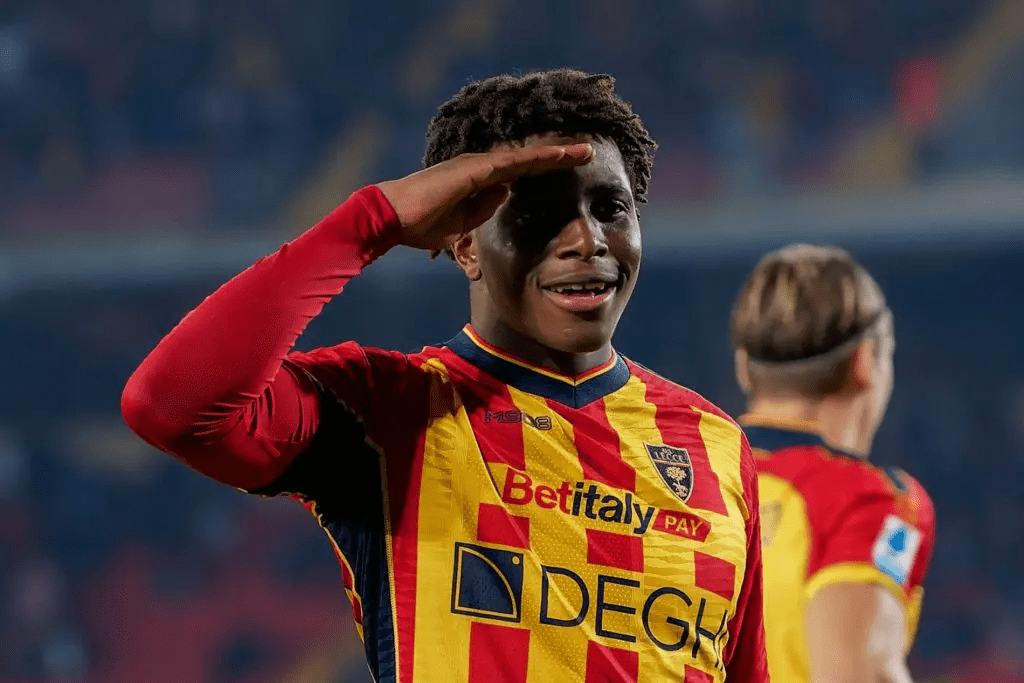
This transfer stands out not only because of Dorgu’s potential but also due to the pedigree of his former club, which is celebrated for its exceptional youth academy. FC Nordsjaelland has a reputation for nurturing talent, seamlessly guiding young players into their first team and providing them with opportunities to develop and shine on larger stages.
Pantaleo Corvino, the highly regarded director of football for Lecce, once again demonstrated his exceptional acumen for identifying and nurturing promising talent.
His keen insight into the game was on full display when he successfully secured the signing of Dorgu. Corvino’s previous achievement of selling Morten Hjulmand to Sporting CP for £15.7 million—just two years after acquiring him for a mere £148,000—attests to his remarkable ability to spot value where others might overlook it.

Fast forward and Dorgu has blossomed into one of Europe’s most exciting young wing-backs, showcasing not just skill but also an impressive work ethic on the pitch. His dynamic playing style and quick adaptability have captured the attention of prestigious clubs across the continent, all eager to add the rising star to their ranks.
It is becoming increasingly clear that Dorgu has the potential to eclipse his Danish international teammate Hjulmand, positioning himself as Lecce’s next major transfer sale and a valuable asset in the world of football.
According to Italian transfer expert Fabrizio Romano on X, Dorgu is being closely watched by clubs like Manchester United and Napoli. Given Manchester United’s urgent need for a dynamic and strong left wing-back in Ruben Amorim’s innovative 3-4-3 system, he appears to be a viable and suitable option as the club looks to reclaim its status at the top of English football.
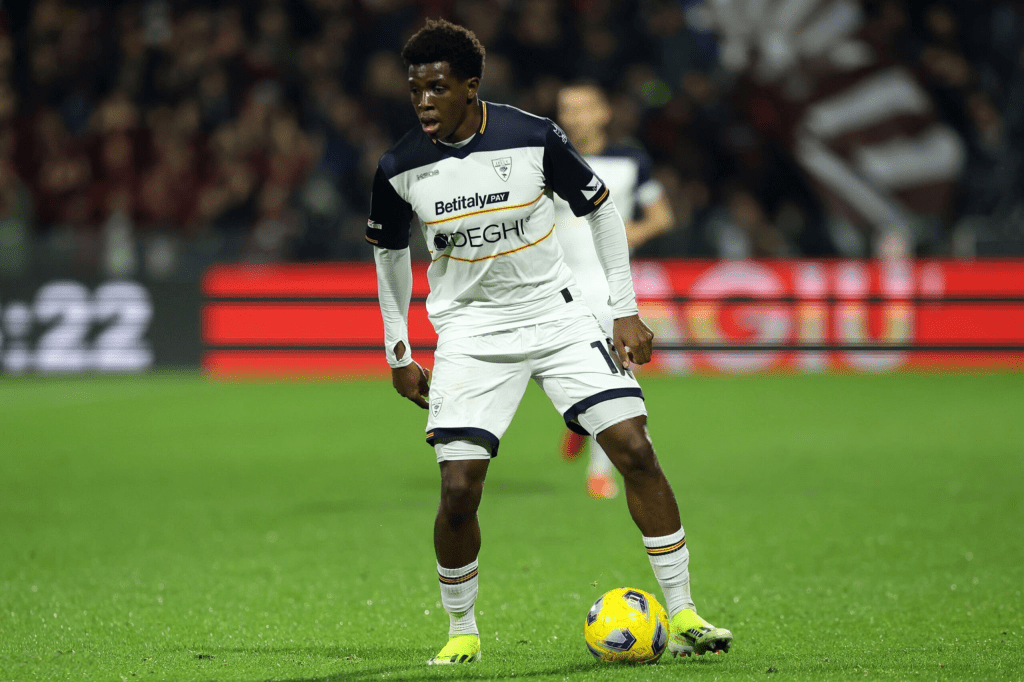
How has Dorgu navigated his way to this pivotal moment in his career? What specific talents set him apart from his peers? In what ways is he making a significant impact at Lecce, and how is he contributing to the team’s dynamics? Furthermore, where might this promising Dane be headed next when he eventually leaves the lesser-known Serie A club for more lucrative opportunities in Europe?
This comprehensive scout report will dive deep into these inquiries, shedding light on one of Europe’s most highly coveted young wing-backs and exploring the potential that lies ahead for him.
Who is Patrick Dorgu?
Dorgu was born in the vibrant city of Copenhagen, Denmark, to Nigerian parents who brought with them a rich cultural heritage.
He spent his formative years in his small neighbourhood known as Husum, characterized by its close-knit community and lively atmosphere.
It was in this bustling environment that Dorgu discovered his passion for football, joining the local club, Husum Boldklub, where his love for the sport began to flourish. The fields of his childhood became a formative backdrop, shaping his skills and dreams as a young athlete alongside his two brothers.
Later on, Dorgu was identified and recruited by Nordsjælland’s youth academy, where he honed his skills and developed as a young player. His talent did not go unnoticed, and in July 2022, he made a significant move to Italy, joining Lecce’s under-19s team.
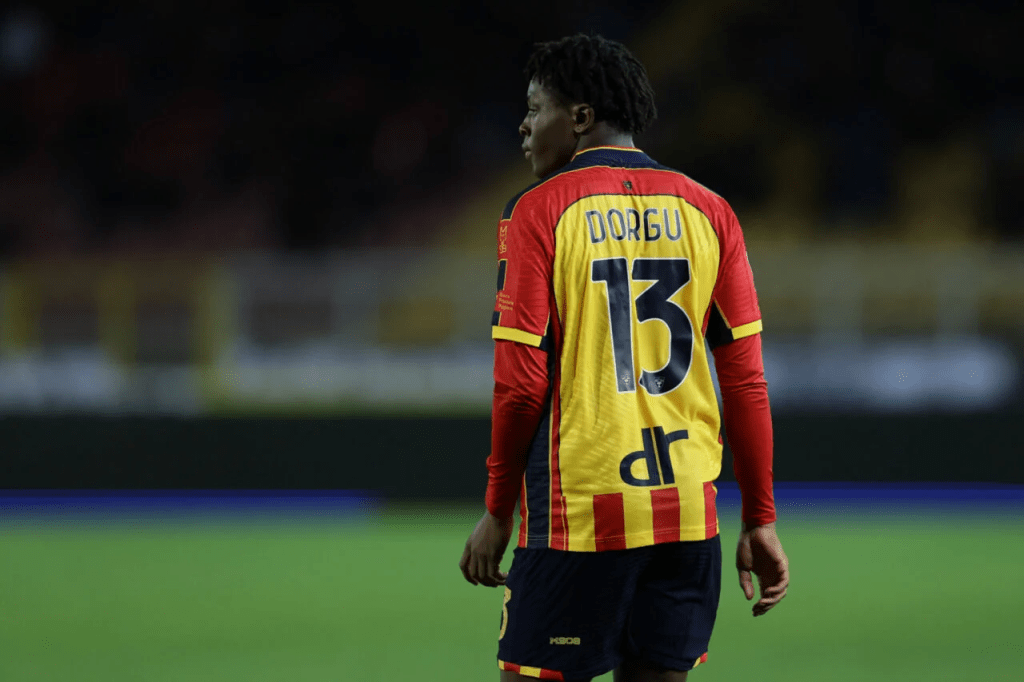
This transition marked an important step in his career, providing him with the opportunity to compete at a higher level in a new and challenging environment. The Dane impressed with the youth side before being rewarded with a contract extension until 2027.
He was promoted to the first team ahead of the season, making his debut on August 13, 2023, in a Coppa Italia match vs. Como, and he hasn’t looked back since then, making 25 appearances across all competitions and opening his account in February 2024 with a 92nd-minute winner against Fiorentina, ending 3-2.
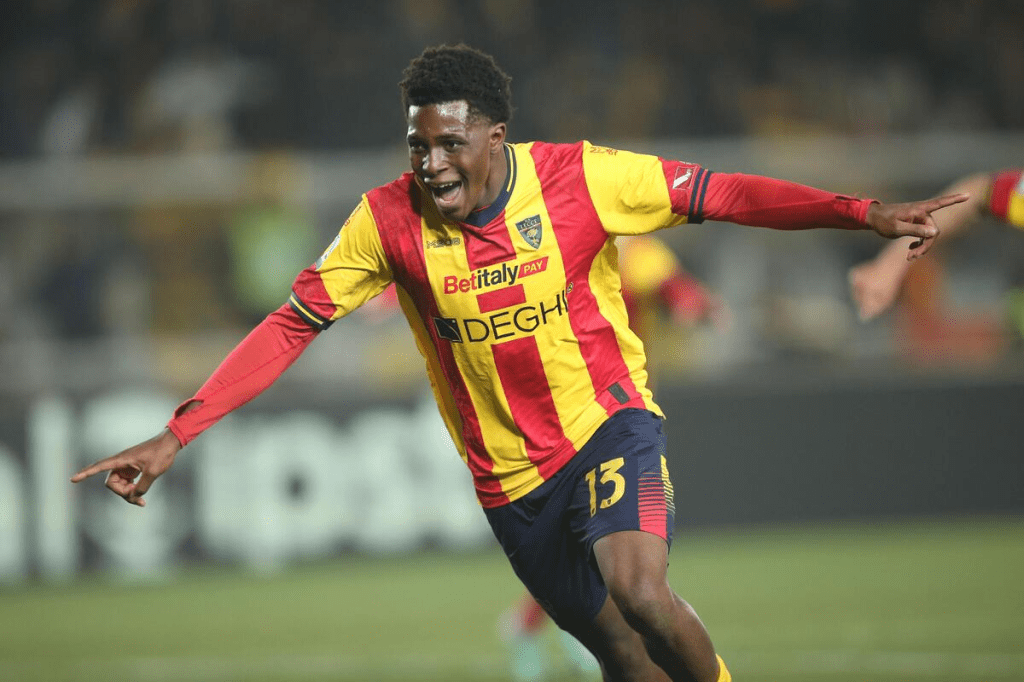
In the process of becoming a regular for Lecce, the 20-year-old had to battle for his spot with fellow left-back Antonino Gallo but became the undisputed starter when Gallo was forced off with an injury 15 minutes into Lecce’s season opener last season.
Dorgu featured in all but six of their 38 league games last season and has continued his tremendous trajectory starting 14 of their 15 Serie A games this season (2024/25).
He is also now a fully-fledged Denmark international featuring heavily alongside the likes of Christian Eriksen Rasmus Hojlund, and Hjulmand receiving his first call-up for their UEFA Nations League games against Switzerland and Serbia in September 2024.
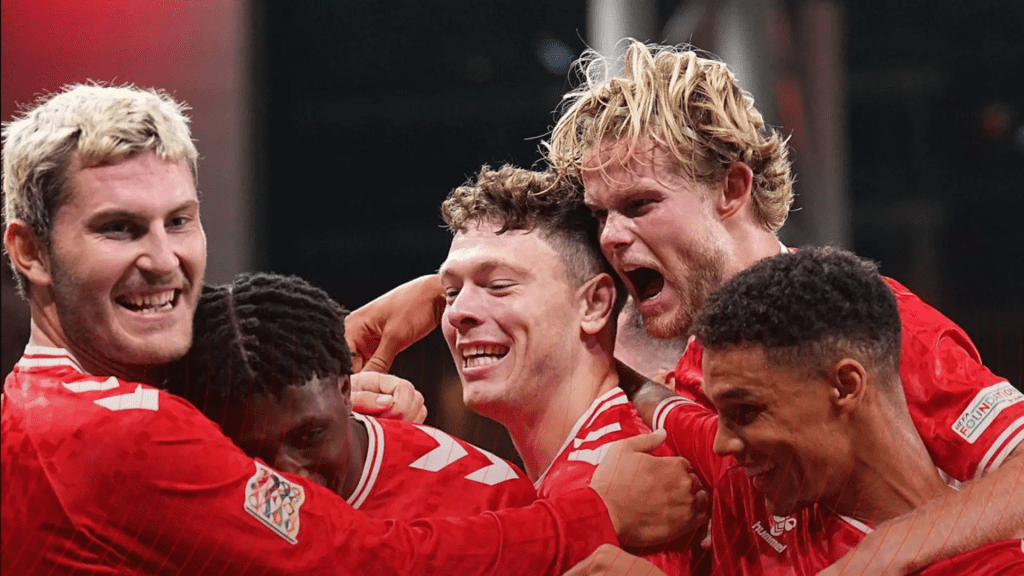
It was against the Swiss where he made his debut and bagged his first international goal, coming on as a late substitute for Victor Nelsson and opening the scoring with his first touch, in a 2-0 win.
Since then, the floodgates have opened for Dorgu, registering three more times for his club as Lecce try to navigate towards another memorable season in the Italian top-flight.
His performances have deservedly brought some keen eye on his performances with the likes of Manchester United, Tottenham Hotspur, Chelsea and Napoli all reportedly keen on his services.
But why?
How good is Dorgu? What’s his style of play?
The role of full-backs and wing-backs is undergoing a significant transformation in the ever-evolving landscape of modern football. At numerous elite clubs, these players are increasingly taking on the responsibilities of situational midfielders during the build-up phase of play.
This strategic adaptation enhances the team’s structure and provides a crucial numerical advantage when confronting an opponent’s high press.
By strategically harnessing the agile movement, technical finesse, and astute positional play of certain full-back profiles, teams can manipulate their opponents. This allows them to adeptly evade pressure from the opposing players and carve out pathways into the final third of the pitch, where valuable scoring opportunities are created.
Nevertheless, this does not imply that the role of a traditional full-back or wing-back—who often operates as situational wingers, tirelessly racing up and down the flanks—is dead.
In fact, numerous clubs, regardless of their elite status, continue to effectively employ this classic approach. This is exemplified by the remarkable physical and technical advancements seen in players like Dorgu, who showcases the enduring impact and significance of the traditional wing-back role in modern football.
Lecce typically adopts a 3-4-1-2 formation, which is designed to enhance both their defensive solidity and attacking prowess, but have also lined up in a 4-3-3.
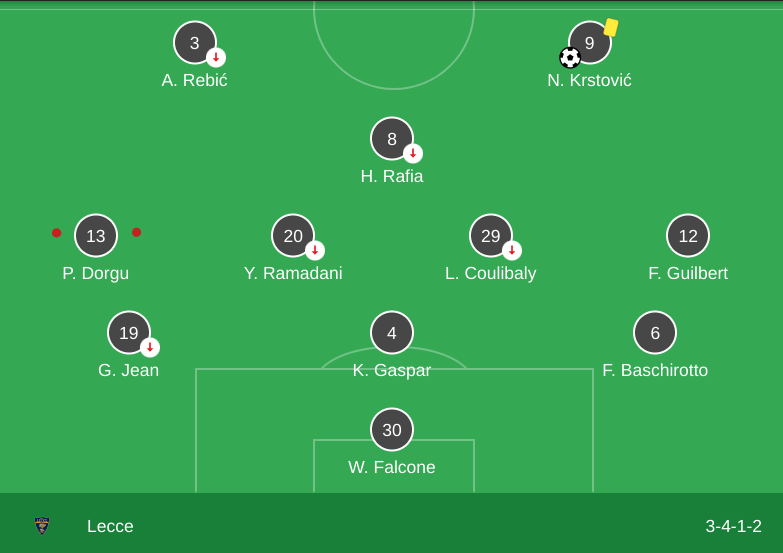
In this setup, Dorgu takes on the crucial role of left-wing-back. His responsibilities include not only defending against opposing wingers but also pushing forward to support the attack.
With the freedom to roam up and down the left flank, Dorgu adds significant width to the team’s play. The Dane possesses the perfect blend of attributes for the role.
Standing tall at 6’1″, Dorgu presents an awe-inspiring figure on the football field, characterized by a robust and athletic build that speaks to his rigorous training and development but also his dedication and maturity.
His impressive physique is complemented by exceptional speed and quick acceleration, allowing him to burst into action and reach his peak speed almost instantly.
This unique combination of attributes not only enhances his ability to burst past his opponents but also enables him to maintain high velocity over extended distances especially when Lecce are in transition.
The Serie A minnows aren’t the most fluid or cohesive attacking unit in the league. In fact, at the time of writing, they are the lowest scorers in Serie A after 16 games with ten goals. They are currently underperforming their xG of 17 by seven goals. Had they hit that mark, they would be sitting near mid-table when it comes to goals scored (FBRef).
Lecce are generating quality chances with an average of 11.87 shots per game but not scoring the goals the quality of their chances warrants. With the club sitting in the drop zone in 18th at the time of writing, they will seriously need to improve their goalscoring if they are to survive another season in the Italian top flight.
Much of their hopes indeed rest upon a 20-year-old left wing-back and that isn’t a negative reflection on Lecce’s quality in the squad but an appreciation of the calibre of talent and gifts the Italian minnows possess in the highly-coveted Dane.
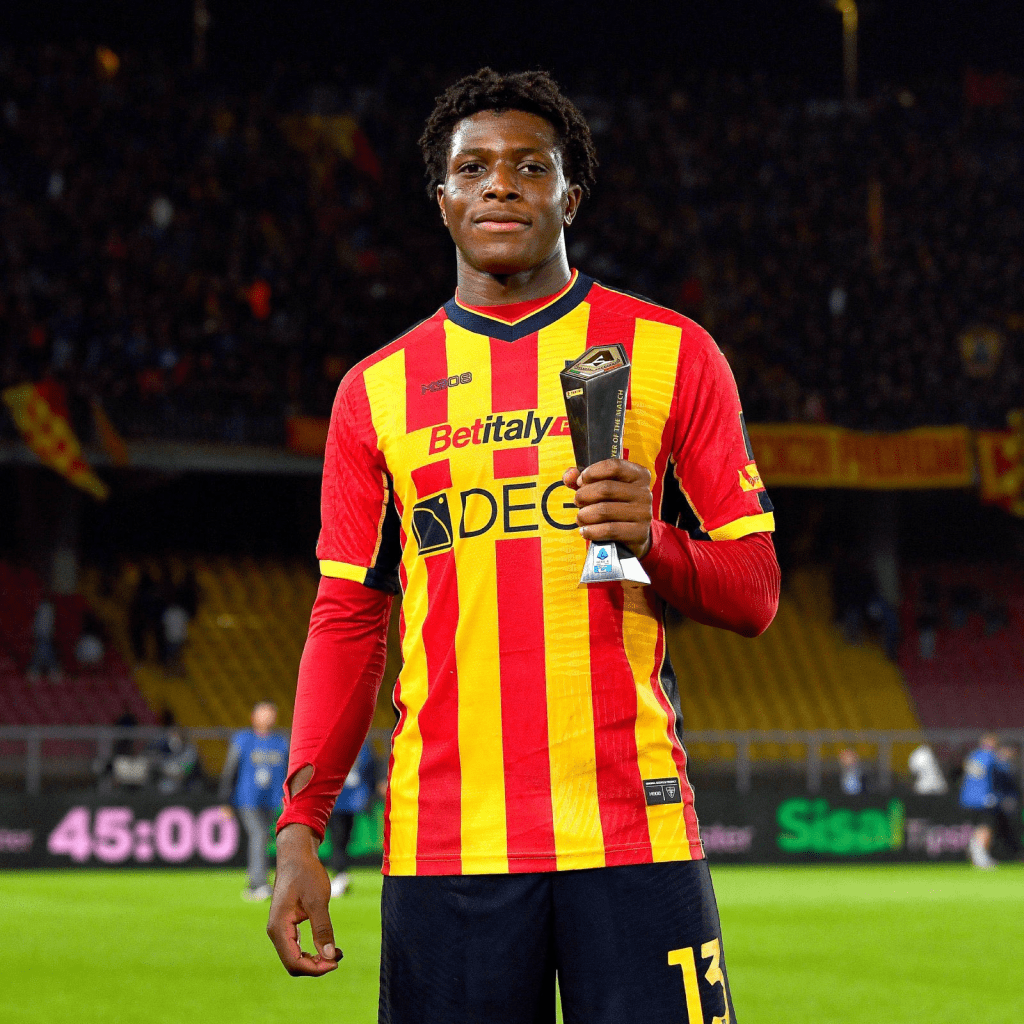
Dorgu has established himself as a crucial component for Lecce, providing much-needed width, attacking thrust, tenacity, aggression and exceptional technical quality.
His overall skill set and high-quality performances have not gone unnoticed, which explains the interest from prominent clubs like Tottenham and Chelsea, who sought to secure his talents last season.
The Dane is a strong ball carrier who is excellent when moving from deep, either off the ball or in possession, in order to attack space in wide areas.
He is currently in the 83rd percentile for full-backs in Europe’s top-five leagues for carries into the final third per 90, 75th percentile for progressive carries and 92nd percentile for carries into the penalty area.
His defensive output is also strong across the board, as he is in the 84th percentile for defensive duels per 90 and the 80th percentile for the % of defensive duels won.
He is also in the 95th percentile for aerial duels, and the 74th percentile for the % of aerial duels won.
These numbers all point to a player not only performing at the top of his game for a club not even considered one of the best of outfits in and around the bottom half of Serie A but also a player who can well be considered amongst the best of his position in Europe’s top five leagues – even still considering his environment.
Running Power
One of Dorgu’s biggest strengths is his ability to make long forward runs from the LB or LWB position to support the attack in higher positions.
It is why he’d be tailor-made for any elite club utilising wing-backs situationally used as wingers.
First and foremost, the Dane is an intelligent player who always understands where to position himself in the final third to give his side the best chance of generating opportunities – whether out wide stretching the pitch or in the half-space for an underlap.
If a player in the attack is holding the width, he will make inverted runs through the half-spaces towards the final third.
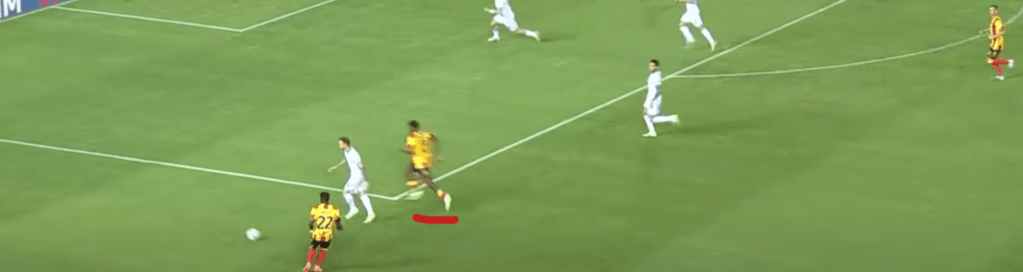
If the player ahead of him comes inside, Dorgu will naturally come outside to provide width on the wing.
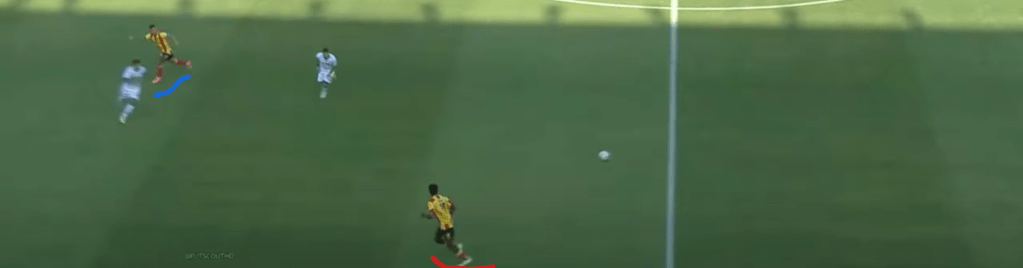
As pointed out previously, Dorgu is an exceptional technical outlet possessing tremendous ball control, flexibility, body orientation in tight spaces, body deception, small-space operation, and most of all the ability to progress play through penetrative passing and ball-carrying that breaks opposition lines.
When Lecce are in possession down his side, Dorgu is always looking to progress the play for his side. Even when the Dane is deep in his own half, any whiff of space to run into and drag his team out of danger and into opposition territory, he will exploit it.
As mentioned earlier, Dorgu possesses an impressive athletic physique, characterized by his muscular build and substantial size. His powerful, flexible legs allow him to cover vast distances with remarkable speed.
When he takes to the field and hits his stride, whether skillfully manoeuvring the ball through tight defences or sprinting into open space to create scoring opportunities, he becomes a magnetic presence that draws the audience’s attention which brings us over to his dribbling/ball-carrying ability.
Dribbling
Patrick Dorgu is exceptional at ball-carrying. It is of game-breaking quality. He displays brilliant ball manipulation & close control to maintain top speed whilst driving with the ball.
His agility, balance, and excellent technical skills allow him to glide past players with ease, disrupting tactical setups, creating space, and forcing fouls from the opposition – Dorgu is best in class at winning fouls, receiving 2.79 fouls per 90.
This showcases his impressive offensive capabilities, as he can consistently beat his opponent in various situations, whether by going inside or outside. He often draws defenders into challenges by taking a heavier touch or using subtle body feints before quickly changing direction.

This skill makes him particularly effective when playing on either the right or left wing. He is unafraid to take on his marker or drive the ball forward under pressure. In today’s game, players who can break away from tactical constraints, such as a possession-based style, and express themselves through dribbling have become increasingly valuable to elite teams.
When players have the freedom to manoeuvre outside of strict tactical roles, they create numerous opportunities for their team to exploit.
As shown below, Dorgu is exceptional at taking on such responsibilities.
His physique, excellent close control, small-space quality and acceleration mean he is perfectly capable of bouncing off challenges from opponents, absorbing contact…
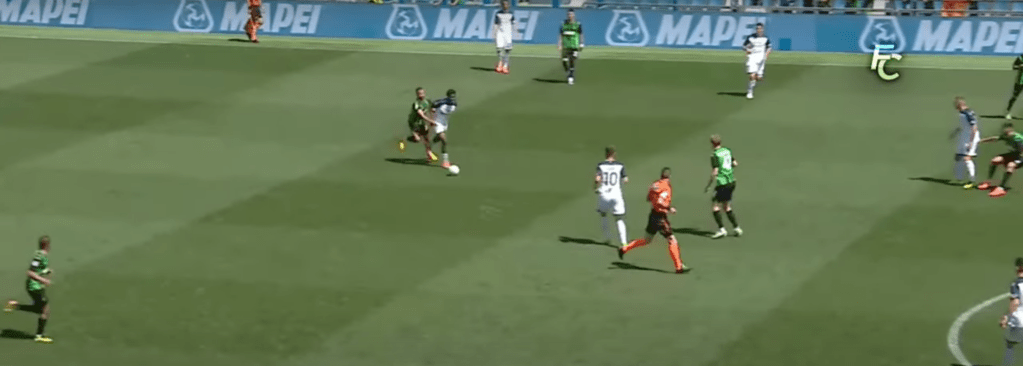
…and also sizing up to players with the ball and possessing the body deception and manipulation coupled with his speed and skill to beat them and drive Lecce up the pitch.
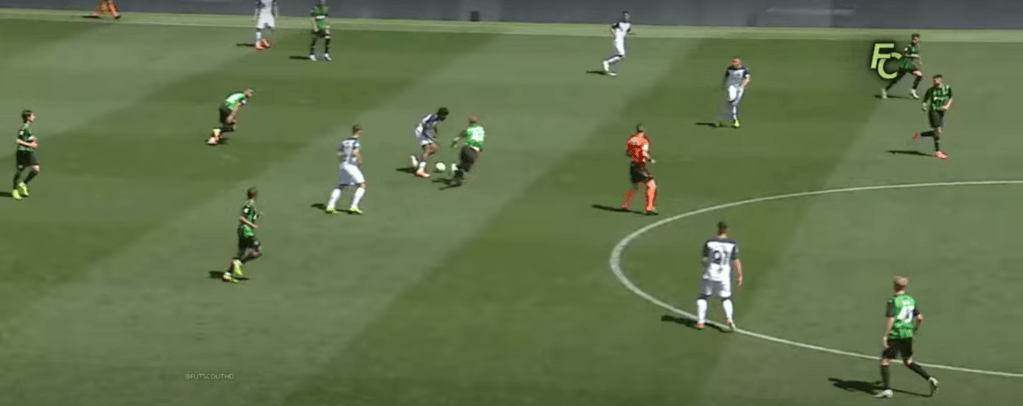

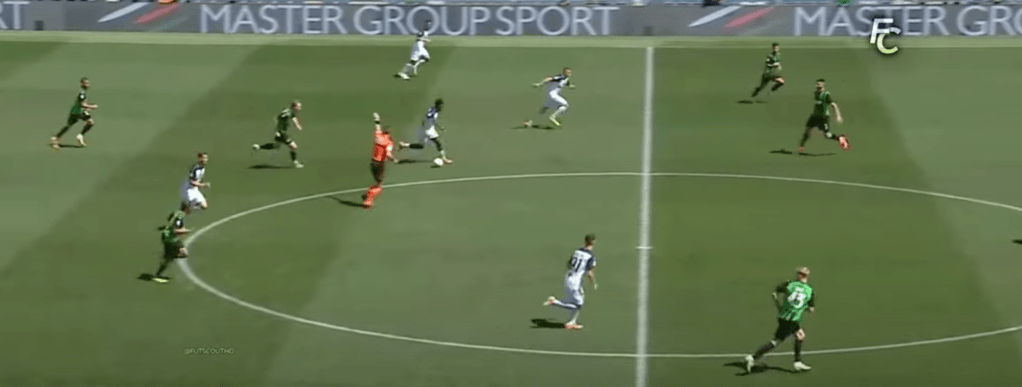
As pointed out previously, he is currently in the 83rd percentile for full-backs in Europe’s top-five leagues for carries into the final third per 90, 75th percentile for progressive carries and 92nd percentile for carries into the penalty area.
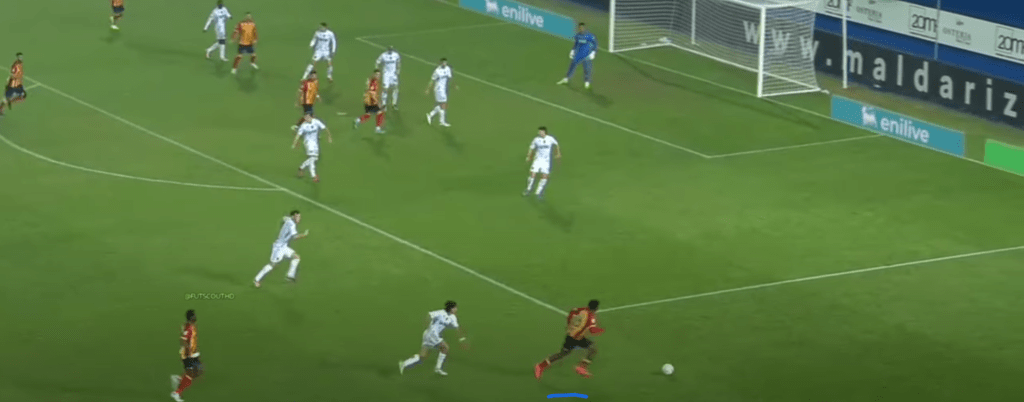
When lining up as a winger, usually on the right, Dorgu displays no angle bias, possessing the presence of mind, flexibility and technique to dribble either inside or to the byline and get crosses in.
As shown in the instance below, Dorgu sizes up to his marker with the confidence and the aura to get past him and create an opportunity.
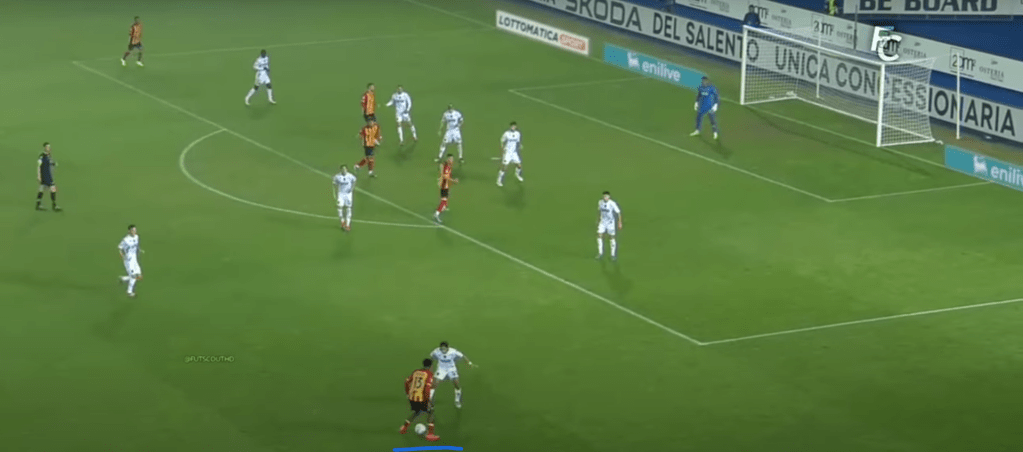
What the Dane does so well, as he regularly achieves, is he deceives his opponent with his excellent body positioning, opening up the angle to cut inside but quickly jinking the opposite way to get to the byline…

Arguably one of Dorgu’s most impressive traits is his tight-space operation and his ability to manoeuvre
himself out of pressure or uncomfortable situations anywhere on the pitch.
His decision-making when evading it or even operating within such difficult conditions, is equally impressive.
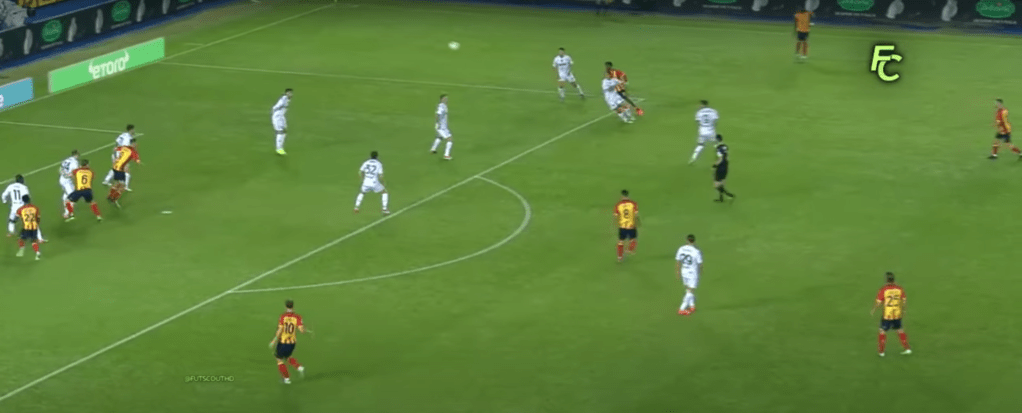
Another instance below, he picks up the ball on the edge of the penalty area faced with oncoming pressure from defenders to keep him away from their goal…
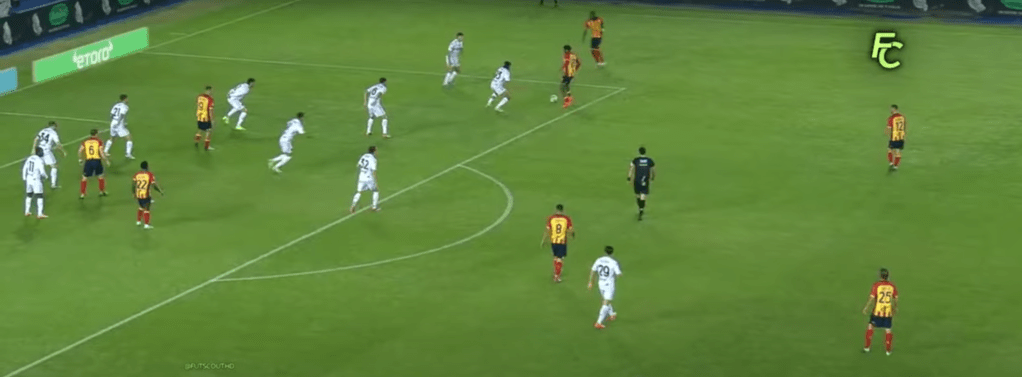
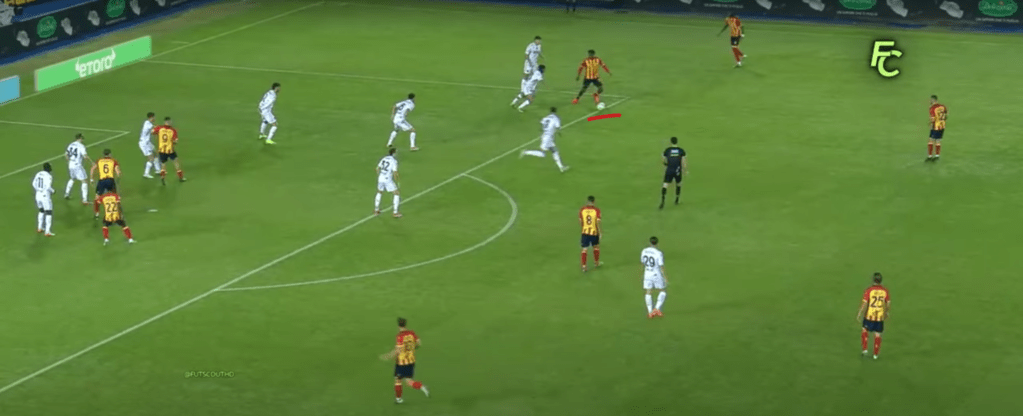
Despite the defenders surrounding him, the 20-year-old still possesses the presence of mind to swiftly lift his head up and locate options outside the six-yard box to pick out with a cross.
Dorgu isn’t your typical speedy and explosive wing-back threat, no, but a near-jack-of-all-trades footballer with a great mentality and maturity in his game.
However, he still holds a penchant for unnecessary lapses when he goes on those mazy runs. At times, he holds on to the ball too long which leaves him open and susceptible to get dispossessed in crucial areas or miss an opportunity for Lecce to create clear-cut attacking openings.
Against AS Roma on December 7, Dorgu found himself dribbling into a congested area of the pitch, where opponents were closing in around him. Despite the pressure, he held onto the ball for too long, which ultimately led to his dispossession. Roma swiftly seized the opportunity, launching a brilliantly orchestrated counterattack that exploited the gap left by Dorgu’s mistake.
At 20 years old, his inexperience and lapses in judgement are expected of him and it will certainly only be ironed out with more experience, development and coaching. Such instances will certainly deter elite sides from firming up their interest in the near future.
Progressive Passing
While Dorgu is a left-back/left wing-back who does most of his best work off the ball when making long runs to access and attack space or when driving forward in possession of the ball, he is still a good passer who can break lines in possession but with much to improve.
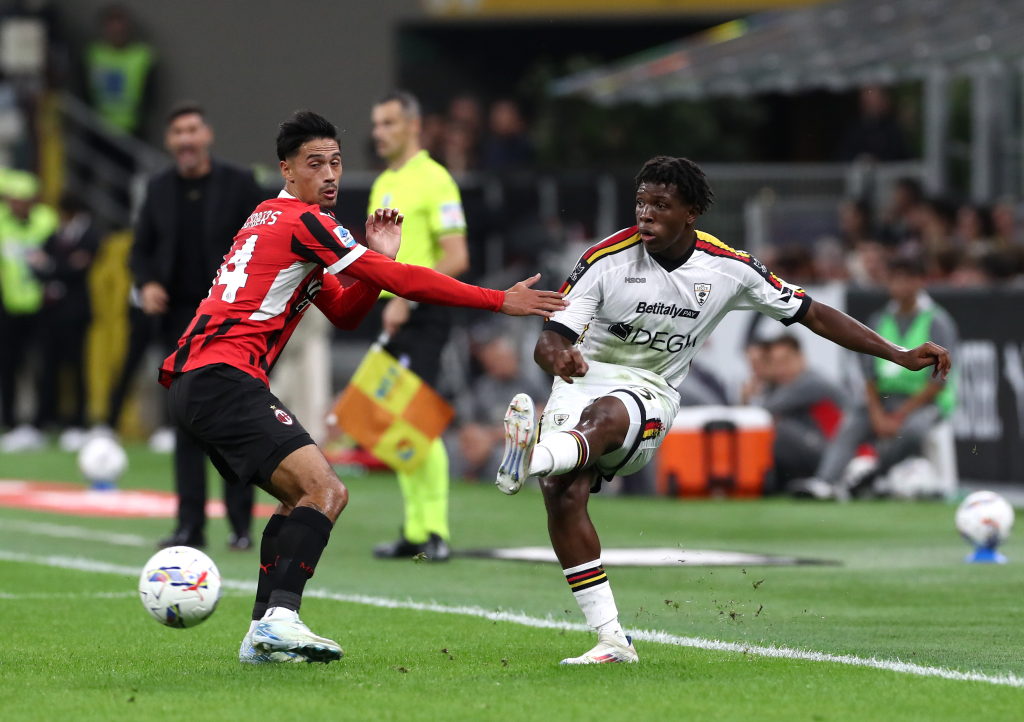
This is a side of his game that we have seen him improve massively since he moved to Serie A, having previously been a full-back who was more transactional in nature.
At Lecce, when he is in possession in deeper areas he shows real intent and range to his passing when given the opportunity.
Still, he ranks in the 22nd percentile for progressive passes which is down to Lecce’s lack in possession of the ball and his knack of sometimes over-hitting or under-hitting his passes. Should he make the move to an elite club in the near future, Dorgu could well see those numbers increase.
However, the work and development start now. Given Dorgu’s tremendous technical acumen and proficiency and the responsibility he’s already showcasing at Lecce, those weaknesses will be improved in no time.
His simple and short passing is generally solid. He commonly uses it for interplay with teammates – an attribute that he is very adequate in. The Dane tends to lay the ball off before making an underlapping run, pulling defenders away to create space for the receiver whilst providing an advancing passing option in the half spaces or out wide.
As stated previously in this piece, Dorgu is so comfortable receiving under pressure, especially in deep build-up. He possesses a tremendous zone of influence, perfectly capable of dominating any zone on the pitch given his physical attributes and technical acumen.
His heat map across the Serie A campaign so far certainly highlights this:
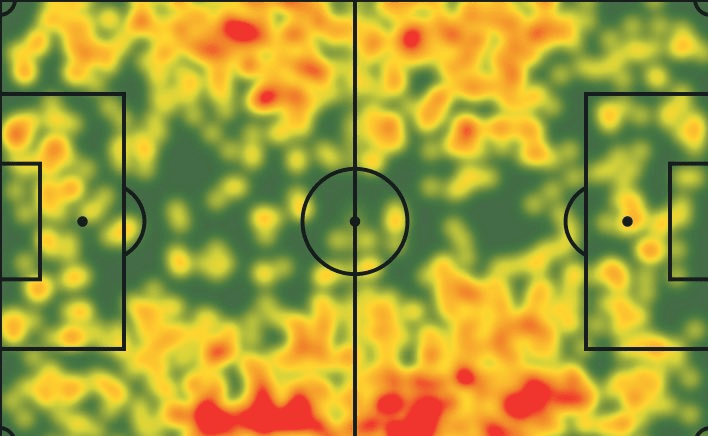
However, as an attacking wing-back/full-back who is tasked with providing width, cutting edge and invention from the flanks, that’s where his output is most judged.
Crossing
Before US Lecce’s 0-0 draw with Genoa on 5 January, Dorgu’s crossing had been quite inconsistent completing none of his eight attempts in that period.
However, when lining up on the right flank as he did against Genoa, he’s found a penchant for creating chances from dangerous crosses when provided the opportunity to cut in from the right onto his stronger left foot and whip in telling deliveries as shown in the above image.
Another instance is shown here…
He stands up to his opponent with the ball before looking up at his teammate advancing into the area..
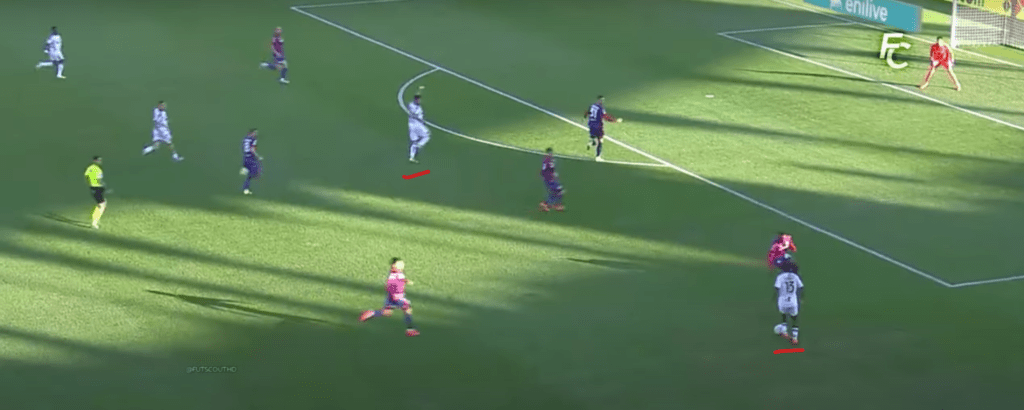
before delivering a near-perfect cross which almost leads to a goal…

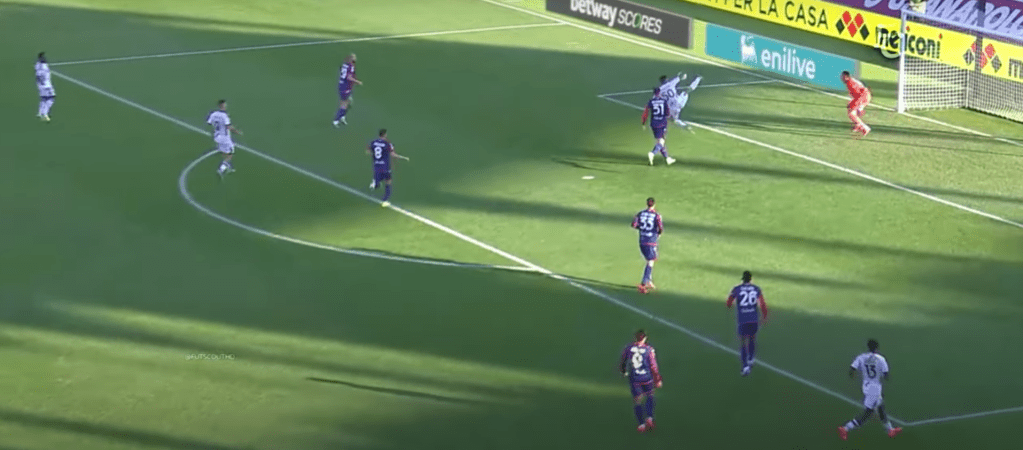
Such improvements indicate that he prefers to provide such invention from the right wing. He often attempts this from the left-hand side with his right foot but it doesn’t amount to the same success.
Against Genoa, he succeeded with 75 per cent of his four crosses and completed 66 per cent of his dribbles once again highlighting why he’s now becoming a useful component when lining up as a winger on the right flank.
As we already know, the Dane loves to size up to his marker and look for inswinging crosses from his stronger foot.
All this suggests that Dorgu’s long-term future lies as a right-winger but that’s certainly not the case.
He has shown his capabilities when providing crosses as a left-back/LWB.
In the image below, the Dane picks up the ball wide on the left and has time and space to pick out his teammate.
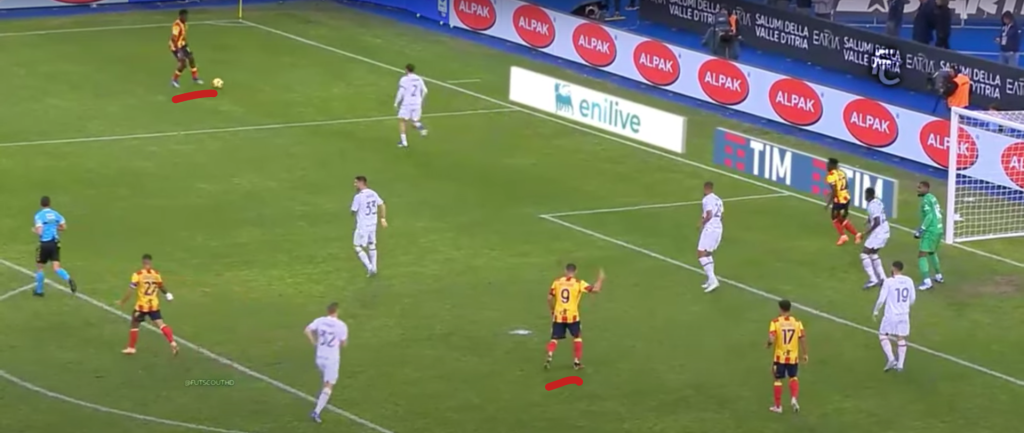
Dorgu delivers a peach of a cross which his attacking teammate fails to convert misjudging the flight of the ball and heads over the bar.
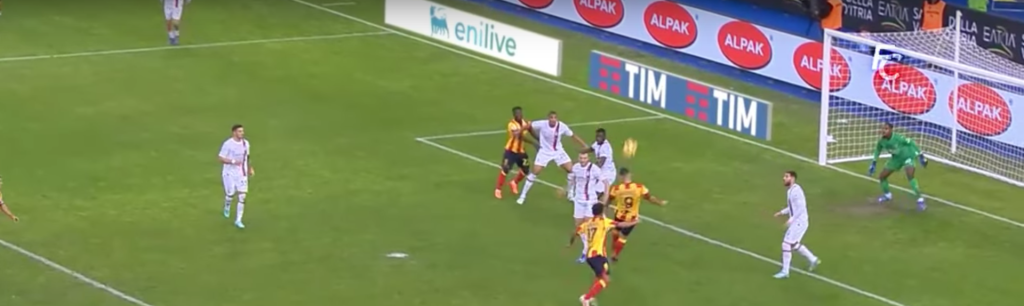
In another instance, Dorgu excellently provides an underlapping option for his team on the left flank, reading the space ahead of him, exploits it…
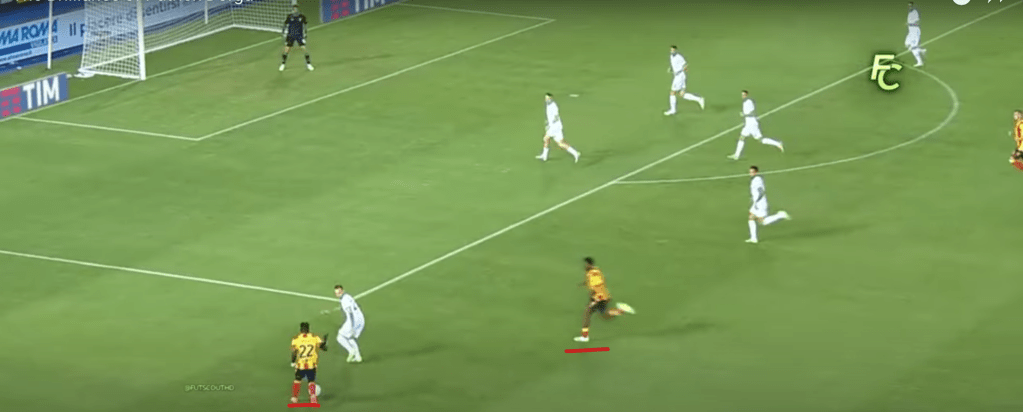
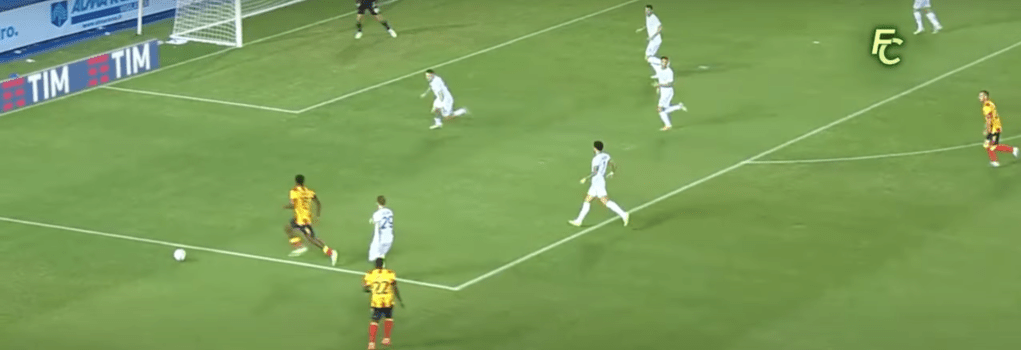
…before delivering another telling across to his teammate on the far right of the above picture who hits his shot over the bar…

Every touch is with his left foot. Dorgu does not possess the ambipedality to cause real and sustained chaos in the right half-space.
His angle-bias and ball-striking help to slightly aid the issue, and at times means he may be called upon to fulfil roles there, but he is not as potent in the role.
Dorgu is an out-an-out left-back or left wing-back. That’s where his immediate and long-term future lies and much of that is also down to his defensive prowess.
Defensive Nous
Dorgu is an awfully quick and physically strong full-back who can defend either tucked inside to support his central defender or when pulled further out and forced to defend 1v1 against quick attacking players.
He is proactive in his defensive approach, looking to regain possession of the ball quickly before the opposition attack can really develop.
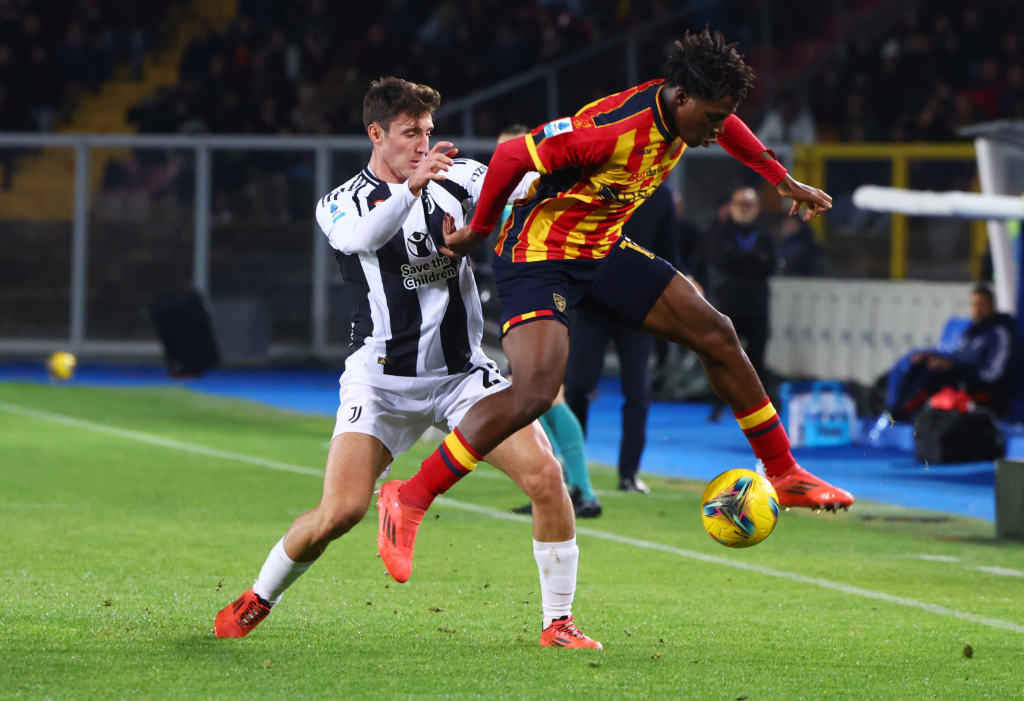
Dorgu’s most notable calling card when it comes to defending is jumping in front of his attacker/opponent before they receive the ball, his anticipation, speed of thought and aggression in that respect is excellent.
He’s a defender who wants to be on the front foot and is desperate for a feel of the ball to get his team on the attack.
Generally, the Dane is good at this but at times he gets on the wrong side of the opponent. This leads to him giving away unnecessary fouls in the middle of the park.
To improve this Dorgu could be more cautious and street-smart when approaching an attacker. However, it’s an element which will be improved upon with time and coaching.
Dorgu’s physical composition is the imperative element that derives every action of his game.
Standing at an imperious 6’1”, this long-limbed, ground-eater is incredibly capable of engaging physically in duels with some of Europe’s best attacks whilst providing options consistently with his relentless engine.
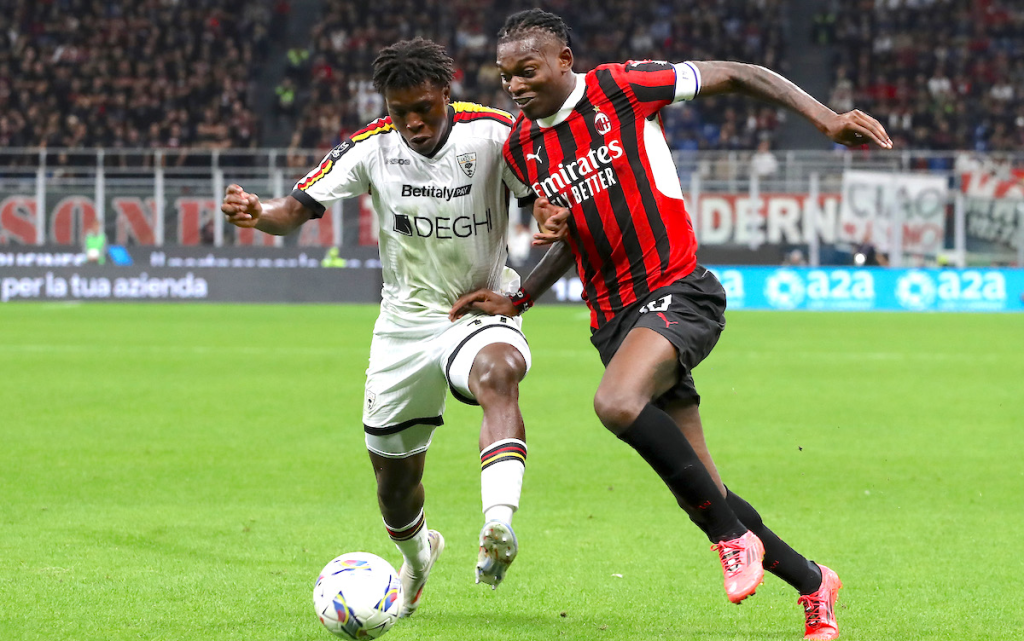
The Dane’s 1v1 defending is relatively good and that’s down to his love for it. He’s excellent at using his long and flexible limbs in not only standing up to his opponent and matching them for pace but also reaching across to dispossess them.
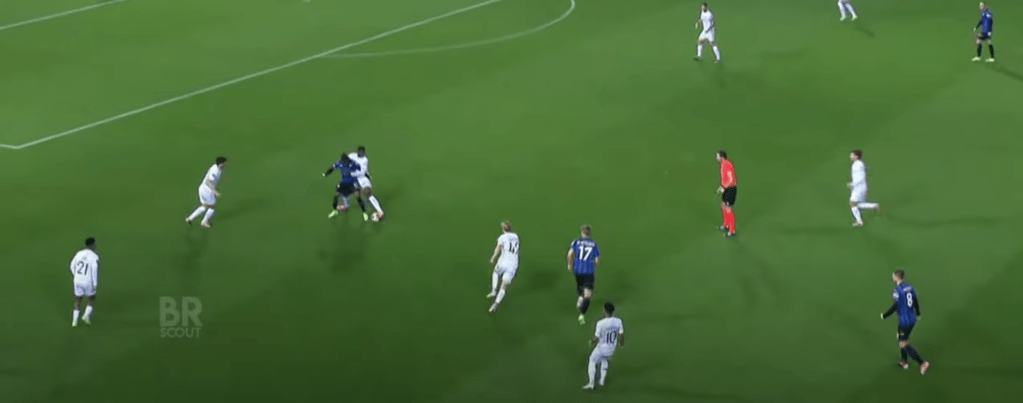
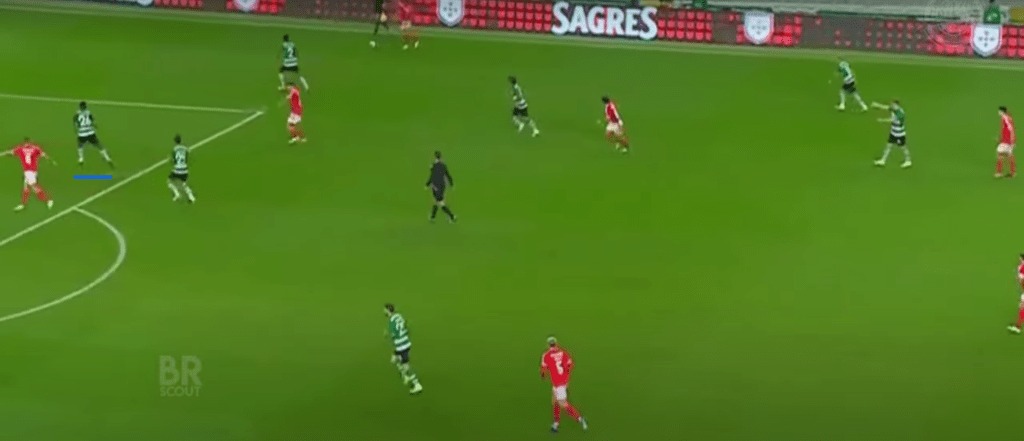
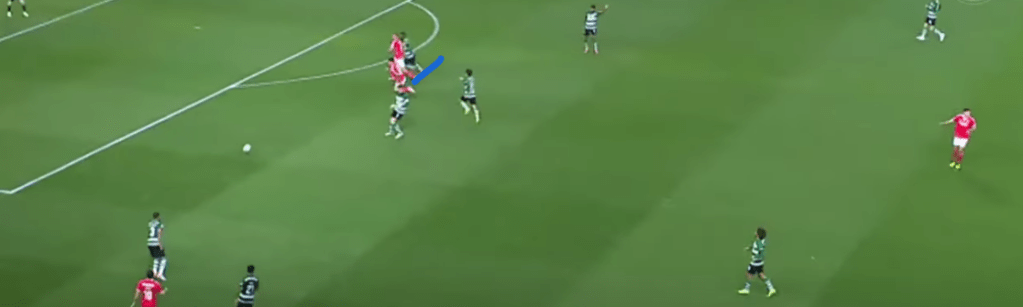
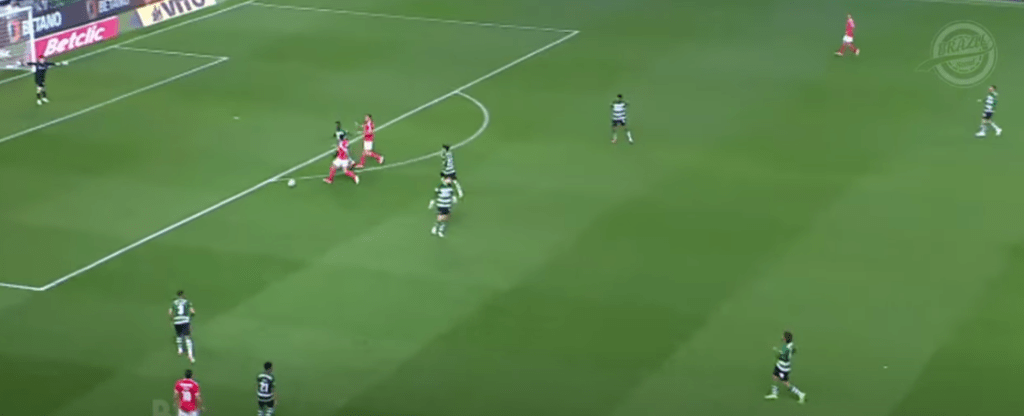
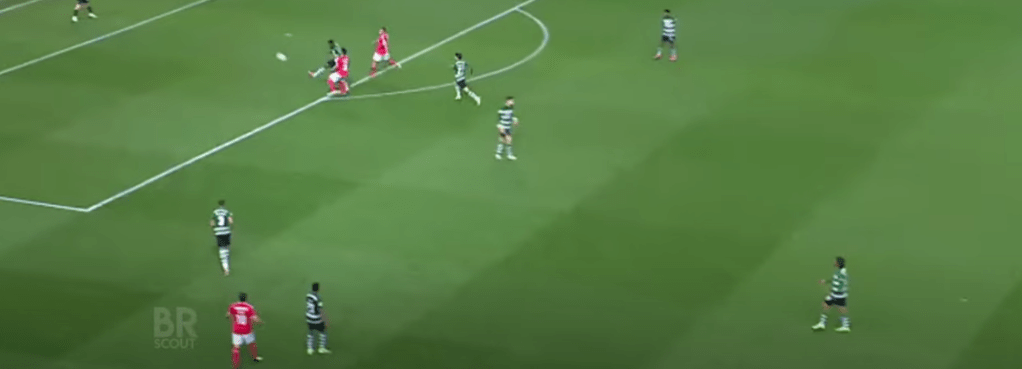
In the image below, he engages with AC Milan’s Davide Calabria who looks like he’s got the jump on him in getting a cross into the box…
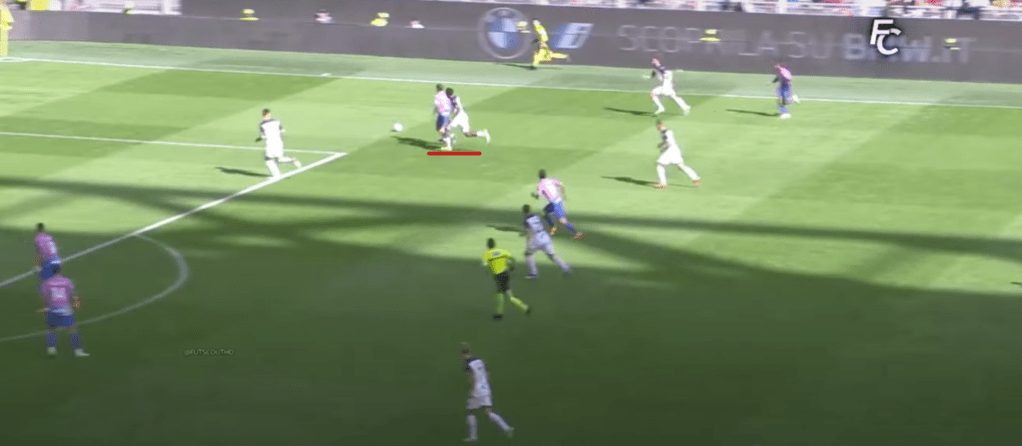
…before the Dane brilliantly recovers, matches up to the Italian full-back, goes shoulder to shoulder and easily knocks him off-balance, winning the ball back for his team.
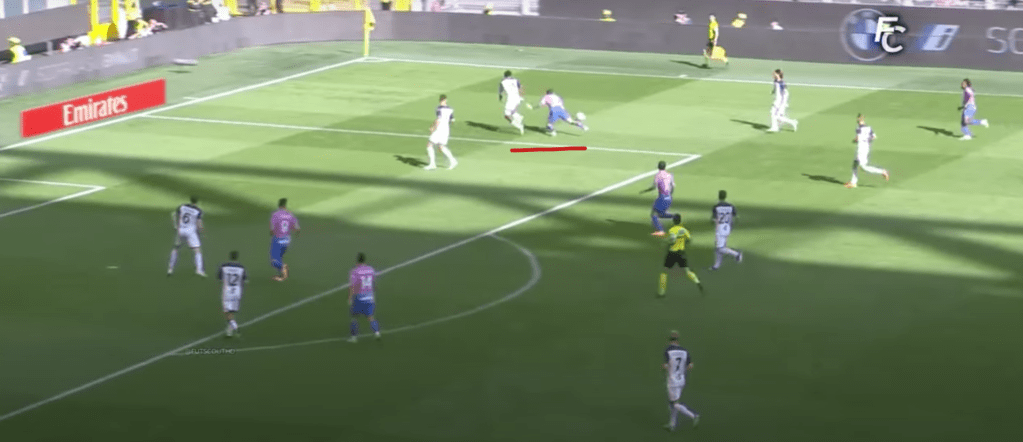
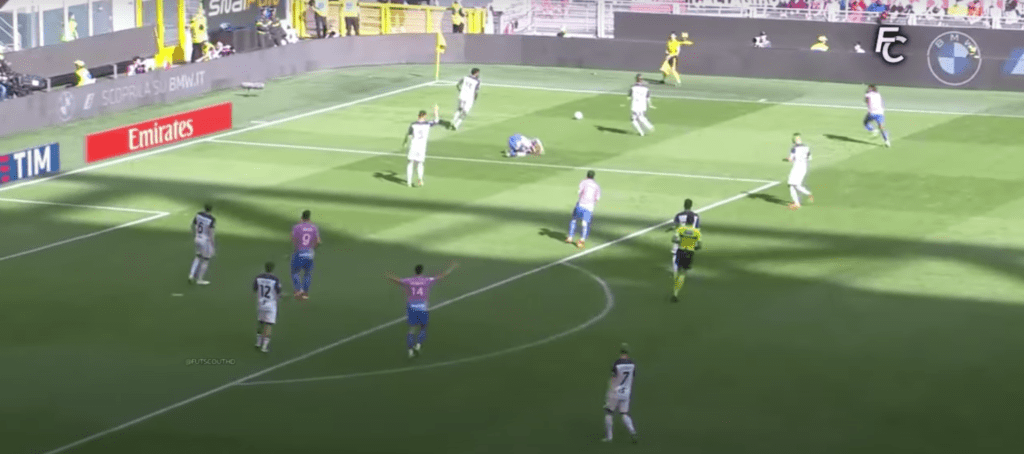
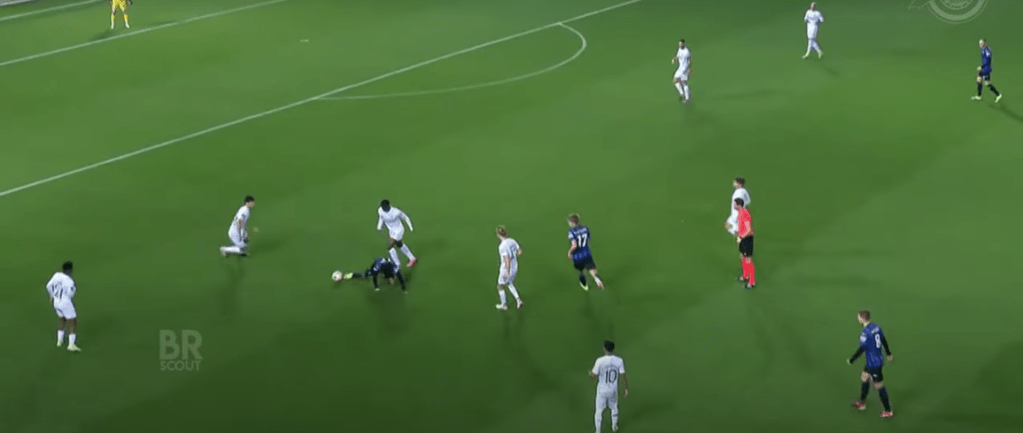
In the same game, Dorgu’s duel-prowess comes up trumps again, matching his opponent for speed and power in the middle of the park…


…before again utilizing his determination, deceptive strength and work ethic to win back possession, much to the agreement of the referee who knocks back the opponent’s protests for a foul.
If the attacker takes a large touch to drive past him, Dorgu has the pace, power and acceleration to recover. This is shown statistically with the most recoveries in Serie A for his position.
As per FBRef, he ranks in the top nine per cent for tackles, the top 14 per cent for tackles won and the top three per cent for dribblers tackled.
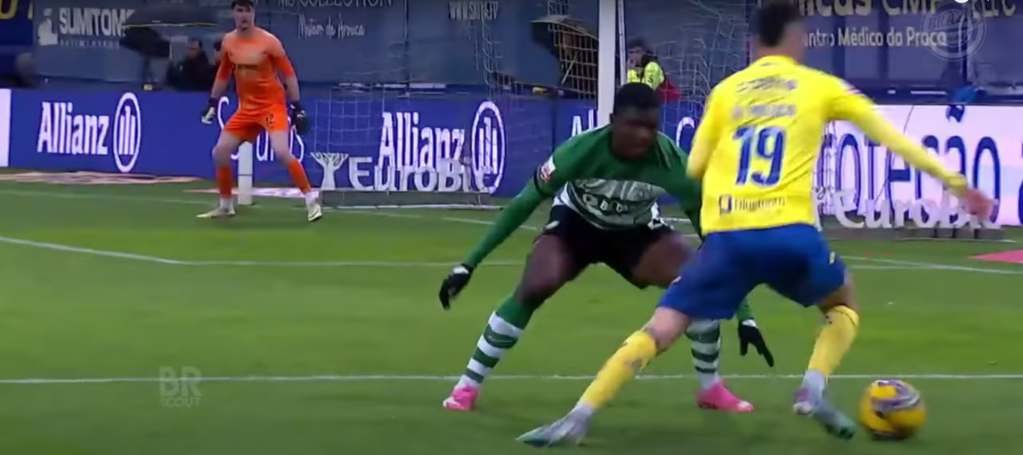
This instance is arguably the most impressive. Dorgu comes up against a creative and imaginative opponent who looks to bypass him and create an opening for his team. But, look at the Dane’s stance.

It’s perfect for anticipating what his opponent will do next. Whether he goes left or right, Dorgu has positioned himself adeptly to read the situation and deal with it.
The attacker attempts to bypass him by feining his body positioning right but then going left…
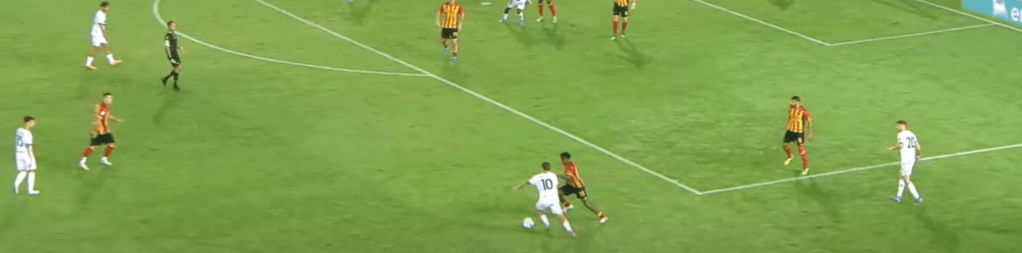
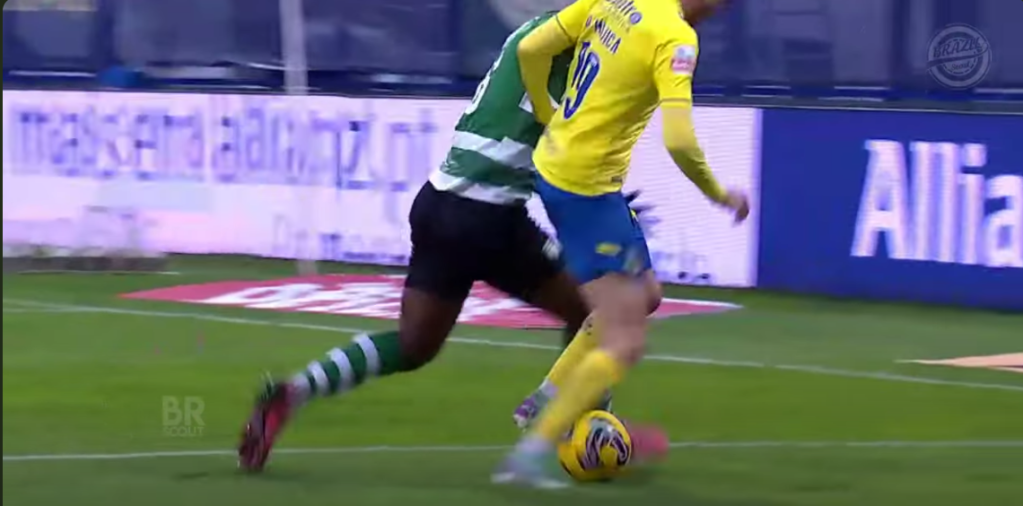
…however, Dorgu’s stance, body and foot positioning means he’s always got the upper hand in the situation.
The Dane uses his spring well, quickly jumping from a steady stance to an uncomfortable one (leaning onto his weaker right side) but having the strength and power to bully his opponent into submission…
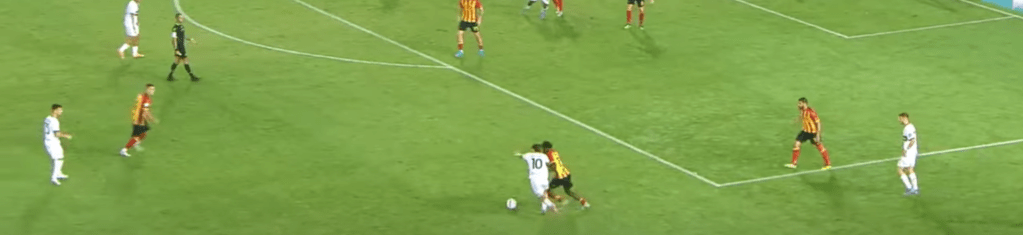
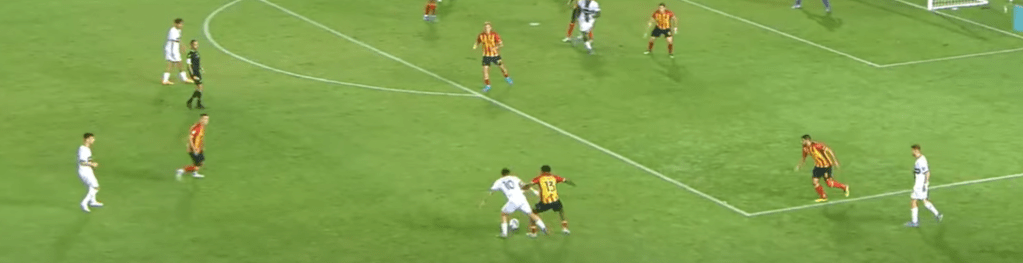
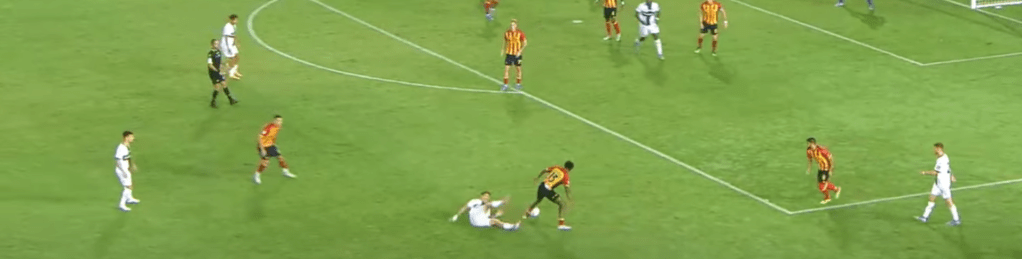
Some may argue that this situation should be a foul for Dorgu’s opponent but as they engage in the duel, the attacker is never once in control of the situation.
The Dane legally uses his strength and power to stand up to his opponent, read the situation and engage appropriately. As stated previously, Dorgu isn’t the tallest or most overarching player.
His size, strength and presence are quite deceptive and he uses that to his advantage when engaging in 1v1 duels and standing up to opposition wingers/attackers.
He’s also a great reader of situations, ranking in the top 12 per cent of players of his position in Europe’s top five leagues for interceptions per90 and top ten per cent for tackles + interceptions per90.
Aerials
Dorgu’s aerial ability is excellent, especially with his large but deceptive stature.
He possesses a tremendous spring when jumping matched with his excellent determination and willingness to compete in duels.
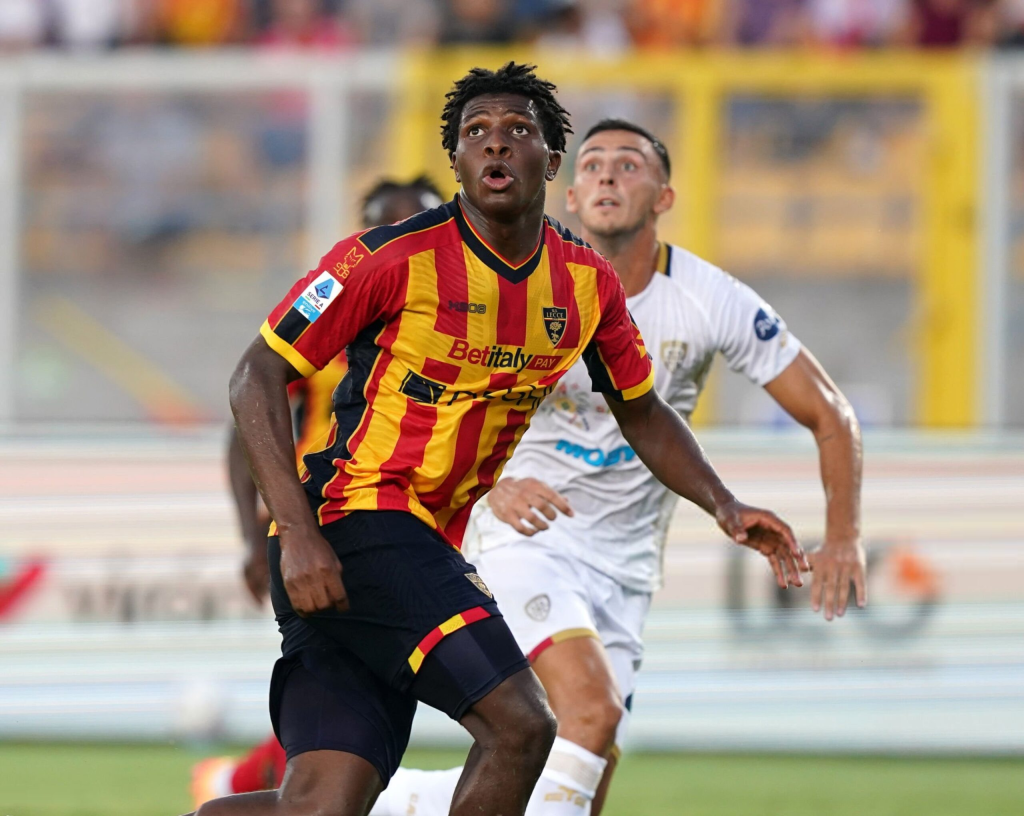
He is in the 96th percentile of aerial duels vs full-backs in the last 365 days as per FBREF showcasing his great leap on him and the usage of his upper body strength to cover space and knock the opponent off balance.
There has been a recurring issue with him misjudging the flight of the ball or becoming disengaged at times over the past year. This can largely be attributed to his lack of top-level experience and his immaturity given his age.
However, despite these shortcomings, Dorgu demonstrates remarkable completeness and well-roundedness in his game for someone so young, making him one of the most sought-after prospects in his position.
Forecast for Dorgu’s Future
Dorgu is ready for the next step in Europe.
He will be part of a core foundation of title-winning sides wherever he goes, that is how good Dorgu is.
Recently, clubs like Manchester United, Napoli, Tottenham Hotspur, and Liverpool have shown interest in his services and for a good reason.
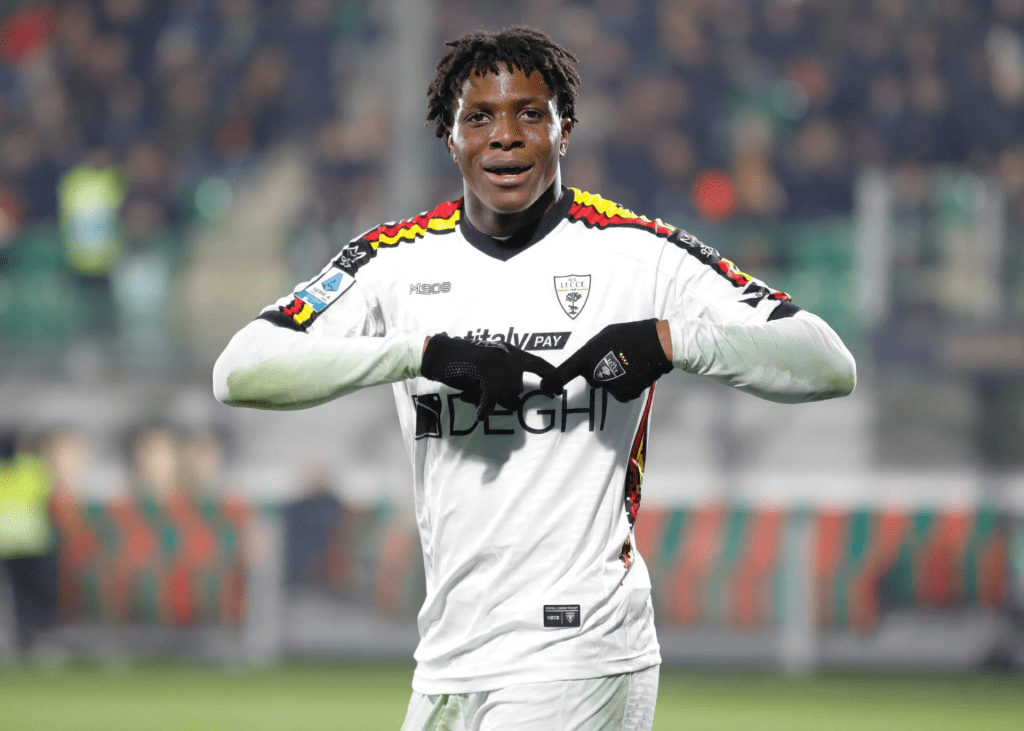
Modern full-backs are evolving into highly effective wingers who can decisively influence games. Given Dorgu’s current abilities and impressive potential, he is quickly establishing himself as one of the best and most specialized players in this role, especially considering his age and relatively limited experience.
With Manchester United and new head coach Ruben Amorim actively looking for young, powerful, destructive and good marketable opportunities in the role, Dorgu certainly represents a smart, sensible and low-risk pick at no more than £30m.
It remains to be seen whether US Lecce will be willing to allow him to leave this winter but given their fragile status in the Italian top-flight and need for excellent market opportunities, even when selling talent, it won’t be a surprise to see the Dane join his international counterparts in Rasmus Hojlund and Christian Eriksen at Old Trafford as well as elsewhere.
Any one of the aforementioned clubs possesses the opportunity to lock down their starting LB/LWB spot for the next 10 years and beyond.





 anthonyscouts.co.uk