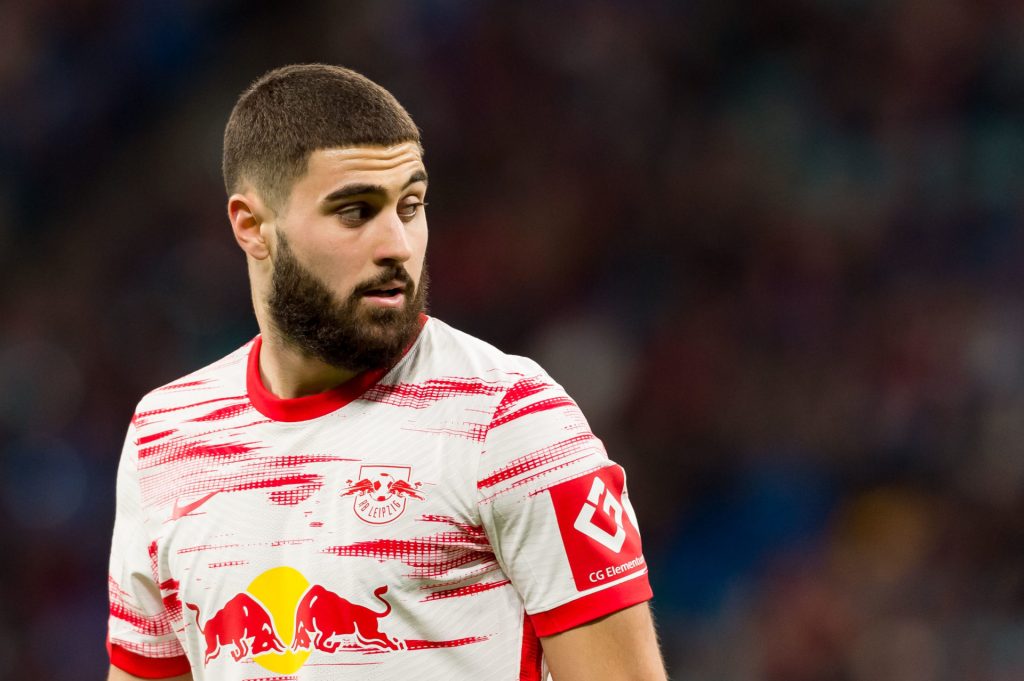
#AnthonyScouts 2022 – Benjamin Šeško

#AnthonyScouts 2022 – Benjamin Šeško

Austrian giants Salzburg, in its current capacity under Red Bull ownership, is only 16 years old and yet the club has consistently spilled out some of the world’s most flawless young talents over the past decade.

Erling Haaland, Sadio Mane, Kevin Kampl, Naby Keita, Dayot Upamecano and so many others have passed through the Salzburg system and now their current side is about to propel several players onto the radar of many across the globe.

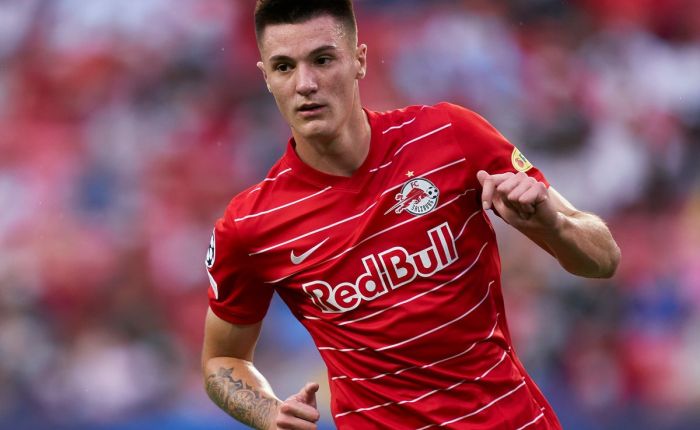
One player that is still in his infancy is Benjamin Šeško, one of the club’s most promising attacking players under the age of 20.

The Slovenian had to wait for his chance to secure his spot for Salzburg having spent two seasons on loan at FC Liefering, and even then Sesko struggled for regular minutes. 
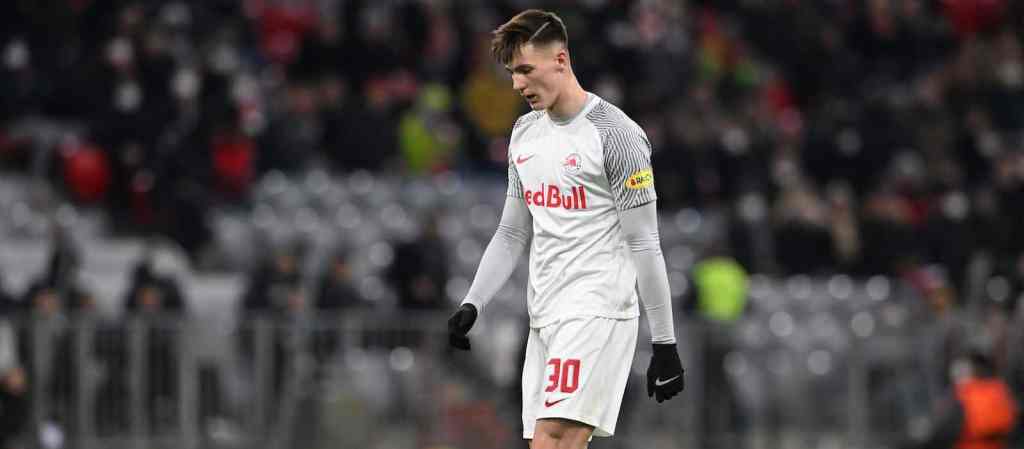
As such, Sesko scored just five goals across 24 appearances, largely playing second fiddle to Karim Adeyemi and Noah Okafor, but the former’s move to Borussia Dortmund this summer means the teenager has been handed the chance to consolidate a starting spot and he’s took the opportunity with both hands as he netted the opener in Salzburg’s opening day 3-0 win over Austria Wien last week. 

However, he won’t be a Salzburg player for too long, with sister-club RB Leipzig securing his services for the 2023/24 campaign and beyond for a fee of around £55million.

The 19-year old, who had been targeted by Manchester United, Chelsea and Newcastle throughout the summer, will stay at Salzburg on loan for the season before joining Leipzig next summer.

The Slovenian international has signed a five-year contract until 2028 at the Red Bull Arena. 

So who is he, and what could he bring to the German Bundesliga?

Who is Benjamin Šeško?

Born in Radeče, Slovenia, Šeško began his youth career at his local side Radece before landing with several other sides in his native country.

In 2019, he joined Red Bull Salzburg and spent time with the club’s reserve side FC Liefering, where he began to shine over several seasons.

While his first season at Liefering wasn’t particularly special, his second season there was fantastic as he registered 21 goals in 29 appearances.

He returned to Salzburg last summer and he managed 11 goals and 7 assists in 37 games in all competitions last season.

He’s begun the 2022/23 brilliantly, though notching 4 goals in pre-season including two against Ajax and Liverpool and has already opened his account in the Austrian League after only two games.

Eligible for Slovenia and Bosnia and Herzegovina (due to his mother hailing from Doboj), Šeško opted for the former, having represented the country at the under-15, under-16, under-17, and under-19 levels.

In May 2021, the forward was called up to the senior team manager Matjaž Kek for a pair of friendlies. He debuted for Slovenia in a 1–1 friendly tie with North Macedonia the following month at the age of 18 years of age and 1 day old, the youngest debutant in the national team, surpassing the previous record set by Petar Stojanović seven years earlier.
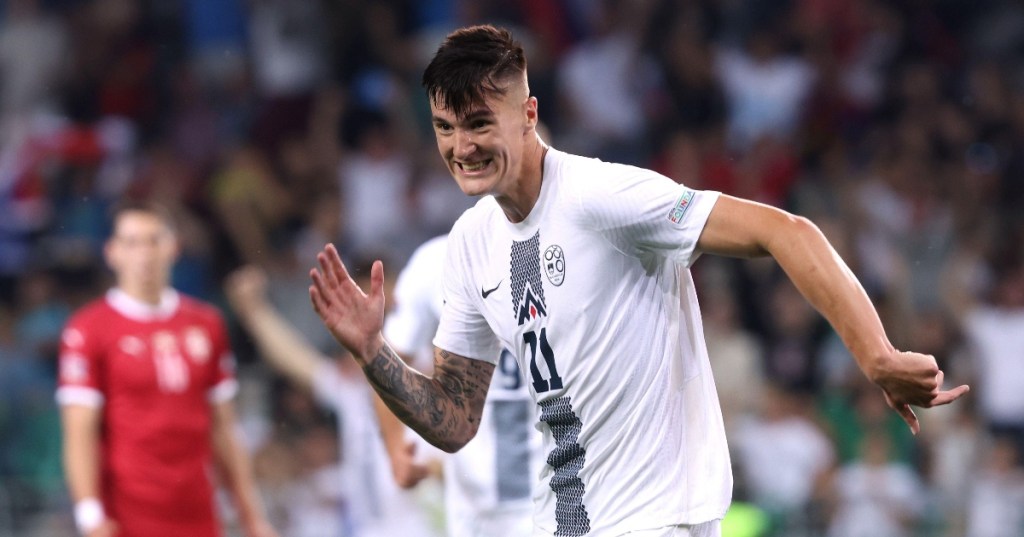
He notched his first goal for his country in October 2021 in a World Cip qualification match against Malta becoming Slovenia’s youngest ever goalscorer at the age of 18 years, 4 months and 8 days.

Šeško has been likened to Haaland because of his elite combination of size, a 6’4″ frame, and pace.

“My team-mates at the club tell me that Haaland and I are very similar, especially in terms of speed,” Šeško said. “Most of them even tell me that I’m better than him.”

Obviously that’s a very glowing endorsement from his teammates considering what Haaland is accomplishing at such a young age, but anyone that watches Šeško recognizes his athleticism and application is elite and if given the opportunity he could truly evolve into one of Europe’s best strikers like his predecessor.

So how good is Benjamin Šeško?

When feasting your eyes on the Slovenian hitman, one striking element of his is his sheer size and imposing figure, standing at 6’4″. He is capable of towering over his markers and he uses his powerful build to get the better of defenders.

And like Haaland, despite his stature, the teenager has ample pace to either drive past opponents or time his runs to perfection in his quest for goal – he’s tall, long, quick for his size and their movement styles are strangely similar, with gangly arms and lengthy strides. His timely runs can be to either capitalise on parried shots on goal or if he does hang off the shoulder of the last defender, to beat the offside trap. 

At just 19 years of age, and without top level European experience under his belt yet, Šeško possesses the ingredients, know-how and attributes needed to morph into a well-rounded complete centre forward in no time at all.

Capable of finishing well with either his right or left foot, the two-footedness to his game means he can at times prove difficult to read for defenders.

This quality has helped raise Šeško’s profile considerably and when you take into account only eight players scored in excess of five goals with their right foot and their left foot in Europe’s top five leagues last season, it’s a desired attribute in the modern game, and it’s shown that most of the top-level forwards in the game right now possess such a key characteristic, so Šeško is well on the right path to European stardom.

Šeško is also a solid aerial threat inside the opposition area, so seems the archetypal battering ram of a frontman.

A striker who is physically strong, tall, possesses a real presence in the box but also holds the capabilities to link effectively with his fellow attacking outlets are of high demand in the modern game and Šeško impressively fits the mould.

The role of a striker has tremendously evolved in recent years, with managers no longer desiring a sole penalty box predator – unless you’re Robert Lewandowski of course – but a frontman capable of becoming crucially involved and influential in an around the final third.

The Slovenian’s link-up play and off-the-ball movement is a huge asset in his game. As he’s 6’’4, it’s not surprising that he’s very good aerially making him a threat in the opposition’s box from crosses and set pieces. Despite being so tall, Šeško also possesses incredible pace. His pace as well as strength and skillfulness make him a nightmare for any defender to play against.
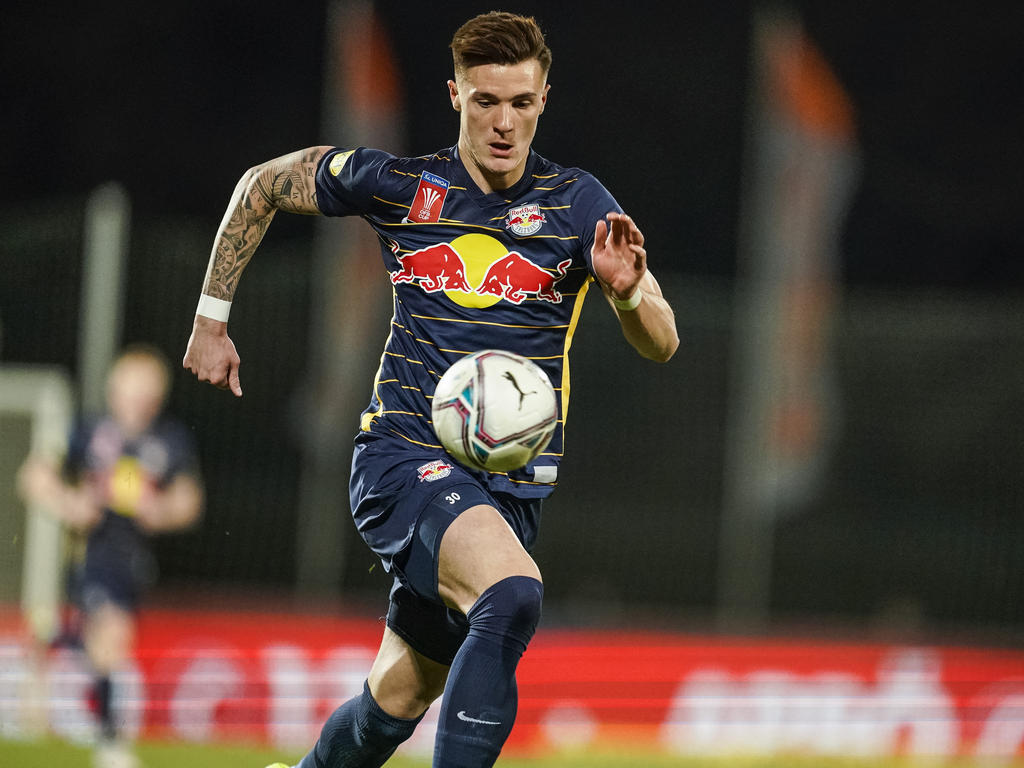
The youngster is able to find pockets of space between the defence and midfield that enables him to link up play in attack. He can then use his strength to hold off pressure from markers and allow those in support to make runs in behind, maximizing the space he has worked in the process. 

Šeško would be an absolute dream for attacking midfielders and wingers, due to his unique nous of running beyond defensive lines, latching on to through balls through his searing speed and acceleration, and more importantly his off-the-ball movement.

The 19-year-old is also very good at exploiting space. His high-end speed enables him to attack weak areas of opposition defences, especially when on the counter attack, leaving defenders in his wake. While he is quite skilled at carrying possession, most of his best in these transitional situations are done when latching on to the end of passes, not in possession.

He is also a threat in the air, combining his sheer size and leap with good timing and technique to consistently redirect crosses towards goal – albeit by darting across a centre-back or competing from a standing leap. He is yet to find that clinical edge as a finisher, like Haaland has always possessed.

Last season, the Austria international finished the season with five goals and three assists. However, this season he started the fastest out of the blocks.

He bagged in their opening league game of the season and has gone on to bag four goals in nine league starts at the time of writing. He appears to improve game upon game, with his ceiling seemingly growing as the seasons’ progress.

Šeško is known to be prone to snatching at chances, despite striking the ball well, his finishing is rushed at times and would need development, but at the tender age of 19, those raw tendencies will be ironed out with more maturity, time, top-level coaching and of course more exposure to first team action at the elite level.

Though, his finishing qualities was clearly evident in his recent goal for Slovenia in the UEFA Nations League during the September internationals where he became an instant internet sensation, hitting a first time volley from an impossible angle with stunning precision following such fine and predatory movement.

Šeško’s Future Prospects

As expected, interest in Šeško has risen tremendously in recent months, with Manchester United recently amongst those keenest on the Slovenia international. However, it is RB Leipzig who have managed to tickle his fancy as the club he wants to join and continue his fine development, taking on a similar route to one of his Salzburg predecessor in Erling Haaland.

The 19-year-old is the perfect signing for both parties with the Germans acquiring a striker who they could mould into a world beater, and Šeško joining a side he can gain much better recognition and platform that he is getting in Austria.
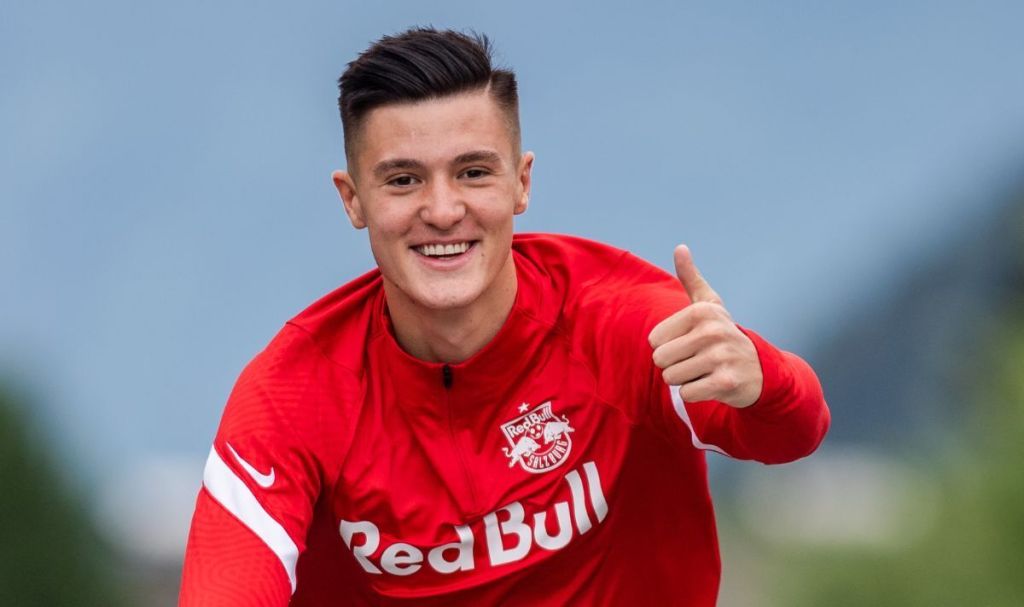
The forward has also been lauded as a “generational talent” by journalist Ryan Taylor, and it is easy to see why clubs such Manchester United, Newcastle United and Chelsea were all linked with his services in the past.

Given his high ceiling and unique style of play, Šeško seems the perfect calibre of forward to adjust seamlessly and thrive in the German Bundesliga.
#AnthonyScouts 2022 – Joško Gvardiol

#AnthonyScouts 2022 – Joško Gvardiol

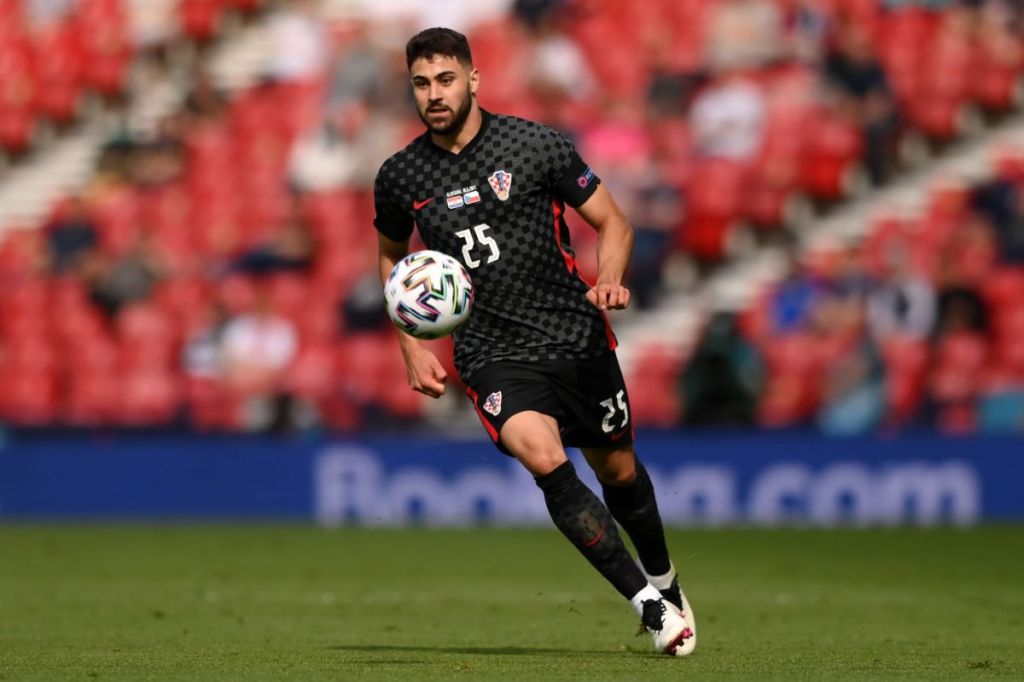
Croatia has been a decorated hub for some of the world’s most prestigious and classy footballing talents. The 2018 World Cup finalists have been excellent in producing world-class players consistently. Luka Modric, Matteo Kovacic, Marcelo Brozovic, Ivan Perisic and Ivan Rakitic are some of the most heralded names of this generation.

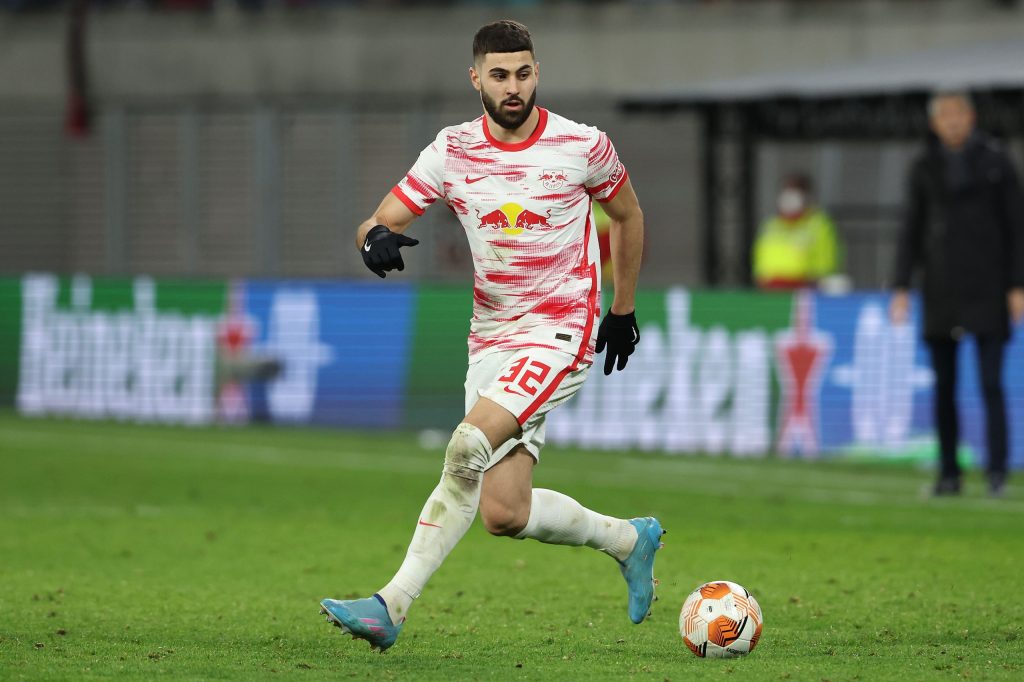
Their talent hub isn’t showing any signs of slowing down too with the likes of Lovro Majer and Luka Sucic placing themselves as two of Croatia’s most exciting young stars. But arguably the biggest and most brightest of the lot, already garnering much attention and plaudits for his abilities and performances is RB Leipzig’s Josko Gvardiol.

(Photo by Nico Paetzel/vi/DeFodi Images via Getty Images)

Even though he’s only just completed his first full campaign in one of the major European leagues, he is already one of the most in-demand young defenders on the continent.

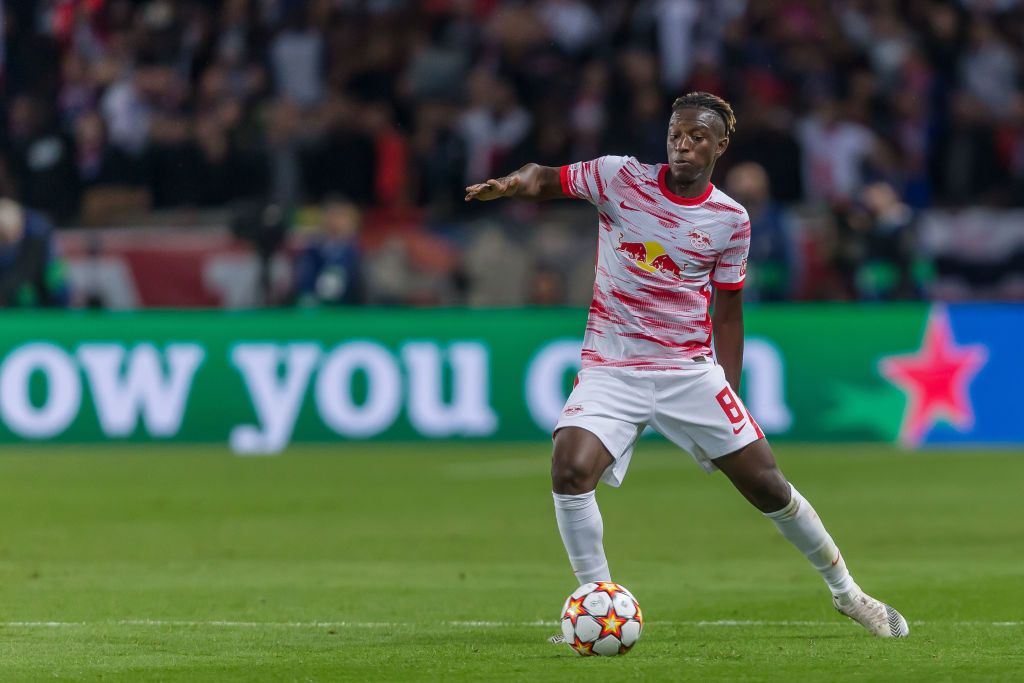
The centre-back colossus is just 20-years-old but is already an established player for club and country. Gvardiol has been excellent ever since bursting onto the scene with Dinamo Zagreb in 2019.

The past few months have already seen him linked with some of Europe’s most prestigious names, with Chelsea showing a strong interest before the summer window’s conclusion. With his current deal at Leipzig now taking him right down to 2027, he certainly won’t come cheap and considering his stunning potential and importance to their cause, his potential hefty price tag seems justified.

So how has Gvardiol gotten to this position?

Who is Joško Gvardiol?

The 6’1″ defender started out at NK Tresnjevka as a seven-year-old, where he was taken by his father Tihomir, an amateur footballer himself. A year later in 2010, Croatian giants Dinamo came calling, and he stayed there for over a decade until his switch to Leipzig in summer 2021.

Over the course of the 2018/19 season, 17-year-old Gvardiol helped Dinamo to the UEFA Youth League quarter-finals – where they lost on penalties to English side Chelsea – and lifted the Croatian youth league title.

He was then promoted to the second team the following campaign but, after making just two appearances, was promptly called up for first-team duty and made his Zagreb debut in October 2019. Having represented Croatia since starting out with the U14s in 2016, Gvardiol also made his U21 debut a month later against Lithuania.

Gvardiol – named as one of The Guardian‘s 60 Next Generation European footballers ahead of the 2019/20 campaign – featured in a total of 11 times in the league the season before last as Dinamo clinched the title. He also got his first taste of UEFA Champions League football at the start of 2020/21, with two qualifying matches as Zagreb were knocked out in the third round by Ferencvaros.

His move to Leipzig in July 2021 seems the perfect one for his development, and his debut season in Germany was a sensational one, the youngster seamlessly adapting to life at the top level and swiftly securing a regular spot in the Leipzig line-up under previous manager Jesse Marsch. In total he made 29 Bundesliga appearances, scoring twice, while he also featured a further 17 times across the UEFA Champions League, Europa League and DFB Cup.

Head coach Domenico Tedesco previously hailed the centre-back’s “mental strength” as among his chief attributes, while he also became a deserved full Croatia international over the course of last season, going on to make 10 caps for his nation at the time of writing.

What’s so special Gvardiol? Why is he highly-coveted?

Gvardiol is really the complete package of a modern day centre-half.

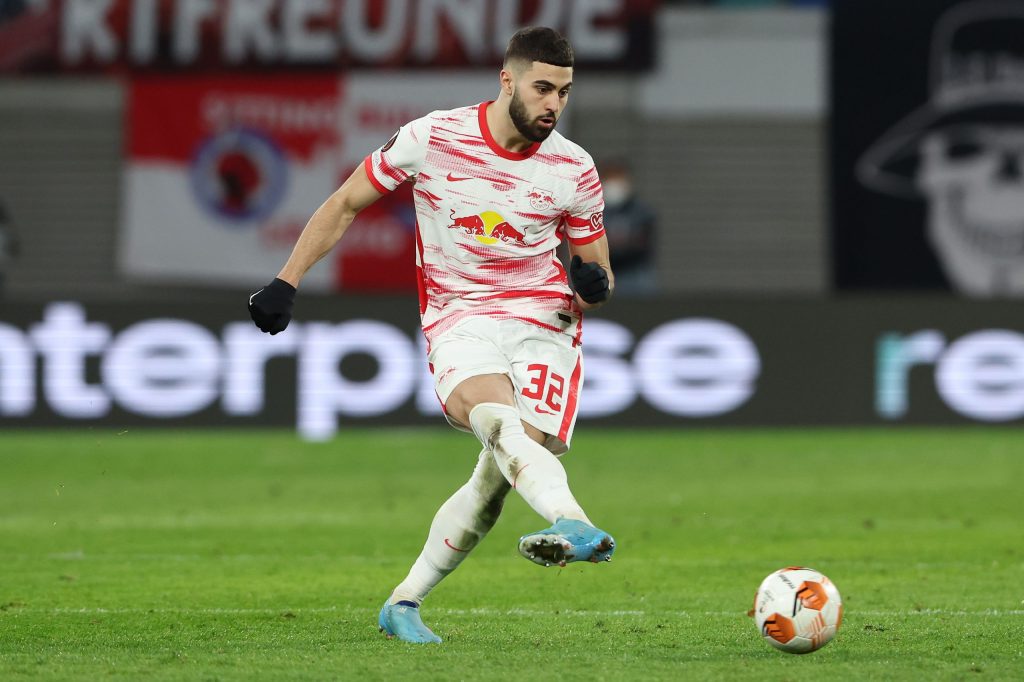
His ability to progress the ball, range of passing, excellent carrying and dribbling skills, no-nonsense tenaciousness, and fantastic 1v1 defending, among other traits, make Joško one of the best young centre-backs in the world, and one of the best defenders in the Bundesliga, full stop.

The most intriguing and unique aspect of Gvardiol is that he is a left-footed centre-back, and a truly decorated one at that. Those are very rare to find in the modern game, and when a team does possess one, you’d easily spot why they are so crucial in a team’s tactical setup both positionally and in possession.

The role of a centre-back has evolved significantly over recent years. From just being the player who would put out fires and clean up damage imposed upon them on opposition attackers, centre-backs are now fundamental to their team’s buildup play and sustaining of attacks, and Gvardiol has swiftly proven that he is amongst the best in possession.

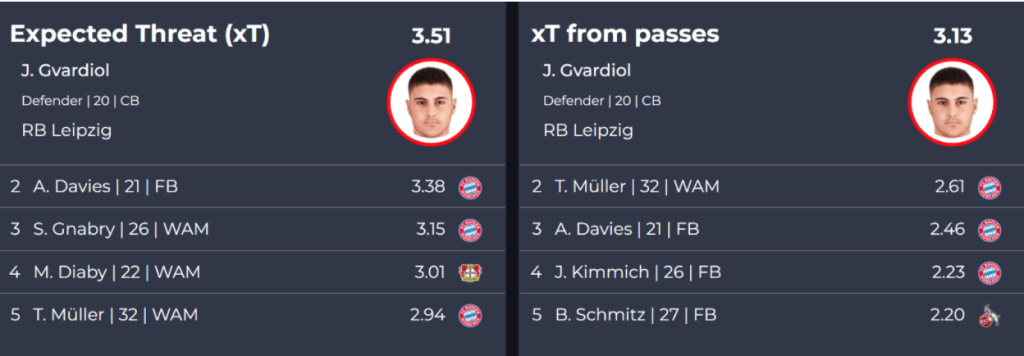
In fact, amongst all players in Bundesliga last term – ALL PLAYERS, not just defenders – he ranked first for expected threat (xT) (3.51) and xT (3.13) from passes. He is a phenomenal and influential outlet on the ball.

The Zagreb-born colossus is nowhere near a traditional centre-back. One look at his numbers suggests that this is a player who loves getting high up the pitch and advancing the ball.

He averaged 5.31 progressive passes per 90 last season along with receiving 0.67 progressive passes per 90. He ranks in the top 3% of centre-backs amongst Europe’s top five leagues for progressive passes and in the top 6% for progressive carries (5.45) and top 1% for dribbles completed (0.89) showcasing that he loves branching out from his defensive line and dribbling his way through opponent’s press in order to get his team up the pitch, or open up passing lanes for his midfielders.

Being able to move the ball up the pitch is paramount to a team’s success, especially possession-heavy teams; as previously stated, the modern-day centre-back must be very good at progressing the ball, by means of either passing or carrying and the £31.5m-rated juggernaut is superb at both attributes, as highlighted by the numbers above – it is the Croatian’s calling card when he is not engrossed in shepherding opposition attackers away from his own goal.

He is supremely confident when performing both actions, heavily reliant on his aggression, impressive ball-control and wonderful vision in being able to spot his more forward-thinking teammates within dangerous areas in the attacking third.

Gvardiol’s propensity to always try to make the penetrative pass, even when under pressure, greatly allowing his team to have more positional freedom in buildup. Once he receives possession, he holds the knack of constantly scanning his surroundings, looking up and deciding which players to pick out.

Moving the ball into the opposition final third, locating attackers in dangerous positions, is another key element in being a modern-day centre-back. 

Whether it be through solo runs like Gvardiol often does, or brilliant switches of play to forwards that allow them to carry into space, rapidly getting the football into the last third of pitch is a great skill, and benefits team attacks massively.

It’s incredibly vital to remember, that last season was his first campaign playing top-level football, so all the stats seen in this report must be taken in with much awe and inspired looks. In the Bundesliga, amongst all outfield players he ranked 5th for passes into the final third (165), sixth for through balls (8), 10th for progressive carrying distance (4455) and sixth for pass targets (1722) which means the number of times a player was the target of an attempted pass. That coupled with his sensational passing success rate of 91%, he is an astute, decisive and accurate passer of the ball.

Even though he is so adept in attack, a Gvardiol scout report is very incomplete without mentioning his defensive work. He applies 11.75 pressures per 90, pitting him in the top 16% of centre-backs in Europe’s top five leagues, which allows him to close attackers quickly often. Moreover, Gvardiol has recorded 2.19 tackles, and 2.03 blocks per 90.

Given how far up the pitch he likes to venture into, the true mark of his defending lies in his interceptions. He averages 3.22 interceptions per 90, putting him in the 98th percentile amongst defenders across Europe and 5th amongst all Bundesliga players (89). He is a stunning reader of the game, but also combative and aggressive presence as he is expected to be considering his frame and size, at just the tender age of 20 too.

Gvardiol is extremely quick on his feet, meaning he covers ground rapidly to diffuse any threatening situations. Therefore, it is no surprise why Gvardiol has been a supreme fit at Leipzig and more importantly a consummate figure at the highest level. His tackling ability is top-notch and combined with his excellent recovery pace, he is a very good active defender and often comes out on top when he engages in duels. 

Though, his aerial abilities is one he must work on, he only wins 2.46 aerial duels despite his 6 foot 1 frame, which doesn’t make for pleasing reading. The game is evolving at such a rate nowadays that centre-backs have got to be as proactive in the air as they are on the ground, but with more maturity and develop, that weakness isn’t one for much pressing concern.

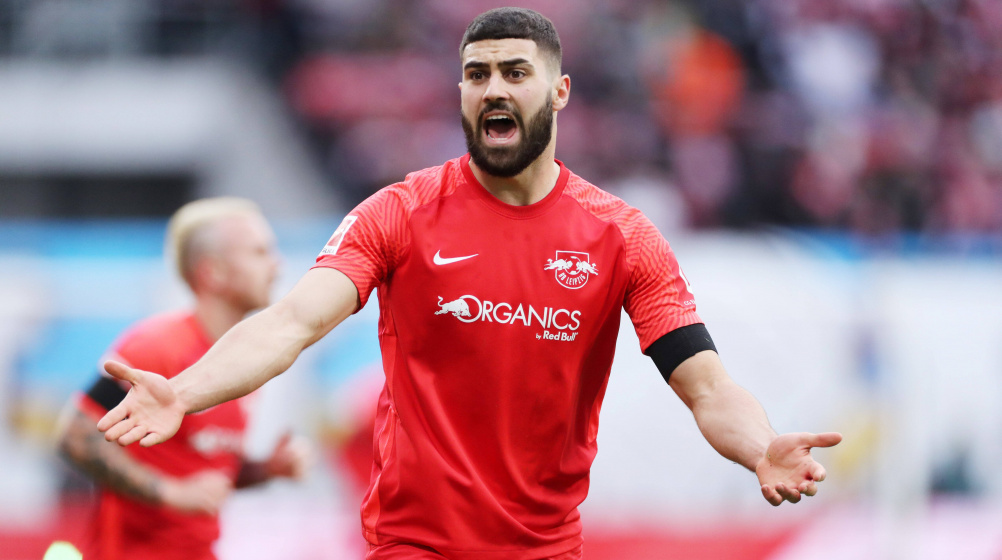
What’s impressive of the 20-year-old defender is how quickly he’s become an impactful presence in the Leipzig back-line alongside Wili Orban and Mohamed Simakan. He’s quickly become a leader, and is very vocal when he wants to be. Not just barking orders at his fellow defenders, but to his experienced midfielders in front too, such as Kevin Kampl and Konrad Laimer. That’s all part and parcel of the impressive and complete package that the Croatian rock-solid star offers.

What does the future hold for Joško Gvardiol?

Gvardiol is in for a truly decorated and successful future both at club level and international too. It’s no secret that he is one of Europe’s most coveted centre-back out there right now, which means there are no shortage of suitors for his signature, with Chelsea and Manchester City specifically lurking.

However, it is vital that the £21k-per-week star continues his rapid progression at a steady and progressive side like Leipzig who can continue to offer him much room to grow, mature, develop and most of all, the room to make mistakes that doesn’t bring much scrutiny and criticism as a more enhanced and elite club side may pour on him.

Again, he’s still only 20 years of age, and while he’s of course taken giant strides over the past 12 months, there is still much more for Gvardiol to learn as he continues his upward trajectory. Certainly, his numbers may be inflated due to Domenico Tedesco’s insistence in playing a back three at Leipzig.

Just how will Gvardiol fare in playing week-in, week-out in a back four? That is one possible flaw that top sides will take into consideration when scouting him. It is unclear whether Tedesco will change his system next season, but trying out the Croatian in a back four could really help develop him further.

With the World Cup looming this winter – in which Gvardiol is currently guaranteed a spot on the Croatian plane barring any injuries – the Zagreb-born juggernaut must stay in Leipzig where he is loved and appreciated in order to continue his incredible trajectory.

3 defensive midfield options Manchester United should look to sign this month

3 defensive midfield options Manchester United should look to sign this month

It’s been evidently clear for a long period of time that Manchester United are in desperate need of investment and improvement at the base of their midfield if they are to match the likes of Manchester City, Chelsea and Liverpool.

The club have made slight improvements under German revolutionary and tactician Ralf Rangnick, but those those glaring issues still rear its ugly head, and its costing United a place in the Premier League top four.

In Rangnick’s 4-2-2-2, he’s had to use a combination of Fred, Scott McTominay, and Nemanja Matic as his midfield base, none of whom are ideal fits for what Rangnick requires in his engine room, although McTominay has impressed there in recent weeks.

Against Burnley, the pairing of Matic and McTominay worked well, with the Serbian acting as a deep-lying progressor of the ball and the Scotsman providing the dynamism and energy to push up the pitch and support attacking moves. At 33-years of age, Matic cannot be relied on long-term to be United’s main midfield anchor, while his lack of mobility could also pose issues against teams who offer more of an attacking threat.

While both Fred and McTominay both bring energy, tenacity and aggression to the midfield, neither are reliable ball distributors, players who can break lines, feeding the ball to teammates in much more dangerous areas like that of the two no.10s behind the two forwards. And as a result, United are unable to penetrate teams with the preciseness and ruthlessness as their rivals and control games the way Rangnick wants.

According to The Athletic, Ralf Rangnick has already identified the midfield area as a point of addressing, so might we finally see some investment from Manchester United in that area in January?

If so, Iet’s have a look at three potential options Rangnick could look at to address the problem and how might they fit in at Old Trafford.

Amadou Haidara, RB Leipzig

(Photo by Harry Langer/DeFodi Images via Getty Images)

Given the weaknesses in United’s existing options in midfield, their reported interest in RB Leipzig’s midfield dynamo Amadou Haidara makes perfect sense. However, this may be a difficult deal to pursue as Haidara will be on international duty for Mali at the African Cup of Nations. If United still go ahead with trying to acquire his services, he may not be available until late January, which could prove costly for United if they desperately want to address their glaring issue in midfield.

The 23-year-old midfielder still makes for smart and astute piece of business. The Malian credits Rangnick with pushing for his transfer from RB Salzburg to Leipzig in 2019, proving a key figure for the German during his time at the Red Bull Arena. Haidara is crucially the sort of all-round central midfield who has thrived in the system Rangnick is attempting to implement at Old Trafford.

During his three years at Leipzig, Haidara has wonderfully developed his craft and effectiveness in Leipzig’s high-intensity style, becoming the well-rounded midfielder who can adapt well to the specific roles he is given. Upon his arrival at Leipzig, the 23-year-old impressed as an energetic ball-winning midfielder primed in breaking up attacking play, counter-attacks (a problem United suffered against Newcastle during Christmas) as well as supporting the press, and progressing the ball through bulldozing running and fine passing.

His ball-carrying was initially the foremost way he could break opposition lines, which he still does with such impressive precision. The Malian has successfully completed 75% of his dribbles, performing 1.55 successful dribbles per 90 minutes so far this season. Haidara has also recorded 4.12 progressive carries and 1.24 carries into the final third highlighting his knack of breaking through opposition lines to progress his team up the pitch.

However, its his passing that has proving increasingly incisive, and a trait Rangnick will not be able to ignore. Haidara holds a short passing success rate of 88%, and his long passing 68% showing his incredible distribution of the ball. So far this season per 90, he averages 6.32 progressive passes placing him in the 92nd percentile of midfielders across Europe’s top-five leagues. Also, he averages 3.30 final third passes, and 1.44 passes into the penalty areas showing he is very adept at finding his more forward-thinking teammates in more dangerous areas of the pitch.

If he were to move to Old Trafford, he would of course be playing with either of Fred or McTominay in Rangnick’s 4-2-2-2. Given the caliber of offensive talent ahead of him, Haidara will be tasked in fulfiling more defensive duties. In possession, his technical quality and acumen and desire to progress the ball will be extremely pivotal for United’s patterns of play.

Almost a third of Haidara’s passes travel more toward the opposition goal, significantly more than both Fred and McTominay, in which he performs significantly more progressive passes (6.32) than the Brazilian (5.06) and the Scotsman (4.56) and also performs more passes into the opposition penalty area. Clearly, Haidara would add much more needed ball retention and progression to the United midfield.

However, Haidara’s defensive metrics are, while reasonably solid, not paticularly impressive. Though, much of that will be down to the inconsistent form of RB Leipzig this season, rather than his own struggles. He averages a quite impressive 6.70 successful pressures per 90, 10.2 in the middle third and 3.30 in the attacking third highlighting that he is very effective when playing a pressing game. Still, his tackles and interceptions are not particularly the highest (2.27) amongst the most dominant midfielders in the English top-flight but Haidara would still so much more elite dynamism, aggression and most of all ball progression that United so desperately need in their engine room.

Provided Rangnick earmarks his former player as a target in January, United are likely to swoop in and pay his £33m release clause to acquire his services from RB Leipzig. However, having already inherited an excess number of players, the German will be aware of shipping out players ahead of demanding new signings over the coming transfer window.

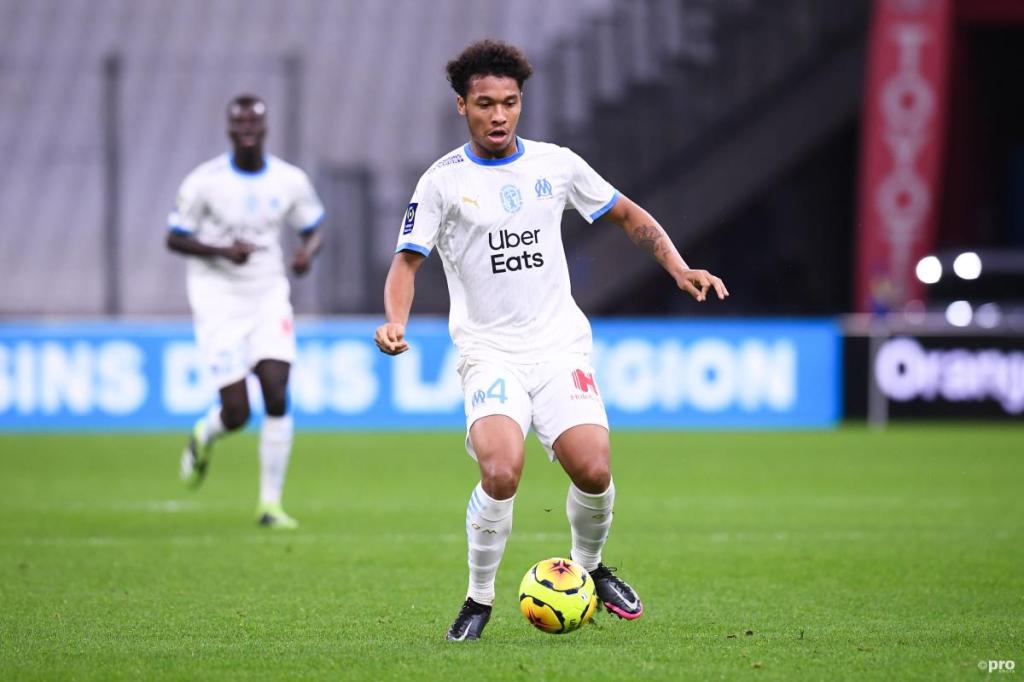
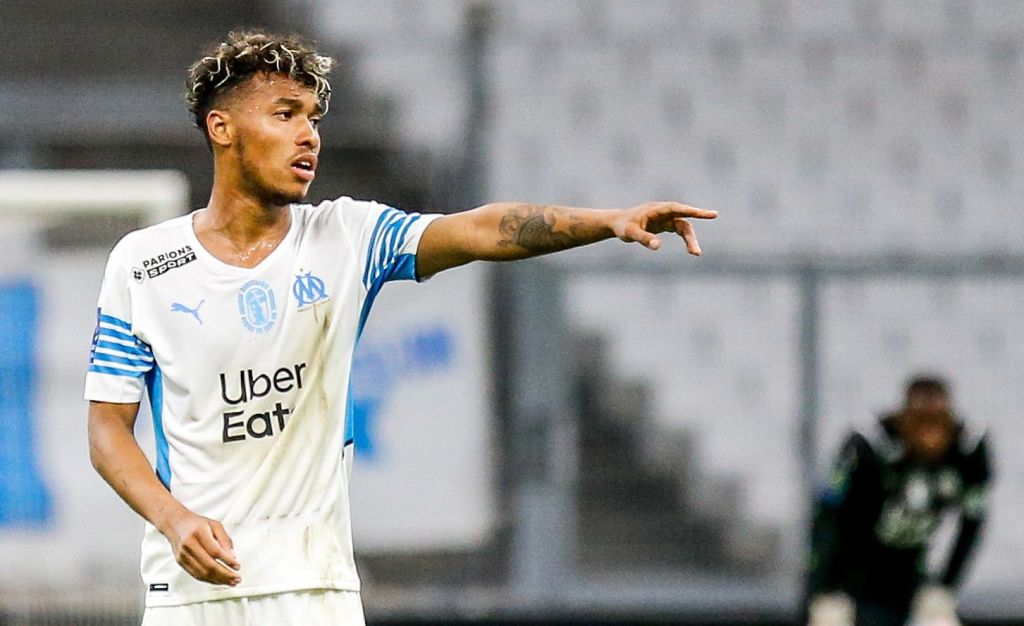
Boubacar Kamara, Olympic de Marseille

Amongst the many exciting talents waiting on a big move next summer, Boubacar Kamara is likely to attract many suitors over the coming transfer windows. The midfielder has undergone remarkable development, having come through the French club’s academy, and remains amongst the most coveted defensive-midfield prospects in Europe.

Despite only being 21, the midfielder has already amassed 107 Ligue 1 appearances, playing close to 8,000 minutes across five seasons in the French top-flight. A ball-winner in multiple forms – a presser, a dueler and interceptor – but he’s also as comfortable against the press as he is when pressing himself. The 21-year-old is typically Marseille’s deepest midfielder in possession of the ball, very comfortable in drawing opponents in through ball retention, then bypassing them through silky footwork, mazy runs or passing combinations with his teammates.

Largely deployed in a double-pivot under Jorge Sampaoli this season in a 4-2-3-1 formation, Kamara has excelled under the tutelage of the former Chilean head coach. In a system which allows for much freedom and rotation positionally, Kamara is the one player who’s position remains constant although he does hold the tactical intelligence to perform those free-roaming roles when required.

Sampaoli’s system strongly requires the full use of Kamara’s skill-set. He is extremely composed in possession, dictating the tempo at his own pace possessing the ability and understanding to know when the slow the game down, and when to speed it up. A skilled and well-timed passer of the ball, with a good first touch, but without the ball he’s a tenacious, aggressive and methodical ball-winner who is strong in the tackle.

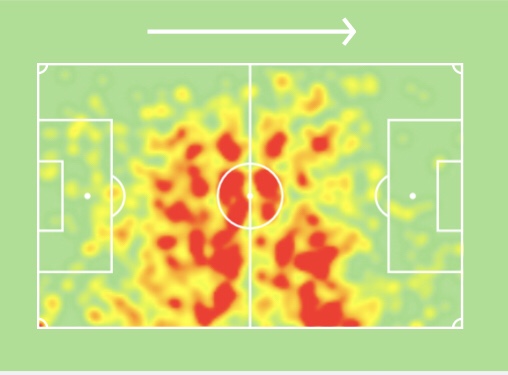
At Marseille, Kamara is used as the pivot point, keeping the ball moving with short simple passes, creating angles for the centre-backs or central midfield players like his partner Matteo Guendouzi. Kamara’s role is incredibly integral to Sampaoli’s positional play as he’s always available for a pass acting as a short passing outlet allowing his side to transition into their attacking pattern of play.

Boubacar Kamara’s season heatmap

More importantly, if given the space, Kamara is so good at breaking opposition lines with decisive swift passes, but also progressing it over long distances with a lovely range and superb vision and scanning of his surroundings. Kamara holds a short passing success rate of 94.7% and a long passing rate of 73.8%, highlighting how pivotal he is to Marseille’s build-up play, whilst also averaging a stunning 5.93 passes into final third per90.

He’s just as good in his reading of the game, often the man to help out his defence when dealing with the threat of attacking moves, winning the ball with strong standing tackles, but also having the speed of thought to distribute to his teammates and start attacking moves. While he does often drop deep, he’s very adept in the mid-block situations engaging opposition receivers and intercepting them from behind.

During the past year, Kamara has been successful with 36.9% of his pressing which ranks him in the 97th percentile for central midfielders across Europe’s top-five leagues. A stat Rangnick will certainly be proud of. He also wins 2.04 tackles per 90, ranking in the 87th percentile of midfielders, also winning 46% of his challengers against dribblers ranking 91st percentile amongst midfielders in Europe’s top-five leagues. Despite standing at 5’10, he’s also a very good aerial ball-winner winning on average 1.4 aerial duels per 90 with a 61.7% win percentage ranking him in the top 13% of central midfielders across Europe.

With him in the team, United could potentially have another promising prospect on the books, capable of developing into a world-class footballer, thus, lessening their need to spend big money on future transfers for the position. United are in dire need of an adept ball-winner but also a player who is just as effective and as incisive with his ball-progression. Boubacar Kamara fits the bill.

Although the Frenchman remains likely to leave in the summer with his contract at Marseille expiring in June, United are reportedly hopeful of luring him to the club as early as January. Provided the Red Devils see an opening, given Rangnick’s preference for developing youngsters as opposed to seasoned players, Kamara could potentially prepone his plans of moving clubs this month.

Joining Manchester United now seems as attractive as ever, considering the amount of potential in the squad.

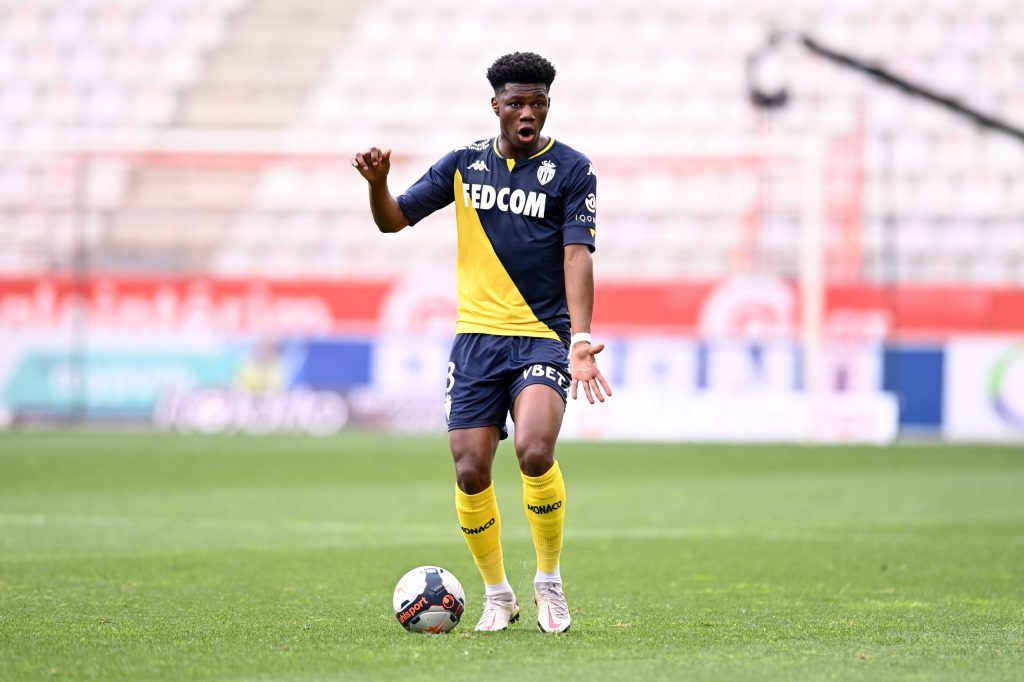
Aurelien Tchouameni, AS Monaco

Like his fellow French compatriot, Aurélien Tchouaméni is amongst the most highly coveted young central midfielders in Europe, let alone the French Ligue 1. The 21-year-old has enjoyed a remarkable season at AS Monaco under now former coach Niko Kovac, and is reportedly on the list of a lot of top clubs around Europe for his signature.

If Manchester United are indeed serious about addressing their serious issues in midfield then acquiring the services of Tchouaméni should be priority number 1. However, it will take big bucks to prize him away mid-season from Monaco who still remain in Europe’s second competition, the UEFA Europa League and still remain in the hunt for Champions League football next season.

But, the club are in a state of flux right now, and Manchester United should take advantage of the ongoing issues currently plaguing such a decorated club in France, after Niko Kovac’s surprise sacking.

The midfielder is earning such glittering praise in France right now, simply because of his expert performances at the base of Monaco’s midfield in the French top-flight. Not only has he garnered exceptional praise at club level, but in his native France colours too, aiding their Nations League success earlier this season.

Tchouaméni is superbly athletic, dynamic workhorse of a midfielder who combines his sharp turn of pace with a fine-tuned and unique anticipation and reading of the game.

As a result, he is perfectly capable of fulfilling a number of positions in the midfield making him one of the most complete performers in the French top-flight: no.8, no.6, or no.4, you name it. He is right at home in each of those positions dominating, harrassing his opponents but also providing Monaco’s frontmen with the perfect platform to attack without any real concern of what may occur behind them.

Tchouaméni is an absolute nightmare to play against. Just when attackers think they’ve broken clear of the Monaco midfield, he quickly and consummately arrives out of nowhere to snap at their heels and win back possession.

Not only does he win the ball back for Monaco with astonishing regularity, but he moves it along beautifully once he has, with an impressive range of passing allowing the midfield runners in front of him to dart into space in advanced areas knowing that possession, and therefore the space behind them, won’t be ceded.

Standing at just 6ft, 2in Tchouaméni may not at first viewing look the dominating and imposing figure that he cuts out to be, but the aura and confidence at which he performs in midfield means he is every player’s nightmare when coming up against him.

Astonishingly, Tchouaméni made more tackles than (133) than other player in Europe’s top-five leagues in 2021.

In fulfilling his role as a capable defensive midfielder, Tchouaméni performs it with such expert assuredness and brimming confidence. He is an exceptional tackler and reader of the game making him so appealing to clubs who are in dire need of the safety he brings, clubs like Manchester United.

So far this season, he ranks in the 99th percentile for midfielders in the top 5 European leagues with 3.97 tackles per 90 meaning he is in the best of the best company with the likes of Fabinho, Casemiro and N’Golo Kante combining his aggressive nature in defending and his awareness of attacking situations developing around him meaning he can time his challenges well in order to halt opponent’s attacks.

With a unique combination of size, strength, timing, and coordination, he is quite proficient at cleanly dispossessing his markers at an exceptional rate. He is a very athletic and mobile, imposing presence, who stands at 1.87 meters (6’2”), and has extremely long legs which help him with many defensive actions – like tackling. Furthermore, his long legs mean he has a big stride when covering long distances, covering all areas in front of his defence both on and off the ball.

He would be the perfect component for Rangnick’s high-intensity style not because of his assuredness in the tackle but his ability cover all areas of the midfield pivot in the 4-2-2-2 system. He is a naturally fast player with a great engine meaning that much of the work isn’t overwhelming for him. So far this season, he’s won 1.85 tackles per 90, and performed 3.33 interceptions. In fact, his tackles + interceptions average reads at 6.42 per 90. All of it makes for superb reading, he is very adept and efficient in his role.

Even though he shows excellent balance and agility on the ball, Tchouaméni isn’t much of a ball carrier, a progressive one in that fact – he attempts 4.88 progressive carries per game, though on the rare occasion where he attempts to carry the ball over and progress it over larger distances, he seems fairly uncomfortable able to dribble out of tight areas, or muscle his way out of opponent’s pressure, though working under better elite coaches means that will only improve vastly. He holds tremendous ball control, agility and technical qualities when on the ball meaning it is incredibly difficult to dispossess him.

In terms of pass progression, Tchouaméni also operates at such a high level. Once he receives a pass, the 21-year-old always knows where he play before he even receives it, or his body positioning when he receives means he is more than capable of progressing even when it seems difficult. As stated previously, he is excellent technically and his range of passing is amongst the best in Europe, let alone Ligue 1.

Tchouaméni completes 90.9% of his short passes and 77.1% of his long passes making him a superb outlet when progressing the ball to players in more advanced areas – a trait United could do well in acquiring in the near future. He is better than Fred (87% & 77%) and partly better than McTominay (89% & 81%) at progressing the ball, averaging 5.37 progressive passes per 90, and an 5.43 final third passes. Once he receives the ball, he is not afraid to attempt to find his attacking teammates in more dangerous areas or pockets of space.

With his blend of size, mobility, dynamism, defensive intelligence, and progressive passing that will surely improve, he would be an excellent addition for a number of top teams all over Europe including Manchester United, becoming the complete performer for the here and now and at just 21 years of age, he looks to be a player who could be one of the best defensive midfielders in world football within the next 5-10 years. 

A no-brainer addition to fully complement Ralf Rangnick’s style of football.

Christopher Nkunku, RB Leipzig’s shining light

Christopher Nkunku, RB Leipzig’s shining light

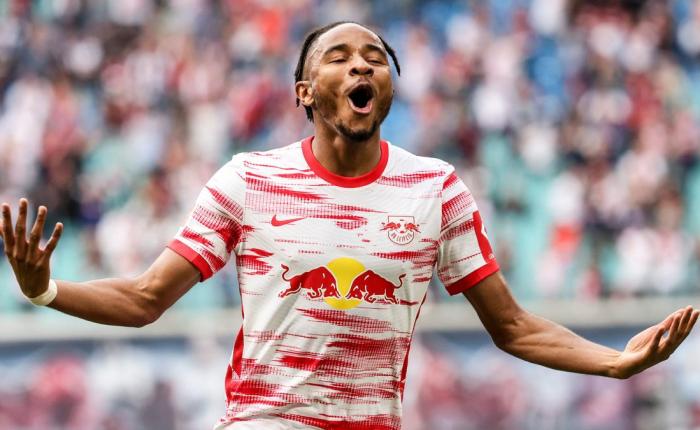
If RB Leipzig can take any solace from their quite below-par start to the season under new boss Jesse Marsch, its the form of their supremely gifted talismanic French midfielder Christopher Nkunku.

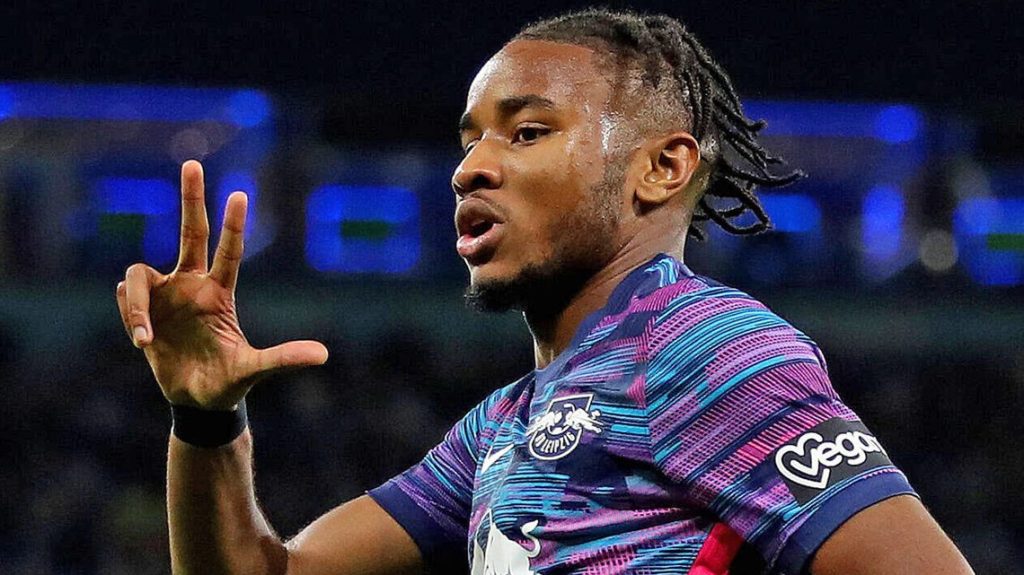
The 23-year-old was terribly unlucky that is tremendous hat-trick against Manchester City in their UEFA Champions League group stage curtain raiser came at a disastrous cost as Leipzig were cut to shreds at the other end as City triumphed 6-3 at the Etihad.

While much of the headlines on the night will have been about their shambolic defending against Grealish and co. Christopher Nkunku’s stock rose considerably providing hope for Leipzig in an otherwise dour evening in Manchester.

Photo: REUTERS/Craig Brough

The 23-year-old took his goals superbly, despite all three of them drawing Leipzig back into the game whilst City ran riot, but all three goals were a true reflection of the remarkable growth he is showing under Jesse Marsch so far this season.

The former Red Bull Salzburg coach has already stated his admiration and joy at working with the Frenchman, “Christopher has no weaknesses. He’s young and still want a lot more. Working with him is a lot of fun as he’s really intelligent and has a lot of potential.”

Indeed, Nkunku is an incredibly intelligent player and that isn’t just reflected in his goals – he’s got 7 goals and 2 assists in eight games at the time of writing – it’s the way he’s setting about scoring them. Getting himself into the right positions to take his chances but also provide the whole team with the onus to go and express themselves in attack.

Against Hertha Berlin at the weekend, Nkunku scored two beautiful goals – a dink over the keeper and a finely taken free-kick right into the top corner – and provided two assists in Leipzig’s 6-0 rout over a very poor Hertha BSC side to become the hallmark of Leipzig’s instant rejuvenation.

In their second Champions League group stage game against Belgian outfit Club Brugge – in yet another European defeat for Jesse Marsch and his side – he bagged his fourth goal in the competition latching onto a through ball to put Leipzig ahead in a 2-1 defeat.

It’s important to note that Nkunku has always provided the admirable and telling consistency in his game that makes him such a uniquely gifted performer for Leipzig. It’s only now, his performances are reaping its rewards.

Last season, he registered the highest combined non-penalty expected goals (npxG) and expected assists (xA) for attacking midfielders/wingers domestically (0.73 per game). How does that rank amongst his peers? Very high in fact. Over the course of the past year, he ranks in the 96th percentile in Europe’s top five leagues and international club competition for the same category (0.64 per game).

NpxG and xA are combined with “shot creation actions”, meaning “the two offensive actions directly leading to a shot, such as passes, dribbles and drawing fouls”, highlighting involvement in Leipzig’s attacks. Once again, his overall contribution was only bettered by a handful of the world’s top midfielders/forwards, including Neymar and Lionel Messi.

However, due to poor finishing by himself and his teammates meant that his extraordinarily positive influence on the team’s attacking output was getting somewhat overlooked because he wasn’t registering the goals and assists that is expected from attacking midfielders.

His Bundesliga npxG of 0.37 and xA of 0.36 per 90 only produced six goals and six assists from 28 games. In fact, his underlying numbers suggest Nkunku should really have notched around 10 goals and 10 assists last season. His end product appeared above-average rather than excellent, unlike his debut campaign where he hit five goals and 13 assists.

Also, his positional versatility proved his undoing under former boss Julian Nagelsmann last year. He was seen as a very useful utility player rather than the technically gifted up-and-coming star he should have been perceived as.

Nkunku performed in a variety roles mostly as one of two narrow attacking midfielders behind a striker or false nine which hampered his understanding of his role and value in the team and also the opportunity to work efficiently and effectively with his fellow attackers such as the equally gifted Dani Olmo.

In Jesse Marsch’s 4-2-3-1 system, by contrast, he’s been utilised as more of a winger.

When Marsch changed his set-up in response to his team’s run of poor results ahead of the Hertha BSC game and reverted to Nagelsmann’s 3-4-3 system, Nkunku was back in the right-sided No 10 role but crucially given licence to make roam and make deeper runs as his abilities warrant.

From there, he’s able to provide his strongest assets: his pace, off-the-ball movement and superb understanding of space in between the opponent’s defence and midfield. Against Hertha, Nkunku clocked an outstanding 35.5 kilometres per hour during the game.

Defensively, Nkunku is just as quick off the mark and without the ball. 8.69 pressures in the final third put him in the 99th percentile in the top five leagues for players in his positions.

The midfielder is so dangerously creative too. Once he gets the ball in the final third, its incredibly hard to stop him expressing himself. He’s always on the move, always willing to receive the ball in the most difficult areas in the half-space but more important he is very competent and consistent in attempting the extraordinary eye-of-the-needle through balls. He’s averaged an incredible 5.27 shot creating actions, 2.41 key passes, 2.22 passes into the final third whilst also averaging the same amount of passes into the 18-yard-box per90 minutes. Again, he is so vital to Jesse Marsch’s team.

He is indeed a uniquely gifted performer.

Now, we are finally starting to see Nkunku reap his rewards. He’s always worked hard as the above stats show, he’s always been a willing player both in attack and defence but he hasn’t had the numbers to show for it.

At Leipzig, they’re not surprised at his extraordinary start to the season.

After returning from the summer break with more muscle having worked with a personal trainer on his stability and speed, putting in extra shifts on the training ground in his ball-work, Marsch and his coaching staff were expecting him to be one of the key performers in this campaign and Nkunku has repaid their faith so far.

He is one of the first names on the team-sheet this season, after finding his spot limited under Naglesmann last year.

Born in Lagny-sur-Marne, the same Paris suburb that produced Paul Pogba, Nkunku cut a rather slight if confident figure among fellow Clairefontaine academy students Marcus Thuram (now at Borussia Monchengladbach), Allan Saint-Maximin (now at Newcastle United) and Amine Harit (now at Marseille).

As was often the case of young stars playing in Paris, opportunities were limited for players from the PSG academy. If you need any examples, just ask players like Odsonne Edouard, Tanguy Nianzou, Boubakary Soumaré or Timothy Weah, the list is endless.

Nkunku understood that he needed to find regular game time hence his move to Leipzig in 2019. A club well placed to provide him with the development and learning his game deserved.

Shortly before leaving Paris, Arsenal head of recruitment Sven Mislintat had attempted to bring in the player on loan in the 2018-19 winter transfer window but PSG didn’t approve. He was sold to RB for €13 million and made it to the semi-finals of the Champions League in his first season.

“It was the club I needed,” Nkunku explained at the time. “I’ve rediscovered the pleasure of playing. I feel that I’m blossoming on the pitch, that I’m a bit more liberated. The more time goes on, the better I am. Now I can say that it is better to leave your comfort zone to grow taller.”

The 23-year-old has grown considerably since then, his game has matured and his intelligence and understanding of the tactically has soared through the roof, and its a testament to his hard-work and willingness to learn and improve. Nkunku is only going to get better and that’s a scary sight for Leipzig’s opponents this season.

His existing contract runs until 2024 but just like Dayot Upamecano, Ibrahima Konate, Naby Keita, Timo Werner and Marcel Sabitzer before him, he’ll almost certainly become too good a player to stick around at Leipzig for much longer.

The club will have to enjoy him while they can, because Christopher Nkunku is on to much bigger things in the near future.

Jesse Marsch possesses an exciting Leipzig squad at his disposal, can he deliver the unthinkable?

Jesse Marsch possesses an exciting Leipzig squad at his disposal, can he deliver the unthinkable?

New RB Leipzig head coach Jesse Marsch believes his side have “probably the most strength in depth in the (German) Bundesliga” ahead of the start of the 2021/22 season.

A bold claim made by Red Bull Salzburg’s former boss, but a claim that could well prove true in the context of Leipzig’s summer business. While supposed ‘title rivals’ Bayern Munich and Borussia Dortmund have arguably grown weaker this summer, Leipzig have taken advantage through another period of steady growth, recruitment & development.

Ever since their rapid emergence on the scene in the German Bundesliga in 2016/17, Leipzig have been a breath of fresh air providing a huge sense of euphoria, energy and optimism around the country. The brand of football introduced by the Red-Bull has allowed the Bundesliga to now become one of the most entertaining leagues in the world.

The club didn’t earn their place into the Bundesliga just to make up the numbers. They have more than made their mark, only finishing outside the top four, once in the last five years, finishing sixth in 2018. In the last five years, they’ve finished second, third, sixth, third, third and last year finished second 13 points behind the ever-dominant Bayern Munich.

This season, they aim to go that one step further – towards an unprecedented first German Bundesliga triumph, ending Bayern Munich’s nine year dominance. Leipzig won’t be doing it with Nagelsmann though, who departed to their title rivals in May.

However, they’ve introduced a familiar face.

Arguably the club’s greatest capture this summer, American tactician Jesse Marsch returned to Leipzig, where he had been assistant to Ralf Rangnick in 2018/19, following a successful two-year stint in charge at Red Bull Salzburg.

Known for his fresh, vibrant and exciting style to management, especially his high-energy, intensity and counter-pressing attacking approach which will almost certainly give the Leipzig faithful more reason to be optimistic so soon after Julian Nagelsmann’s departure to Bayern Munich.

This summer, Bayern continued its long-held practice of snatching up top talent from its biggest German rivals, nabbing Nagelsmann and also star center back Dayot Upamecano after the 12-year-old club finished second in the Bundesliga last season. Bayern might not be done raiding either, with recent reports linking them to influential Leipzig midfielder Marcel Sabitzer.

Jesse Marsch left an exciting squad in Austria, soon after winning league and cup double to join an even much more exciting squad at Leipzig.

The American coach will be taking the reins of a side currently brimming with thrilling talent, including Dani Olmo, Emil Forsberg, Christopher Nkunku, Josko Gvardiol, Marcel Sabitzer (who could be on the move to Munich), Dominik Szoboszlai, a player Marsch previously worked with at Salzburg, and also Tyler Adams.

To add to that the new signings brought in certainly brings an added touch of sprinkle dust on a refreshingly built squad. Brian Bobbey, Mohamed Simakan, Josko Gvardiol & devastating goalscorer Andre Silva were brought in, while deals for Angeliño and Benjamin Henrichs were made permanent following their fine loan spells last season.

Such signings mean RB Leipzig are well equipped to push on and challenge former coach Nagelsmann at Bayern Munich for the league title.

“The players have tremendous potential,” Marsch told rblive.com. “I think we probably have the most strength in depth in the league. Theoretically, we could send out two Bundesliga teams. If we’re able to fully unlock that potential, we can have a lot of fun together.”

Indeed, the club and its fans are surely due a bit of fun, entertainment and huge optimism heading into their opening game away to Mainz.

In particular, the signing of Eintracht Frankfurt’s Andre Silva, who finished second top-scorer last term with 28 goals in 32 Bundesliga appearances – an astonishing goalscoring record. A move which addresses an area of the squad that had been lacking since Timo Werner’s move to Chelsea in the summer of 2020.

Silva’s unexpected signing is a move which will help bolster what was just the Bundesliga’s sixth most prolific attack in 2020/21 with 60 goals (compared to Bayern’s 99 and Borussia Dortmund’s 75). The Portuguese showed his extraordinary qualities in front of goal last year as Frankfurt narrowly missed out on a Champions League spot.

Silva felt a move to a Champions League playing team was an opportunity he could not turn down. Leipzig will be expecting the forward to continue his goalscoring hot-streak, especially with such superb and dynamic creative players behind him in Dani Olmo, Christopher Nkunku, Marcel Sabitzer and Dominik Szoboszlai.

The latter will be returning from a long injury lay-off , and will be eager to finally get started at his new club after being kept out since his move to Leipzig from Salzburg in the January transfer window.

Szoboszlai as Jesse Marsch already knows, is a player blessed with tremendous creative qualities, and could prove yet another difference maker in a side filled with players with the so-called X-factor.

In Jesse Marsch’s only full season working with Szoboszlai in 2019-20 at Red Bull Salzburg, the Hungarian international was instrumental in helping his side win the domestic double after the mid-season departures of Erling Haaland and Takumi Minamino and throughout his time working with Marsch, he scored 21 goals in 62 appearances.

As well as creativity, Leipzig are also blessed with much needed energy, dynamism and cutting thrust in midfield. Players like Amadou Haidara, Tyler Adams, Konrad Laimer, Kevin Kampl along with their talisman Marcel Sabitzer. Midfielders bagged with so much quality, certainly allows Marsch room to rotate in what will be a demanding season.

Possessing such midfielders means Leipzig will be a destructive team to play against, with their usual high-intensity, pressing and counter-pressing style, but with more need potency and creativity in attack. A perfectly balanced unit.

Leipzig will be looking to be within a shot of winning the league title when the time comes.

For the future, Brian Brobbey was signed on a free from Ajax – something Jesse Marsch heavily vouched for, even admitting that he visited the player in Amsterdam and told him that he was keen to work with him after the young Dutchman had doubts about joining following Julian Nagelsmann’s departure.

Additionally, Leipzig once again used the Red Bull connections to agree a deal for highly-rated midfielder Caden Clark in the winter transfer window from the New York Red Bulls. Overall, a busy but effective window, and there could still be another more accomplished centre-half coming through soon.

Despite the departures of Dayot Upamecano, and Ibrahim Konate, RB Leipzig find themselves well stocked at centre-back with new captures Josko Gvardiol who impressed at the Euros for Croatia, Mohamed Simakan, – touted one of Ligue 1’s most talented young centre-backs last term – Nordi Mukiele and the vastly experienced Willi Orbán.

Staying true to the Red Bull philosophy, the average age of their seven signings this summer is just 21.4-years-old, proving once again that they’re focusing on the future. It fits in with the kind of model Jesse Marsch desires to work with, young and vibrant footballers who are willing to learn and improve, with real bags of potential.

There are real expectations for Marsch and the club to perform well this season. A top-four finish and another Champions League berth are the minimum requirements. But whose to say they can’t challenge Bayern Munich, and even go on win the gong? The squad is certainly good enough and capable.

This season may see Bayern Munich possess their most weakest squad in a long time, and its an opportunity Leipzig will be looking to take advantage of.

They’ll be playing under a coach who knows what it takes to win trophies – unlike his predecessor.

In a short space of time, Jesse Marsch has become one of the most highly regarded managers in Europe after an impressive two-season stint with RB Leipzig’s sister-club in Austria, Red Bull Salzburg. Over the two seasons, he won the league and cup double twice, but more impressively, took Salzburg to the Champions League group stages – something they never achieved previously in the Red Bull era, starting in 2005.

There will be plenty of eyes on him, especially from an American perspective. American coaches haven’t always carried the torch well in Europe, and Marsch joins Stuttgart’s Pellegrino Matarazzo as the Bundesliga’s second American head coach. Matarazzo has impressed in recent years, taking Stuttgart up from the second division and keeping them there, and Marsch will hope to excel at a higher level in the table as well as in the Champions League.

Marsch has been open about his desire to press higher and harder than Leipzig did under Nagelsmann, telling reporters last month that the team “will be aggressive to win balls in the attacking part of the field and will be aggressive to convert those turnovers into goals and big chances.” That all spells such exciting news for the Leipzig faithful, who will also be hoping that the club can continue to match it with the best clubs in Europe.

The UEFA Champions League will almost certainly test Marsch’s squad and resolve given that they’re still a Pot 3 team for the group stage, things are unlikely to be smooth sailing. Above them are teams like Chelsea, Manchester City, a star-studded Paris Saint-Germain team now including Lionel Messi, Real Madrid, Barcelona, Inter, Juventus and others, meaning there’s a good chance Leipzig will be drawn in a bumper group come September.

Nagelsmann took the club to the Champions League semi-final in the 2019/2020 campaign, a feat that Marsch can only dream of, but its certainly within his remit to have a go at matching.

With his focus on mentality, building a true team and fitness, it would be easy to label Marsch as a stereotypical American type figure; one who places emphasis on team morale, camaraderie and togetherness than tactics. But that is very futher from the truth. Jesse Marsch is a true tactician and technician. The American is intense and very much knows his tactics. He conducts all team business in German. He’s been in the Red Bull family for years.

Jesse Marsch also knows that most of his team already knows his system — it’s essentially what they played for years prior to Nagelsmann’s arrival. He just feels getting Leipzig past Bayern and to an unprecedented Bundesliga title will require a little something more.

Can he deliver?

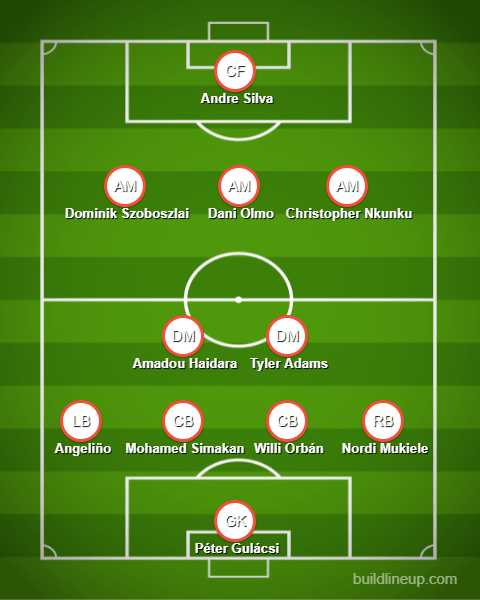
How RB Leipzig could line-up under Jesse Marsch

5 creative midfielders Arsenal MUST consider to address final third issues

5 creative midfielders Arsenal MUST consider to address final third issues

The new Premier League season kicks off this weekend, and Arsenal still haven’t addressed their pressing need of acquiring an elite attacking midfielder armed in providing them with the creative abilities to take their game under Mikel Arteta to the next level.

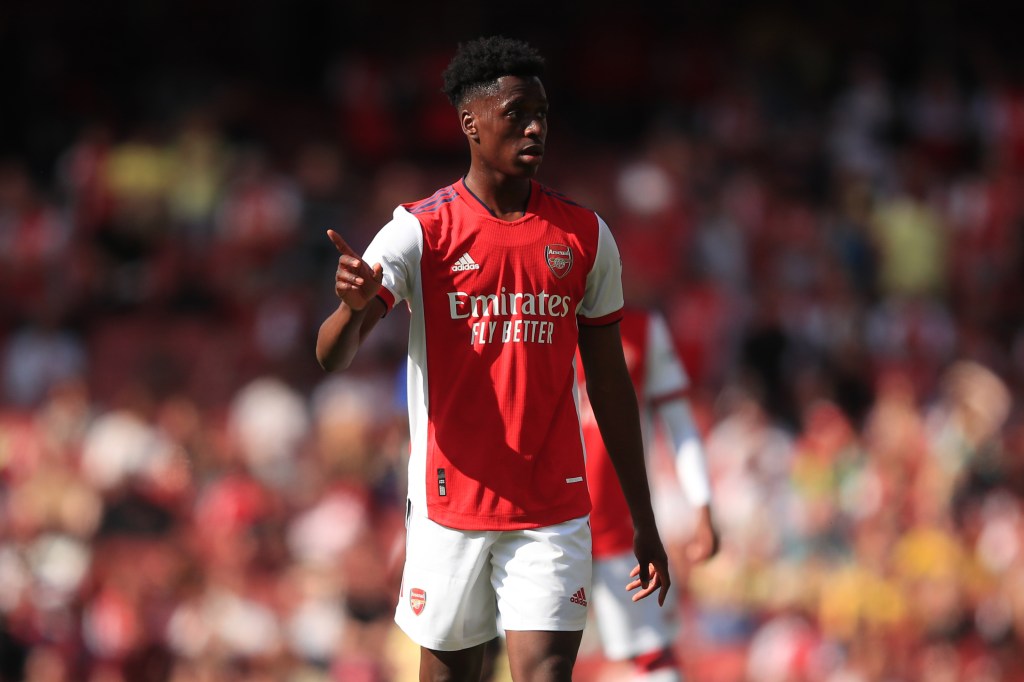
Their pre-season friendly defeat to rivals Tottenham Hotspur was a game which showed a lot of promise, especially the new signings Ben White and Albert Sambi Lokonga who both put in dominant and assured performances as they continue the acclimatization into their new surroundings.

(Photo by Marc Atkins/Getty Images)

However, it was a game which looked all to familiar for Arsenal’s supporters, a lot of nice intricate passing around the final third without some real penetration to complement it. Emile Smith-Rowe has been a lovely sight for Arsenal fans, and a welcome one too. A very talented and fresh addition straight from the academy, but he cannot be relied upon to drive Arsenal into that brand new era, its too much responsibility and weight on his shoulders.

Both he and Bukayo Saka need help in those areas.

How the Gunners need the qualities of Mesut Ozil (in his prime), Cesc Fabregas or even Santi Cazorla again, players who were blessed in creating the unthinkable.

You hand them the ball in those dangerous areas, and its as if time stands still. That’s what Mikel Arteta needs right now, its what Arsenal need in order to challenge for those top four places again, or to go even further.

Arsenal are arguably in the same position Manchester United were before January 2020, lacking that incision and precision in the final third before they went out and ferociously addressed that burning desire, signing Bruno Fernandes from Sporting Lisbon. Since then, Ole Gunnar Solskjaer’s fortunes as Manchester United boss has dramatically changed – they’re on the upward curve.

Mikel Arteta needs to go out do the same, regardless of the potential risk and cost. Leicester City’s James Maddison is reportedly a top target, however Brendan Rodgers is in no pressure to sell and it would take in the regions of £70m to prize him away from the King Power.

It is a costly risk, one which could very much address Arsenal’s pressing need. Maddison is indeed one of the Premier League’s most reliable creators, especially in those final third areas, as shown above. But, Leicester City are unlikely to sell one of their most prized assets, especially so close to the start of the new season, and without a readied replacement.

Alternatives will need to be considered at the Emirates, quality ones too. So here’s a few cheaper, more attainable and arguably more acquired tastes that could blend in with Arsenal’s game perfectly:

Daichi Kamada, Eintracht Frankfurt

Arguably the best performing Asian footballer in Europe over the past year. Eintracht Frankfurt’s Japanese magician Daichi Kamada is a stunning footballer, an efficient workhorse and a creative maestro.

Have a look at Frankfurt’s attacks and you’ll see how pivotal Kamada is, he is at the centre of almost everything.

His movement, the positions he picks up, the space he occupies and the passes he delivers is simply sublime and a testament to his extraordinary understanding and nous when it comes to creating chances for his teammates.

The Japanese international may be something of an unknown quantity to some Arsenal supporters, but he’s a player who currently deserves some rich acclaim and attention right now.

5 goals and 12 assists in the Bundesliga last season, as Frankfurt narrowly missed out on an unprecedented Champions League place on the last day of the season. However, it was a stunning campaign for the club and for Kamada personally, and the Japanese is sure to be on a number of top club’s list of targets this summer.

Mikel Arteta would do exceptionally well to consider targeting the source of Frankfurt’s goals.

Kamada is one of those players who manages to be technically impressive without being flamboyant. Carries the ball neatly, with some sumptuous little touches and swift shifts in direction, and he exploits passing angles and lanes in the attacking third in a way that’s so clever, intricate but unusual.

He’s a unique player, and another one who deserves to test himself at the highest level. 2.90 final third passes, 1.8 key passes and an astonishing 4.05 shot-creating actions per 90 highlights his incredible efficiency and effectiveness in the final third. Kamada has so much to offer, not only in his skill, tenaciousness and technical qualities but in his application and willingness to learn and improve.

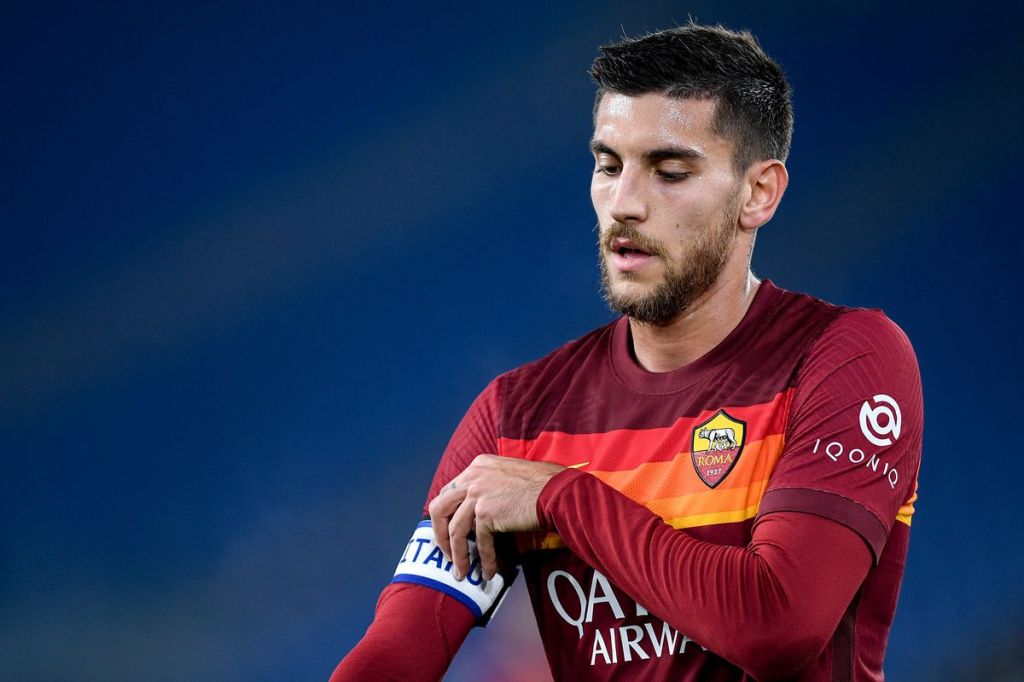
Lorenzo Pellegrini, AS Roma

Yet another uniquely gifted midfielder who surprisingly still graces the Stadio Olimpico.

Lorenzo Pellegrini is a Champions League-quality midfielder, who deserves to be playing at the highest level for one of Europe’s most prestigious clubs. It’s a shocking surprise that no top club in Europe has managed to trigger his relatively low release clause which stands at around €30million.

Lorenzo Pellegrini would represent an outstanding acquisition for Mikel Arteta simply because of his devastating abilities in the final third. Pellegrini is a creative magician, a technically savvy orchestrator.

The 25-year old would be Arsenal’s very own ‘Bruno Fernandes-type signing’. A player who will fit in swiftly and seamlessly without no bedding-in period, without no teething issues because he is simply that intelligent, classy and decisive.

Traditionally an attacking midfielder, Lorenzo Pellegrini holds all the tools necessary to play anywhere across the midfield. As a deep-lying no.6, a roaming no. 8 and a play-making, creative no.10.

In Paulo Fonseca’s system, he played the attacking midfield role, as a no.10 in their 4-2-3-1 shape or 3-4-2-1, operating just behind Edin Dzeko.

This role allowed him to become the team’s main source of creativity and a hub in which every attacking player can link with. While teams in the current age, have their main creative hubs in the deep-lying positions in front of the defence, Roma’s orchestrator is Lorenzo Pellegrini at no.10.

As well as possessing the qualities to perform in a traditional no.10 role, he’s a more unorthodox attacking midfielder, regularly drifting into the wide areas or half-spaces. It keeps defensive midfielders and the back-line guessing, also causing a state of disruption and panic in their defensive shape.

Arsenal regularly deploy the 4-2-3-1 shape, in which Pellegrini could easily slot in behind the lone frontman. It could well mean Pierre-Emerick Aubameyang returns to the role up-front, simply because of Pellegrini’s superb ability to pick the unthinkable eye-of-the-needle passes.

The Italian would have been another key figure for European Champions Italy this summer had he not picked up an injury just before the tournament got underway, but he’s a player many cannot ignore.

2.18 key passes, 3.98 final third passes, 4.36 progressive passes and 1.42 passes into the 18-yard box per 90 just highlights Pellegrini’s astonishing abilities to dissect opposition defences at will. A no-brainer acquisition for Arsenal.

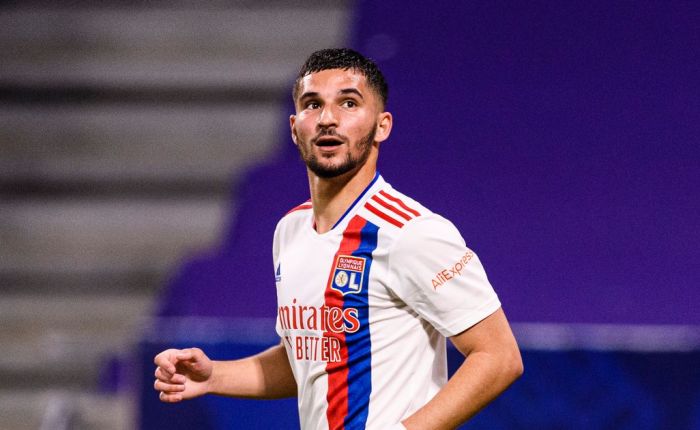
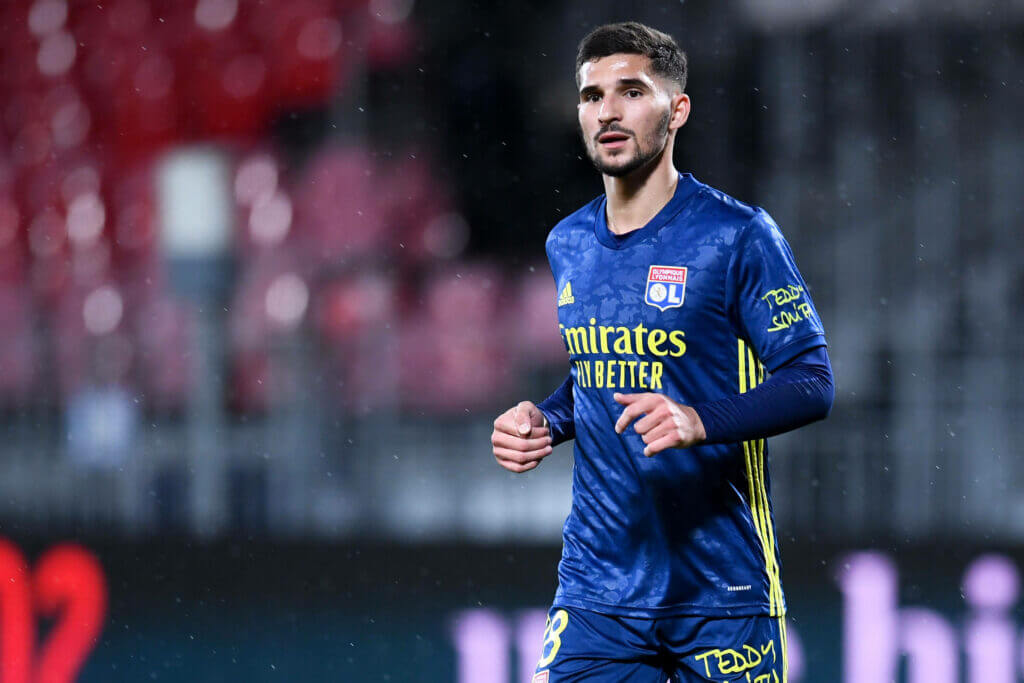
Houssem Aouar, Lyon

How Houssem Aouar is not on Arsenal’s list of priorities to fill that no.10 position is simply baffling, even to the Arsenal faithful. It may well be in part because of his latest disciplinary issues at Lyon, however, it is clear the player desires a new challenge elsewhere and Lyon are indeed resigned to losing him in the the near future.

It is an opportunity Arsenal cannot afford to pass up on. Houssem Aouar is a player blessed with such extraordinary technical qualities.

A meticulous ball-player, harnessing the uniqueness of when to hold on to the ball, and when to release it. His amazing sense of gravity and close control means its difficult for his markers to have an understanding of where he’s going or when to dispossess him.

Mikel Arteta craves a player who goes about performing risks in the final third, or taking people on to create space for himself and his forwards. Aouar possesses those unique qualities. He averaged 7.00 progressive carries and 2.47 carries into the final third last season, better than all of Arsenal’s attacking options.

The midfielder also holds such fantastic spatial awareness and capacity to switch directions in an instant. If he finds there’s nowhere to go when dribbling, he’ll instantly change direction with a swift drop of the shoulder and such crisp close control.

Whenever, the ball is at Aouar’s feet, his teammates know something special is about to happen especially within the attacking third. Per 90 last season, he averaged 6 passes into the final third meaning he plays risky passes with such considerable regularity. Stats serving as a true indication as to his incredible expertise in creating chances, further shown through his 5.10 shot-creating actions per90 too.

The 23-year-old only recorded three assists in Ligue 1 last year which is very surprising considering his invention and imagination in the final third, but he’s importance and influence in those areas for Lyon were very stark.

As soon as he picks up the ball, he already has a picture of what he’s going to do, whether to dribble past opponents, or dissect an eye of the needle pass to his forwards. No matter the amount of opponents around him, Aouar holds the balance, silky footwork and quickness of thought required to conjure up magic despite being under pressure.

His ball-carrying capabilities could prove vital to Arsenal’s system, allowing them to get out of trouble but most importantly in creating opportunities and openings in the final third.

Houssem Aouar is also a meticulous and imaginative number 8, and if 4-3-3 really is Arteta’s preferred formation then the French international will potentially fit in seamlessly.

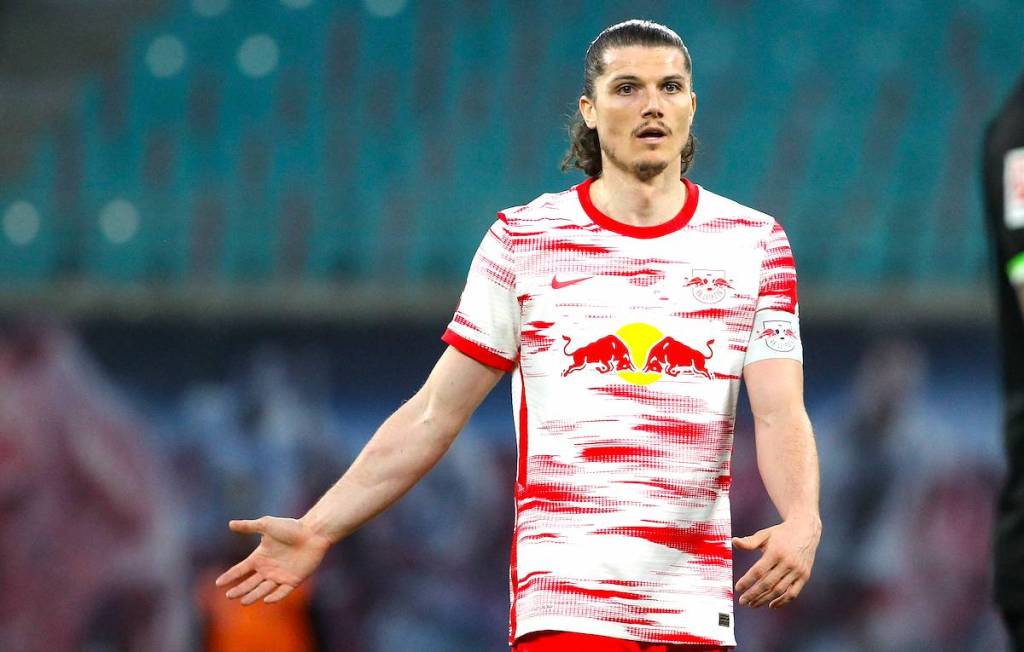
Marcel Sabitzer, RB Leipzig

RB Leipzig’s new coach Jesse Marsch admitted that midfield dynamo Marcel Sabitzer’s future will lie away from Leipzig in the near future, and considering the price the Austrian is currently valued at, Arsenal would do very very well in recruiting his services.

The 26-year-old is available for a cut-price deal at just €18million, an extraordinary bargain, and whoever captures him could well be rewarded with the ‘smartest buy of the summer’ gong.

Marcel Sabitzer is a wonderful midfield performer, but a very orthodox one. To the eye, he’s your regular midfielder who is energetic, technically very good and has a good eye for the pass, but what stands him out so well is that he performs such roles with great application, professionalism and a real cutting edge that even the best teams on the continent would kill for.

He’s very versatile, capable of playing at no.10. at no.8, as a no.6 or even as a left-winger. Sabitzer is so good to watch. No matter where you put him on the pitch, he’ll give you his best.

Capable of cutting defences with such unerring vigour and precision, also capable of running at defences, linking well with his teammates and also holds the unique qualities of picking out the top-corner from all of about 35-yards. He is a jack-of-all-trades type player, and its no wonder new Bayern Munich boss Julian Nagelsmann is so desperate to reunite with him, after possessing his qualities for Leipzig.

Not only will be brilliant for Bayern Munich, who also desperately need his services but he’d be brilliant for Mikel Arteta. He’s very cheap, attainable and arguably a better player than James Maddison – more consistent in fact. The midfielder averaged 5.38 passes into the final third per90 despite playing in a variety of positions under Nagelsmann, but that owes to his tremendous technical acumen in creating chances no matter where he is on the pitch. Sabitzer also averaged 2.13 passes into the 18-yard box and an outstanding 7.07 progressive passes per 90.

He is not afraid in conjuring up the most outrageous, if you need any evidence, just check out his extraordinary assist for Austria at the Euros, setting up Stefan Lainer with a ridiculous long-raking pass.

It’s that sort of audaciousness in the final third that Arsenal so desperately crave.

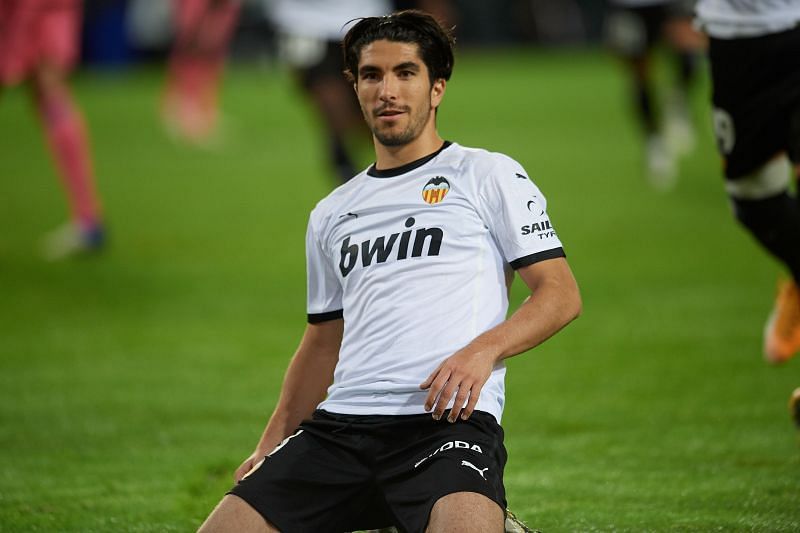
Carlos Soler, Valencia

Mikel Arteta will almost certainly be silly if he doesn’t try and recruit a player who is his splitting image on the pitch; Valencia’s Carlos Soler.

Valencia’s creative orchestrator has been due a big move for a long while and Soler is a player ready for the big leagues.

The club are in a bit of a free-fall right now both on the pitch and off it, and are reportedly willing to listen to offers for some of their big names at cut-price deals.

If that is indeed the case, Arsenal should roll the dice and prioritize the signing of Carlos Soler. A tremendously consistent performer, even if his club isn’t registering the points they need.

It’s clear Soler deserves a club who matches his qualities and ambitions. He’s simply too good a player to not be performing on the biggest stages in Europe, whether that is Europa League or the UEFA Champions League.

Despite Valencia’s struggles last season, Soler still managed an astonishing 11 goals and 8 assists in La Liga highlighting his significance to the team, but also his extraordinary abilities.

A wonderfully gifted midfielder who always gives his all in every match he’s involved in. Soler is incredibly versatile too, capable of playing at no.10, no.8 on the flanks and a deep-lying orchestrator, he’d offer so much variation and tactical flexibility when needed.

Soler is as creative as all of the names on this list, providing eight assists last year. He is simply a superb player to watch, and has been on Arsenal’s radar before. He outperformed his expected goals and expected assists, as well as providing 0.26 assists per 90 minutes which means he is one of Europe’s most consistent creators. 1.45 key passes and 5.20 final third passes only highlights his efficiency and nous in those dangerous areas.

Where Valencia would be without Carlos Soler is a matter for another day, but it is about time he moves on from the Mestalla and embarks on a new challenge elsewhere.

Arsenal could certainly prove the most telling environment for him to thrive in.