
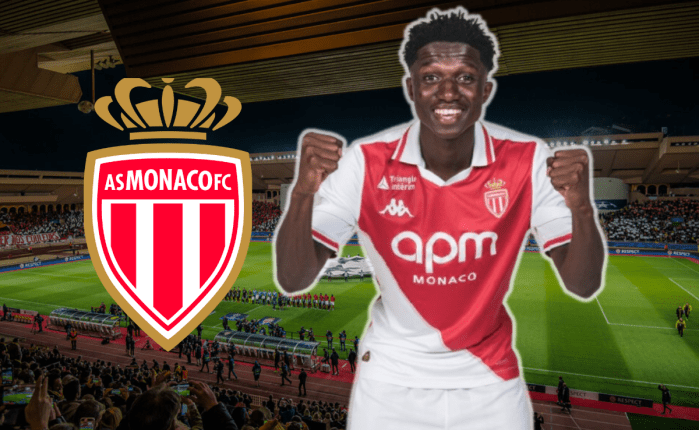
The Senegal national football team is currently undergoing a transformation following their victory in the African Cup of Nations in 2021.
Since then, Senegal has faced a mix of successes and setbacks. In the 2022 FIFA World Cup in Qatar, they were placed in a tough group with the Netherlands, Ecuador, and Qatar, managing to win two out of three group matches.

However, their journey ended in the Round of 16 with a defeat against England, marking a bittersweet conclusion to their campaign.
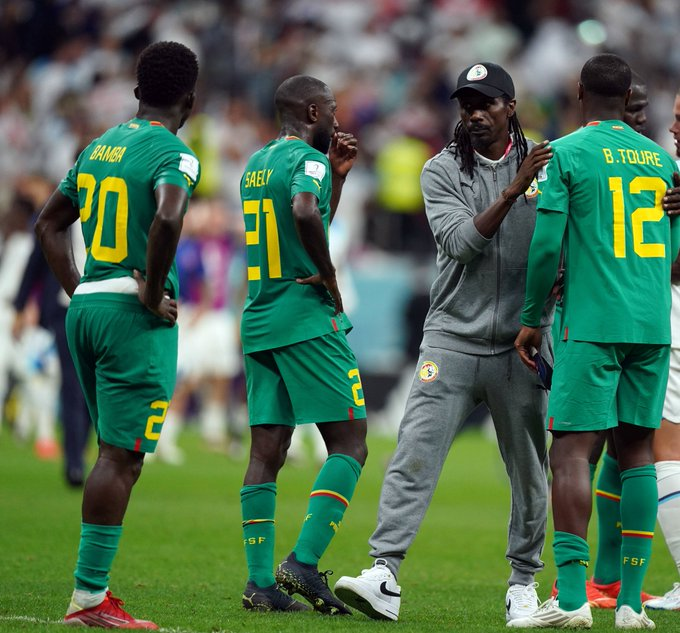
Although they exited the tournament at the knockout stage, the performance was commendable and instilled pride in Aliou Cissé and his squad. Expectations were high as they approached the 2023 Africa Cup of Nations, with many anticipating that they would advance to the later stages once again.
Unfortunately, their campaign took an unexpected turn when they were eliminated in the Round of 16 by the Ivory Coast. The match went to penalties, and despite their earlier promise in the tournament, they were unable to overcome the eventual champions. This early exit was a disappointing surprise for a team many expected to go far.
This transformative period has led to significant shifts in team dynamics and player development. Alongside these changes, a notable managerial transition has occurred, culminating in the departure of Aliou Cisse (BBC Sport), who was at the helm for nearly a decade.
His tenure brought both challenges and triumphs and now, the team embarks on a new chapter, seeking to redefine its identity and direction.
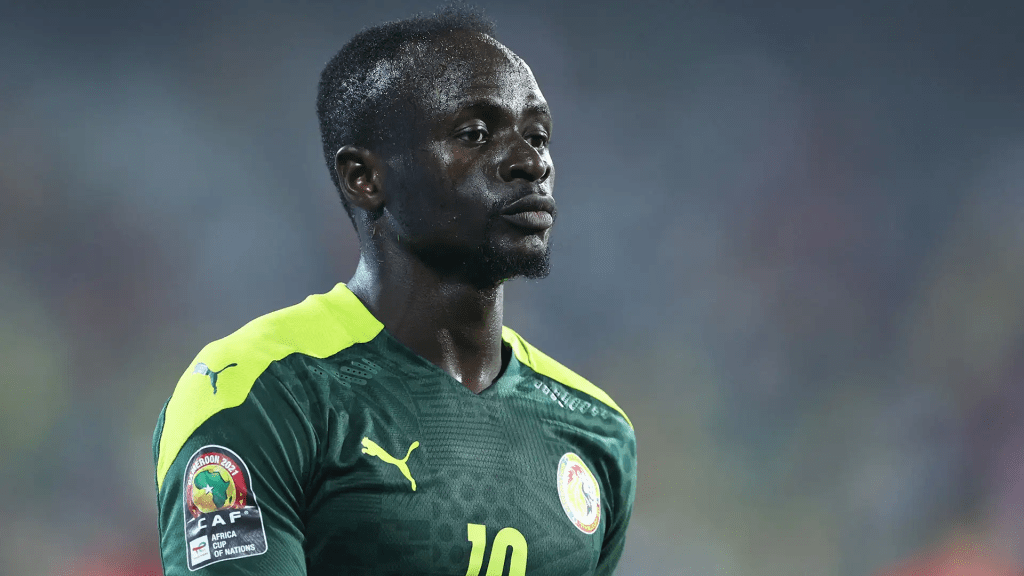
To do that, the squad needs a major overhaul with players such as Sadio Mane, Idrissa Gueye, Nampalys Mendy and Abdoulaye Seck into their twilight years.
Excitingly, this transformation is already in motion. A wave of young and talented players is emerging, showcasing their skills at prominent clubs across Europe. These rising stars are not only making their mark at club level but are also being integrated into the national team, earning their place on the international stage.
Among them, Lamine Camara, the dynamic midfielder from AS Monaco, has begun to capture attention with his impressive performances and growing reputation.
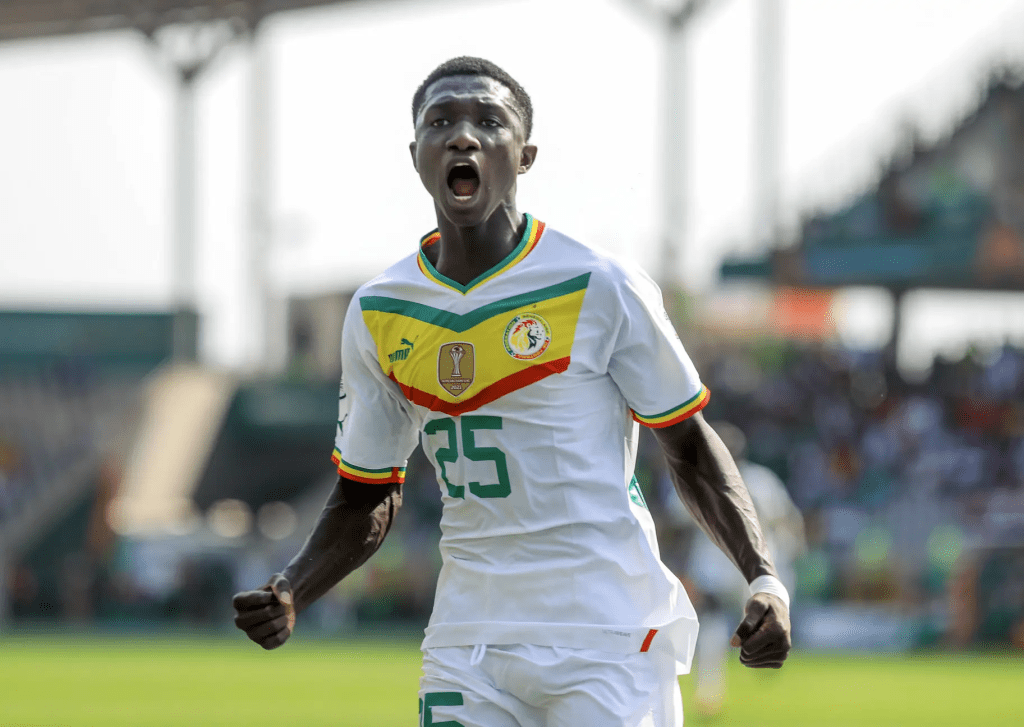
At 20 years of age, Camara has already taken the footballing world by storm on Africa’s biggest stage. His breakout moment came at Senegal’s AFCON triumph in 2022 where he not only claimed the Best Young Player of the Group Stage but also orchestrated the winning penalty in the final, earning him the Man of the Match award.
His tremendous upward trajectory didn’t stop there. He also won the 2023 U-20 Africa Cup of Nations title and earned the 2023 CAF Young Player of the Year award.
Such recognition rewarded him with a move to French Ligue 1 outfit AS Monaco from FC Metz for a transfer fee of €15 million (£12.6m) where he enjoyed a stellar 2023/24 campaign, registering two goals and five assists.
Beyond these statistics, he captivated fans and analysts alike with his remarkable presence in midfield. He combined technical finesse—displaying skilful dribbling, precise passing, and sharp vision—with a robust and tenacious demeanour, marking him out as one of Senegal’s most unique and complete midfield profiles to emerge from the scene over the last decade.
AS Monaco has built a reputation for its strategic approach to the transfer market, effectively identifying and acquiring talented players for modest fees and then selling them for significant profits. Given this track record, it is likely that Camara will not stay at the Louis II Stadium for an extended period. His impressive skill set and potential have attracted the attention of numerous elite clubs across Europe.
As a result, the competition for his services is heating up, suggesting that a transfer may be on the horizon sooner rather than later.
WHO IS LAMINE CAMARA?
Lamine was born in Bignona, located in the south-west of Senegal, where his love for football developed at an early age. He was so passionate about the sport that he often walked around with a ball at his feet.
After convincing his father to support his passion, he began his training at Galaxy FA in Dakar and later moved to Casa Sport in his home region, where he was consistently promoted in his development.
His talent quickly caught the eye and was spotted by a well-renowned football school in the country: AS Génération Foot – a school most famous for developing Sadio Mane before his emergence on the scene.
Génération Foot, a prominent football academy based in Senegal, has established a partnership with FC Metz, a club competing in France’s Ligue 2.
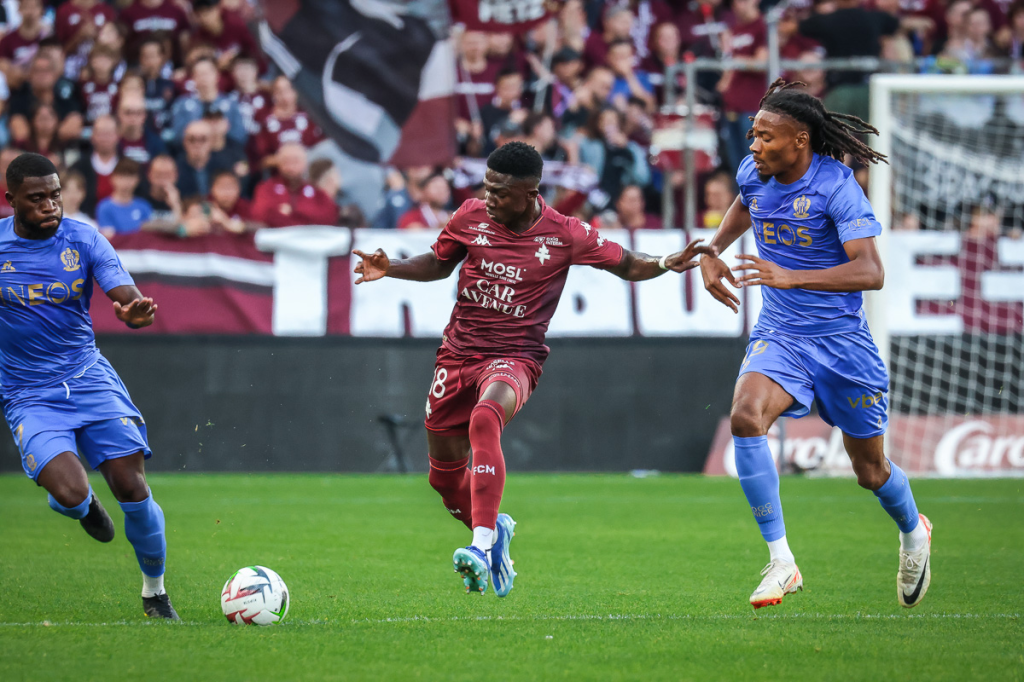
This collaboration has paved the way for young talent to transition to professional football in France. In February 2023, the opportunity arose for him to join the esteemed Lorraine club, taking a significant step in his football career and pursuing his dreams on European soil.
Camara made his much-anticipated debut for FC Metz toward the latter part of the 2022/23 season, entering the match as a substitute in a commanding 3-0 victory against Bordeaux. This initial appearance marked the beginning of his journey with the club, showcasing his potential to contribute to the team’s success.
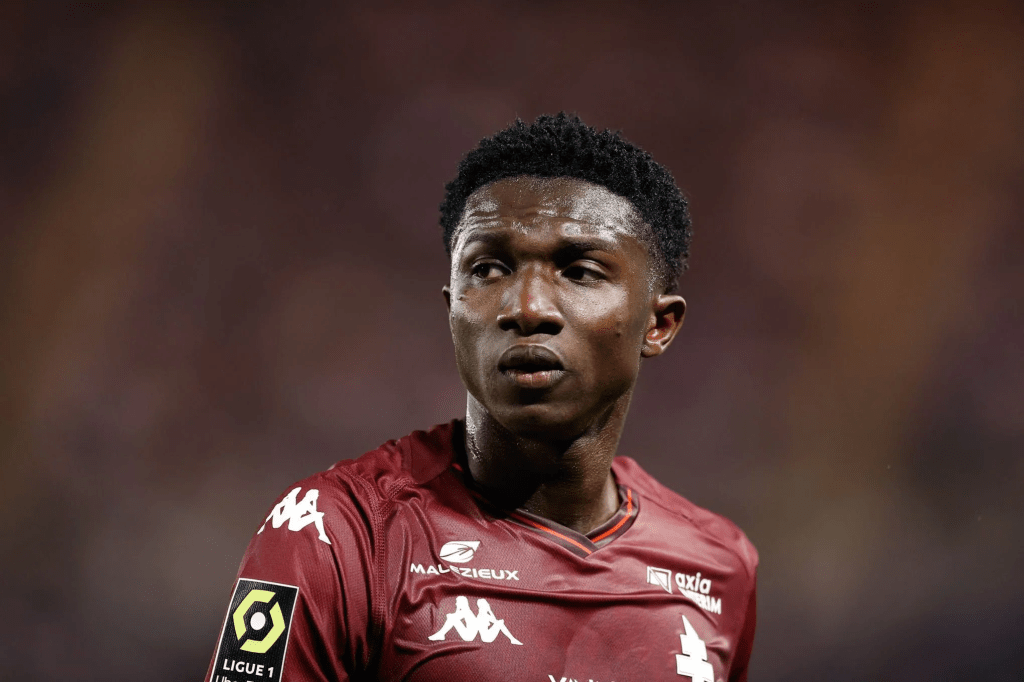
During the subsequent season, Camara solidified his position within the first team, demonstrating his growth and skill on the field.
One of his standout moments came in October 2023 when he netted his first goal for FC Metz against his current employers AS Monaco, where he executed an extraordinary long-range strike from his own half—a goal that showcased not only his technical ability but also his huge confidence on the ball.
Despite the team suffering a 2-1 defeat in that match, Camara’s goal made a lasting impression not only on Metz but Monaco who would go on to sign him for the 2024/25 campaign after appearing in 31 of 38 league games and proving a notable success for Metz despite their relegation to Ligue 2.
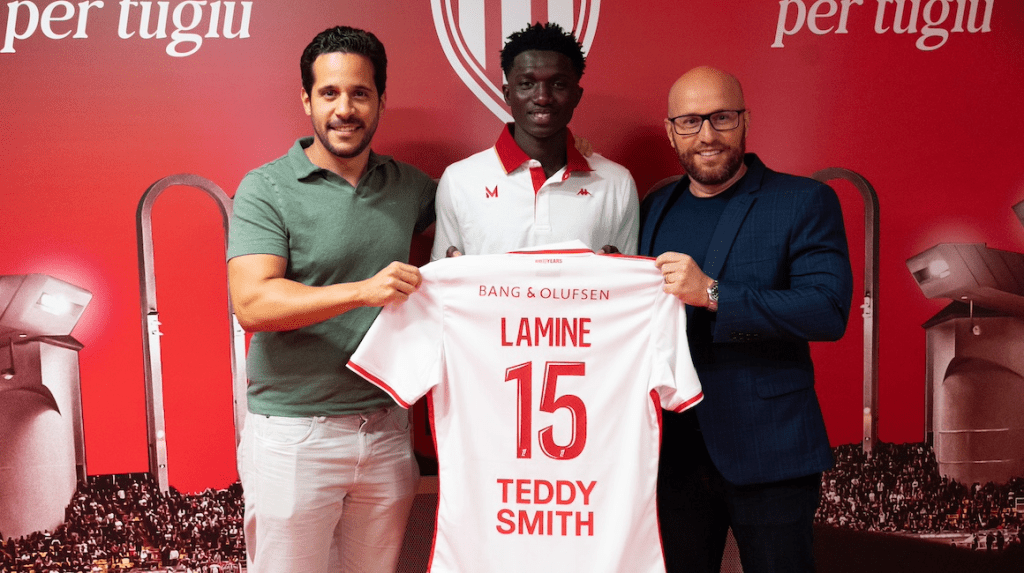
The Senegalese international has swiftly begun to leave his mark at his new club, dazzling fans and teammates alike with his impressive skills on the field. As of now, he has already netted three goals and provided one assist, demonstrating his remarkable ability to contribute to the team’s success.
He’s fast becoming a household name for Senegal too, not only establishing himself as a first-team regular but making telling contributions at the highest levels, most notably at the last Africa Cup of Nations in January, scoring twice against Gambia in their opening group game, the second an absolute pearler from outside the box in a comfortable 3-0 win for the Senegalese.
These early achievements suggest that the £12.6 million spent on his transfer could be just a fraction of his true value and might turn out to be a fantastic bargain for the club.
Furthermore, in line with AS Monaco’s strategic transfer policy, there is a growing sense of optimism within the corridors of the Louis II Stadium that Camara could eventually command a transfer fee that is three times the original amount invested, highlighting his immense potential and appeal in the football market.
WHAT IS CAMARA’S STYLE OF PLAY?
At the age of 20, Camara is emerging as a well-rounded and sophisticated player, showcasing a level of completeness in his game that is often hard to find among athletes of his age.
He is incredibly versatile, capable of performing roles as a combative #6 in a pivot, a swashbuckling and dynamic #8 or even as a creative and imaginative outlet in the same role.
He combines an impressive work ethic and industry with technical prowess and exceptional physical attributes. This combination makes him an invaluable asset to any team, whether they prioritize maintaining possession of the ball or preferring to utilize a counter-attacking strategy.
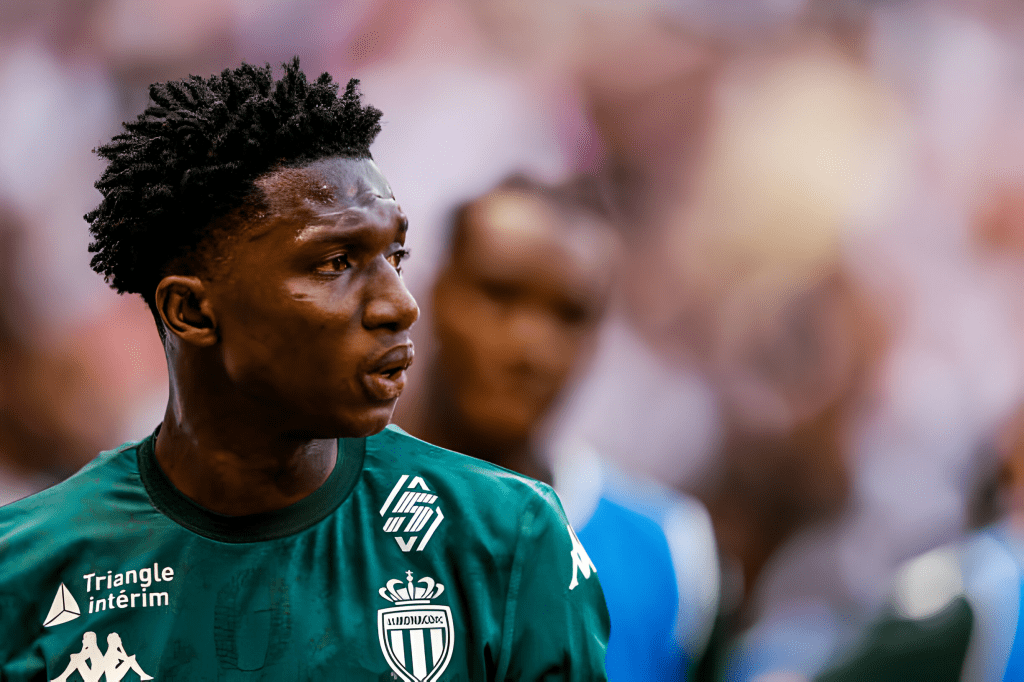
It’s why he became a key figure for FC Metz throughout his time at the club but already in a more advanced style of play and environment at AS Monaco, he’s thriving due to his tremendous tactical understanding and intelligence.
His versatility shines through in various match scenarios, demonstrating that he is comfortable in both controlling the tempo of the game and adapting to more dynamic situations.
Having already earned 23 caps with the Senegalese national team, Camara has proven his ability to compete at higher levels, reflecting both his individual talent and his capacity to contribute to his team’s success in any context.
Defensive screening, solidity & Awareness
Like during his tenure at FC Metz, Camara is strategically positioned as a crucial component of the midfield pivot for AS Monaco, usually alongside the experienced former Juventus player and Chelsea loanee, Denis Zakaria.
In this role, he is entrusted with the vital task of safeguarding the Monaco defence, acting as a protective barrier against opposing attacks. Beyond this defensive responsibility, Camara is also charged with the important duty of facilitating ball retention, even in high-pressure situations. His ability to maintain composure allows him to navigate challenges and effectively transition the play into more advanced attacking positions, providing essential support in moving the team forward.
First and foremost, his most standout quality is his defensive prowess. He is a tenacious ball-winner in the middle of the park, displaying excellent positional awareness and the ability to break up opposition attacks. His tackling is clean and effective, often winning duels without committing unnecessary fouls. He is particularly effective at intercepting passes, reading the game, and stepping in front of opposing attackers to disrupt the flow of play.
For instance, in the image below, Camara comes up against LOSC Lille’s tricky and exciting winger Edon Zhegrova out wide…
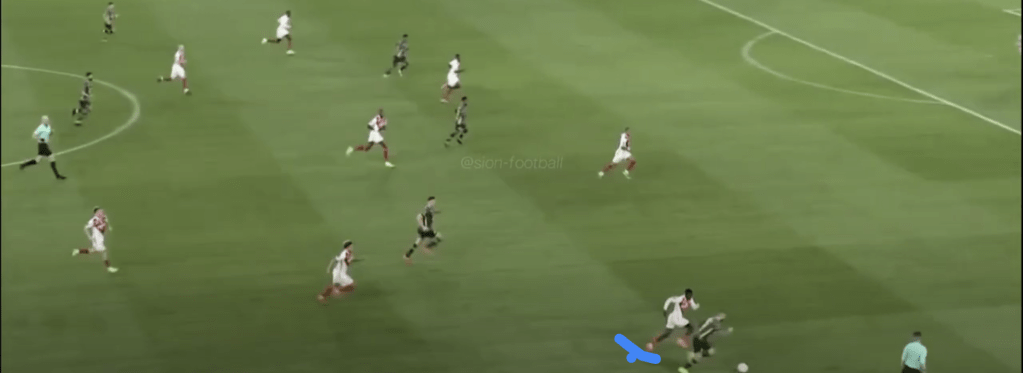
The Senegalese international does superbly well to match the Kosovan’s pace and acceleration. Where most defenders get left behind in their wake, Camara reads what the winger is going to do next…
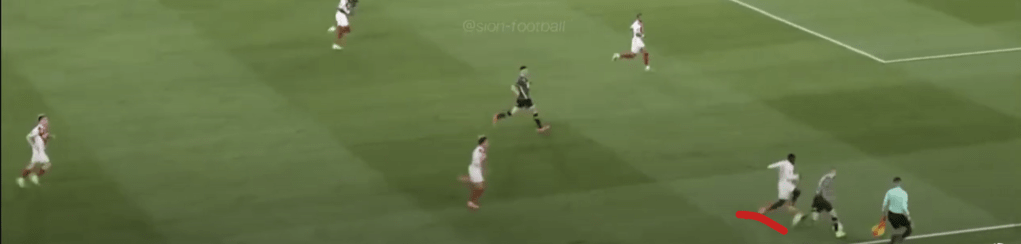
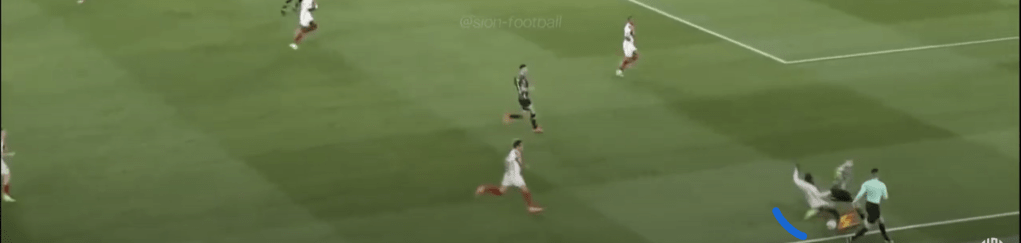
…before successfully committing himself to the tackle and knocking the ball out for a throw-in.
At just 20 years old, he stands at 6’0″, which may not make him the tallest player on the field.
However, what he lacks in height, he more than makes up for with his remarkable agility and leg reach. His long, powerful strides enable him to match the pace of even the quickest opponents, allowing him to close gaps and cut off passing lanes with ease.
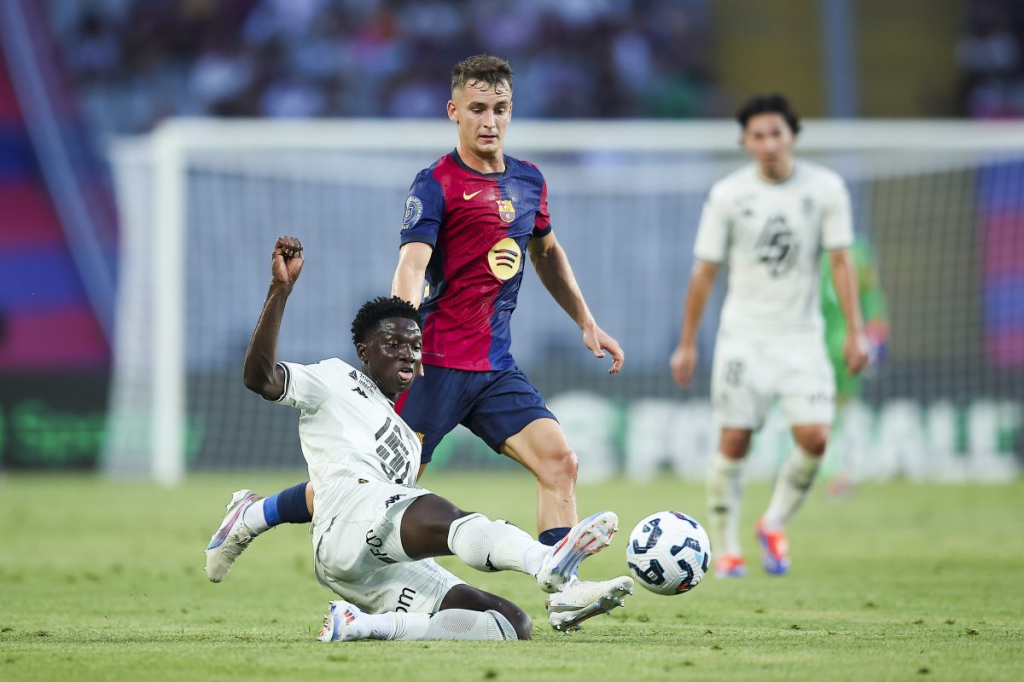
Additionally, his exceptional coordination and timing equip him to execute precise and combative tackles, effectively disrupting the flow of the game and thwarting opponents’ attempts to advance the ball. His physical presence and athleticism make him a formidable force on the field.
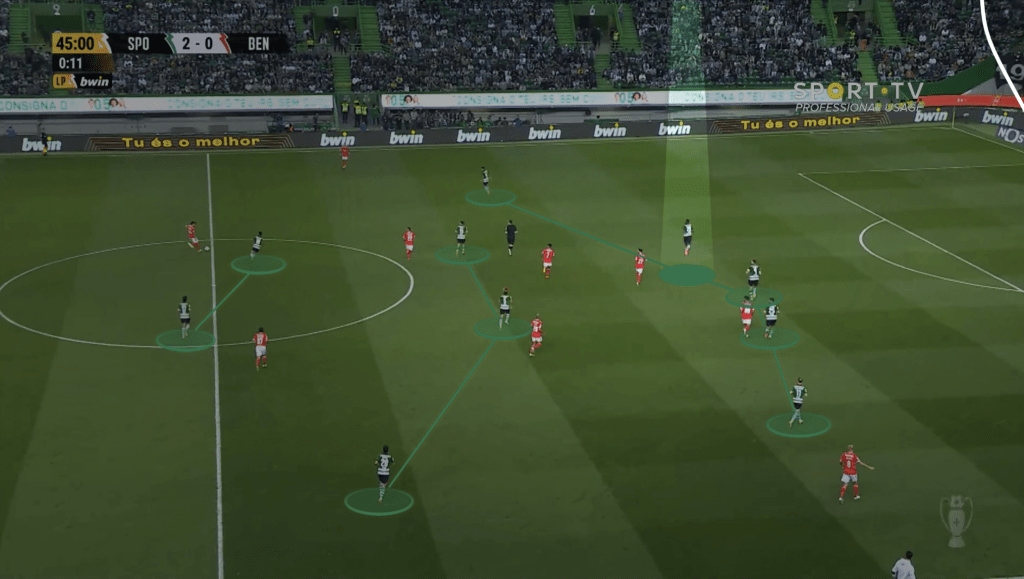
In another instance, AS Monaco’s midfield shape is stretched and one simple pass could allow their opponents an easy route to goal…
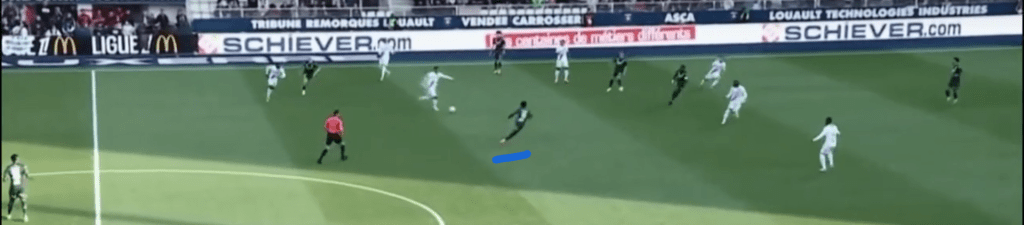
…Camara, however, positions himself excellently at the last moment…
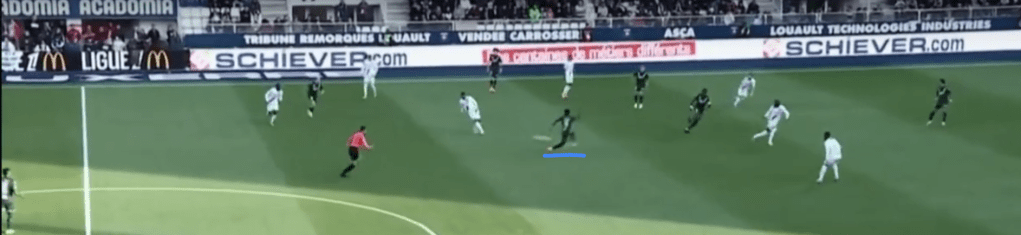
… disrupts the play…
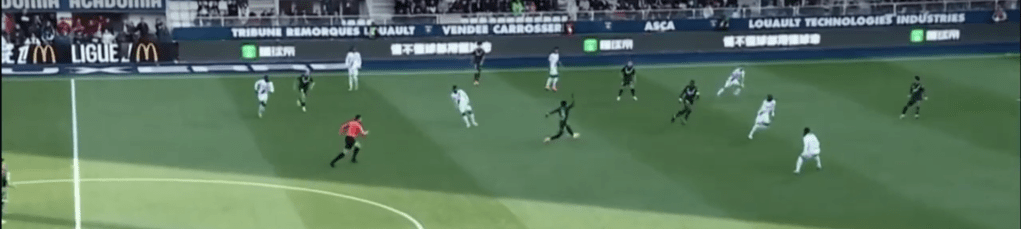
…intercepts the pass…

…and more crucially, gets his team on the attack.
The Senegalese international so far this campaign averages 3.1 tackles per game, 1.4 interceptions, 5.6 balls recovered and is dribbled past only 1.1 times per game [SofaScore] from only eight starts highlighting his all-action and combative style in the middle of the park.
Furthermore, he ranks in the top six per cent of midfield players in Europe’s top-five leagues for balls recovered per 90, the top ten per cent for tackles won per 90 and the top 21 per cent for tackles + interceptions per 90, as per FBRef.
Camara is tactically astute for his age. He knows when to press and when to hold his position, understanding his role within a defensive setup, whether it’s defending in a high press or a mid-to-low defensive block.
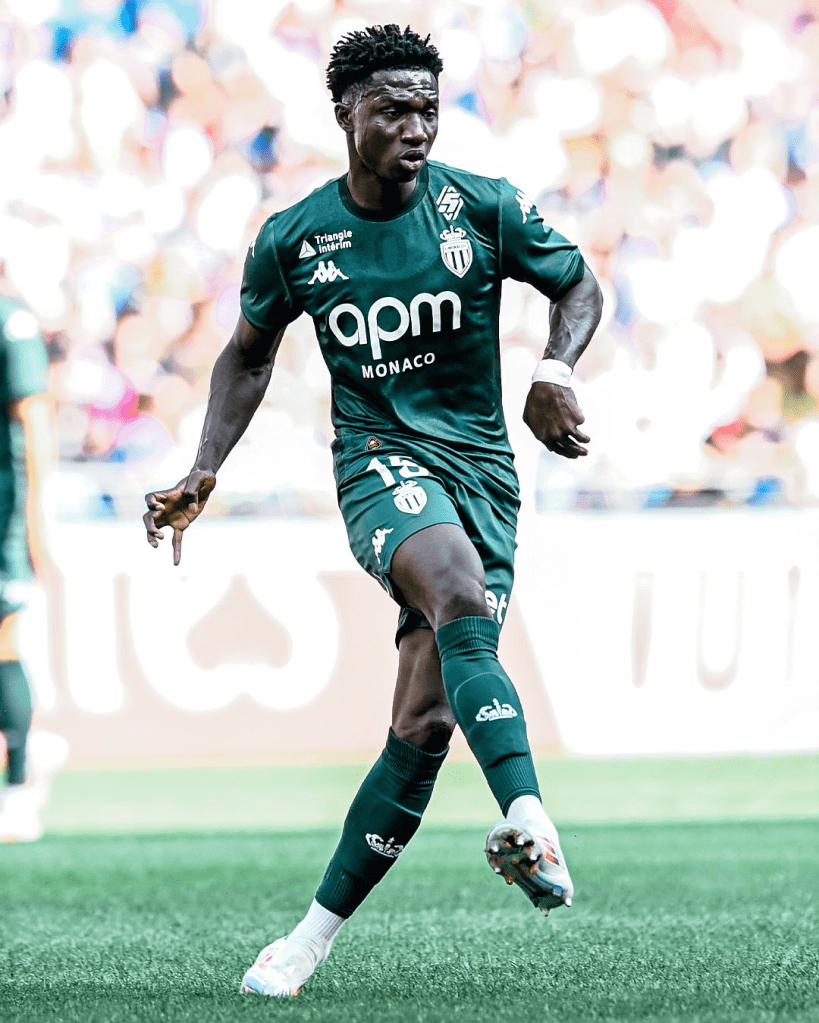
In any of those setups, it is crucially important for any team to have a midfield outlet capable of covering large spaces, is dynamic to get himself about but more importantly, to dominate his zones, having the readiness and presence of mind to anticipate the opponent’s actions.
Camara’s reading of the game allows him to predict opposition moves and react accordingly, making him a key player in Monaco’s midfield structure.
However, the Senegalese talent does tend to struggle defending wide spaces, hence why he cannot play in a lone #6 role, but a coach would certainly be nullifying his best attributes if deploying him there, he’s better when marauding forward.
Passing, poise and progression
While Camara’s standout attributes consist of him winning back possession for his team and his tremendous dynamism in midfield, his ability on the ball cannot be understated or dismissed – it is arguably his best attribute.
Camara’s ball skills are equally noteworthy; he possesses a keen vision for the game and an impressive ability to execute precise passes but only making note of his flexible and octopus limbs when it comes to his ball-winning does his physical qualities a disservice…
His dribbling confidence allows him to navigate through tight spaces, creating opportunities for his teammates and helping to maintain possession during crucial moments. This combination of attributes not only showcases his all-around midfield prowess but also emphasizes his importance as a driving force when approaching the final third.
It is why he can be an effective and influential component further forward on the pitch, as a box-to-box outlet or even as an advanced and imaginative #8.
Before we delve into that, it’s essential to discuss the evolving role of midfielders in modern football, particularly regarding their ability to control and distribute the ball during play. Today’s managers demand that midfielders be proficient not only when they are in possession but also in how they navigate tight, pressurized situations.
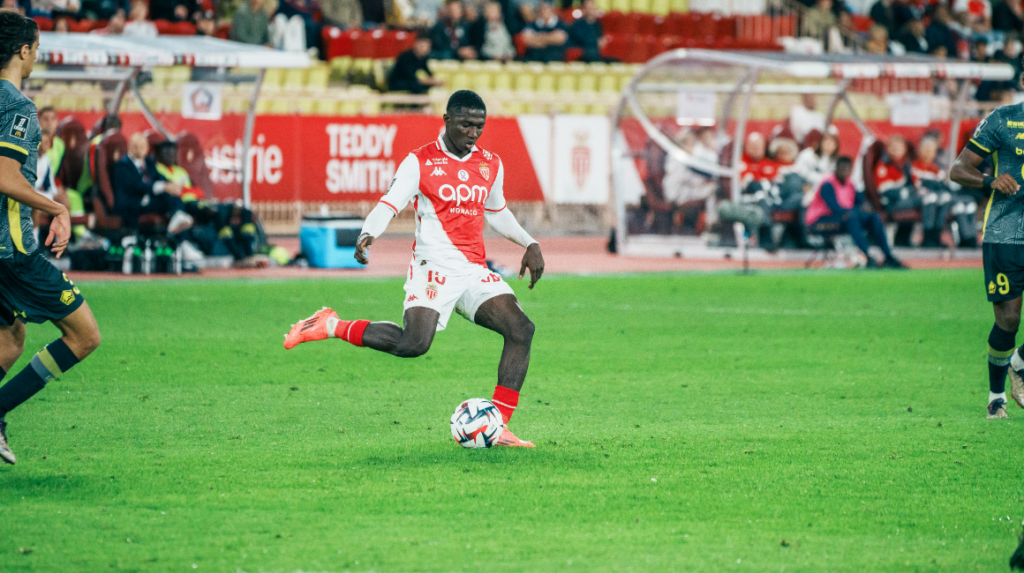
In the modern game, a midfielder’s effectiveness is often determined by their skill in receiving the ball on the half-turn under pressure or utilising bounce passes as a tool to move the opposition’s pressing structure and evade it.
The best midfielders are adept at evading defensive pressure; they utilize body feints, quick touches, and sharp footwork to slip away from opponents. Once they have evaded pressure, their next critical task is to progress the ball into attacking areas, often transitioning the play seamlessly into the final third of the field.
This combination of skills—vision, technique, and composure under pressure—defines top-tier midfielders and is vital for a team’s overall success, as it facilitates successful ball progression to create scoring opportunities through concise, imaginative and coordinated patterns of play.
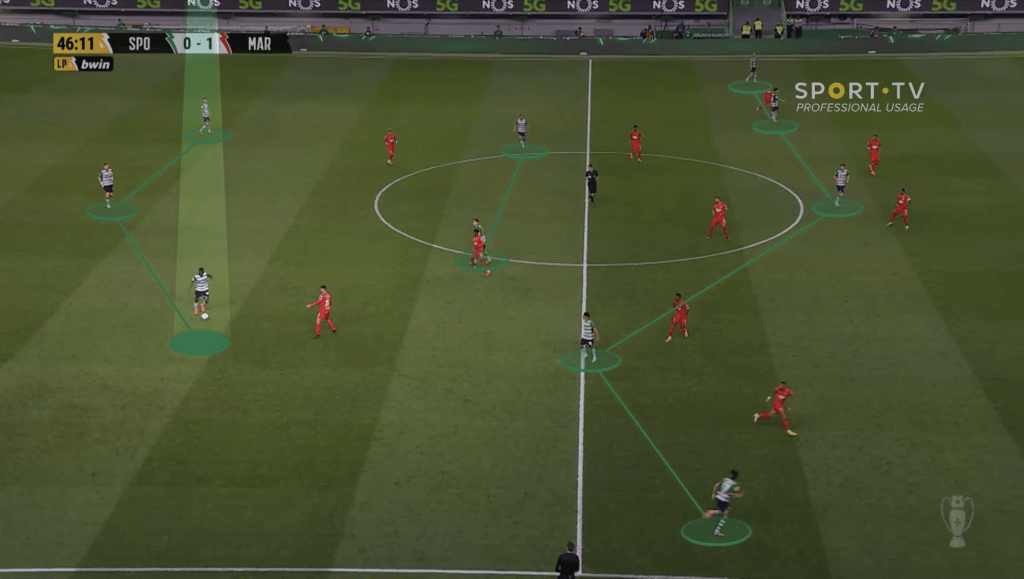
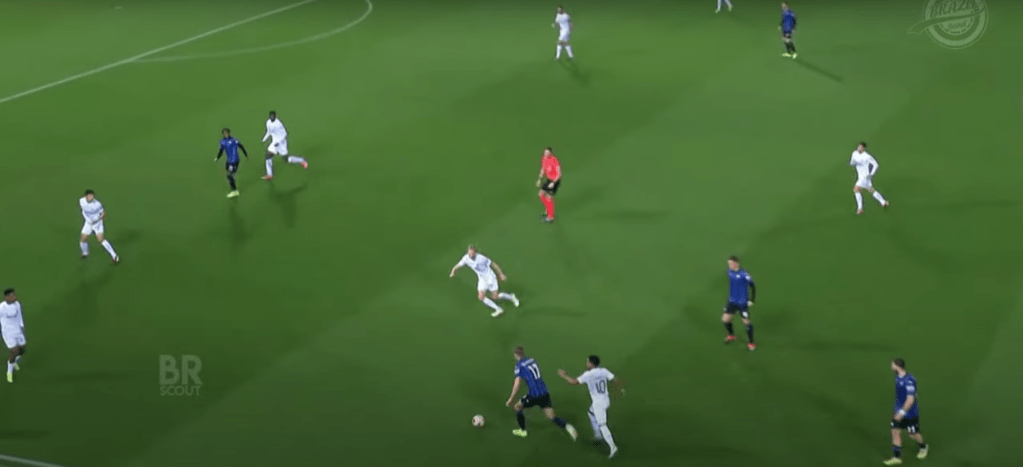
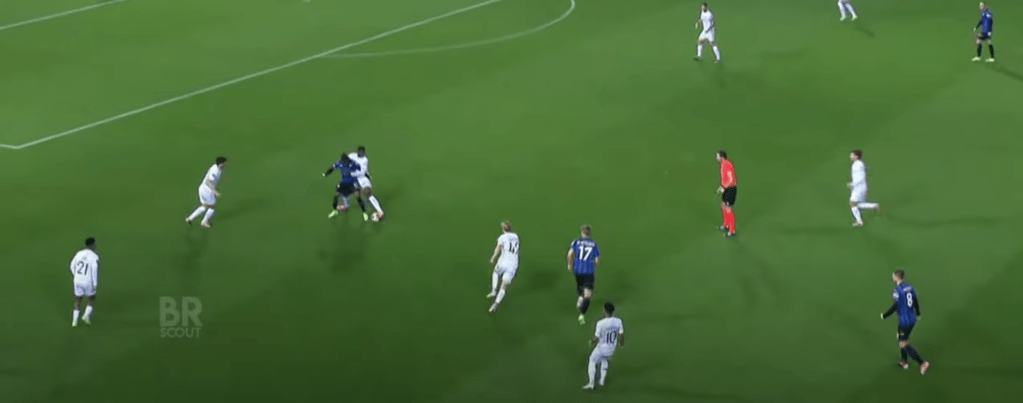
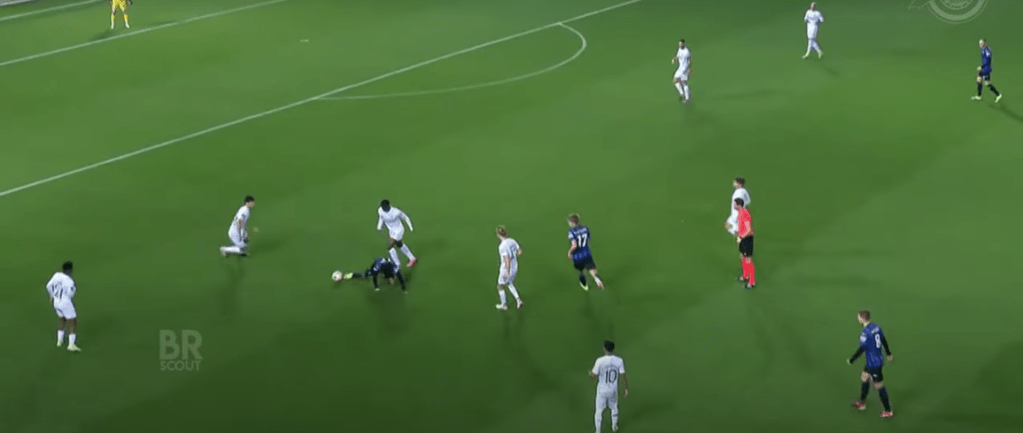
Camara is superbly adept at receiving the ball with his back to goal, on the half-turn and finding a telling pass to evade an opponent’s high-press.
As shown in the image below, Camara (BLUE) receives the ball from his defender in a pressurised scenario, with his back to goal…
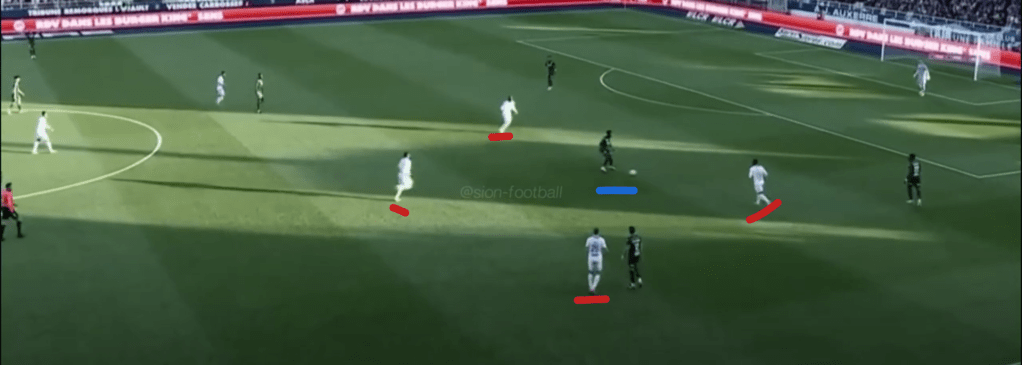
…although the opposition’s press turns out to be passive at best, Camara still has the presence of mind even when surrounded by the opposition to receive on the half-turn and progress the ball to a more advanced teammate (RED) in the middle third.
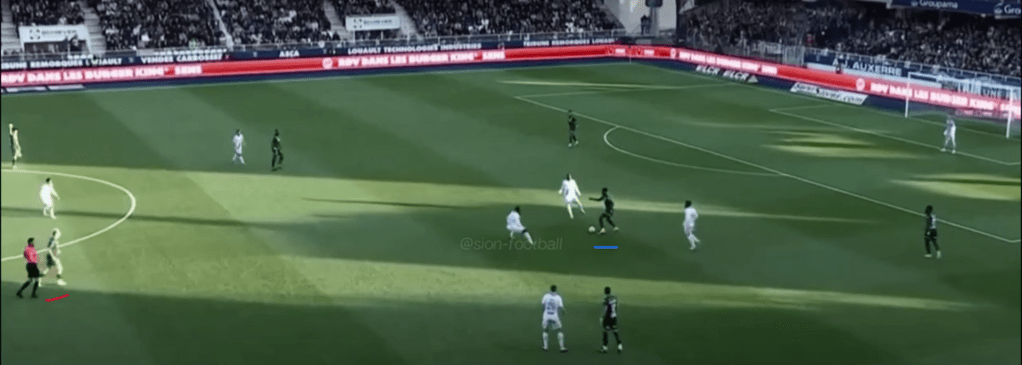
In another instance, the 23-time Senegal international uses exceptional football and body feint to evade pressure.
Camara receives a pass from his defender on the half-turn…

…faced with an onrushing opponent armed and ready to dispossess him in his defensive third and an attacker behind him.
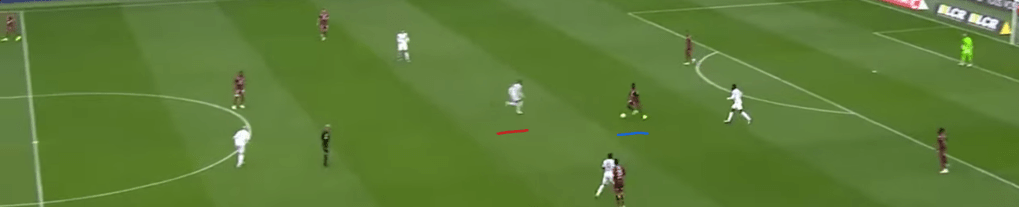
Many of his peers could be guilty of taking one too many touches in this instance, becoming hesitant and succumbing to the opponent’s press, but not the 20-year-old dynamo.
Camara drops a shoulder and feints his body to his left to fool his opponent…
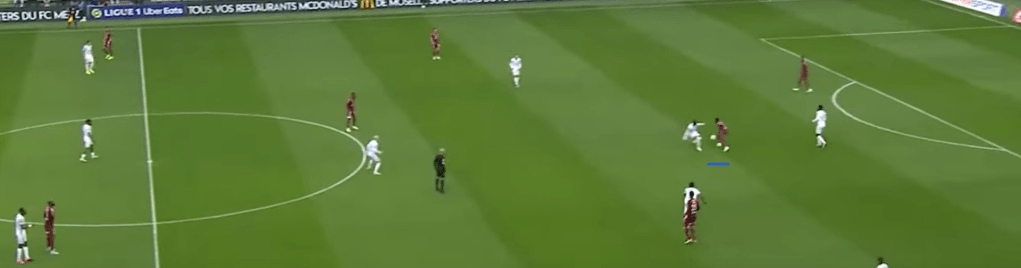
…before manipulating the ball to his right with his right foot and evading the tight scenario with tremendous ease and class.
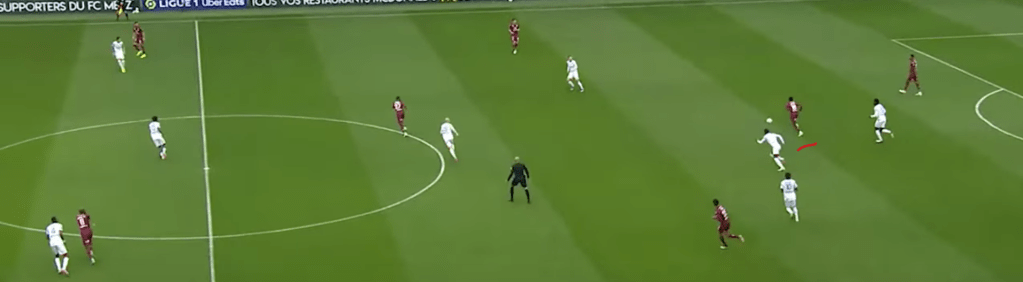
Getting out of that pressure then allows Camara to get the ball to his teammate through the lines and up against the opposition’s back four.
Camara serves as an explosive ball carrier, although he tends to sometimes be caught in possession for lack of strength when engaged, nothing that physical conditioning wouldn’t solve over time. His heat map (SofaScore) so far this season reflects his effectiveness and industry all across the pitch, as well as a willingness to engage in all phases of play.

The 20-year-old also possesses an excellent passing range, picking up the ball in space and performing long switches to locate other avenues of the attacking third and an opposition block his team can exploit.
So far this season in Ligue 1, he’s successfully completed 75% of his long balls at a rate of 2.7 per game (SofaScore). Also, as per FBRef, he ranks in the top 9% of midfielders in Europe’s top five leagues for switches per 90 highlighting his bravery in possession and the rate at which he takes responsibility for his team’s progression.
Deceptive creator
So far this season, Camara has also been a significant contributor for AS Monaco in Ligue 1, in the final third averaging 1.6 key passes per game.
This impressive stat highlights his dual effectiveness; he not only excels in the middle third of the pitch but also showcases his ability to impact the game in the final third, where his deceptively good vision and quickness of mind leads to decisive plays when creating goal-scoring opportunities.
His versatility in that respect makes him a strategic asset for the team, as he can adapt to various roles on the field. This unique skill set is particularly valuable, not just for Monaco, but also for his national team, where such a jack-of-all-trades profile is increasingly rare and desirable.
It’s no wonder Transfermarkt has also marked out another one of his positions in the midfield as a #10. We’ve already seen his qualities in the role for Senegal, showcasing his nimble and small-space qualities at the last Africa Cup of Nations, registering two goals, and averaging 1.7 key passes per game.

When getting into the attacking third, and given the license to roam into it, Camara is tremendous at finding spaces in between the opposition’s defence and midfield, threading through balls and linking up with his teammates.
In one instance for Senegal during the Africa Cup of Nations group stage fixture against fellow giants Cameroon, the 20-year-old is found in a dangerous position to exploit…
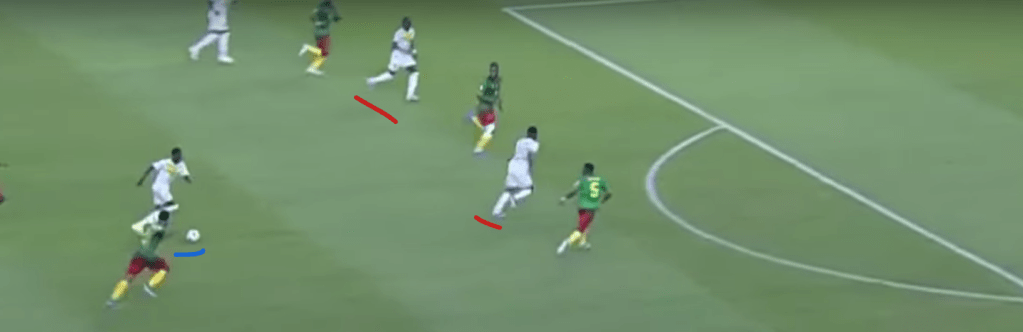
He has two options, one of them Sadio Mane on the left…
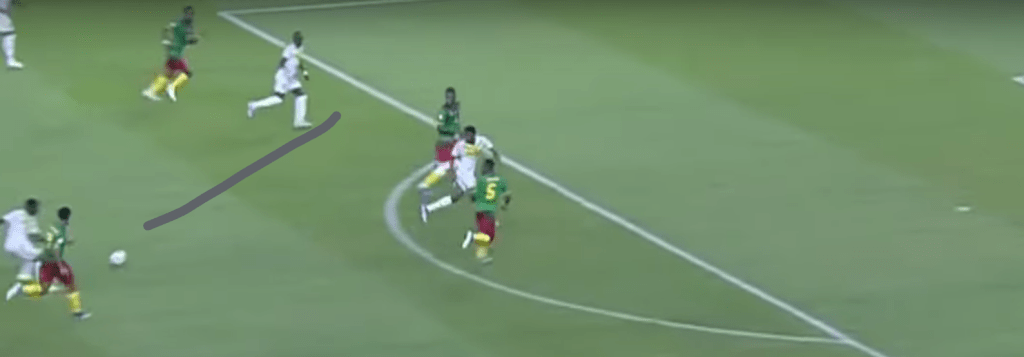
…Camara picks out the former Liverpool with a well-timed pass in space and clean through on goal…
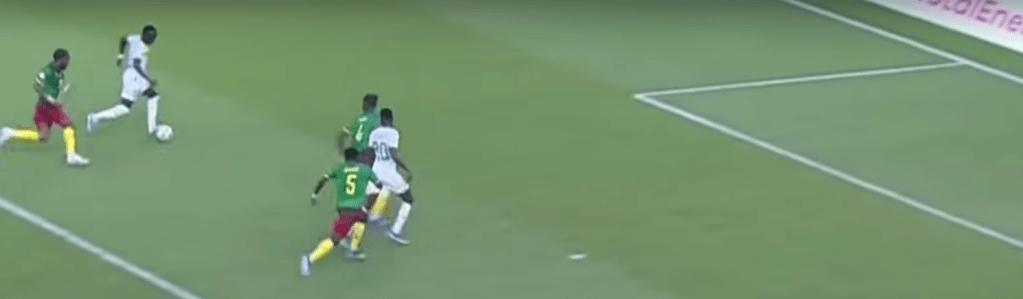
Mane fails to convert the opportunity due to good defending from Cameroon but it is a move/situation which certainly shows the quality of Camara’s decision-making at that split-second moment.
The AS Monaco dynamo is tremendous when making lambasting runs into the box or just outside it. As stated previously, he knows where to be in such situations to create goalscoring opportunities.
The first of his two goals against Gambia at AFCON is a perfect example…
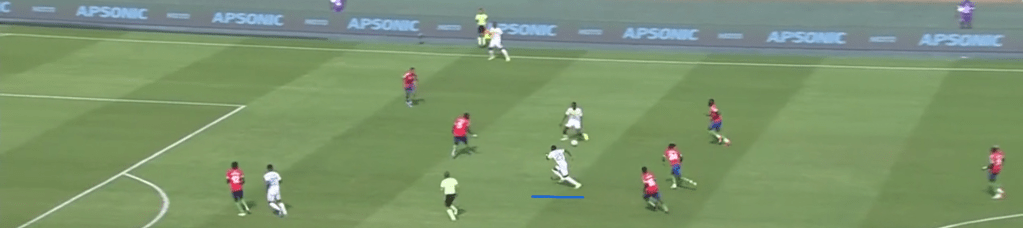
Once Crystal Palace’s Ismaila Sarr receives a line-breaking pass, the 20-year-old again has the presence of mind and awareness to exploit a gap in Gambia’s defence and makes a stunning movement to receive the pass…
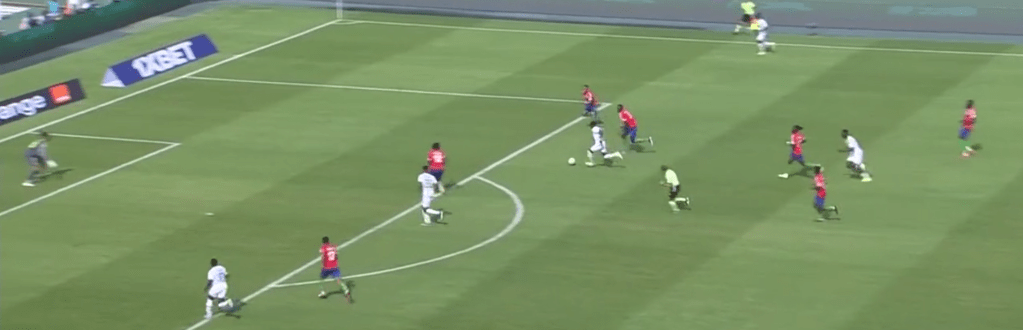
…before showcasing his tremendous ball-striking to find the bottom corner with a lovely low-piercing drive.

His second goal was even better, calling for a pass outside the D before placing a wonderful curling effort over the keeper and into the top corner.
These goals certainly show Camara has the nous and qualities to get into the right positions from his box-to-box midfield role and contribute to attacking moves, meaning he can certainly add more goals and assists to his game.
Despite the above scenarios, Camara can be guilty of some rash moments not just in the final third but deep in his own half but with fine-tuning and refined coaching, those deficiencies will certainly be ironed out in due time – it’s incredible to remember, he’s only 20 but already encompasses a well-roundness in his game that belies his tender years.
What does the future hold for Camara?
The Diouloulou-born maestro’s all-around prowess will firmly place him among the elite midfielders in the years to come, making it increasingly likely that AS Monaco will struggle to keep him after this season or even the next. This season is his first also playing elite-level football in the UEFA Champions League so his experience in that respect will take him very far.
Camara is an outstanding football operator renowned for his exceptional close control of the ball, which allows him to navigate tight spaces effortlessly – elements which aren’t known to be associated with many African footballers.
His quick thinking and ability to make decisions under pressure set him apart, enabling him to maintain possession even when faced with aggressive defending. He possesses a remarkable capacity for deception, using feints and body movements to mislead opponents, all while remaining composed in challenging situations.
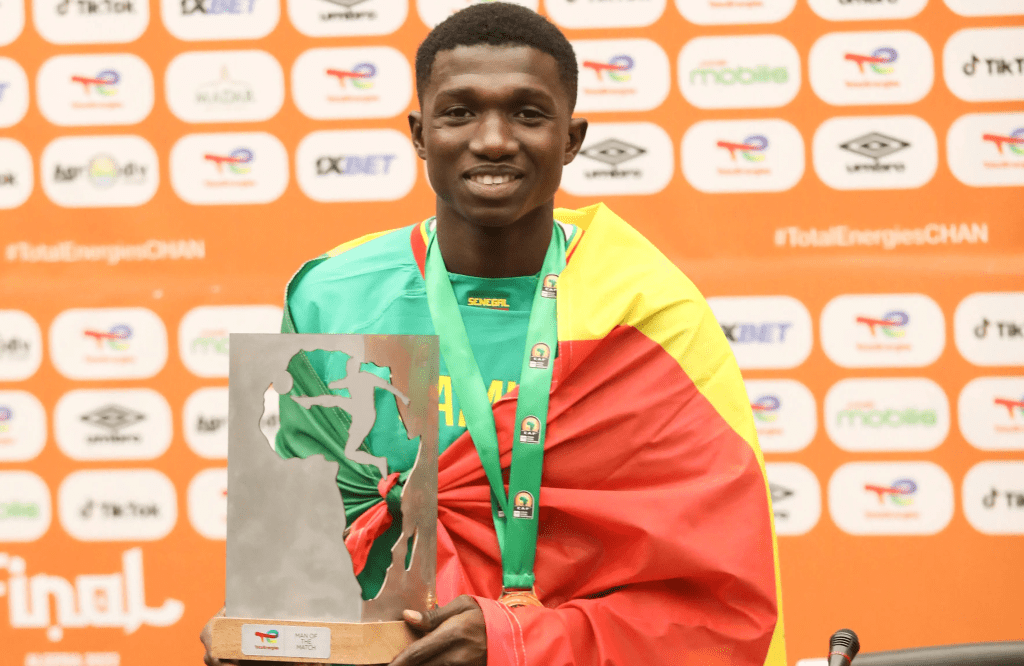
Moreover, Camara stands out as a relentless workhorse when his team is out of possession. His understanding of the game is unparalleled; he reads the flow of play astutely, anticipating the movements of both teammates and opponents. This allows him to engage effectively in individual duels, showcasing remarkable mental resilience and physical agility.
His ability to track opponents is noteworthy; his long strides and impressive speed allow him to close down spaces quickly, making it difficult for rivals to find openings. He often tackles opponents from their blind side, catching them off guard, and his interception skills are exceptional, allowing him to step in and break up plays. This includes making crucial interceptions that even his defensive-minded international teammate, Gueye, may find difficult to achieve.
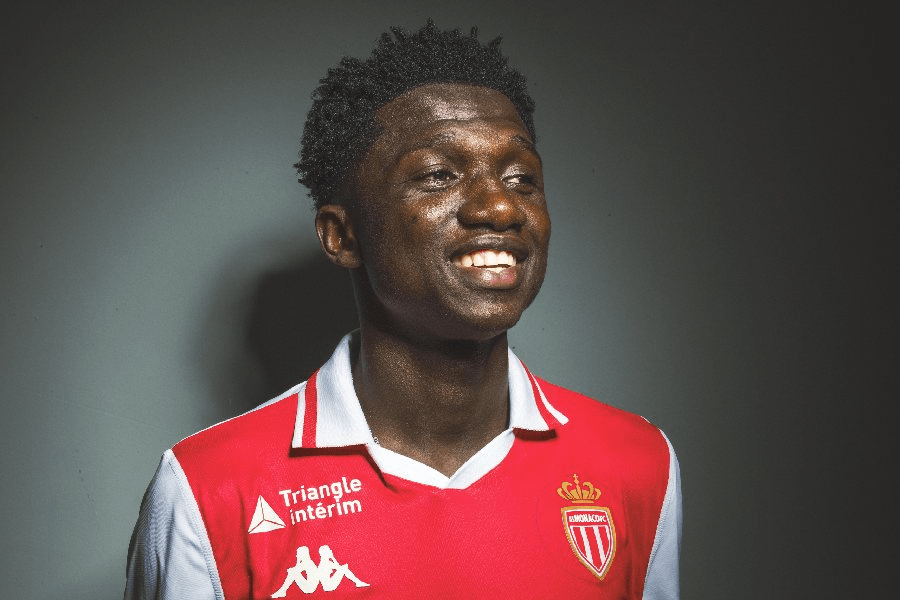
Overall, Camara’s combination of technical skill, tactical awareness, and relentless work ethic makes him a flawless asset to any team, so don’t be surprised to see an elite European side make their interest in him official beyond this season.
He’s got all the ingredients necessary to become one of the best of his generation and arguably the best talent Senegal have seen since Sadio Mane burst on to the scene ten years ago.
The only way is up for Lamine Camara. Watch this space.






 anthonyscouts.co.uk