One of the most highly coveted and talented young defenders in Europe. Benfica’s very own, Ruben Dias – a name which is bound to be the topic of transfer conversations this in the summer window, despite the potential financial impact of the coronavirus.
It’s a surprise the Portuguese international is still representing the Portuguese giants, with many – even those within the club – believing that the centre-half should have already moved on to much greener pastures by now. With no respect to Benfica, his talents and abilities are much better served on a much grander stage. Recently turned 23, Dias’ expected big money move away could well be fast approaching.
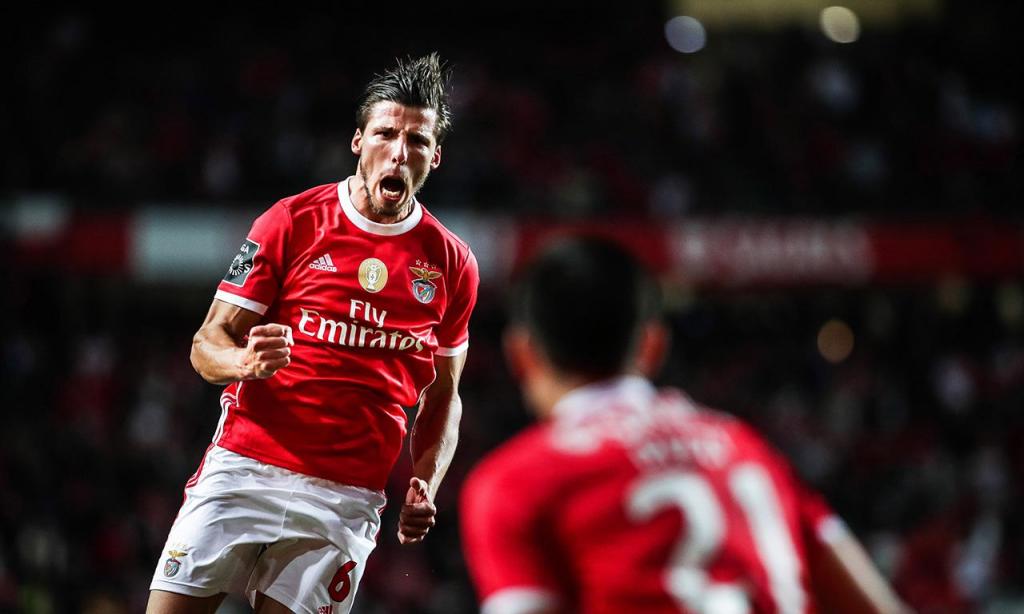
Barcelona, Manchester United and Manchester City are all interested in his incredible services, and a player of his ilk and class should indeed be gracing the biggest clubs around.
This Scout report will provide a brief overview on his rise to prominence through the ranks, his incredible growth in a talented Benfica team and why he is so highly thought of around European football.
Who is Ruben Dias?
Born in Amadora, Portugal. Ruben Dias started his career at local club Estrela da Amadora, before eventually moving to the highly acclaimed Benfica youth academy in 2008 at the age of 11, where he played for the junior team until 2015. In September that year, he made his professional debut for the Benfica B team in a LigaPro match against Chaves.
A few months later, Dias was rewarded with a deserved call-up to the first team for Benfica’s Champions League Round of 16 tie against Zenit St Petersburg at the age of 18, after three of Benfica’s four main centre-backs were unavailable. Although, he didn’t make an appearance, it was huge step in the right direction for Dias. The following campaign saw him aid the B team in finishing fourth, their highest position ever obtained in the Portuguese second division. He also played a pivotal role in the B team reaching the final of the UEFA Youth League in 2017.
It was the following September, where he made his long-awaited first team debut in a Primeira Liga match against Boavista, the young defender then went on to solidify his placing in the team, making it his own. Amongst his very impressive and shining performances was the two group ties against Manchester United in the Champions League.
However, Dias would end up having to undergo surgery for appendicitis and miss a month of football, after which he had to work hard to regain his place once again.
Since recovering from the injury, Ruben Dias certainly hasn’t looked back, proving an integral part of Benfica’s improvement and renaissance, he was also handed his first international appearance for Portugal in a friendly against Tunisia in the summer of 2018. He would then go on to make the World Cup squad without making an appearance.
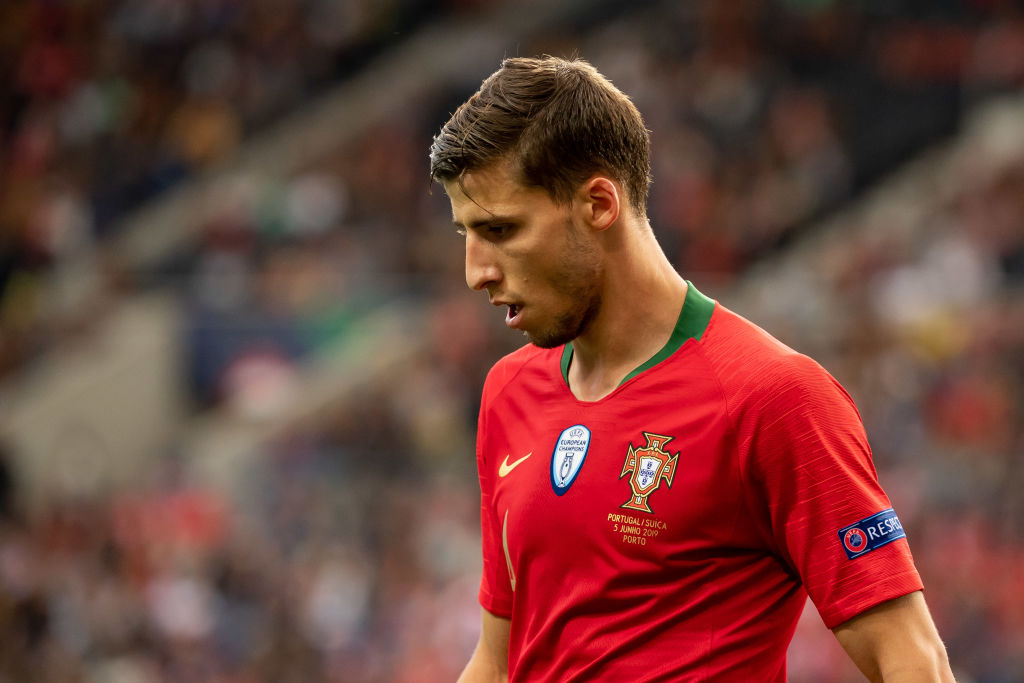
However, there was always the belief that the defender would become an integral part of Portugal’s growth and maturity in the coming future. Dias was apart of the squad which won the UEFA Nations League, playing in the finals of the competition.
This season, Dias’s stock has risen considerably impressing on numerous occasions, attracting the interest of Lyon, which prompted him to sign a new contract with Benfica which would keep him at the club until 2023.
How has Dias rose to prominence? What’s all the hype about?
In an era where centre-backs are required to build up attacks from the back with their positional understanding and ability to pick out players in more dangerous areas on the pitch, or feed passes in between the lines of play, Ruben Dias has provided Benfica with just the right tools in their possession-based fluid attacking football.
While the deep-lying playmakers in the midfield may be seen as the main orchestrator, Dias has shared the mantle, becoming a key figure when Benfica attempt to instigate attacks from defence. Ruben Dias averages 64.1 passes per game, with an astonishing success rate of nearly 90%. He also attempts 5.3 long passes, becoming so decorated in the art of finding his attacking players with some defence splitting long balls.
His ability to play out from the back is such vital ingredient for coach Bruno Lage, much of Benfica’s impressive football stems from Dias and Ferro’s passing abilities from defence. Despite oppositions who typically prioritise sitting back and cutting passing lanes, Dias is patient and precise on the ball, a crucial factor in building Benfica attacks.
The Portuguese international is so confident in possession, agile, incredibly technical and holds a unique skill set when dribbling out of trouble or into space to hurt the opposition. Because of his ability on the ball and confidence when finding his team-mates, he’s always afforded more time than regularly allowed. Constant pressure doesn’t faze him. An invaluable weapon in the modern game.
At 23 years of age, Ruben Dias is already in his third season as a regular. Partnered with fellow academy graduate Ferro, he is a highly influential figure in Benfica’s back-line who just conceded 14 goals in 25 league games before its curtailment due to the coronavirus outbreak. Benfica average 0.58 goals conceded per game, 0.12 less than any other team in the Primeira Liga or in Europe’s top five leagues.
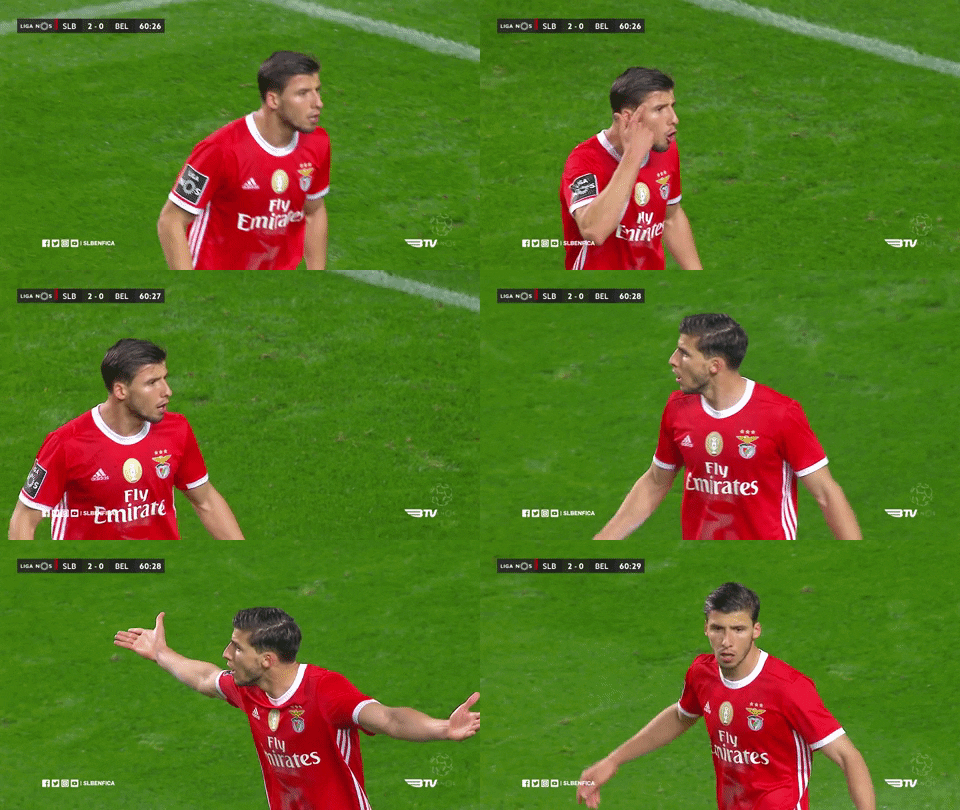
The hugely decorated centre-back is hugely responsible for such impressive defensive statistics. He organises the back-line, with reliable leadership, defensive positioning and authority. He is also a dominant presence in the air as well as on the ground, winning 2.1 aerial duels per game in the Primeira Liga. In the Champions League, he’s won 2.8 aerial duels per game.
On the ground, he’s a real force, making 1.3 tackles, 0.9 interceptions, 2.4 clearances while he’s only been dribbled past 0.3 times per game. Dias is a hugely imposing figure especially when trying to dribble round him, his fantastic spatial awareness, positioning when in 1v1 duels means he’s more than likely – as the stats show – to retrieve the ball for his team.
Although stats do not necessarily show how good a defender is, Dias’ numbers are only just half the story, it is a further representation of his dominance and the impact he holds in a defensively sound unit such as Benfica’s.
What does the future hold for Dias? Should he seek pastures new?
If Ruben Dias harbours any ambitions to reach top level football, then a move away to one of the top clubs around Europe will certainly do him no harm. In fact, at the rate he’s performed over the past year shows that he’s well adept in putting across the same figures in a much better league.
With no disrespect to the Portuguese top-flight and Benfica, there is no way Dias can truly perfect his qualities and test himself playing at such a level. Moving to a club such as a Barcelona or a Manchester City where the football is tailor-made for him, and the levels are its peak can only stand him in good stead for his personal development and maturity.
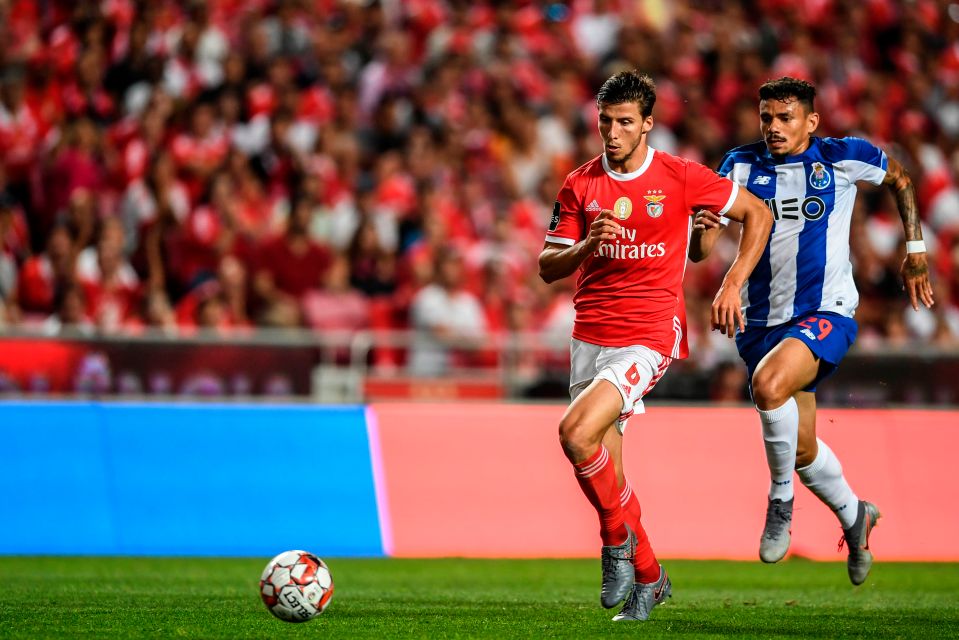
Ruben Dias is indeed a top-level footballer, and with the right conditions and coaching, he can become one of Europe’s most decorated centre-backs for years to come. Manchester City coach Pep Guardiola is rumoured to be a strong admirer of the Portuguese international, and with the Premier League champions in desperate need of a top-level centre-back, Ruben Dias certainly fits the mould.
His ability to play out from the back, aerial prowess and dominance in 1v1 battles means he would be a stark upgrade on Manchester City’s options and allow City to become a strong force in defence once again. He still has three-years left on his current deal at Benfica, which would allow the Portuguese giants to the demand a high fee for the young defender.
However much he costs, Ruben Dias will be worth ever penny.
 anthonyscouts.co.uk